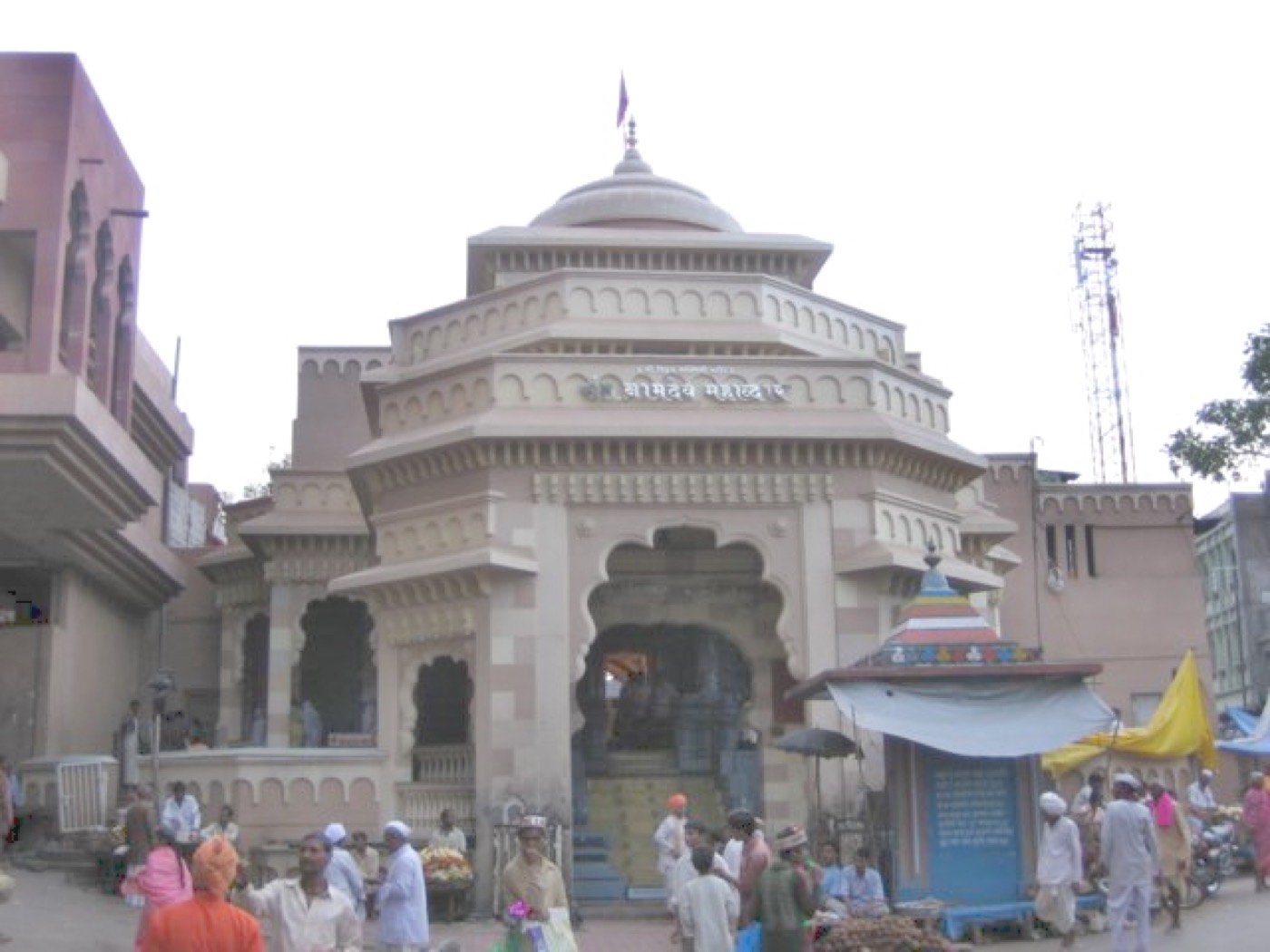
Shri Vitthal-Rukmini Temple, Pandharpur
Maharashtra's great Vitthal shrine and Warkari heart, a classic onward pilgrimage pairing.
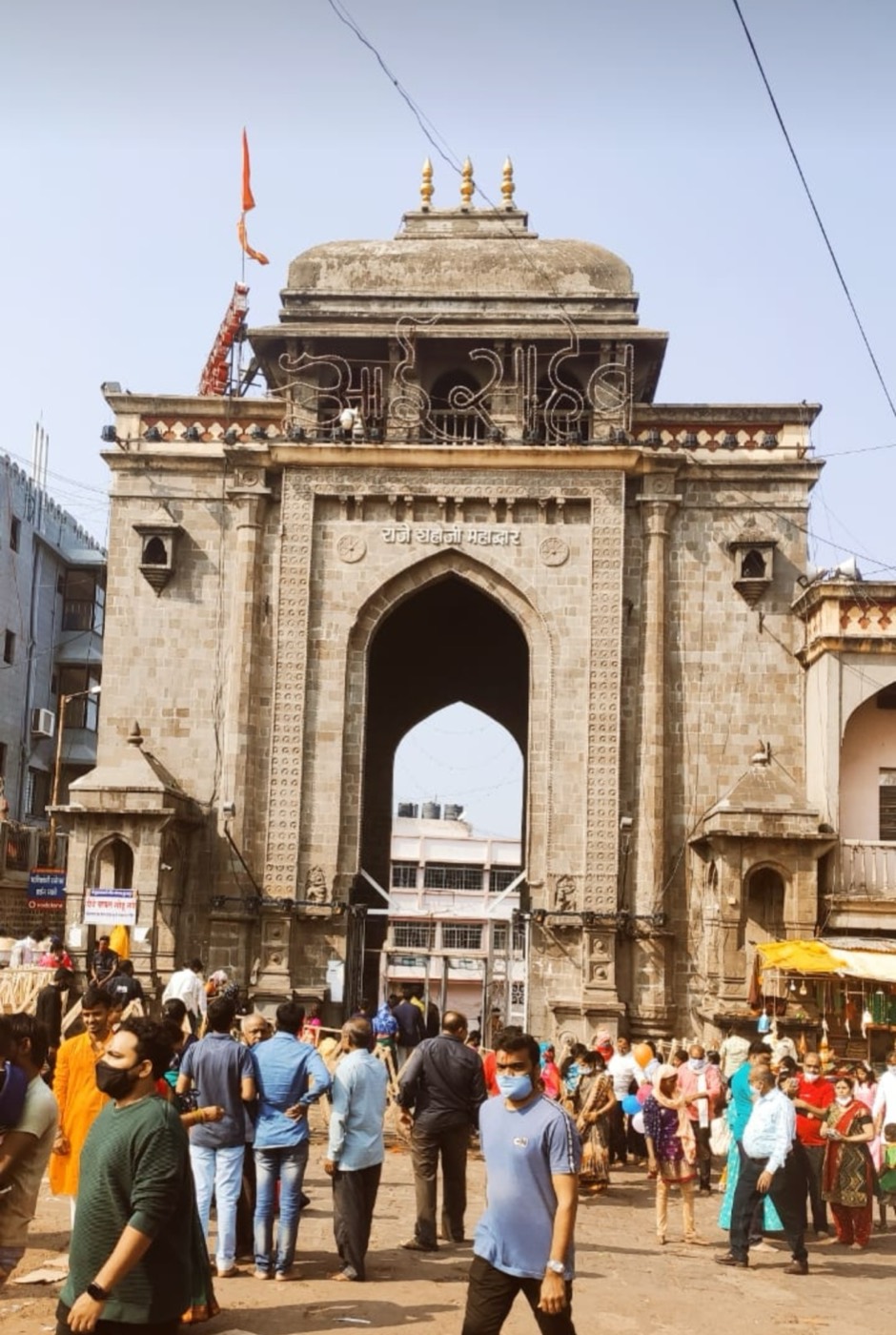
Tuljabhavani Temple, Tuljapur
Kuldevi of many Maharashtrians and a fellow Saade-Teen Shakti Peetha of the region.
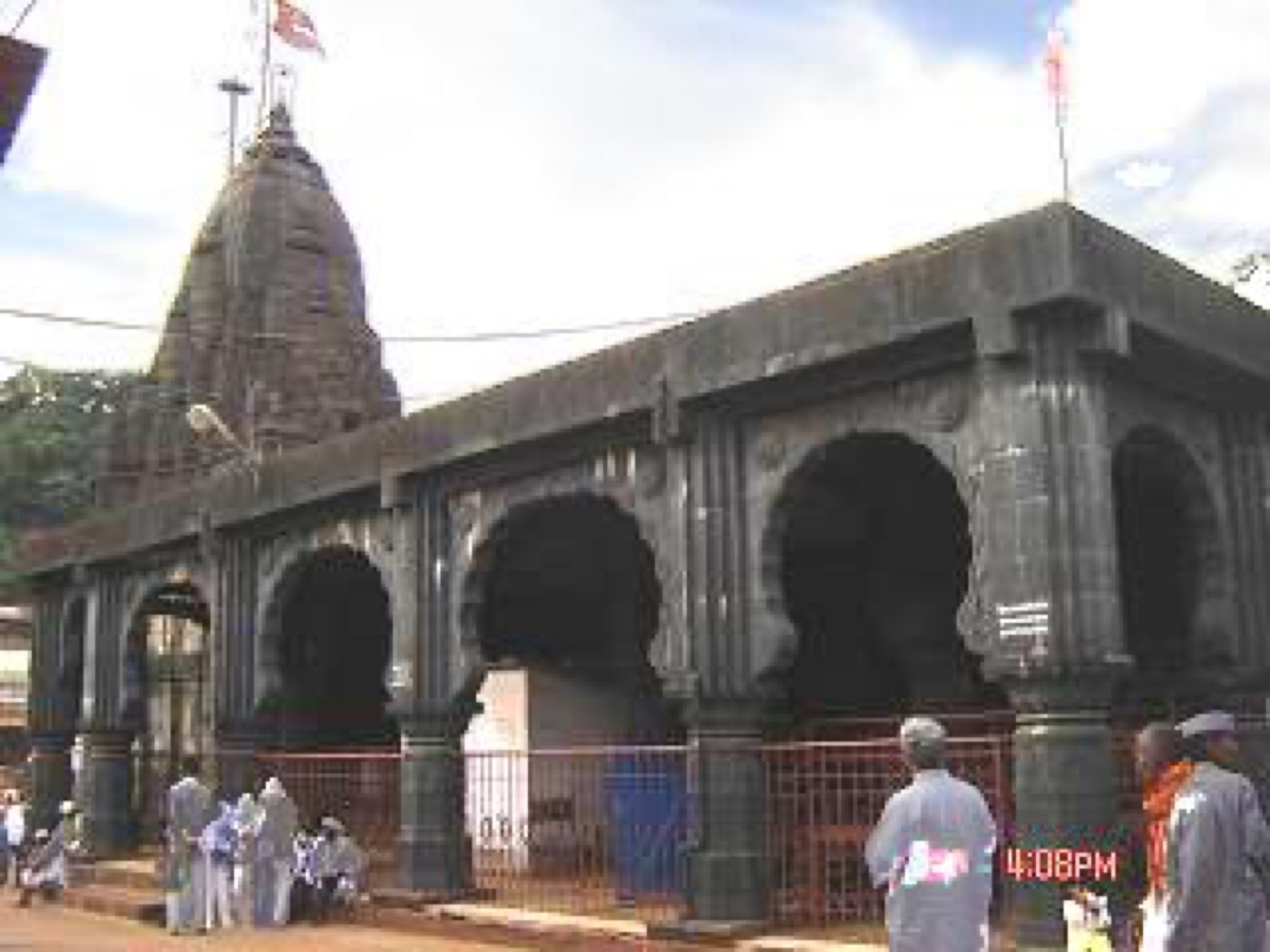
Bhimashankar Jyotirlinga
Sahyadri Jyotirlinga in dense forest, a Shiva counterpoint to the goddess circuit.
Kolhapur slots naturally into a wider Maharashtra devi-and-Vitthal circuit, so most pilgrims do not stop at Ambabai alone. The most common onward leg is Pandharpur, roughly 115 to 130 km away, home of Vitthal-Rukmini and the beating heart of the Warkari tradition; pairing the goddess with Vitthal is an old and popular route.
For those with more days, Tuljapur (approx 230 to 250 km) holds Tuljabhavani, kuldevi to countless Maharashtrian families and, like Kolhapur, one of the state's Saade-Teen Shakti Peethas, which makes the two a meaningful pilgrimage pair. Shiva devotees can swing north to the forest-clad Bhimashankar Jyotirlinga in the Sahyadris (approx 300 to 330 km) for a mountain counterpoint to the city shrine. Locally, many also climb to the nearby Jyotiba hill temple, though that lies outside this guide's linked set.
← Back to the full Shri Mahalakshmi darshan guideCompiled from public sources including Wikipedia: Mahalakshmi Temple, Kolhapur · Trawell.in: Sri Mahalakshmi Temple, Kolhapur · Devlok: Shri Mahalakshmi (Ambabai) Temple, Kolhapur · Wikimedia Commons image file. Timings and seasonal closures change; confirm with the temple trust before travelling.