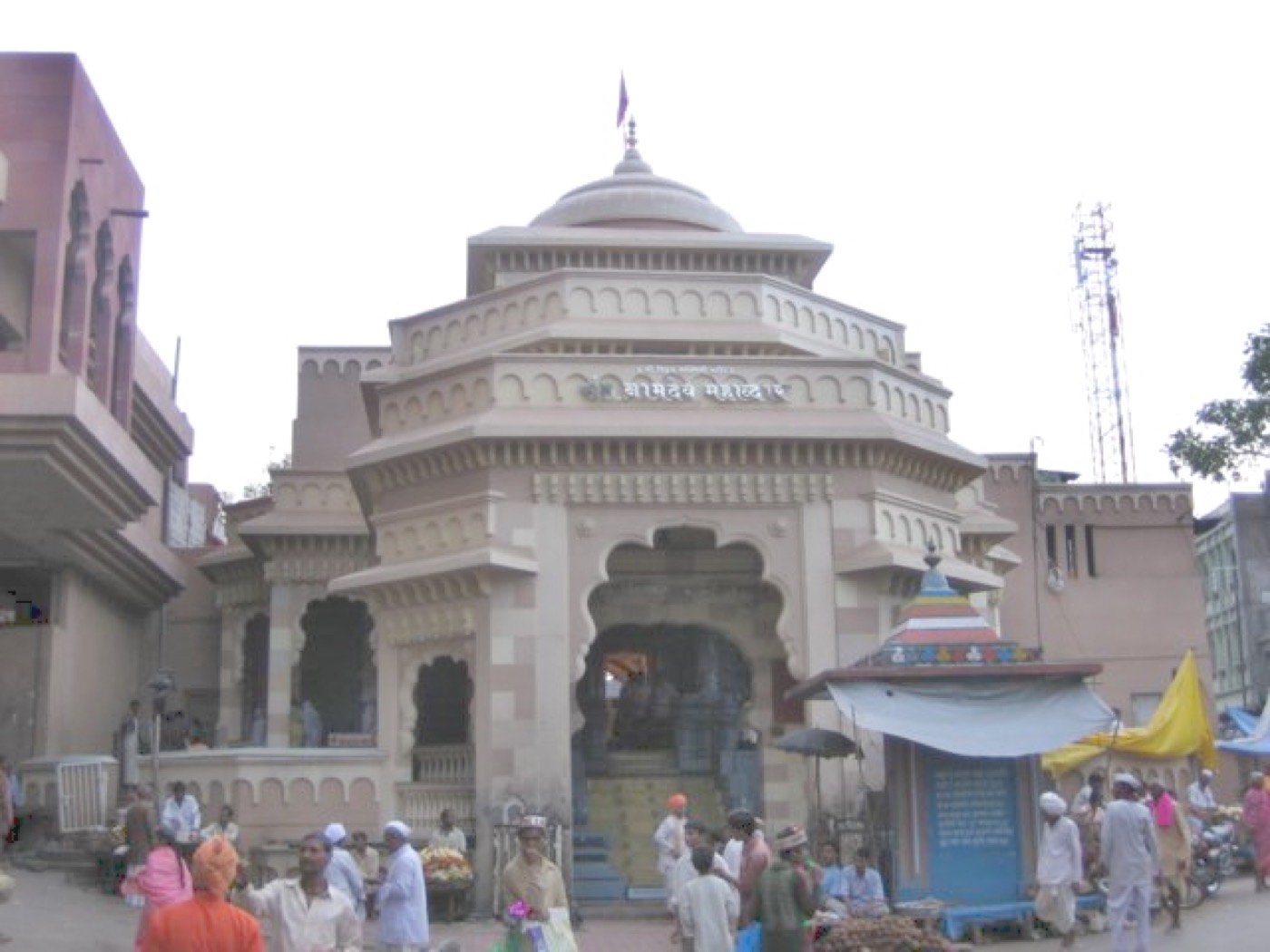
Darshan timings at Vitthal Rukmini
| Season | Opens | Darshan | Closes | Status |
|---|---|---|---|---|
| All year (normal days) | approx 4:00 AM (after Kakad Aarti) | Pad-sparsh and Mukh darshan through the day | approx 11:00 PM to midnight (before Shej Aarti) | Open |
| Ekadashi and festival days | Continuous, often 24 hours | Mukh (face) darshan only; feet-touching is suspended in the crush | Runs overnight | Open |
| During each aarti | - | Public darshan briefly halted for the ritual | Resumes right after | Open |
Read the full Timings & Darshan Hours →
How to reach Vitthal Rukmini Temple, Pandharpur
Pandharpur sits inland in southern Maharashtra on the Chandrabhaga (Bhima) river. It has its own small railway station and a busy state bus stand, but most long-distance pilgrims route through Solapur or fly into Pune.
| Mode | Point | Distance | Notes |
|---|---|---|---|
| Train | Pandharpur Railway Station | approx 2 km | On the Kurduwadi to Miraj line with daily passenger and express trains; auto-rickshaws run to the temple. For more connections use Kurduwadi Junction (approx 52 km) or Solapur (approx 76 km). |
| Air | Pune Airport (nearest major); Kolhapur Airport | approx 210 km / approx 180 km | Pune has the widest network; Kolhapur is closer but has fewer flights. Both are a 4 to 5 hour road transfer. |
| Road (bus) | Pandharpur ST Bus Stand | approx 1 to 2 km | MSRTC buses connect Solapur, Pune, Kolhapur, Sangli and Mumbai; private and shared taxis are plentiful, especially in festival season. |
| Road (car) | From Solapur / Pune / Mumbai | Solapur approx 76 km, Pune approx 210 km, Mumbai approx 360 km | Solapur is the quickest big-city drive (about 2 hours). Roads get heavily congested and diverted on Ekadashi days. |
Puja & aarti schedule
- Kakad Aarti and Nitya Pooja (the awakening of the deity)4:00 to 5:30 AM
- Mahanaivedya (the midday food offering)10:45 to 11:00 AM
- Poshakh (the ceremonial dressing of the deity)4:40 to 5:00 PM
- Dhoop Aarti (the evening incense aarti)6:45 to 7:00 PM
- Shej Aarti (the bedtime ritual, after which the temple rests)12:00 to 1:00 AM
Read the full Aarti & Puja Schedule →
Dress code & temple rules
Wear modest, traditional clothing; men often go in kurta-pyjama or dhoti, women in saree or salwar-kameez. Avoid shorts, very short dresses and revealing wear.
Footwear must be removed before entering; leave shoes at the stands outside the gates (paid cloak and footwear counters are available).
The temple's defining privilege is Pad-sparsh darshan, physically touching Vithoba's feet. Move quickly and respectfully as staff keep the queue flowing.
Take the ritual dip or a symbolic sprinkle in the Chandrabhaga before darshan if you follow the traditional Warkari sequence.
Photography is generally restricted inside the sanctum; follow posted signs and the guards' instructions.
Carry minimal luggage and valuables; large bags are not allowed near the sanctum and cloakrooms fill fast on busy days.
Read the full Dress Code & Temple Rules →
Best time to visit & festivals
Pandharpur runs on the lunar calendar and peaks four times a year on Ekadashi. The two great gatherings are Ashadhi (monsoon) and Kartiki (post-monsoon). For a calmer darshan, come on an ordinary weekday in the cooler November to February window.
| Festival | When | Significance |
|---|---|---|
| Ashadhi Ekadashi (Shayani Ekadashi) | Ashadha month, June to July (2025 fell on 29 June; 2026 approx late July) | The single biggest day. Around a million pilgrims converge as the Sant Dnyaneshwar palkhi from Alandi and Sant Tukaram palkhi from Dehu complete their roughly 250 km, three-week foot march. The Chief Minister traditionally performs the government mahapuja. Peak |
| Kartiki Ekadashi (Prabodhini Ekadashi) | Kartik month, October to November (2025 fell on 13 November; 2026 approx early November) | The second great wari, marking Vishnu's awakening from cosmic sleep. Enormous crowds and another palkhi convergence, second only to Ashadhi. |
| Chaitri Ekadashi | Chaitra month, March to April | A smaller spring wari that still draws large numbers of Warkaris to Pandharpur. |
| Maghi Ekadashi | Magha month, January to February | The fourth annual wari, in the pleasant winter season; lighter crowds than the two main Ekadashis. |
Read the full Best Time to Visit & Festivals →
Nearby temples & tirths
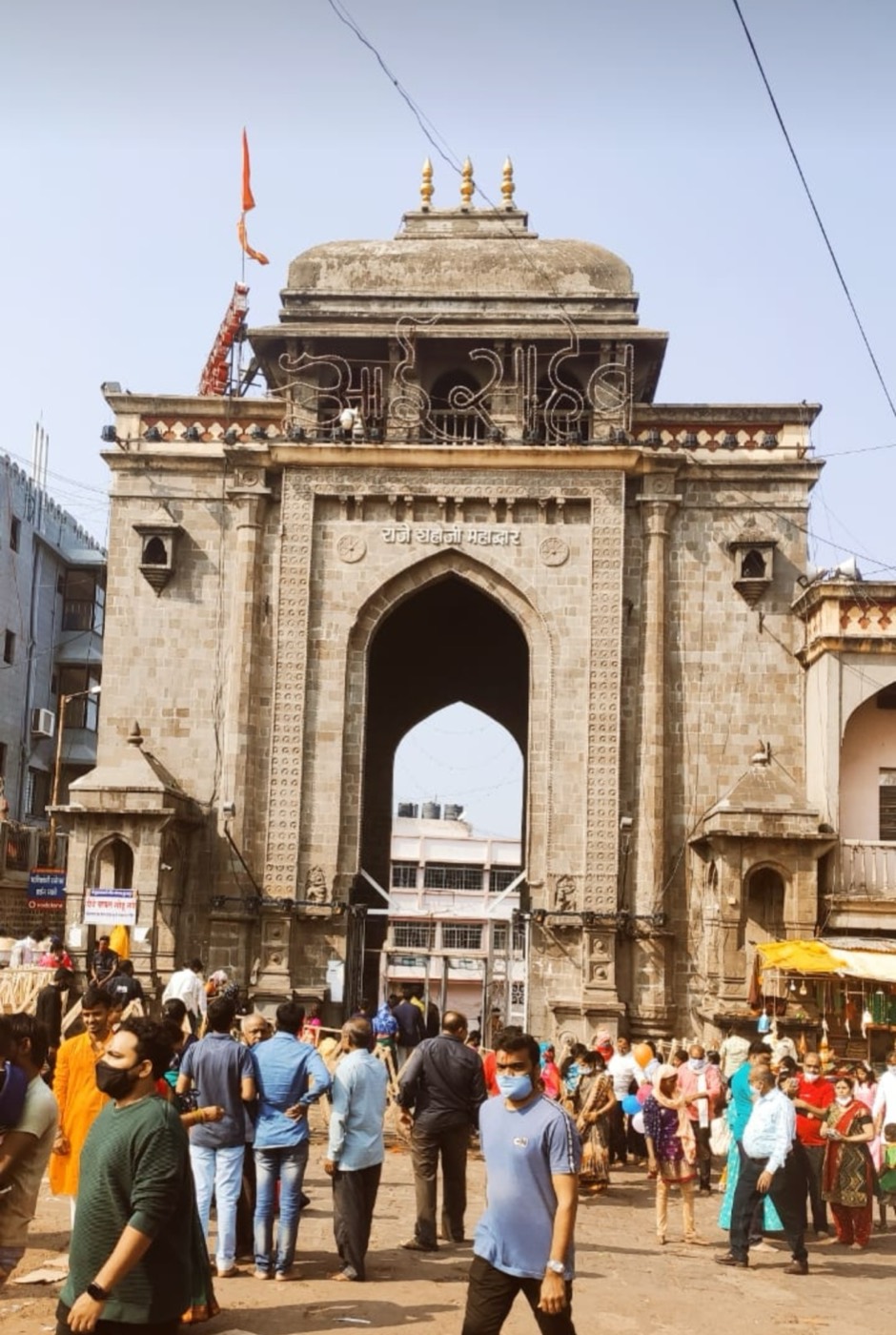
Tuljabhavani Temple, Tuljapur
Shakti Peeth of the goddess Tulja Bhavani, a Kuldevi of many Maharashtrians and a natural pairing with a Pandharpur trip.

Mahalakshmi Temple, Kolhapur
The Karvir Mahalakshmi (Ambabai) shrine, one of Maharashtra's most revered Devi temples.
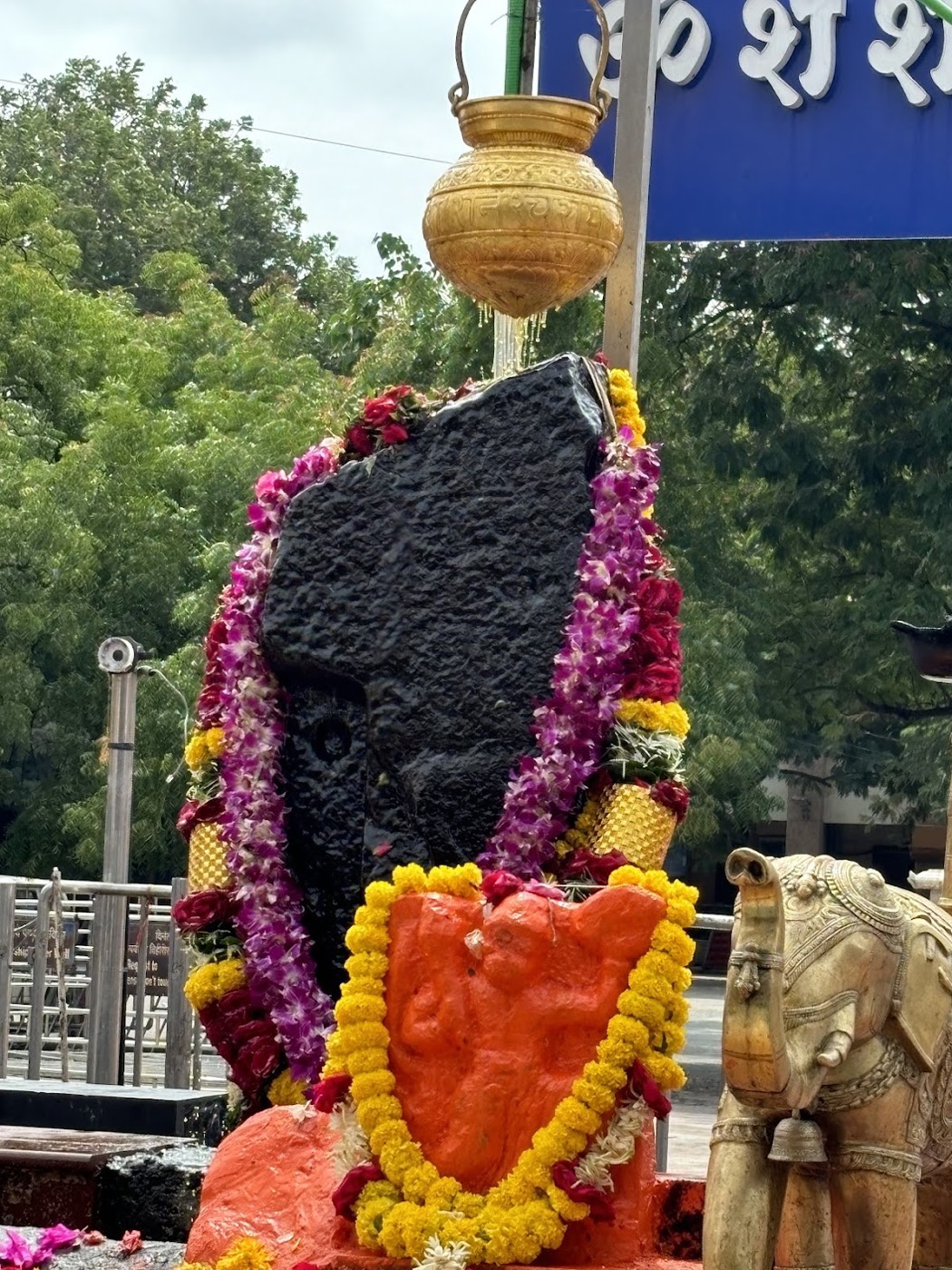
Shani Shingnapur
The famous doorless village of Lord Shani, often combined on a wider Maharashtra pilgrimage circuit.
Read the full Nearby Temples & Tirths →
Where to stay
The Mandir Samiti runs Bhakt Niwas lodging for pilgrims, bookable online alongside darshan passes, and numerous dharamshalas and math (Warkari math) houses cluster around the temple and along the Chandrabhaga ghats. Budget lodges and mid-range hotels line the approach roads and the bus-stand area. During Ashadhi and Kartiki Ekadashi every bed is taken weeks ahead and lakhs sleep in tents, community halls and on the riverbanks, so book far in advance or plan to stay in Solapur (approx 76 km) and travel in for darshan.
Frequently asked questions
Vitthal Rukmini temple Pandharpur darshan timings today
nearest railway station to Pandharpur Vitthal temple
is Pandharpur temple open during Ashadhi Ekadashi
how far is Pandharpur from Pune and Solapur
can you touch Vitthal feet at Pandharpur
Compiled from public sources including Wikipedia: Vithoba Temple, Pandharpur · Wikipedia: Pandharpur · Shri Vitthal Rukmini Mandir Samiti (official) · Wikimedia Commons: Pandharpur Vithoba temple.jpg. Timings and seasonal closures change; confirm with the temple trust before travelling.