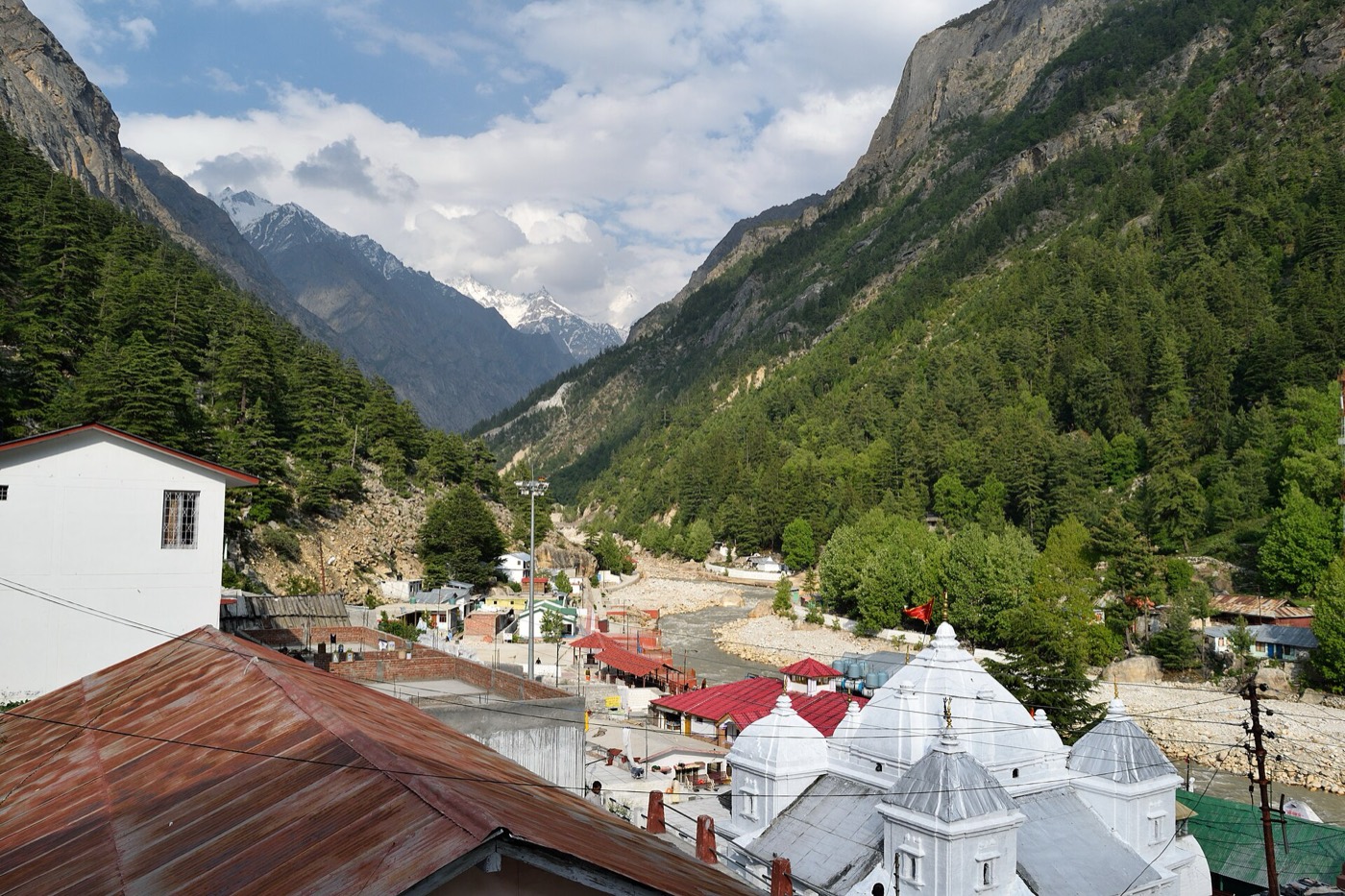
Darshan timings at Gangotri
| Season | Opens | Darshan | Closes | Status |
|---|---|---|---|---|
| Open season, mornings (Apr/May to Nov) | Approx 6:15 AM | Mangala aarti and morning darshan | Continues through midday | Open |
| Open season, evenings | Reopens after bhog | Evening darshan and Ganga aarti near sunset | Approx 9:30 PM | Open |
| Winter (approx Nov to Apr) | Closed at Gangotri | Deity worshipped at Mukhba village | Reopens Akshaya Tritiya | Closed |
Read the full Timings & Darshan Hours →
How to reach Gangotri Temple
Gangotri is the deepest of the four Char Dham shrines to reach and sits at the very end of the motorable road on the Bhagirathi valley. There is no railway or airport anywhere near it; every pilgrim arrives by a long mountain drive from the plains, usually staged over one or two days through Uttarkashi.
| Mode | Point | Distance | Notes |
|---|---|---|---|
| Air | Jolly Grant Airport, Dehradun | Approx 230 km | Nearest airport; then a full day by road via Uttarkashi. Helicopter charters to the Gangotri valley operate seasonally but are weather-dependent. |
| Rail | Rishikesh / Haridwar / Dehradun | Approx 250 km (Rishikesh) | Rishikesh is the nearest convenient railhead; Haridwar and Dehradun have more long-distance trains. No line goes beyond the foothills. |
| Road (base town) | Uttarkashi | Approx 100 km | The main staging town with hospitals, ATMs and buses. Most pilgrims overnight here or at Harsil before the final climb. |
| Road (from plains) | Rishikesh via NH 34 / Uttarkashi | Approx 250 km | Shared jeeps, GMOU buses and taxis run in season. The road is narrow and prone to landslides in monsoon; start early and avoid night driving. |
Puja & aarti schedule
- Mangala aarti and temple openingApprox 6:15 AM
- Abhishek and morning darshan of the Ganga idolMorning
- Rajbhog and offerings; brief pause in the sanctumAround midday
- Ganga aarti on the riverbank, the day's spiritual high pointNear sunset
- Shayan aarti and closing for the nightApprox 9:30 PM
Read the full Aarti & Puja Schedule →
Dress code & temple rules
Dress modestly: cover shoulders and knees. Traditional Indian wear is ideal for the sanctum.
Carry serious warm clothing. At 3,100 m it is cold even in summer, and mornings and nights near freezing; a fleece or jacket is essential year-round.
Remove footwear and leather items before entering the temple.
This is a fragile high-Himalayan glacial zone: do not litter, avoid plastic, and do not use soap or shampoo in the Bhagirathi.
Acclimatise and carry basic altitude and cold precautions; the thin air affects the elderly and those with heart or breathing conditions.
Read the full Dress Code & Temple Rules →
Best time to visit & festivals
Gangotri is only reachable and open for about six months, from Akshaya Tritiya to Diwali. Within that window, choose your dates around the monsoon, which brings landslides to this valley.
| Festival | When | Significance |
|---|---|---|
| Akshaya Tritiya (temple opening) | Around late April 2026 | The doors reopen for the year and the idol returns from Mukhba in a ceremonial doli procession. Highly auspicious and very crowded. Peak |
| Ganga Dussehra | May or June (Jyeshtha) | Celebrates the descent of the Ganga from heaven to earth; one of the most sacred days to bathe in and worship the river. Peak |
| Ganga Saptami (Ganga Jayanti) | April or May (Vaishakha) | Marks the birth of the Ganga; special abhishek and worship at the shrine. |
| Diwali / temple closing | Around early November 2026 | The last darshan of the season before the goddess is carried down to Mukhba for winter and the shrine is sealed. Peak |
Read the full Best Time to Visit & Festivals →
Nearby temples & tirths
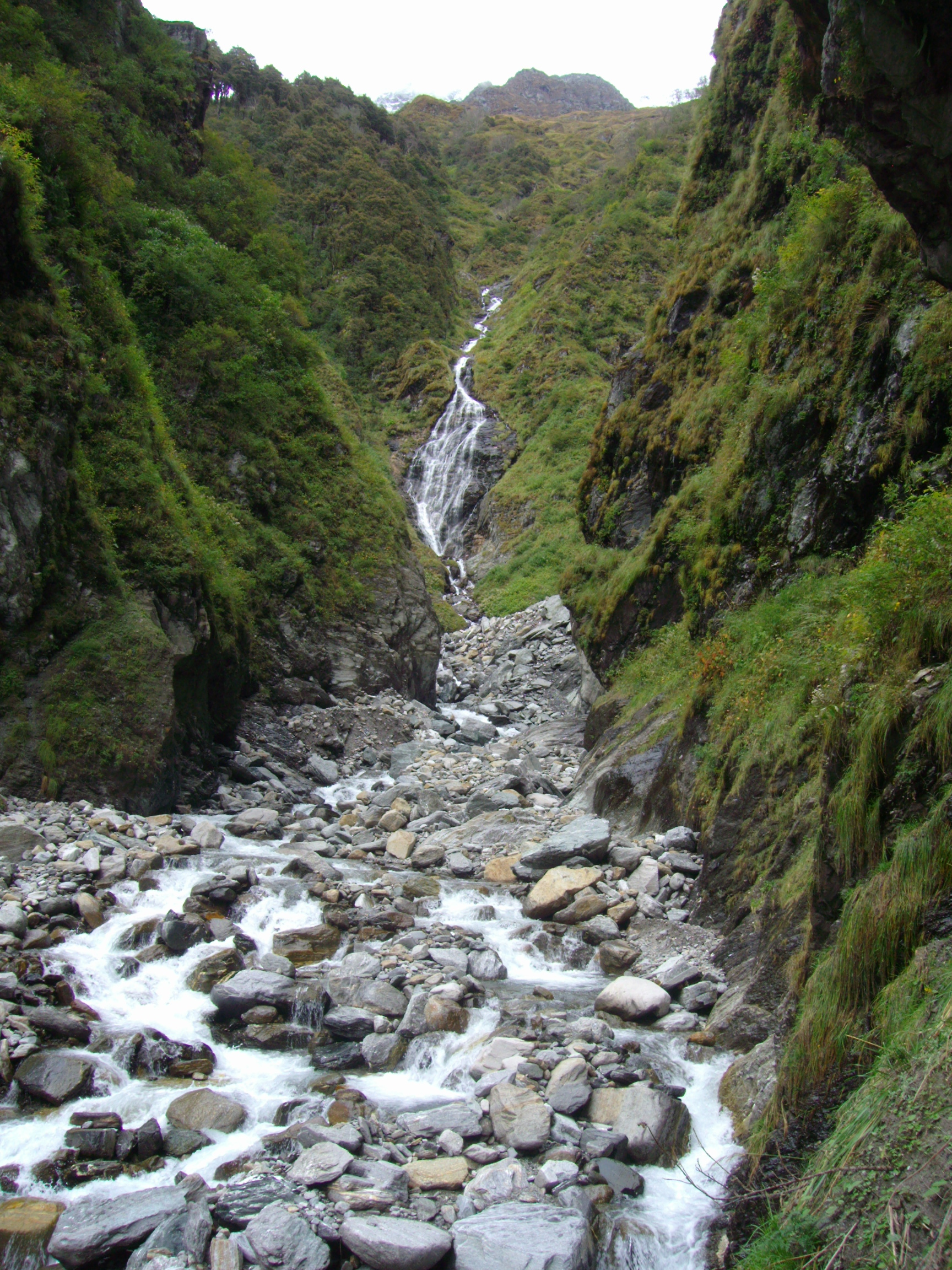
Yamunotri
The Ganga's sister shrine and the first of the Uttarakhand Char Dham, at the source of the Yamuna.
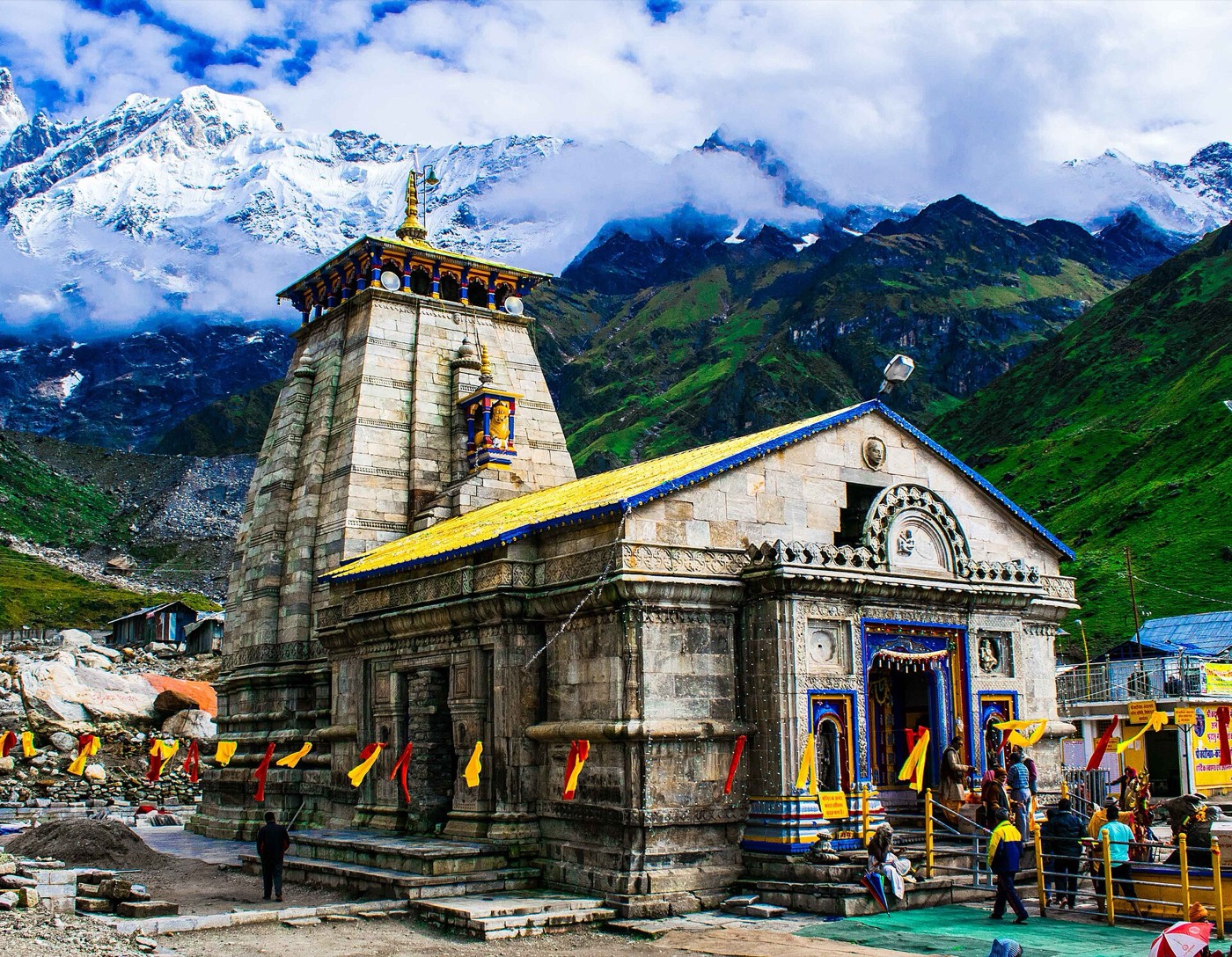
Kedarnath
The high Shiva jyotirlinga of the Char Dham, reached by a Himalayan trek from Gaurikund.
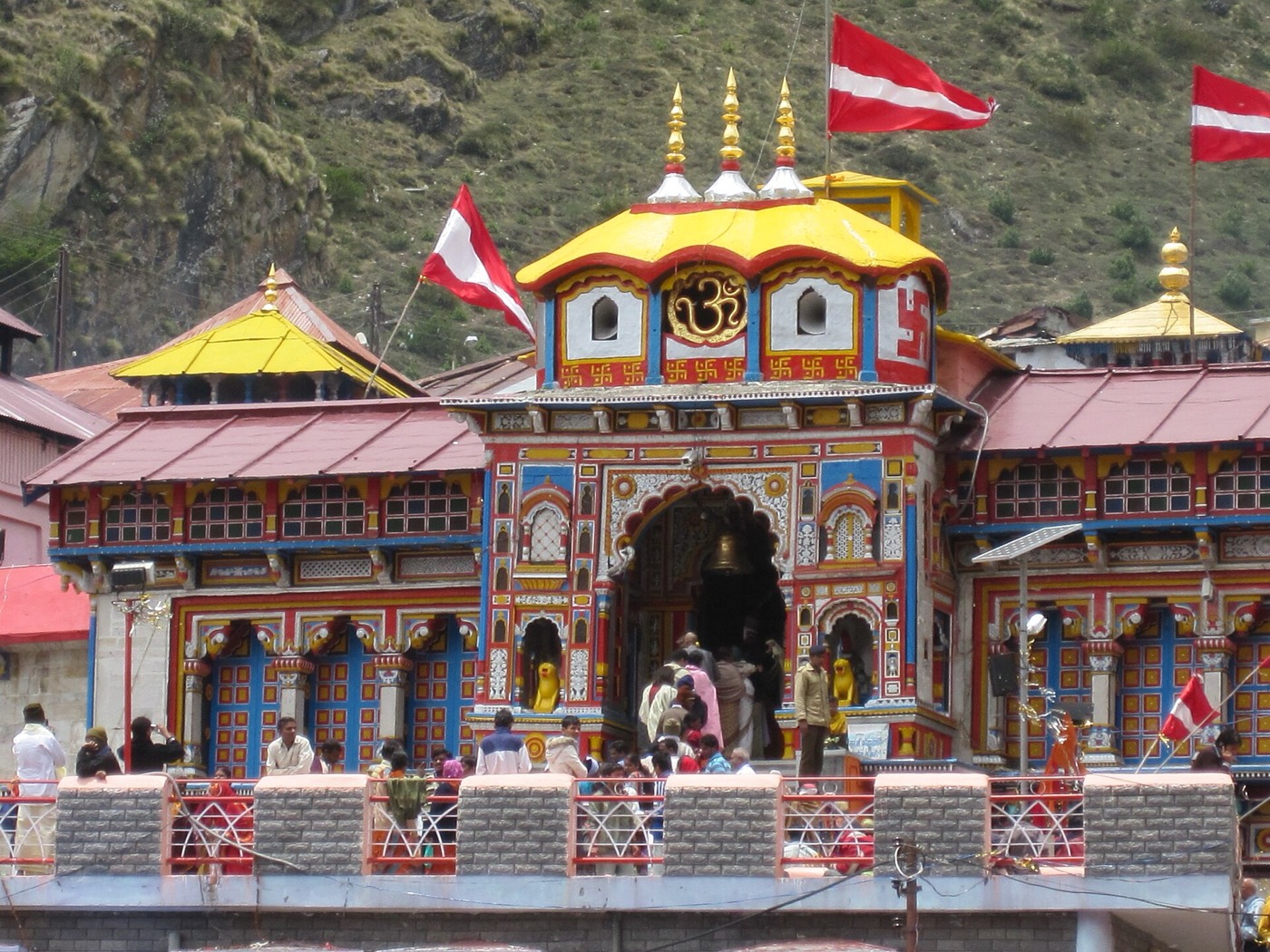
Badrinath
The Vishnu shrine that completes the four Char Dham of Uttarakhand.
Read the full Nearby Temples & Tirths →
Where to stay
"Most pilgrims sleep in Gangotri town itself, which has GMVN tourist rest houses, dharamshalas, ashrams and modest guesthouses within walking distance of the temple; book ahead in peak season as options are basic and limited. Many prefer to break the journey at Harsil (approx 25 km before, a quiet deodar-forest hamlet with hotels and homestays) or at Uttarkashi (approx 100 km, the largest base town). Gangnani, with its hot spring, and Bhatwari are smaller stops on the way up. Accommodation is simple mountain lodging, not luxury; carry cash as digital payment and ATMs are unreliable beyond Uttarkashi."
Frequently asked questions
Gangotri temple timings today
Nearest railway station to Gangotri
Is Gangotri open in winter (December to April)?
When does Gangotri temple open in 2026?
How far is Gangotri from Rishikesh by road?
Compiled from public sources including Wikipedia: Gangotri · Wikimedia Commons: Gangotri image file (photo license) · Euttaranchal: Gangotri Temple · Uttarakhand Tourism (official): Gangotri. Timings and seasonal closures change; confirm with the temple trust before travelling.