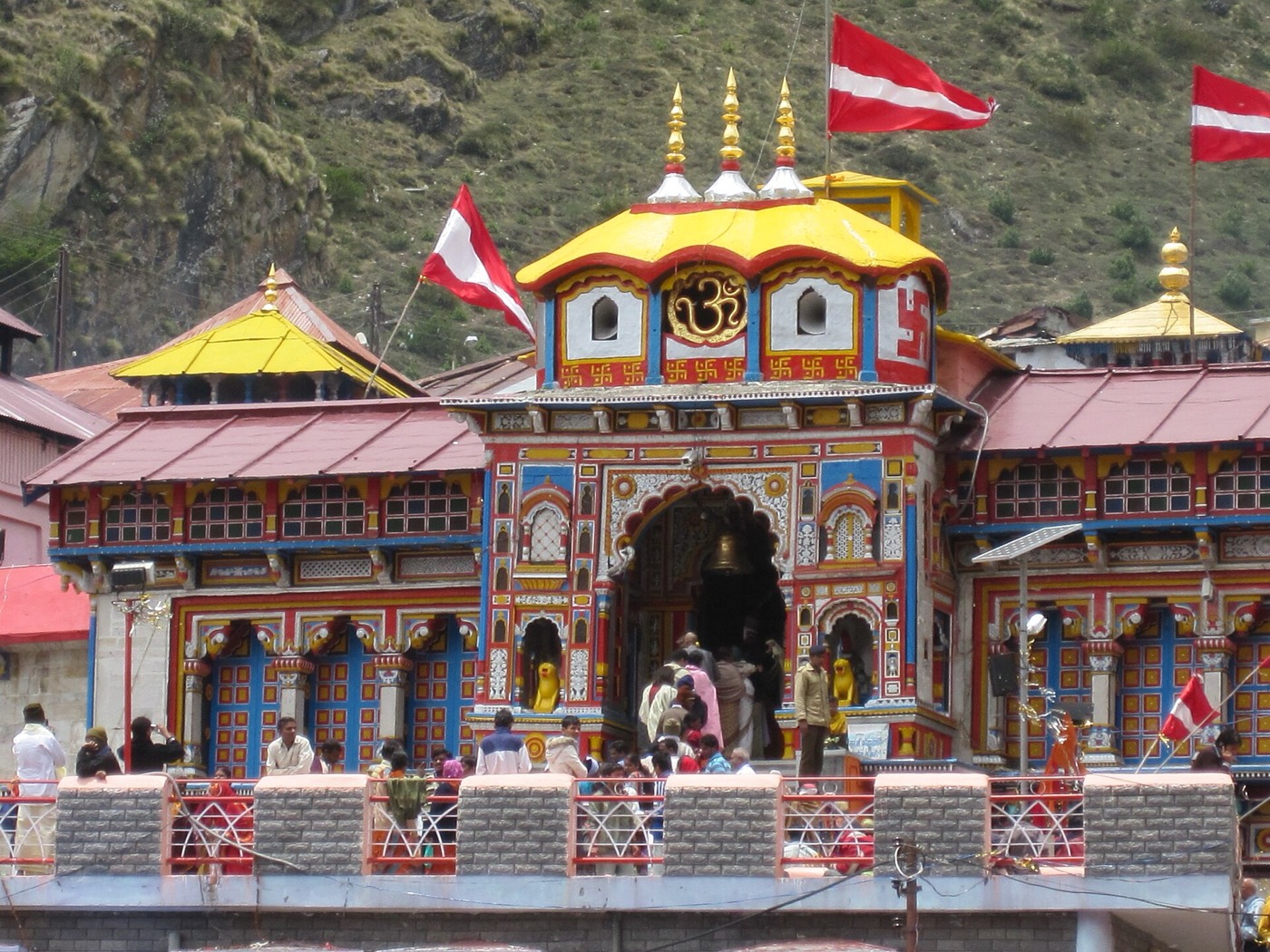
Darshan timings at Badrinath
| Season | Opens | Darshan | Closes | Status |
|---|---|---|---|---|
| Yatra season (open months) | 4:30 AM | 4:30 AM to 1:00 PM and 4:00 PM to 9:00 PM | 9:00 PM | Open |
| Midday | 1:00 PM | Closed for bhog, cleaning and special pujas | 4:00 PM | Open |
| Winter (approx mid-Nov to late Apr) | Closed | Kapat shut; worship shifts to Narsingh Temple, Joshimath | Closed | Closed |
Read the full Timings & Darshan Hours →
How to reach Badrinath Temple (Shri Badrinarayan Dham)
Badrinath has no rail or air link of its own; every route ends in a long mountain drive up the Alaknanda valley on NH-7 (old NH-58). The road is motorable right to the temple, but landslides and monsoon closures are common between July and September.
| Mode | Point | Distance | Notes |
|---|---|---|---|
| Train | Rishikesh railway station | approx 295 km | Nearest railhead; approx 10 to 12 hours by road. Haridwar (approx 324 km) has far more long-distance trains from Delhi, Mumbai, Lucknow. |
| Air | Jolly Grant Airport, Dehradun | approx 317 km | Nearest airport; taxis and buses onward via Rishikesh, Devprayag, Rudraprayag, Joshimath. Helicopter services also run to Badrinath in season. |
| Road | Joshimath (last major town) | approx 45 km | Last town with fuel, ATMs and hotels before the shrine. Buses and shared taxis run from Rishikesh, Srinagar (Garhwal), Rudraprayag, Chamoli and Joshimath. |
Puja & aarti schedule
- Maha Abhishek and Abhishek Puja; the black idol is bathed and adorned as the doors open4:30 AM
- General morning darshan begins after the abhishek rituals conclude6:30 AM onwards
- Geeta Path, Ved Path, Vishnu Sahasranama Path and sponsored bhog pujasDaytime
- Swarna (gold) Aarti, Kapoor Aarti and Vishnu Sahasranama recitationEvening
- Geet Govind / Shayan Aarti; the deity is put to rest and kapat closes for the night8:30 PM
Read the full Aarti & Puja Schedule →
Dress code & temple rules
Dress modestly and warm: shoulders and legs covered, and woolens are essential year-round because temperatures stay cold even in summer at 3,133 m
Traditional attire is appreciated for those sponsoring a puja; men often wear dhoti-kurta, women saree or salwar for abhishek
Most pilgrims bathe in the sulphur-warm Tapt Kund hot spring beside the Alaknanda before entering, a customary act of purification
Remove footwear and leather items before the temple; deposit shoes at the stands near the entrance
Photography inside the sanctum is not permitted; keep phones away during darshan
Carry the free Char Dham e-pass (registrationandtouristcare.uk.gov.in) and a photo ID; registration is checked en route
Read the full Dress Code & Temple Rules →
Best time to visit & festivals
Badrinath is only reachable for roughly six months. Within that window, May to June and September to October are the sweet spots: workable weather, and after the monsoon the Himalayan views (Neelkanth peak above the shrine) are at their clearest. July and August bring heavy rain and landslide risk on the ghat road.
| Festival | When | Significance |
|---|---|---|
| Kapat Opening (Temple Opening) | Late April to early May (23 Apr in 2026) | The doors open after winter; the akhand jyoti lit through the closed months is revealed and the season's first darshan draws huge crowds Peak |
| Badri-Kedar Utsav | June (approx 8 days) | A cultural festival with musicians and dancers from across India performing at Badrinath and Kedarnath |
| Mata Murti Ka Mela | September, on Vaman Dwadashi | The temple's most important fair, honouring Mata Murti, mother of Badrinarayan; the deity is taken in procession toward Mana, celebrating the Ganga's descent Peak |
| Kapat Closing (Temple Closing) | Mid-November, date announced on Vijayadashami | An emotional final darshan; the idol is wrapped in a ghee blanket and worship moves down to Joshimath for winter |
Read the full Best Time to Visit & Festivals →
Nearby temples & tirths
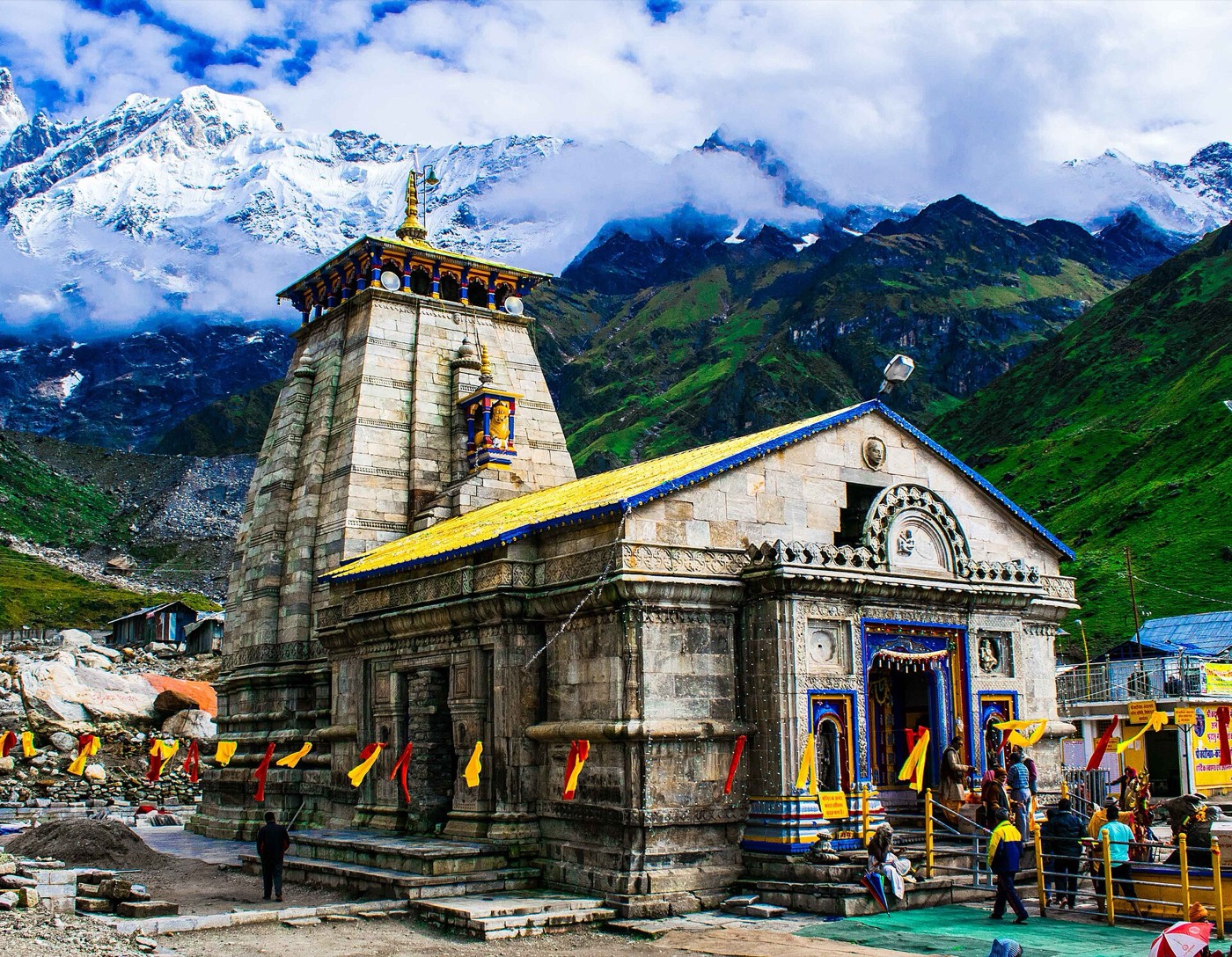
Kedarnath
The Shiva half of the Char Dham circuit, a high trek shrine paired with Badrinath in one yatra
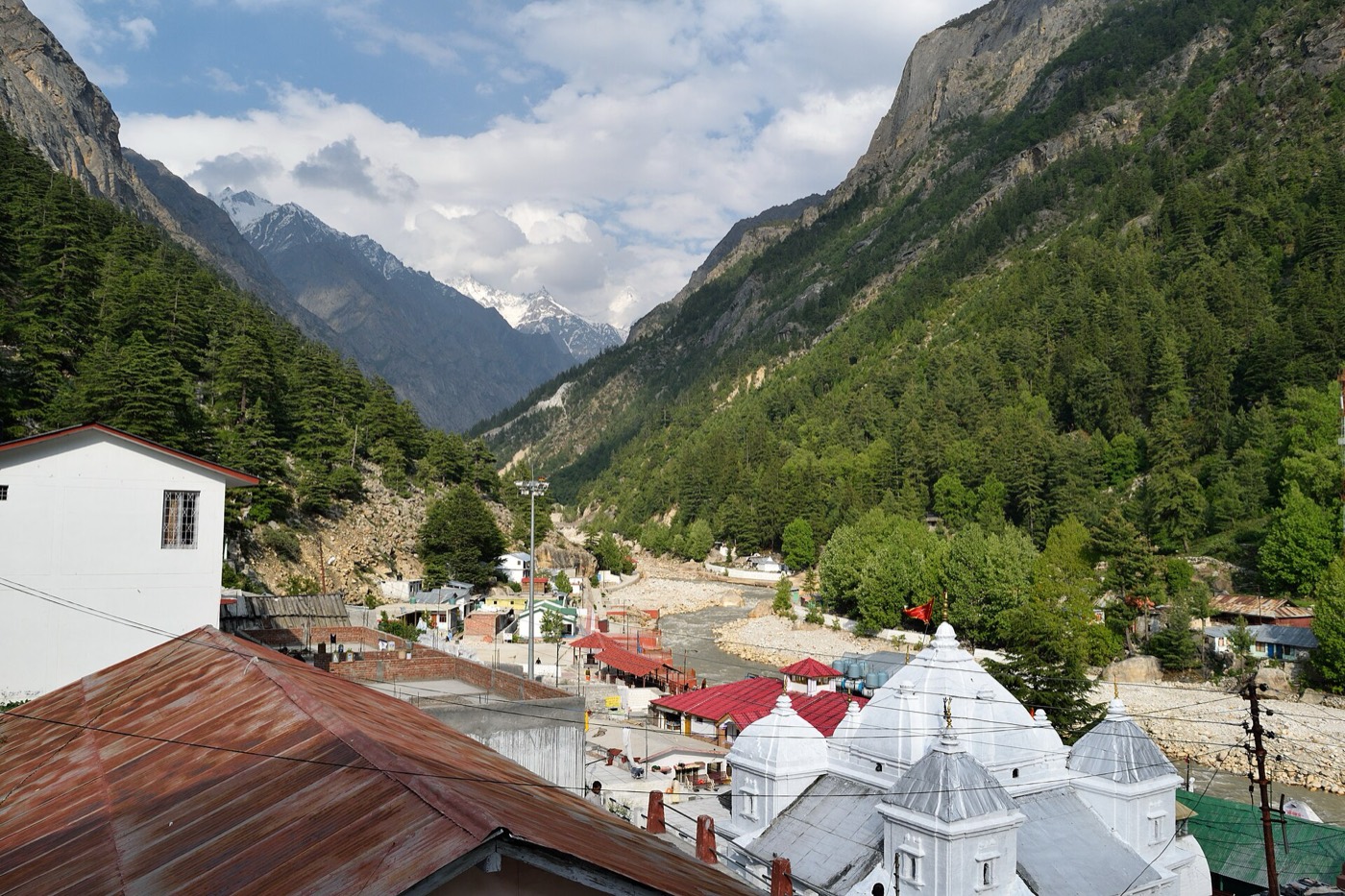
Gangotri
Source-shrine of the Ganga and third seat of the Chota Char Dham
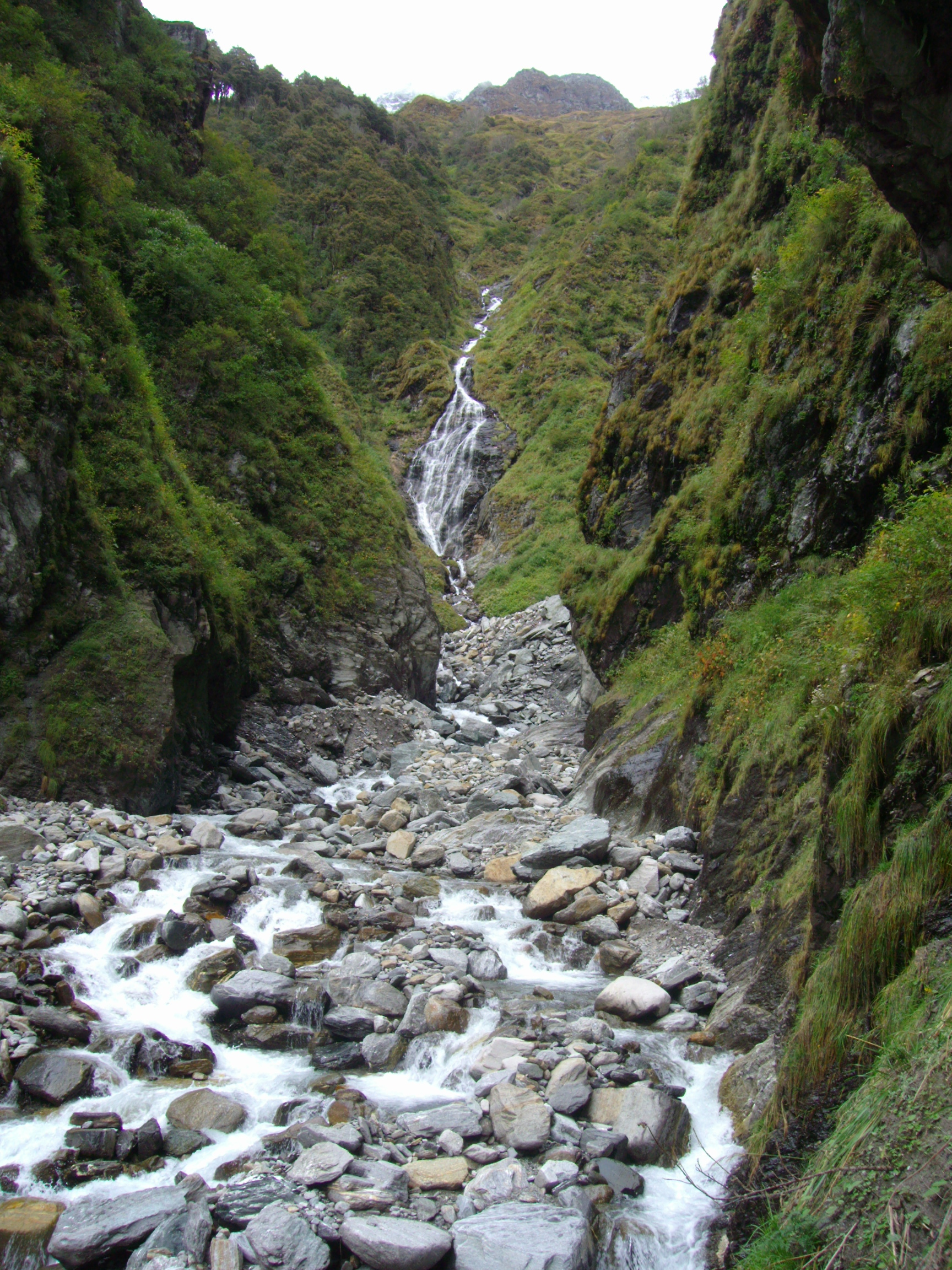
Yamunotri
Yamuna's source shrine, the fourth Chota Char Dham seat, usually the yatra's starting point
Read the full Nearby Temples & Tirths →
Where to stay
Most pilgrims stay right in Badrinath town within walking distance of the temple. Government GMVN properties (Tourist Rest House near the bus stand, Yatri Niwas with dormitories and hot water) are the trusted budget-to-mid option; numerous private hotels, dharamshalas and ashrams cluster along the Alaknanda. Joshimath, approx 45 km down-valley, is the practical fallback with more hotels, fuel and ATMs, useful when Badrinath fills up during peak festival days. Rooms are basic at altitude; book ahead in May-June and September, and expect cold nights year-round.
Frequently asked questions
Badrinath temple timings today
nearest railway station to Badrinath
is Badrinath open in December
Badrinath opening date 2026
do I need registration for Badrinath darshan
Compiled from public sources including Euttaranchal: Badrinath opening/closing dates and how to reach · StayVista: Badrinath Yatra 2026 complete guide (timings, registration) · SacredYatra: Badrinath puja rates and festivals · Shrineyatra: Badrinath temple history, timings, festivals. Timings and seasonal closures change; confirm with the temple trust before travelling.