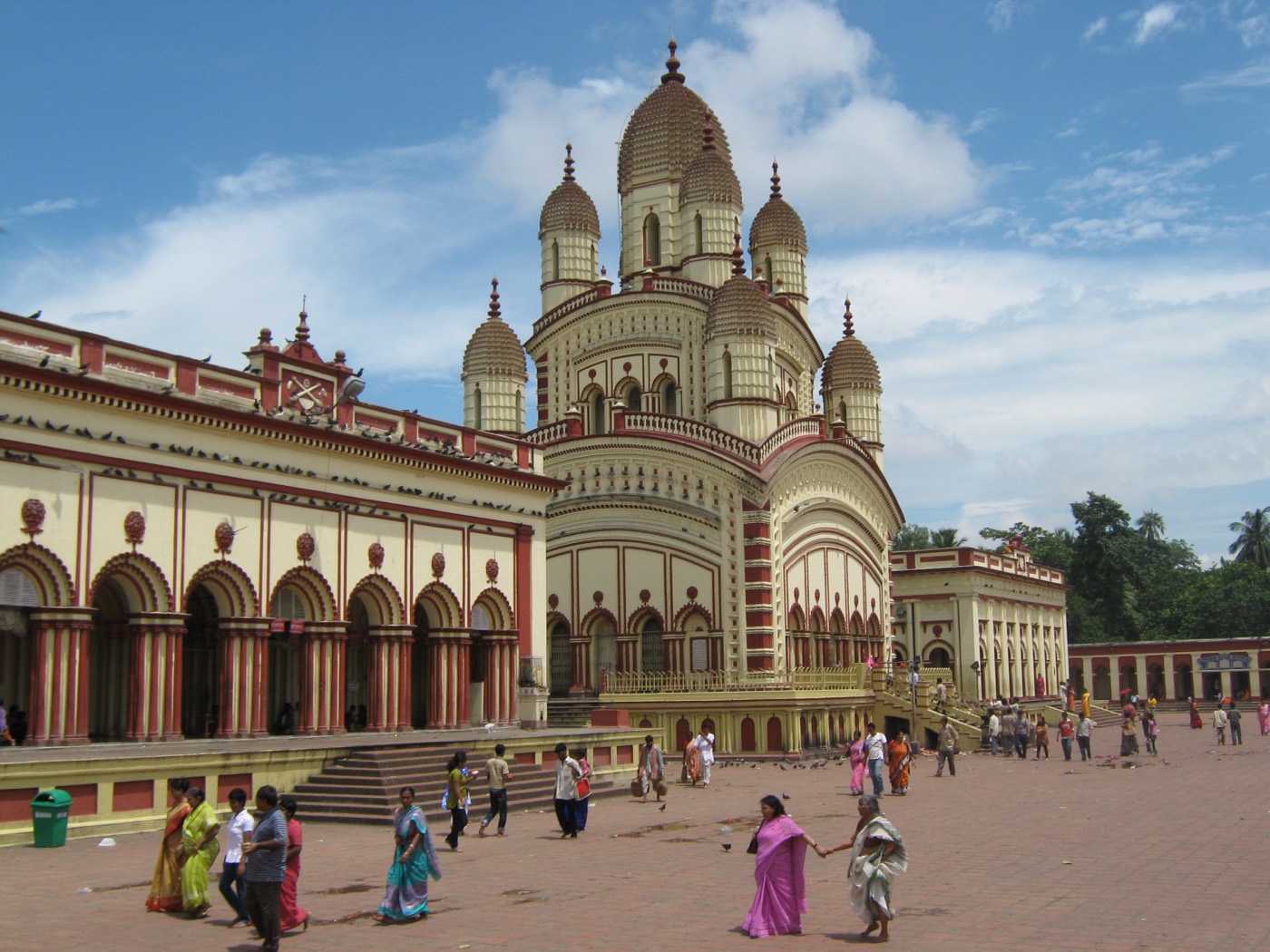
Darshan timings at Dakshineswar Kali
| Season | Opens | Darshan | Closes | Status |
|---|---|---|---|---|
| Summer (approx Mar-Sep) | 5:30 AM | 5:30 AM-11:30 AM, then 3:30 PM-9:00 PM | 9:00 PM | Open |
| Winter (approx Oct-Feb) | 6:00 AM | 6:00 AM-12:30 PM, then 3:00 PM-8:30 PM | 8:30 PM | Open |
Read the full Timings & Darshan Hours →
How to reach Dakshineswar Kali Temple
Dakshineswar sits on the northern edge of the Kolkata metropolitan area in North 24 Parganas, directly beside the Hooghly. It is unusually easy to reach because both the Kolkata Metro and the suburban rail terminate almost at the temple gate.
| Mode | Point | Distance | Notes |
|---|---|---|---|
| Metro | Dakshineswar Metro (Blue Line terminus) | approx 0.5 km | The most reliable option from central Kolkata; the line's northern terminus, then a short signposted walk to the gate. |
| Train | Dakshineswar railway station (Sealdah-Dankuni line) | approx 0.5-0.7 km | Local EMU trains from Sealdah take roughly 30-40 minutes; the station is walking distance from the temple. |
| Air | Netaji Subhas Chandra Bose International Airport | approx 9-14 km (by road) | Kolkata's main airport; a taxi or app cab takes about 30-45 minutes depending on traffic. |
| Road | Central Kolkata (Esplanade/BBD Bagh) | approx 16-20 km via BT Road | Buses, taxis and app cabs run up BT Road; you can also cross the Vivekananda Setu / Nivedita Setu from the Belur-Bally side. |
Puja & aarti schedule
- Mangal Aarti, the pre-dawn awakening of the goddess4:00 AM (summer) / 5:00 AM (winter)
- Snan, shringar and the first darshan of Bhavatarini for the dayMorning after Mangal Aarti
- Bhog Aarti and mid-day offering; the temple then closes for the midday breakApprox 12:00 PM
- Cooked bhog (khichuri prasad) distribution for coupon holders; coupons booked before 9:30 AMApprox 11:45 AM onward
- Sandhya Aarti, the evening lamp offering, the most atmospheric time to visit7:00 PM (summer) / 6:30 PM (winter)
Read the full Aarti & Puja Schedule →
Dress code & temple rules
Dress modestly with shoulders and knees covered; traditional Indian wear (saree, salwar kameez for women; kurta-pyjama or dhoti for men) is preferred over Western clothing.
Avoid shorts, short skirts, sleeveless tops and, ideally, jeans and T-shirts inside the sanctum area.
Footwear must be removed before entering the temple; leave shoes at the designated stalls or counters outside.
Photography is generally not allowed inside the main sanctum (garbhagriha); follow the posted signs and priests' instructions.
Leather items are best left outside; carry minimal belongings as bags face security checks and cloakroom limits.
Join the correct queue line; step aside quickly after darshan as crowds move fast, especially on Tuesdays, Saturdays and Amavasya.
Read the full Dress Code & Temple Rules →
Best time to visit & festivals
Dakshineswar is a year-round shrine, but the cool, dry months from October to February are the most comfortable for the riverside walk and long queues. The temple is busiest and most electric around Kali Puja and the Bengali New Year; visit on a weekday morning if you want a calmer darshan.
| Festival | When | Significance |
|---|---|---|
| Kali Puja (Deepanwita) | Amavasya of Kartik (Oct-Nov, on Diwali night) | The temple's grandest night, when Bhavatarini is worshipped through the dark hours with special puja, lamps and huge crowds. Peak |
| Snana Yatra / Foundation Day | Jyeshtha full moon (late May-June) | Marks the anniversary of the deity's installation on 31 May 1855; the day the temple was consecrated. |
| Durga Puja | Ashwin (Sep-Oct) | Bengal's largest festival; the whole Dakshineswar-Kolkata region turns devotional and festive. Peak |
| Kalpataru Utsav | 1 January | Commemorates the day Sri Ramakrishna, in a state of bliss, blessed devotees; observed across Ramakrishna sites. |
| Phalaharini Kali Puja | Amavasya of Jyeshtha (May-June) | The night Ramakrishna is traditionally said to have worshipped Sarada Devi as the Goddess; specially observed here. |
Read the full Best Time to Visit & Festivals →
Nearby temples & tirths
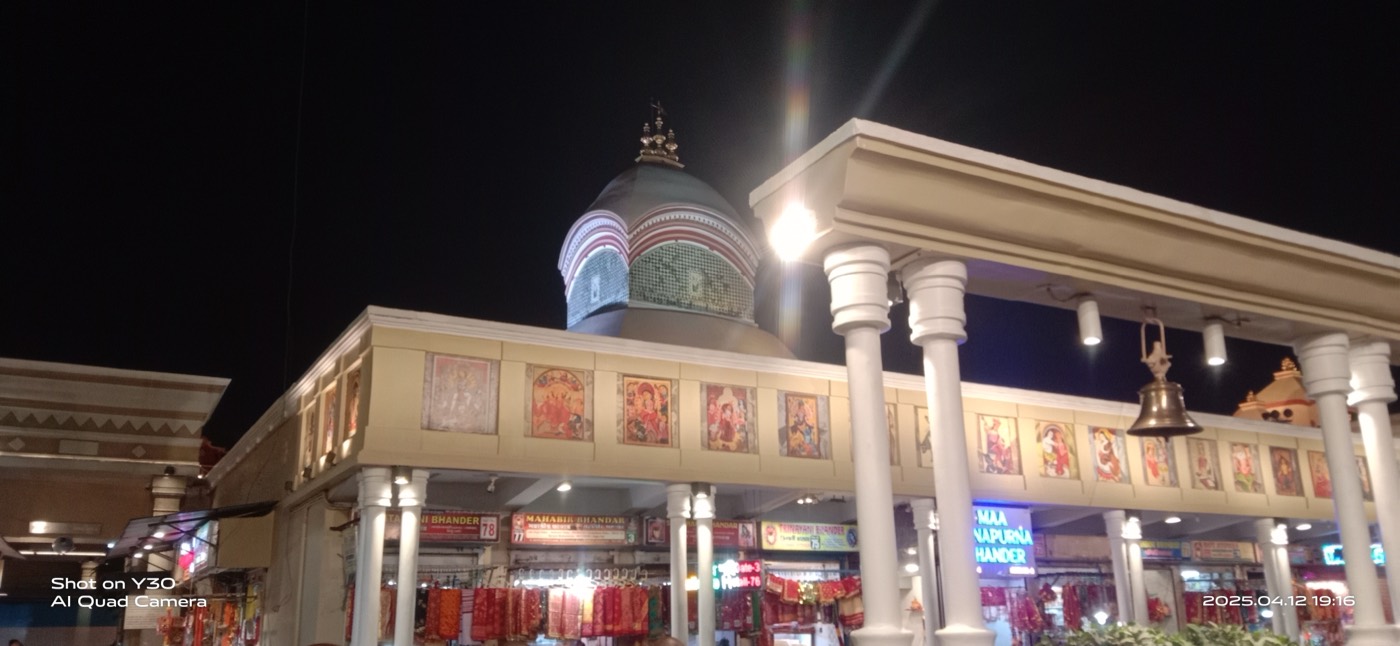
Kalighat Kali Temple
The other great Kali Shakti Peeth of Kolkata, in the city's south, where a toe of Sati is said to have fallen.
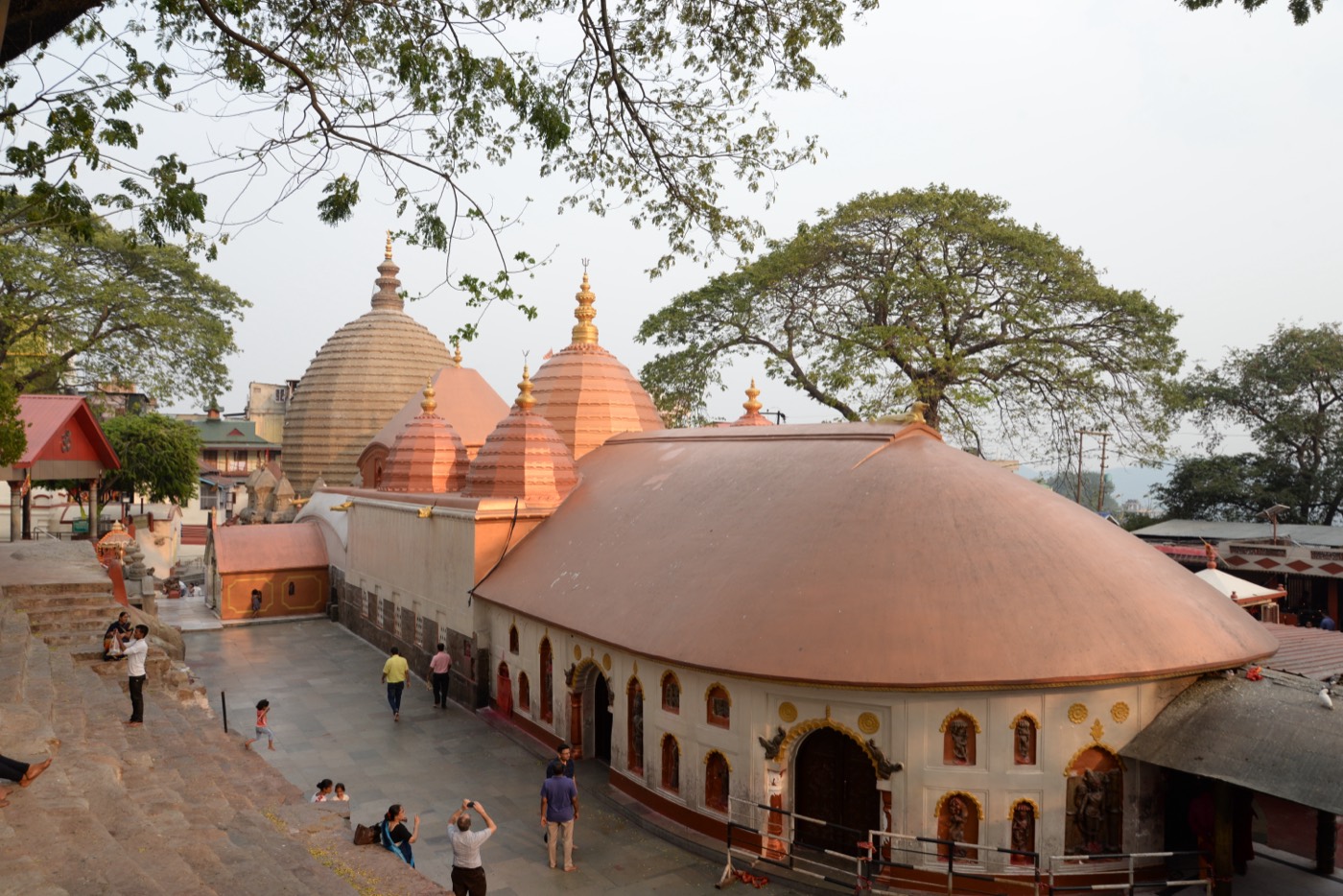
Kamakhya Temple
The supreme Shakti Peeth of the east, atop Nilachal Hill in Assam, a natural next pilgrimage for Kali devotees.
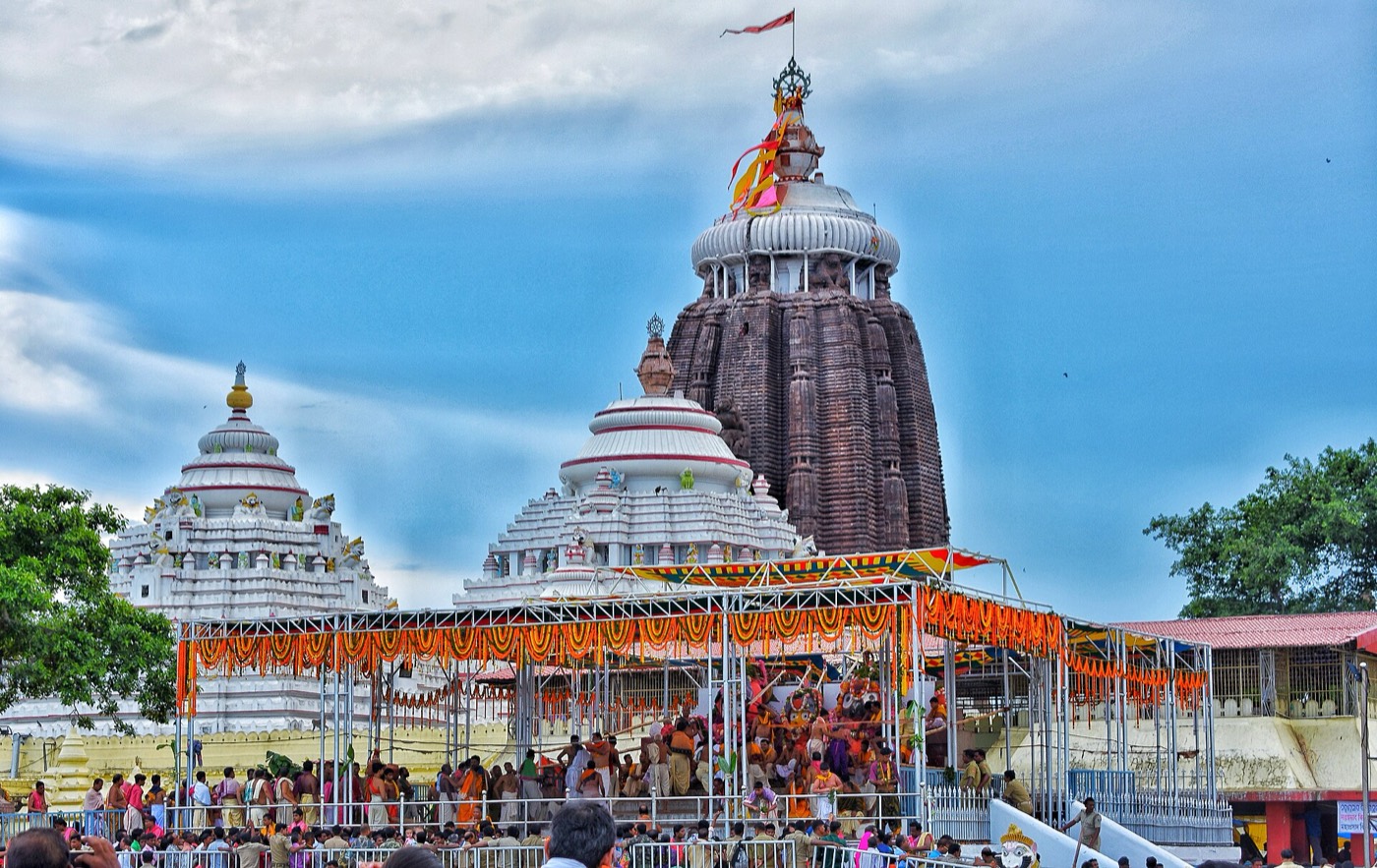
Jagannath Temple, Puri
One of the Char Dham, home of Lord Jagannath and the Rath Yatra, on the Odisha coast.
Read the full Nearby Temples & Tirths →
Where to stay
Most pilgrims day-trip from Kolkata, but there is a well-kept temple guest house on the grounds for devotees (advance booking advised, especially on weekends and festivals). Budget lodges sit within about 1.5 km of the gate with basic rooms from around Rs 800, and mid-range hotels such as those approximately 3 km away run roughly Rs 3,000-5,000 a night. Serious spiritual visitors often stay across the river near Belur Math, combining both shrines; central Kolkata hotels around BBD Bagh, Esplanade and the airport belt are all within an easy metro or cab ride.
Frequently asked questions
Dakshineswar Kali Temple timings today
nearest station to Dakshineswar Kali Temple
is Dakshineswar Kali Temple open in the afternoon
Dakshineswar Kali Temple entry fee and bhog booking
how to reach Dakshineswar Kali Temple from Kolkata airport
Compiled from public sources including Wikipedia: Dakshineswar Kali Temple · Encyclopaedia Britannica: Dakshineswar Kali Temple · Dakshineswar Kali Temple official website · West Bengal Tourism: Dakshineswar. Timings and seasonal closures change; confirm with the temple trust before travelling.