The Hindu month of Ashwin, which straddles September and October, carries the densest festival cluster of the temple year. Sharad Navratri, Dussehra and Durga Puja all sit inside it, and Kali Puja arrives on the Kartik new moon soon after. Because these are lunar festivals, their dates move every year, so this guide gives windows rather than fixed dates. Check the current year's calendar before you book anything.
October also marks the turn in the weather. Every temple covered here lists a comfortable visiting season that begins this month, whether it runs to February or to March, and the October to November shoulder is widely considered the most comfortable window for the Vaishno Devi climb. The month rewards planning, though, because the same festivals that make it special also bring the year's biggest crowds.
A note on method. Every timing, distance and fee here comes from the individual temple pages linked throughout, which carry their own sourcing and caveats. Where a figure is approximate, we say so rather than print a false precision.
Why October, specifically
Navratri is the spine of the month. The nine nights of Sharad Navratri fall in the September to October window, and every temple in this guide treats them as either its biggest festival or one of its biggest. Dussehra, or Vijayadashami, closes the count. Bengal runs on a parallel track: Durga Puja in Ashwin, then Kali Puja on the new moon of Kartik, which lands in October or November, on Diwali night.
The catch is that festival electricity and comfortable darshan rarely coexist. If your priority is a quiet sanctum rather than a spectacle, come after the nine nights have passed, when the weather is at its best and the rush eases. If the festival is the point, book everything early and accept the queues as part of the pilgrimage.
The October festival map
The table below collects the festival windows that touch October at the seven featured shrines. Windows, not dates: all of these follow the lunar calendar and move by weeks from one year to the next. Treat the table as a shortlist, then confirm the current year's dates before booking trains or rooms.
Two patterns stand out. Navratri touches every temple on the list in some form, and Bengal's Kali festivals continue past it, so the goddess season runs deep into the following month.
| Temple | Festival | Window | What to expect |
|---|---|---|---|
| Chamundeshwari, Mysuru | Navaratri / Mysuru Dasara | September to October (Ashwina) | Goddess decorated in nine forms over nine nights; royal jewels; links to the Jamboo Savari procession |
| Vaishno Devi | Sharad Navratri | September to October | The single biggest draw of the year; expect the longest darshan queues |
| Ambaji | Navratri | September to October (Ashwin) | Nine nights of garba, music and heavy footfall at the Shakti Peeth |
| Pavagadh Mahakali | Sharad Navratri | September to October | The grandest festival; night-long darshan, shrine open 24 hours on peak nights |
| Tulja Bhavani, Tuljapur | Sharadiya Navratri and Dussehra | Ashwin (September to October) | Nine nights culminating in Vijayadashami; the largest crowds of the year |
| Kalighat | Durga Puja | September or October (Ashwin) | Kolkata's signature festival spills over with heavy footfall |
| Kalighat and Dakshineswar | Kali Puja / Diwali | October or November (Amavasya of Kartik) | The grandest night; worship through the dark hours, darshan hours extended |
| Dakshineswar | Durga Puja | Ashwin (September to October) | The whole Dakshineswar and Kolkata region turns devotional and festive |
Chamundeshwari and Mysuru Dasara
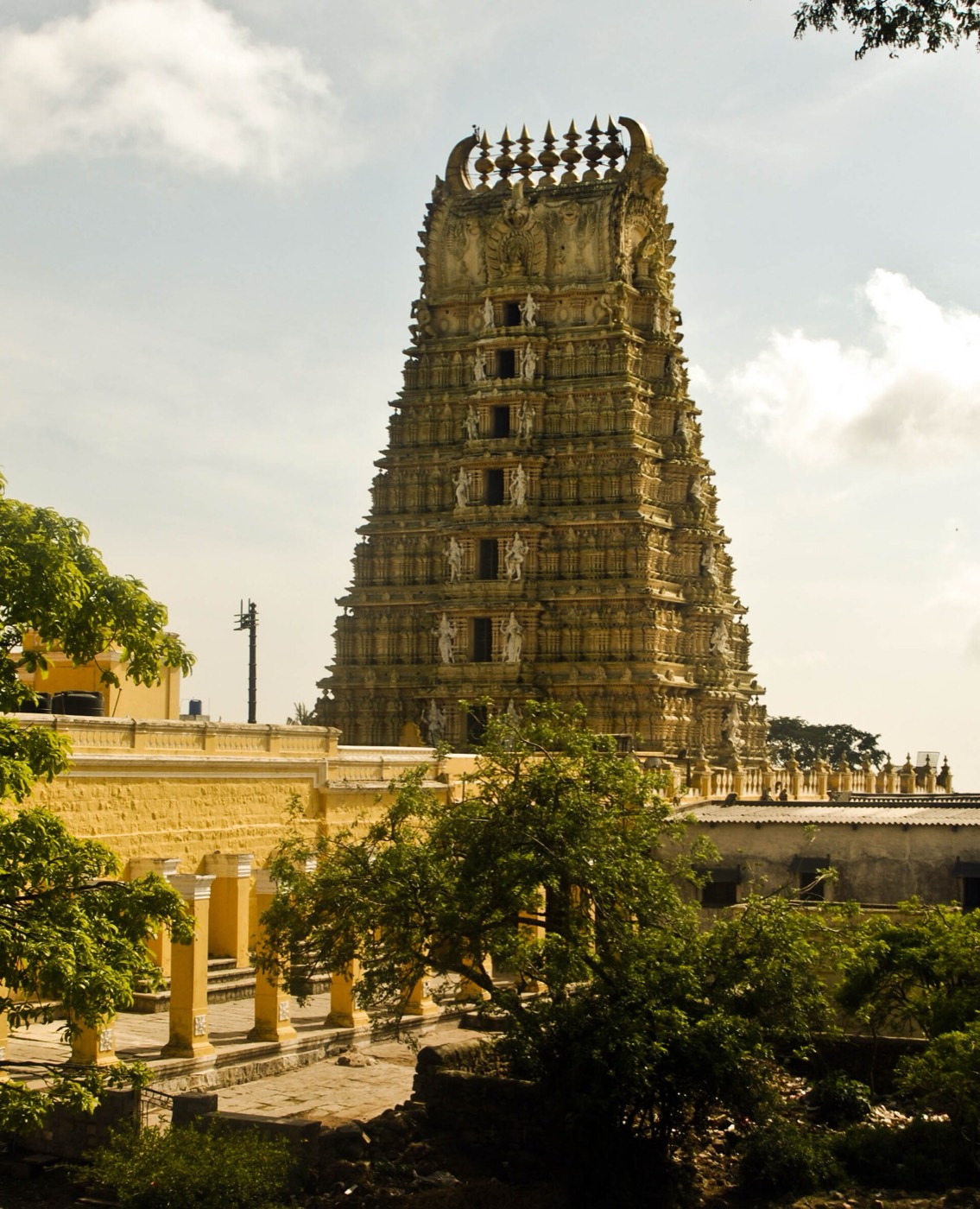
Chamundeshwari sits at roughly 3,300 feet on Chamundi Hills above Mysuru, counted among the eighteen Maha Shakti Peethas. During Navaratri the temple becomes the living centre of Mysuru Dasara, the state festival of Karnataka. The goddess is decorated in nine forms over nine nights, royal jewels adorn the idol, and the celebration links directly to the Jamboo Savari procession in the city below. Darshan hours are extended through the festival, and so are the queues.
The classic approach is the flight of 1,000 stone steps built in 1659, past the giant monolithic Nandi installed at around step 700. Many pilgrims walk up and take the bus down. If you would rather ride, the 13 km ghat road runs from the city to the temple door, with frequent KSRTC buses. On regular days the reported darshan pattern is approx 7:30 AM to 2:00 PM, 3:30 to 6:00 PM and 7:30 to 9:00 PM, though the exact minutes are not always published, so confirm on the day.
Base yourself in Mysuru city, 13 km below the hill, and treat rooms as the real constraint: during Dasara they fill and rates spike weeks ahead. Bengaluru is approx 145 to 150 km away, roughly 3 to 3.5 hours by road. A paid quick darshan ticket exists for busy days; the price is approximate, so confirm at the counter.
Kolkata's Kali temples in Puja season
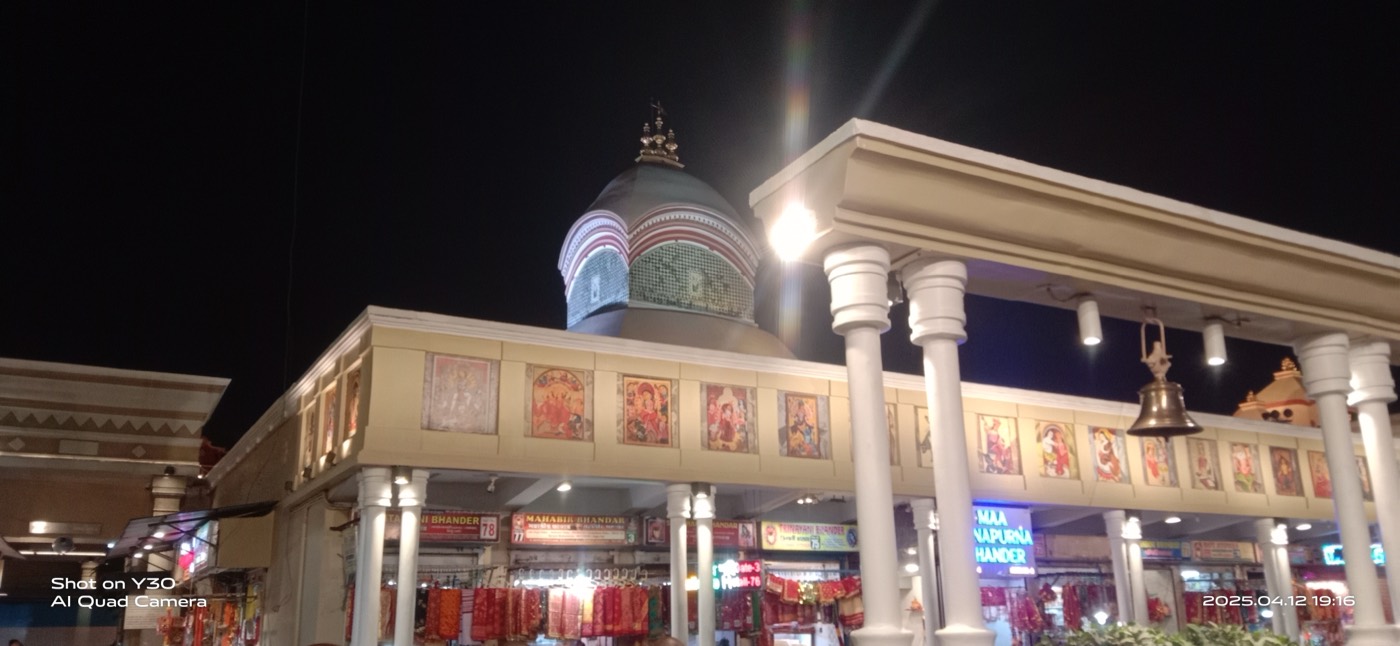
October in Kolkata means Durga Puja in Ashwin, then Kali Puja on the Kartik new moon, which falls in October or November on Diwali night. Kalighat is the Shakti Peeth where the right toes of Sati are said to have fallen, the temple that gave the city its name. The black stone face of Kali, with three large golden eyes and a protruding golden tongue, draws a heavy stream of pilgrims through both festivals, and on Kali Puja the worship runs through the night, with darshan hours extended, sometimes round the clock.
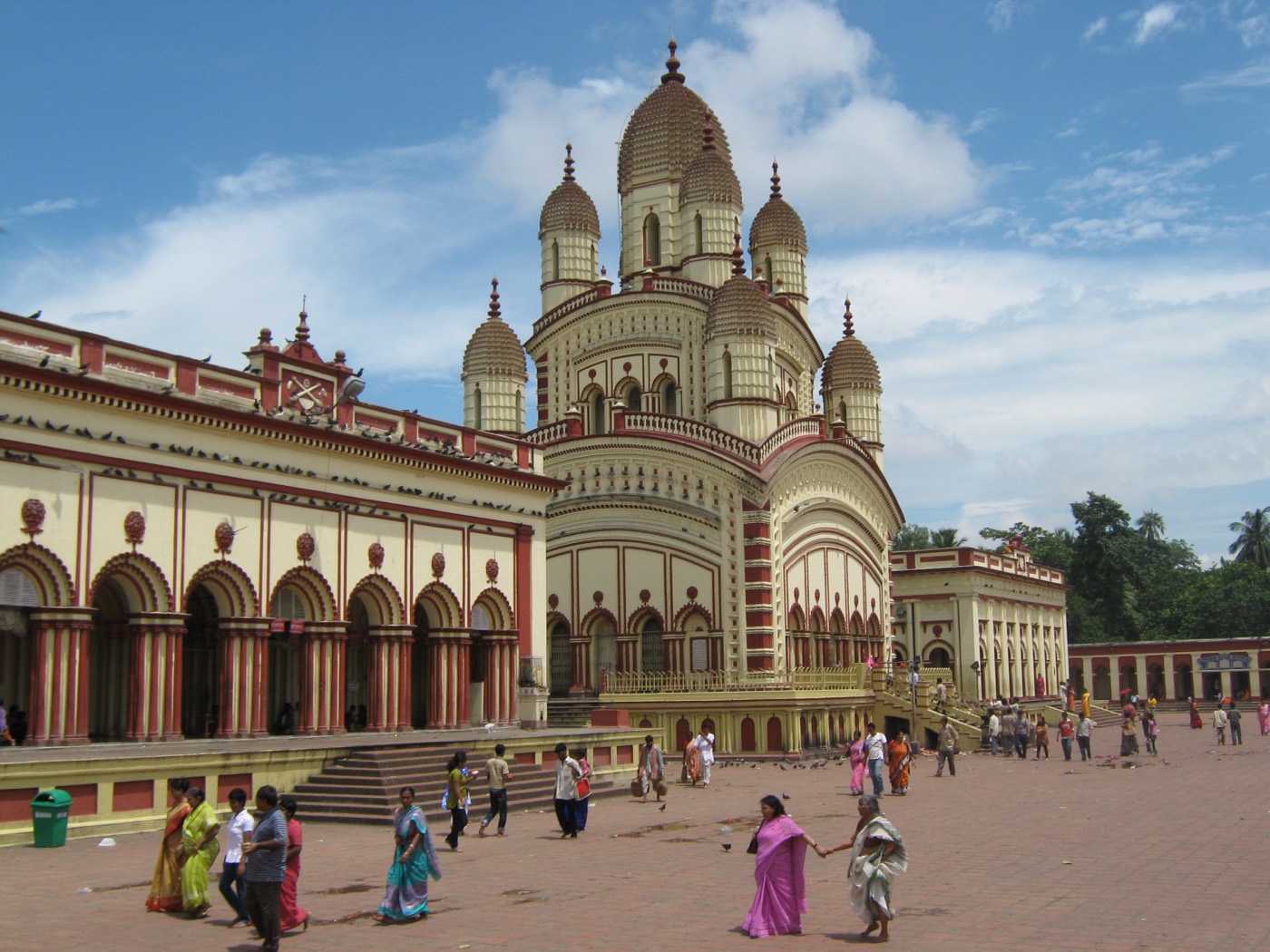
Dakshineswar, on the Hooghly at the city's northern edge, is the nine-spired temple of Bhavatarini raised by Rani Rashmoni in 1855, where Sri Ramakrishna served as priest for roughly three decades. Twelve identical Shiva shrines line the riverfront, and a ferry crosses to Belur Math. October sits right at the temple's seasonal timing switch: the winter pattern of approx 6:00 AM to 12:30 PM and 3:00 to 8:30 PM notionally begins now, but the exact switch dates are not published, so confirm on the day.
The practical advantage is that the same Blue Line of the Kolkata Metro serves both temples, with Kalighat station approx 0.5 km from one and the Dakshineswar terminus approx 0.5 to 0.7 km from the other. Two honest cautions for Kalighat: use the official counters for any paid seva rather than the touts who offer to fast-track darshan, and be aware that animal sacrifice still occurs at the temple on certain days.
Kalighat Kali Temple
Kolkata, West Bengal
Dakshineswar Kali Temple
North 24 Parganas, West Bengal
Vaishno Devi: the rush, then the calm
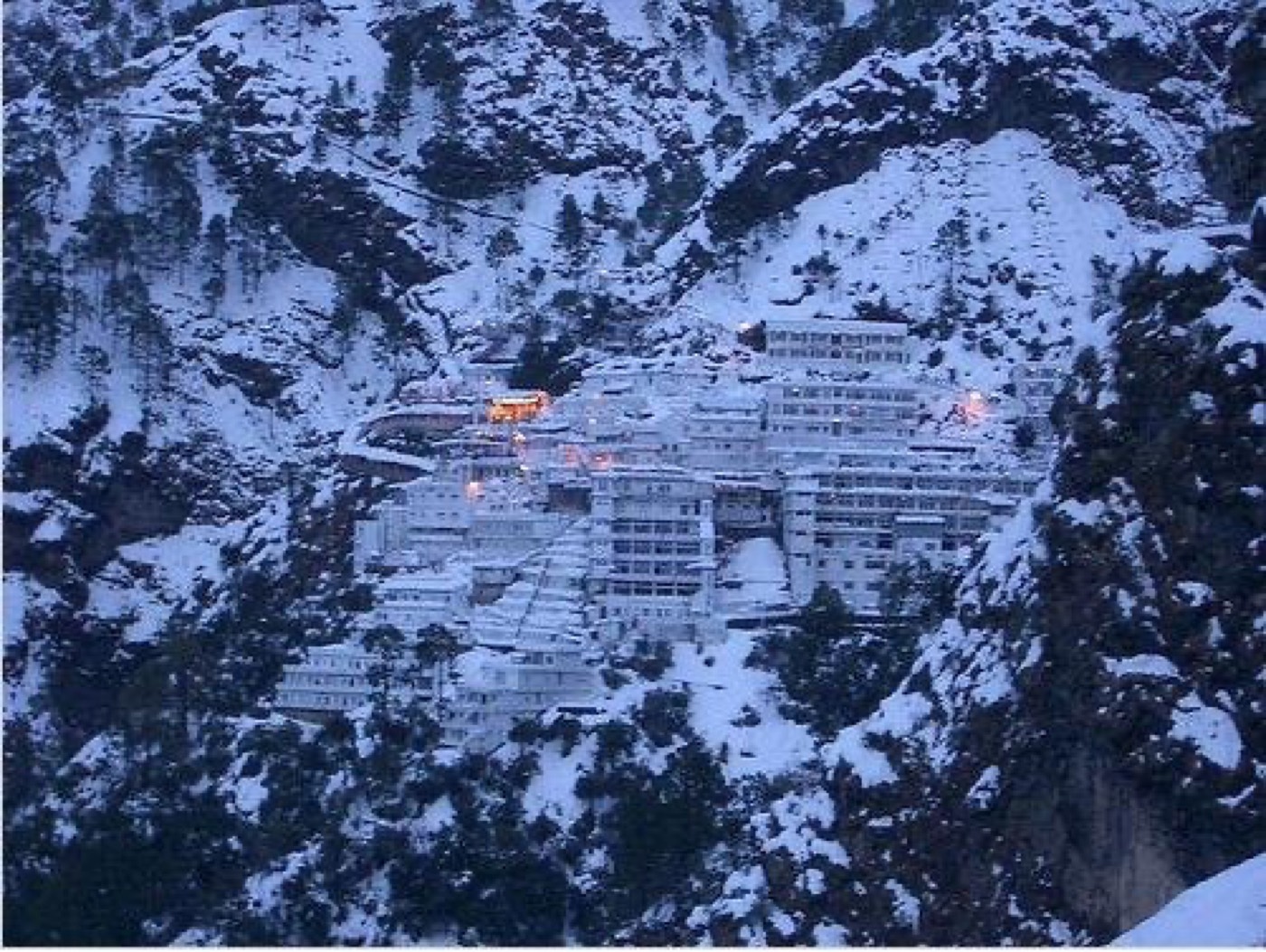
October at Vaishno Devi is really two different months. During Sharad Navratri, in the September to October window, the shrine sees the single biggest draw of its year and its longest darshan queues, with waits that can stretch to several hours. Then comes the reward: the October to November shoulder, with cool, clear weather, widely considered the most comfortable time of the year to make the climb.
The mechanics are unusual. Darshan at the Bhawan runs day and night with no midday closure; the only pauses are the two aarti windows, approx 6:20 to 8:00 AM in the morning and approx 7:20 to 8:30 PM in the evening during the warmer months, shifting earlier as winter sets in. The climb from Katra is approx 13 km on a paved path past Banganga, Charan Paduka, Ardh Kuwari, Himkoti and Sanjichhat, with ponies and palkis for hire at Banganga and a helicopter option to Sanjichhat. Many pilgrims simply walk through the cooler night.
Two things are non-negotiable. The free Yatra Parchi registration slip is mandatory and checked at every checkpoint, so register online or at the Katra counters before you start, and single-use plastic is banned in Katra and on the track. Katra has its own railway station, SVDK, approx 2 km from the registration area, with direct trains from Delhi including a Vande Bharat. Shrine Board rooms exist at Ardh Kuwari, Sanjichhat and the Bhawan itself, but they are limited and sell out fast around Navratri.
Garba country: Gujarat and Maharashtra
Gujarat treats Navratri as a season rather than a festival, and its great Devi shrines carry the load. Ambaji, one of the 51 Shakti Peethas, keeps no idol at its heart: the goddess is worshipped as the Shree Visa Yantra, a sacred diagram no devotee may photograph or view with the naked eye. The temple runs three darshan sessions daily, 7:00 to 11:30 AM, 12:30 to 4:30 PM and 6:30 to 9:00 PM, and the Ashwin Navratri window brings garba, music and heavy footfall.
Ambaji also pairs well with a wider trip. Abu Road, the nearest railhead, is approx 20 to 22 km away, Mount Abu is around 45 km, and Ahmedabad is approx 185 km, a drive of roughly four to five hours. Gabbar hill, the goddess's original seat 5 km from the temple, has a 999-step climb with a ropeway alternative. Trust and community dharamshalas quote roughly Rs 500 to Rs 2,000 a night, though tariffs shift with season, so verify at booking.
Pavagadh stacks pilgrimage on heritage: the Kalika Mata temple stands near the 800-metre summit of Pavagadh hill, inside the UNESCO-listed Champaner-Pavagadh Archaeological Park. The usual route is road to Machi, a ropeway ride of approx 6 minutes, then a final climb of about 250 steps. Regular darshan runs 6:00 AM to 7:30 PM, and during Navratri the shrine stays open around the clock. In June 2022 a rebuilt shikhara and restored flag ended an absence of over five centuries. Vadodara, approx 45 to 54 km away, is the practical base.
Across the border in Maharashtra, Tulja Bhavani at Tuljapur is one of the state's three-and-a-half Shakti Peethas and the kuldevi of Chhatrapati Shivaji, who in Maratha memory received the Bhavani sword from the goddess herself. The murti is a rare movable one, and the temple observes ritual sleep periods for the goddess when darshan customs change, so check locally before travelling. Navratri here means round-the-clock lines and multi-hour waits, culminating in Vijayadashami. Solapur, approx 45 km away on the Mumbai to Hyderabad line, is the sensible railhead, and Pandharpur sits approx 105 km away for anyone extending the circuit. Gujarati tradition pairs Ambaji and Pavagadh with Bahucharaji as the state's three great Devi shrines.
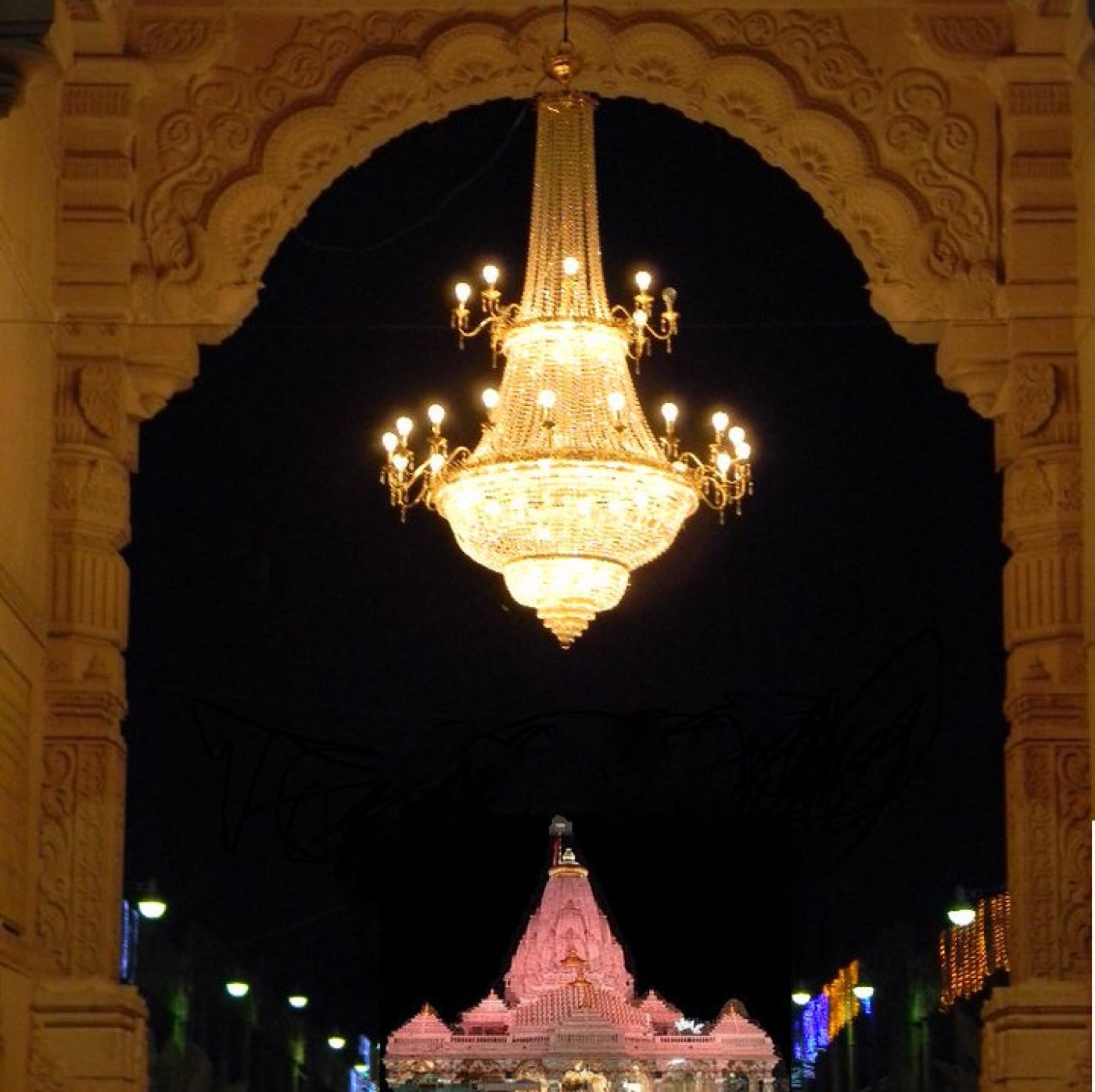
Ambaji Temple
Banaskantha, Gujarat
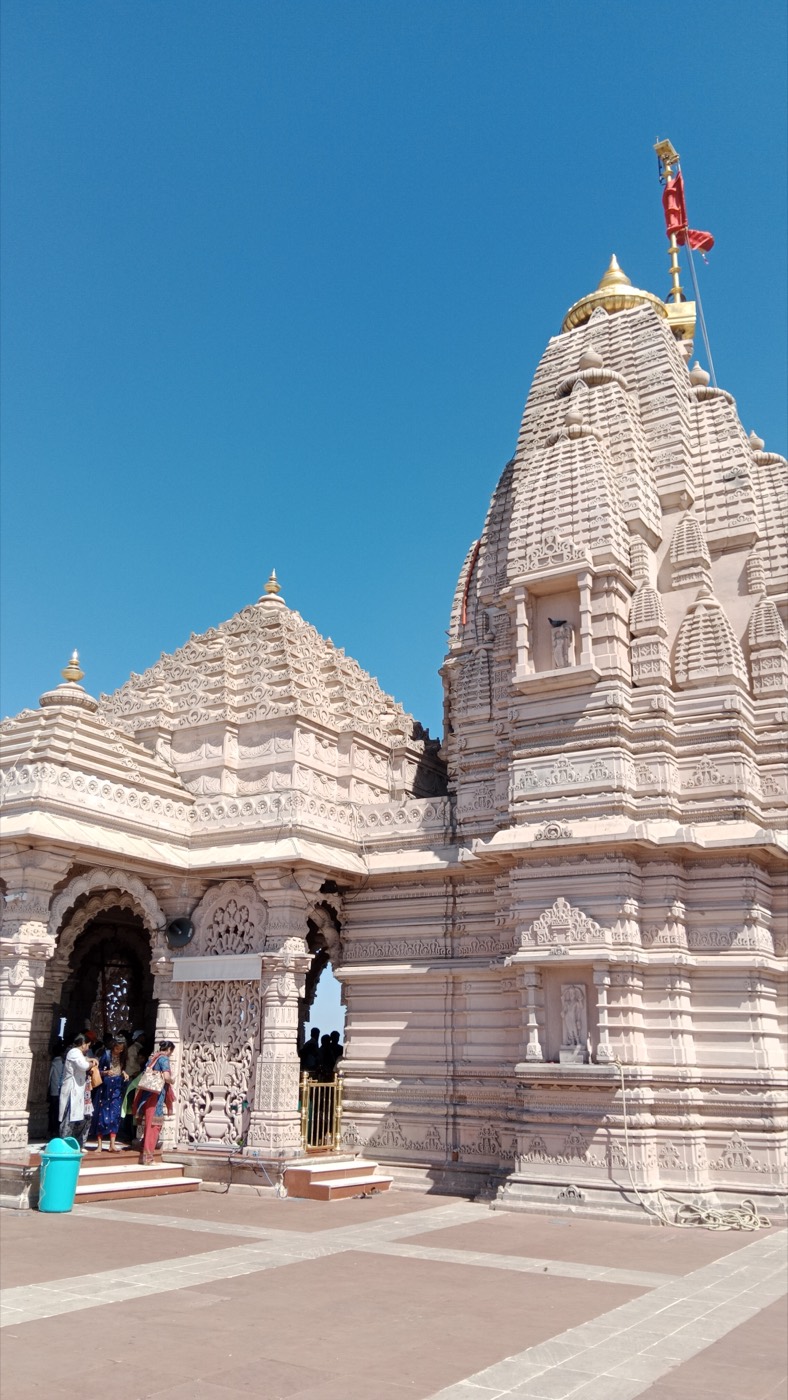
Pavagadh Mahakali Temple (Kalika Mata, Pavagadh)
Panchmahal, Gujarat
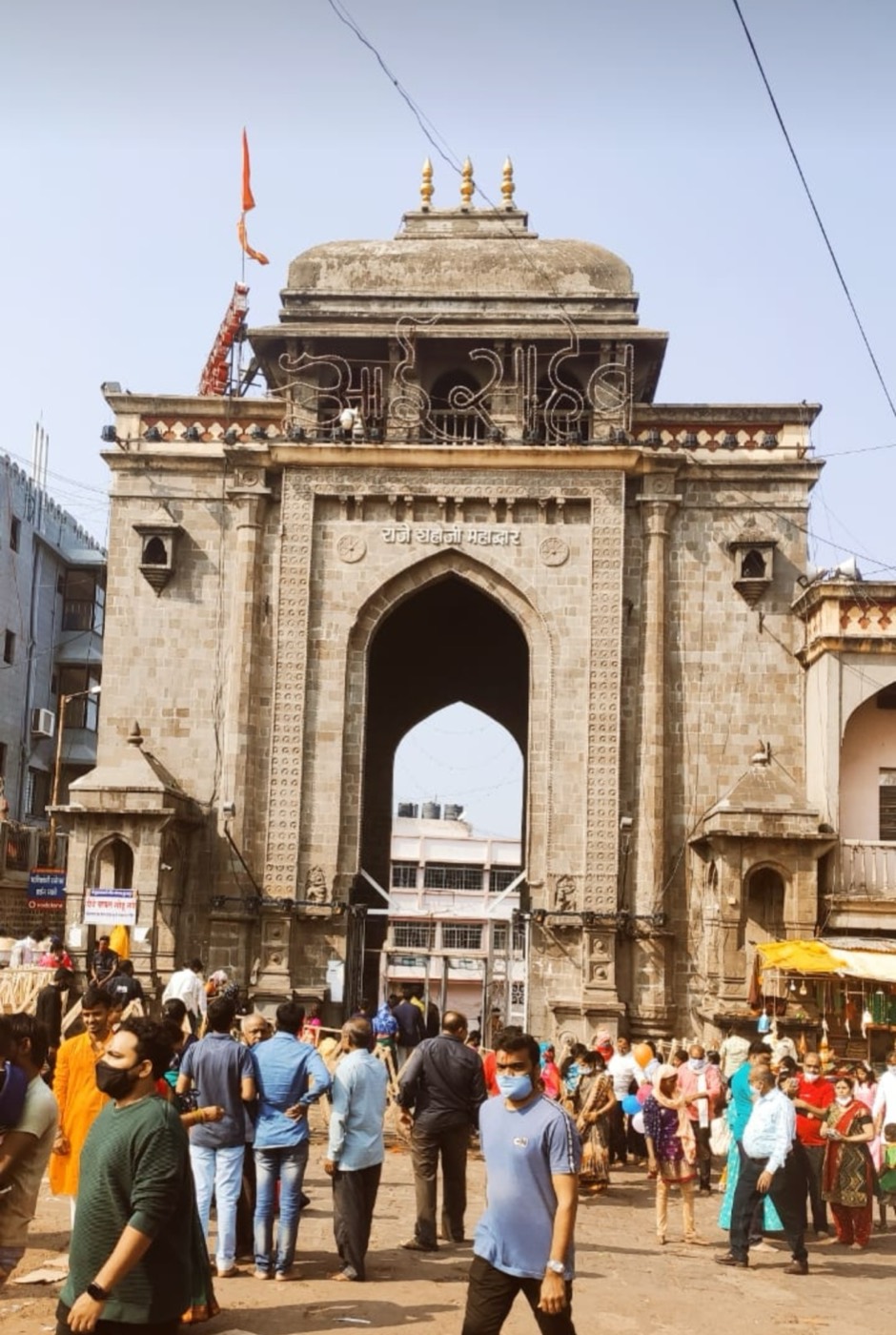
Tulja Bhavani Temple, Tuljapur
Dharashiv (formerly Osmanabad), Maharashtra
The practical planner
Nearly every figure below carries an approx for a reason: hill roads, seasonal switches and festival extensions all move the numbers. Use the table to sketch the trip, then open the linked temple pages for the full detail on each shrine.
| Temple | State | Darshan pattern (approx) | Nearest railhead | Access |
|---|---|---|---|---|
| Chamundeshwari | Karnataka | 7:30 AM to 2:00 PM, 3:30 to 6:00 PM, 7:30 to 9:00 PM | Mysuru Junction, approx 13 km | Ghat road to the top, or 1,000 stone steps |
| Vaishno Devi | Jammu and Kashmir | Day and night, paused only for the two aartis | SVDK Katra, in the base town | Approx 13 km trek from Katra; pony, palki and helicopter options |
| Ambaji | Gujarat | 7:00 AM to 9:00 PM in three sessions | Abu Road, approx 20 to 22 km | Town temple; Gabbar hill nearby has 999 steps and a ropeway |
| Kalighat | West Bengal | 5:00 AM to 2:00 PM, then 5:00 to 10:30 PM | Kalighat Metro, approx 0.5 km | Short walk through the market lanes |
| Dakshineswar | West Bengal | Winter pattern approx 6:00 AM to 12:30 PM, then 3:00 to 8:30 PM | Dakshineswar metro and rail, approx 0.5 to 0.7 km | Level riverside complex |
| Pavagadh Mahakali | Gujarat | 6:00 AM to 7:30 PM; 24 hours during Navratri | Champaner Road Junction, approx 13 km | Ropeway from Machi (approx 6 minutes), then approx 250 steps |
| Tulja Bhavani | Maharashtra | Approx 5:00 AM to 9:00 PM | Dharashiv approx 25 km; Solapur approx 45 km | Road from Solapur or Dharashiv; temple in town |
Midday breaks and aarti pauses
The single most common October mistake is arriving at a closed sanctum in the early afternoon. Most of these temples shut for bhog and rituals in the middle of the day, and the windows differ enough to wreck a two-temple day if you guess. The exceptions run the other way: Vaishno Devi never closes for a midday break, and Pavagadh's trust lists one continuous daytime window.
| Temple | Closed window | Detail |
|---|---|---|
| Chamundeshwari | 2:00 to 3:30 PM; no session 6:00 to 7:30 PM | Sanctum shut over the early afternoon in the reported three-session pattern |
| Ambaji | 11:30 AM to 12:30 PM and 4:30 to 6:30 PM | Deity bathed, dressed and offered bhog during the two breaks |
| Kalighat | 2:00 to 5:00 PM | Sanctum closed for bhog and cleaning; the key gap to plan around |
| Dakshineswar | Approx 12:30 to 3:00 PM in the winter pattern | Midday bhog puja and priests' rituals; break shifts with the seasonal timings |
| Vaishno Devi | No daily closure | Only the two aarti pauses, roughly an hour and a half to two hours each |
| Pavagadh Mahakali | No published midday break | The trust lists a single 6:00 AM to 7:30 PM darshan window |
| Tulja Bhavani | Short breaks | Brief pauses for aarti and abhishek within the approx 5:00 AM to 9:00 PM day |
Three workable October itineraries
For Dasara, base yourself in Mysuru city for two or three nights. Climb the 1,000 steps early one morning, take the bus back down, and keep a second visit free for the festival evenings when hours extend. Book rooms weeks ahead, because Dasara pricing is real. If you are flying into Bengaluru, allow roughly 3 to 3.5 hours for the approx 145 to 150 km road journey before you even reach the hill.
For the Kali temples, two days in Kolkata is enough. Start at Dakshineswar for the morning session, and if you want the khichuri bhog, book the coupon, approx Rs 50, before 9:30 AM. Cross to Belur Math by ferry, then ride the Blue Line south and take Kalighat in the evening session, which runs 5:00 to 10:30 PM. Avoid Tuesdays, Saturdays and Amavasya if you want a calmer sanctum, or pick exactly those days if you want the temple at full intensity.
For garba country, fly into Ahmedabad. Drive approx 185 km north to Ambaji in time for the evening session, then take the morning session and the Gabbar climb the next day. Head back south toward Pavagadh, approx 150 km from Ahmedabad, staying in Vadodara, approx 45 to 54 km from the hill, and ride the ropeway up early before the queues build. With more time, an onward rail journey via Solapur brings Tuljapur into reach and turns the trip into a proper Devi circuit. And if your October is about the mountain rather than the plains, Vaishno Devi is a trip of its own: rail to SVDK, the approx 13 km climb, darshan, and the descent.
Frequently asked questions
Is October a good time to visit Vaishno Devi?
Which temples have the biggest Navratri celebrations in October?
When is Kali Puja at Kalighat and Dakshineswar?
Can I visit Kalighat and Dakshineswar in one day?
Is Pavagadh temple open 24 hours during Navratri?
How crowded is Tuljapur temple during Navratri in October?
Compiled from our verified temple guides and public sources including Shri Mata Vaishno Devi Shrine Board (official) · Wikipedia: Chamundeshwari Temple · Gujarat Tourism, Pavagadh Hill / Kalika Mata Temple · Kalighat Temple - Wikipedia · Dakshineswar Kali Temple official website. Timings and festival dates shift with the lunar calendar; confirm before you travel.