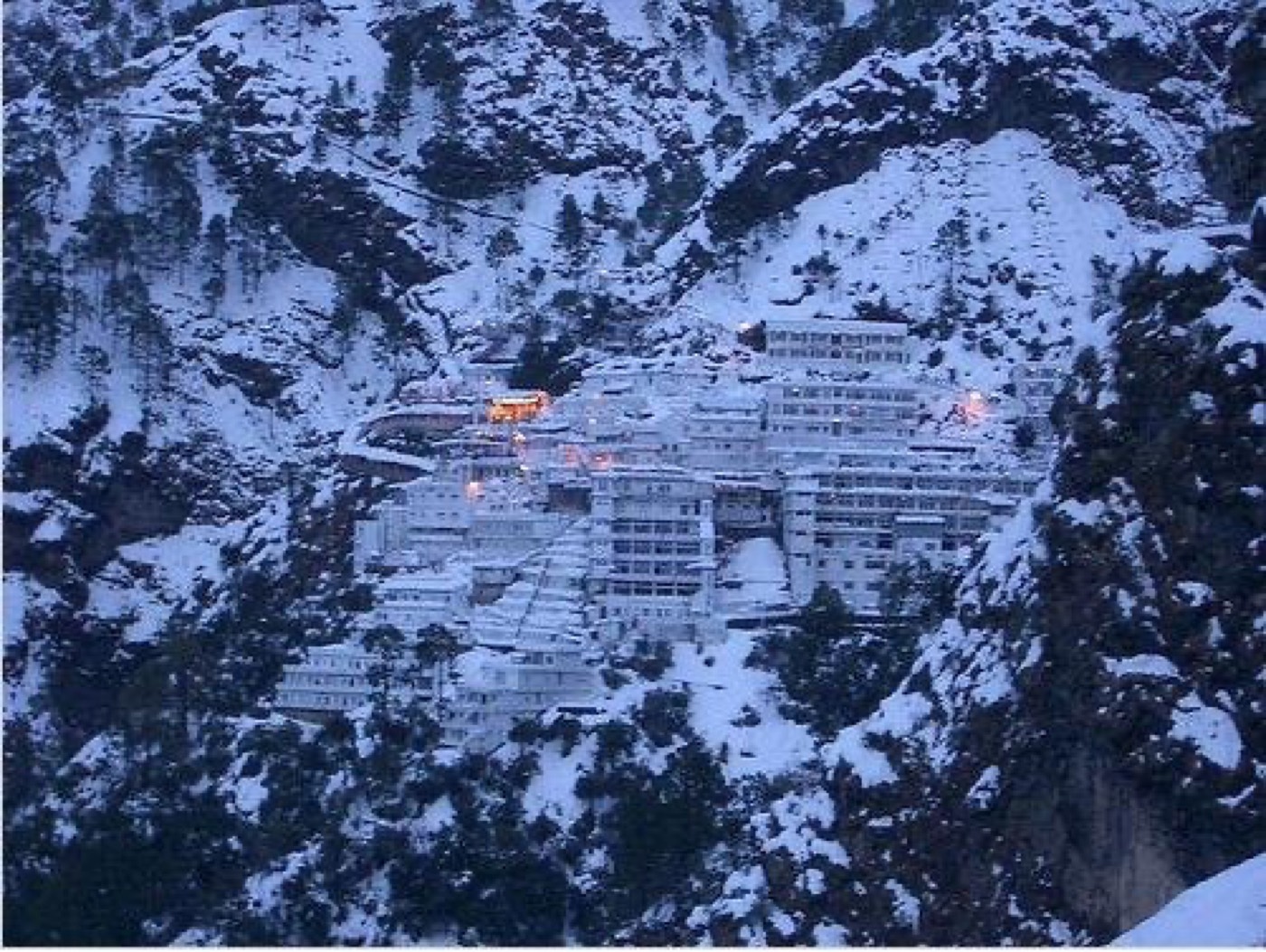
Darshan timings at Shri Mata Vaishno Devi
| Season | Opens | Darshan | Closes | Status |
|---|---|---|---|---|
| Summer (approx April to October) | Darshan runs day and night | Continuous queue darshan except during aarti | No fixed closing; only the aarti pause | Open |
| Winter (approx November to March) | Darshan runs day and night | Continuous, but weather and snow can slow the upper stretch | No fixed closing; only the aarti pause | Open |
| Morning aarti pause | Approx 6:20 AM | Darshan is halted while aarti is performed | Approx 8:00 AM | Open |
| Evening aarti pause | Approx 7:20 PM (summer) / 6:20 PM (winter) | Darshan is halted while aarti is performed | Approx 8:30 PM (summer) / 8:00 PM (winter) | Open |
Read the full Timings & Darshan Hours →
How to reach Shri Mata Vaishno Devi
Everything funnels through Katra, the base town at the foot of the Trikuta hills. You reach Katra by train, air or road, then complete the roughly 13 km climb to the Bhawan on foot, by pony, by palki, by battery car on the newer stretches, or by helicopter to Sanjichhat.
| Mode | Point | Distance | Notes |
|---|---|---|---|
| Train | Shri Mata Vaishno Devi Katra (SVDK) railway station | In Katra town, approx 2 km from the yatra registration area | The most convenient arrival. Katra is a terminal station with direct trains from Delhi, including a Vande Bharat, plus long-distance services from across India. Jammu Tawi is the larger alternative railhead. |
| Air | Jammu Airport (Satwari), Jammu | Approx 48 to 50 km by road from Katra | Nearest airport. Taxis and buses run Jammu to Katra in roughly 1.5 to 2 hours on NH44. Srinagar airport is the other option but is much farther. |
| Road | Katra bus stand from Jammu | Approx 48 km via NH44 | Frequent buses, shared taxis and private cabs from Jammu. Katra is well linked by road to Jammu, Amritsar and the wider highway network. |
| Trek / on shrine | Katra to Bhawan on foot | Approx 13 km one way | The paved path passes Banganga, Charan Paduka, Ardh Kuwari, Himkoti and Sanjichhat before the Bhawan. Ponies and palkis are hired at Banganga; a helicopter runs Katra to Sanjichhat, from where it is a short onward climb or battery-car ride. |
Puja & aarti schedule
- Morning Attka Aarti at the Bhawan. Darshan is paused; devotees who registered report to the Durga Bhawan reception about 30 minutes before it begins.Approx 6:20 AM to 8:00 AM
- Evening Attka Aarti at the Bhawan, timed to sunset. In winter it shifts earlier, to roughly 6:20 PM to 8:00 PM.Approx 7:20 PM to 8:30 PM (summer)
- Inside the cave the priests perform Aatam Pujan (self-purification) and Panchamrit puja, bathing the pindis, then dressing the Goddess in chola, chunri and ornaments before the aarti is offered outside for the waiting yatris.During each aarti
Read the full Aarti & Puja Schedule →
Dress code & temple rules
No formal dress code, but modest, respectful clothing is expected; most pilgrims wear comfortable Indian or Western wear suited to a long climb.
Carry warm layers: even in summer the Bhawan is cool at night, and winter brings cold winds and possible snow on the upper stretch.
Wear broken-in walking shoes with grip; the 13 km path is paved but steep in places and can be slippery when wet.
Polythene and single-use plastic are banned in Katra and on the track as part of the shrine's clean-yatra rules; carry cloth or paper bags and a refillable bottle.
Leather items are best left behind or deposited before entering the cave; cloakrooms are available along the route and at the Bhawan.
Mobile phones, cameras and large bags are restricted at the cave entrance and must be deposited; only the offering thali is usually carried in.
Register the Yatra Parchi before starting; without it you are not allowed past the Banganga checkpoint.
Read the full Dress Code & Temple Rules →
Best time to visit & festivals
The shrine is open every day of the year, so the question is weather and crowds. Broadly, March to October is the busy pilgrim season; the two Navratris are the spiritual peak but also the most crowded, while autumn offers the most comfortable trek.
| Festival | When | Significance |
|---|---|---|
| Chaitra Navratri | March to April | Nine nights of the Goddess in spring; Katra fills with pilgrims, the town is lit up, and the Shrine Board runs special arrangements. Spiritually charged but very crowded. Peak |
| Sharad Navratri | September to October | The autumn Navratri, the single biggest draw of the year, coinciding with pleasant weather and the shrine's Navratri Mahotsav. Expect the longest darshan queues. Peak |
| Autumn shoulder (October to November) | October to November | Cool, clear weather and scenic trails once the Sharad rush eases; widely considered the most comfortable time to make the climb. |
| New Year and Diwali period | Late December to January, and around Diwali | Heavy holiday footfall, with the cold winter climb and snow on the upper reaches adding to the experience for those who come prepared. |
Read the full Best Time to Visit & Festivals →
Nearby temples & tirths
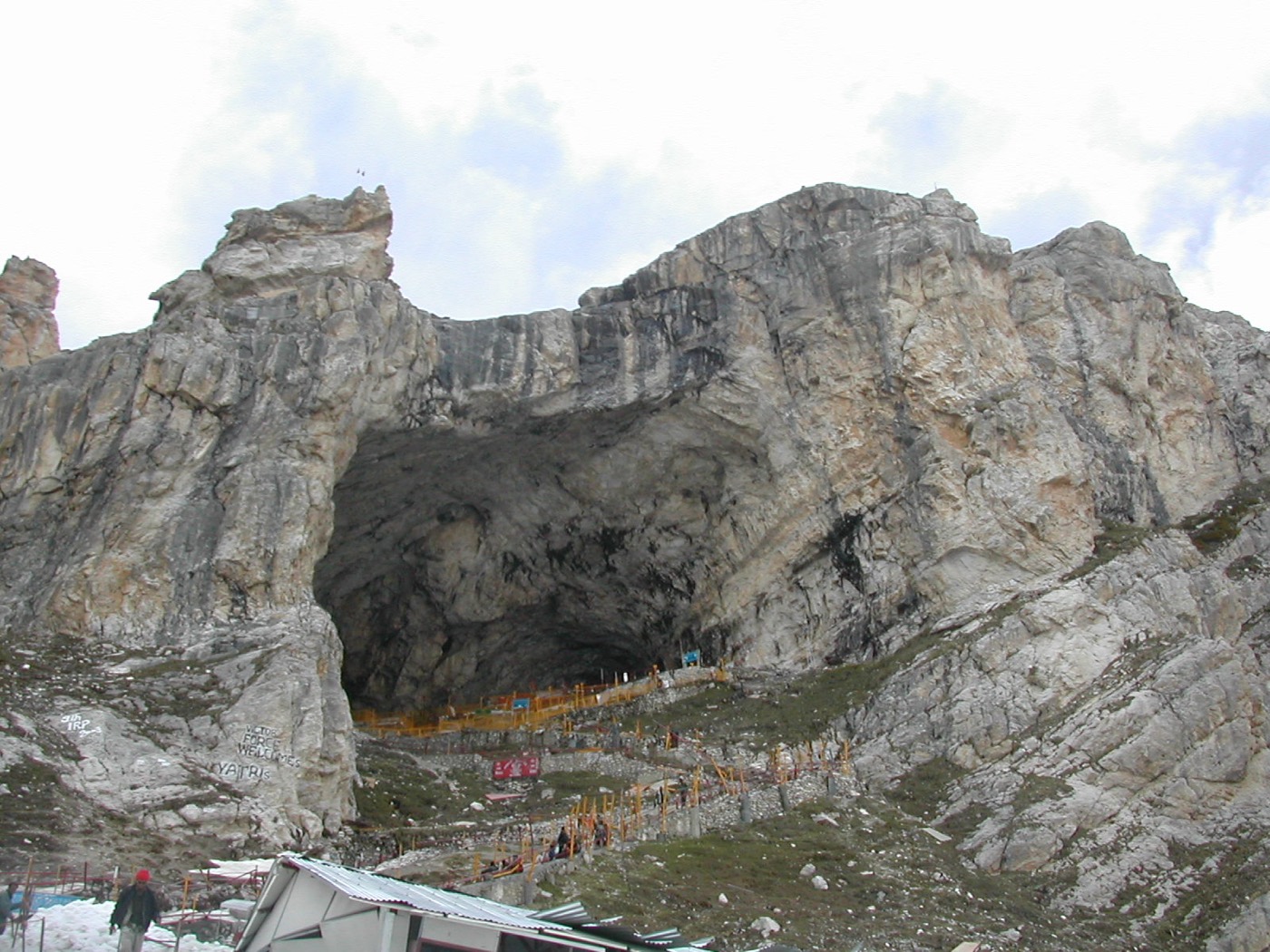
Amarnath Cave
The other great cave pilgrimage of Jammu and Kashmir, an ice-lingam shrine reached on a Himalayan trek during the summer Amarnath Yatra.
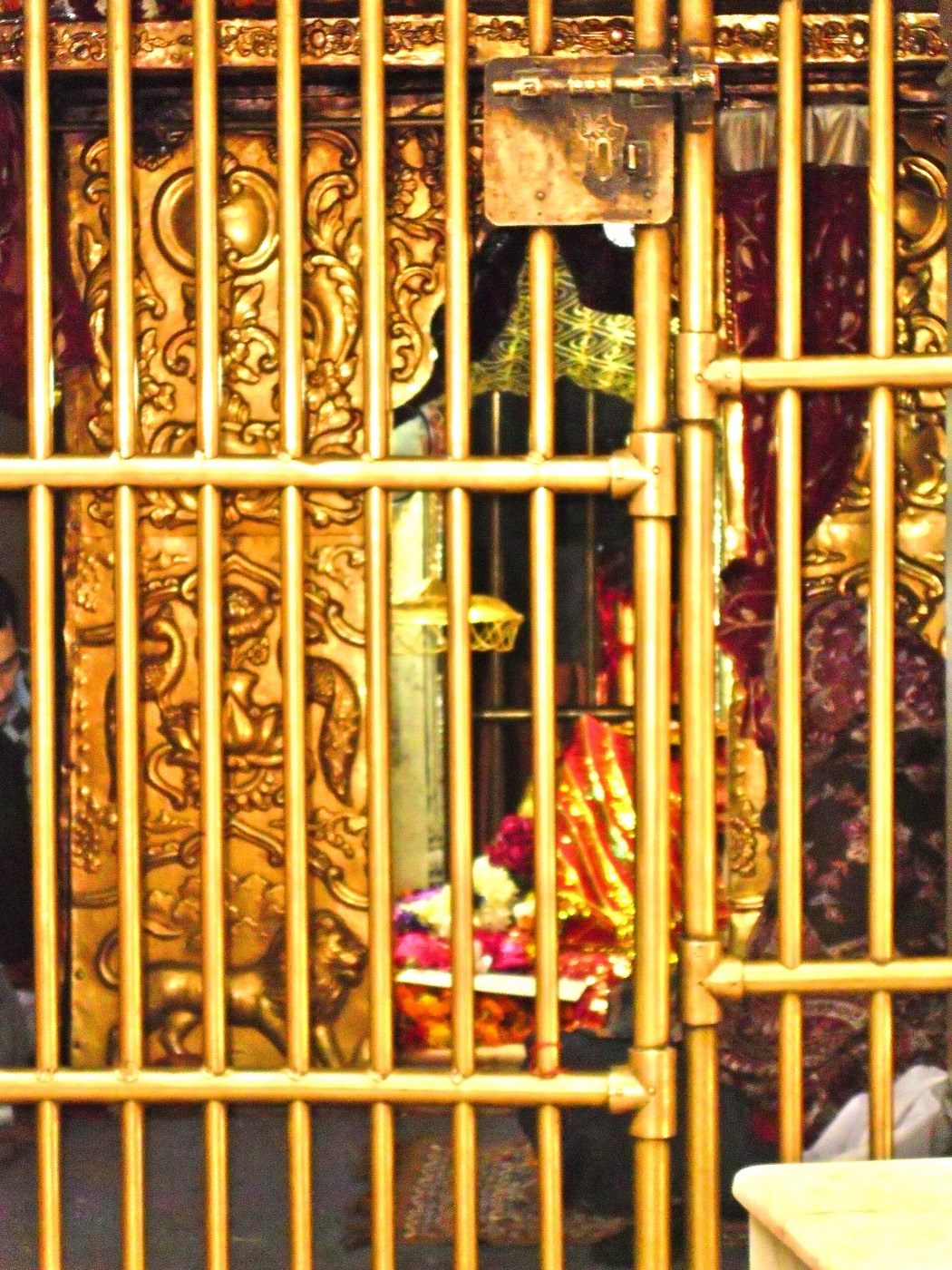
Chintpurni
A revered Shakti Peeth in Himachal, often paired with Vaishno Devi on the North India Devi circuit.
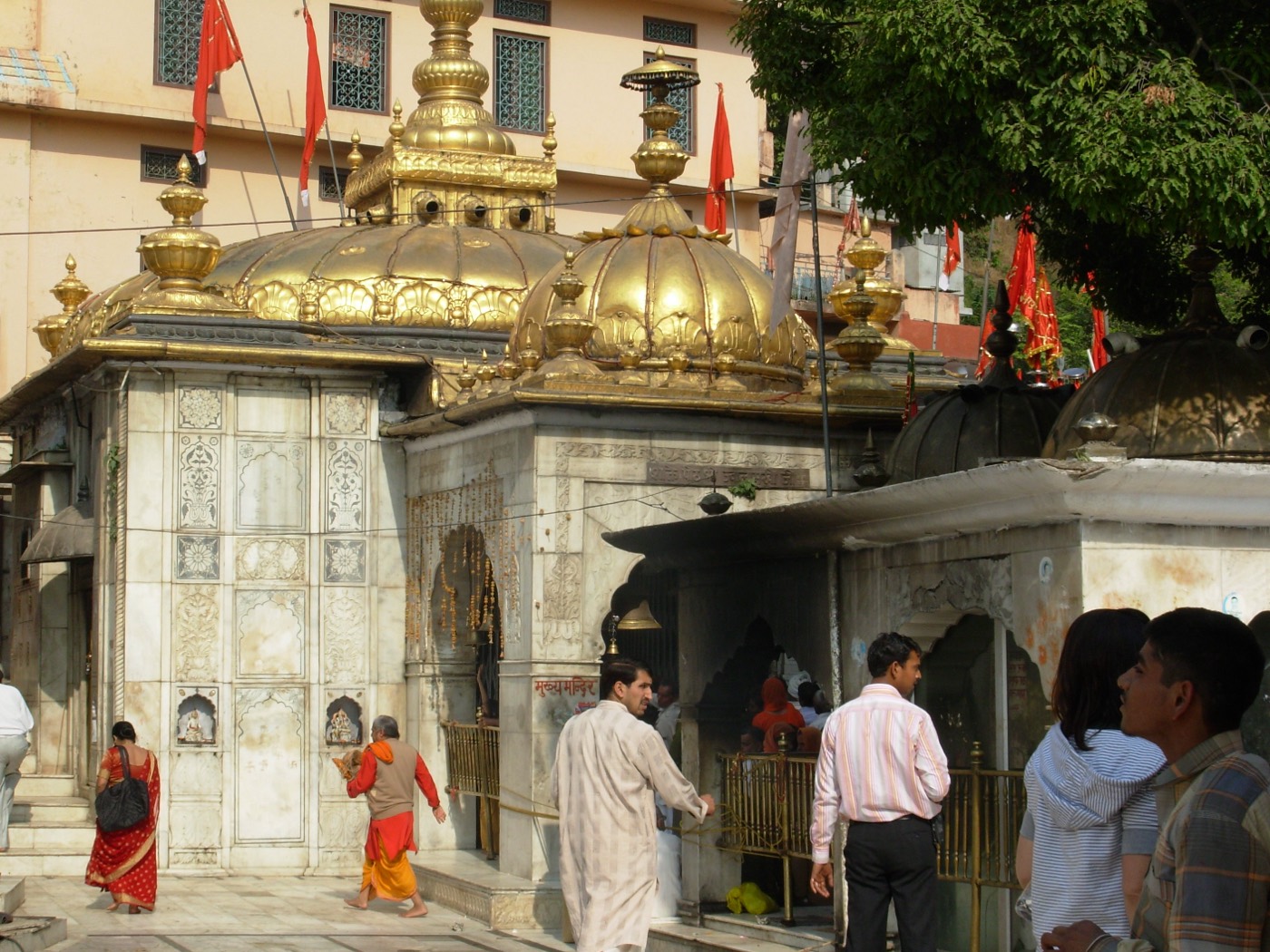
Jwala Ji
The temple of the eternal flame, a Shakti Peeth where natural gas flames are worshipped, also on the classic Devi darshan circuit.
Read the full Nearby Temples & Tirths →
Where to stay
Most pilgrims base themselves in Katra, which has the widest range of stays, from budget lodges and dharamshalas to comfortable mid-range and premium hotels near the bus stand and registration area. The Shri Mata Vaishno Devi Shrine Board also runs its own accommodation (bhawans and dormitories) at Katra and, crucially, up the route at Ardh Kuwari, Sanjichhat and the Bhawan itself, so devotees can break the climb or rest after darshan. Shrine Board rooms are clean and inexpensive but limited, and everything sells out fast during Navratri and holidays, so book well ahead. Many trekkers simply climb through the cooler night and rest briefly at Bhawan or Sanjichhat rather than taking a full room.
Frequently asked questions
Vaishno Devi darshan timings today
nearest railway station to Vaishno Devi
is Vaishno Devi open in winter
how long is the Vaishno Devi trek from Katra
do you need registration for Vaishno Devi
Compiled from public sources including Shri Mata Vaishno Devi Shrine Board (official) · Shrine Board: How to Reach Katra · Wikimedia Commons: Snowfall in Vaishno Devi (photo) · Wikipedia: New Delhi to SVDK Katra Vande Bharat Express. Timings and seasonal closures change; confirm with the temple trust before travelling.