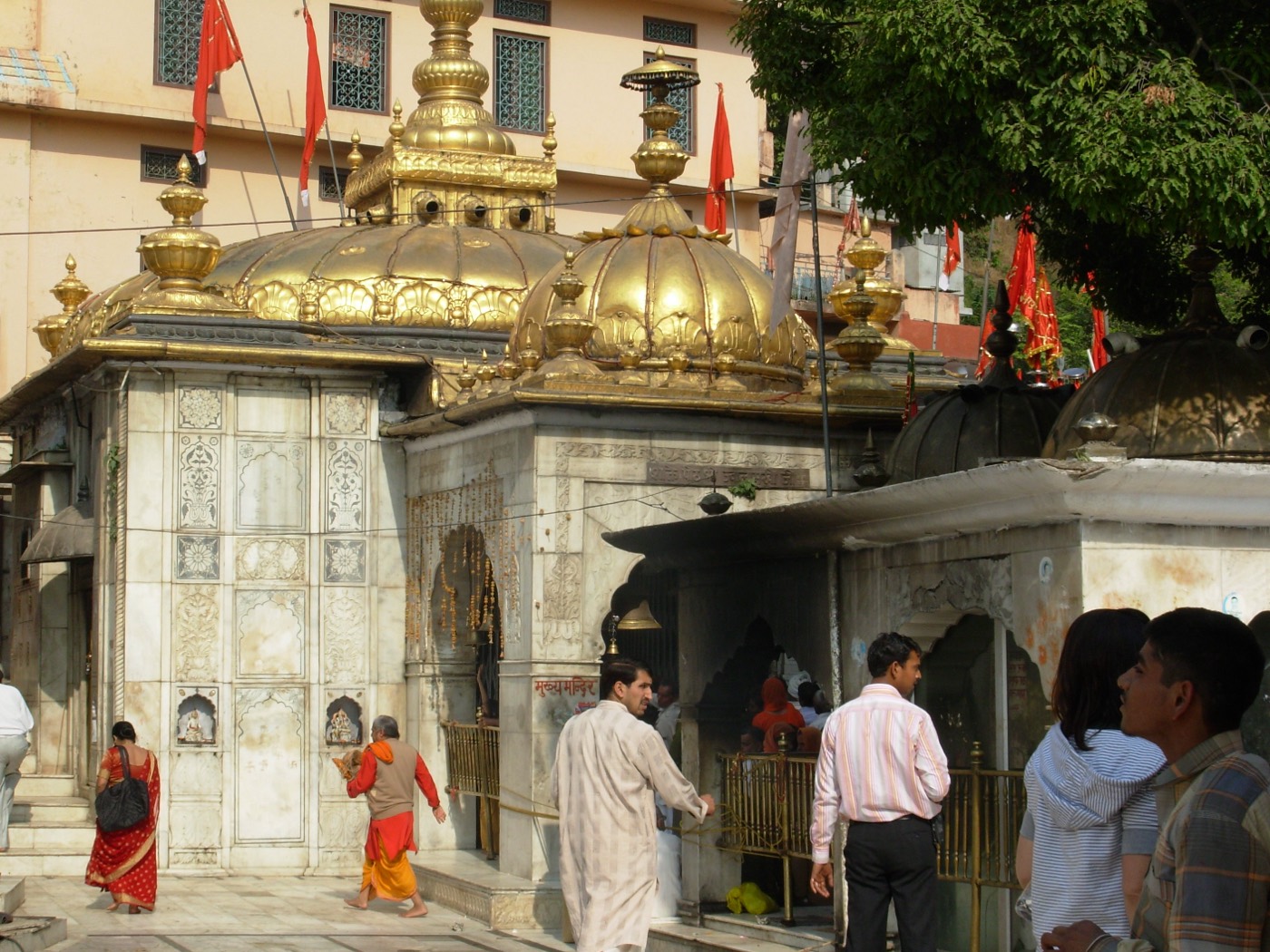
Darshan timings at Jwala Ji
| Season | Opens | Darshan | Closes | Status |
|---|---|---|---|---|
| Summer (Apr to Oct) | approx 5:00 AM | Continuous through the day with brief pauses during aarti/bhog | approx 10:00 PM | Open |
| Winter (Nov to Mar) | approx 6:00 AM | Continuous through the day with brief pauses during aarti/bhog | approx 9:00 PM | Open |
Read the full Timings & Darshan Hours →
How to reach Jwala Ji (Jwalamukhi Devi Temple)
Jwalamukhi town sits on a spur in the Kangra Valley, well connected by road from the Kangra-Dharamshala belt but off the broad-gauge rail line, so most pilgrims arrive by bus or taxi after a train or flight into the wider region.
| Mode | Point | Distance | Notes |
|---|---|---|---|
| Nearest railway (narrow gauge) | Jwalamukhi Road station (Ranital) | approx 20 km | On the scenic Pathankot to Jogindernagar narrow-gauge line; slow but atmospheric. Shared taxis and buses cover the last leg to the temple. |
| Nearest broad-gauge railhead | Pathankot Junction | approx 120 km (approx) | Main-line trains from Delhi, Amritsar and beyond terminate here; hire a taxi or take a Himachal Roadways bus onward via Kangra. |
| Nearest airport | Kangra (Gaggal) Airport near Dharamshala | approx 46 km (approx) | Limited flights from Delhi. Chandigarh and Amritsar airports are the larger fallback options, roughly 200 km away. |
| Road from nearest city | Kangra town / Dharamshala | Kangra approx 30 km; Dharamshala approx 56 km | Regular HRTC buses and taxis run from Kangra, Dharamshala, Palampur and Pathankot; the temple is a short uphill walk from the bus stand and parking. |
Puja & aarti schedule
- Mangal Aarti, the first waking aarti of the goddessapprox pre-dawn (before sunrise)
- Panjupchaar Pujan, the fivefold ritual worshipmorning
- Bhog ki Aarti, offering of cooked bhog to the flamesapprox midday
- Sandhya (evening) Aartiapprox sunset
- Shayan Aarti, the goddess is put to restapprox before closing (night)
Read the full Aarti & Puja Schedule →
Dress code & temple rules
Dress modestly: cover shoulders and knees. Traditional Indian wear is ideal for the sanctum.
Footwear is removed before entering the temple complex; use the shoe-deposit counters near the entrance.
Cover your head as a mark of respect before the flames, especially during aarti.
Photography and mobile phones are generally restricted inside the sanctum near the flames; follow posted signs and priests' instructions.
Carry offerings like misri, rabri, seasonal fruit, coconut and a red chunri; leather belts, wallets and bags are best left outside.
Maintain silence and orderly queues near the flame pits, which are open and hot.
Read the full Dress Code & Temple Rules →
Best time to visit & festivals
The two Navratris are when Jwala Ji is at its most alive, with the flames dressed, extended aartis and huge crowds. For a calmer darshan, the shoulder months of the pleasant Kangra spring and autumn are ideal; peak summer is comfortable in these hills while the plains bake, and winter is cold but uncrowded.
| Festival | When | Significance |
|---|---|---|
| Chaitra Navratri | March to April | Spring Navratri; one of the two biggest pilgrimages of the year with continuous darshan and a fair around the temple. Peak |
| Shardiya (Ashwin) Navratri | September to October | Autumn Navratri; the other peak, drawing lakhs of devotees to the Shakti Peeth; sanctum and town are decorated and aartis extended. Peak |
| Shravan Ashtami fair | July to August | Traditional annual fair held in the temple environs during the Shravan Navratras, a long-standing local mela. |
| Makar Sankranti | January | Winter solstice festival marked with special worship of the flames. |
Read the full Best Time to Visit & Festivals →
Nearby temples & tirths
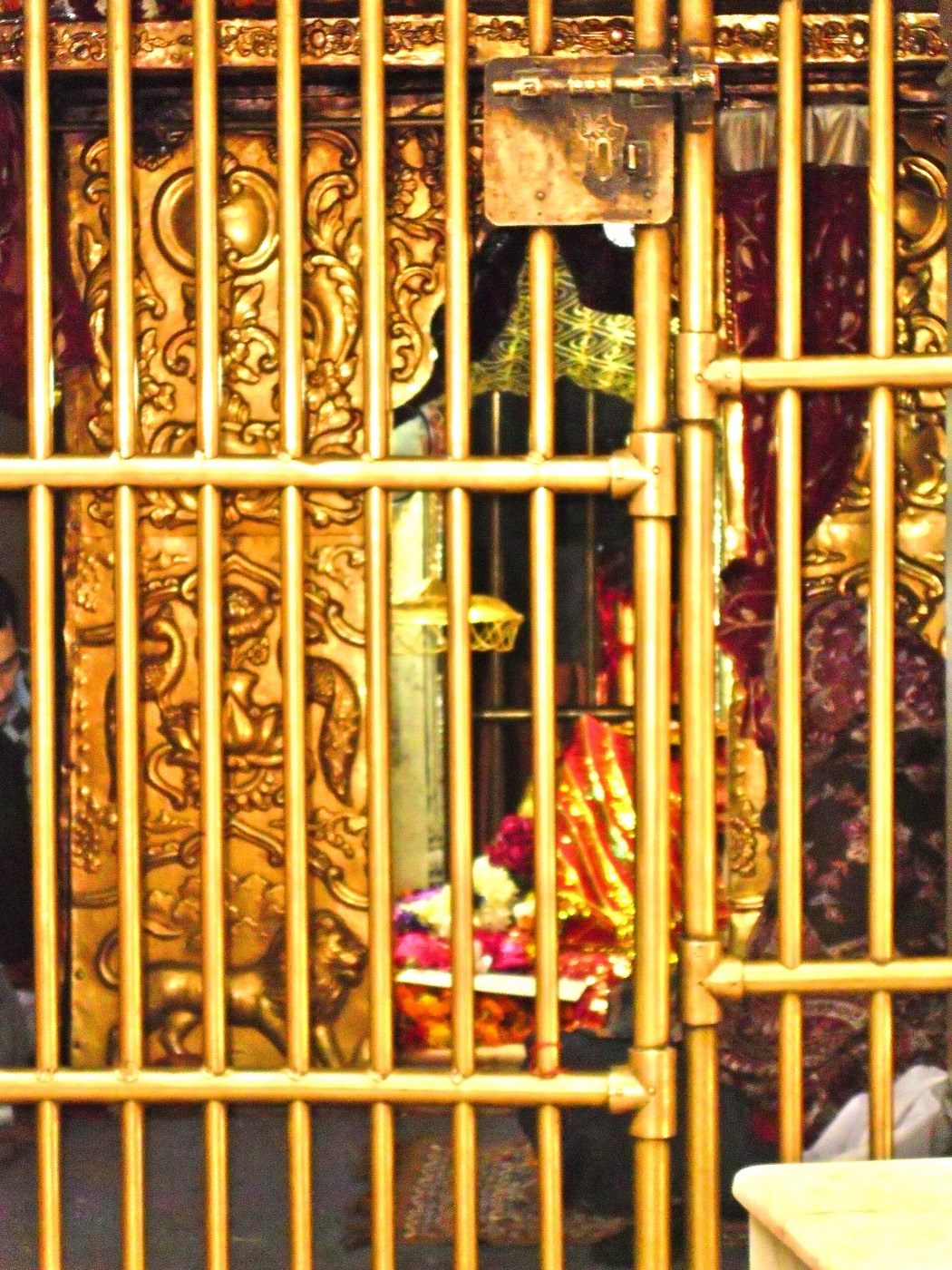
Chintpurni Devi
Another revered Shakti shrine on the same Himachal pilgrim circuit, worshipped in pindi form.

Naina Devi
Hilltop Shakti Peeth where Sati's eyes are said to have fallen, often paired on a Devi yatra.
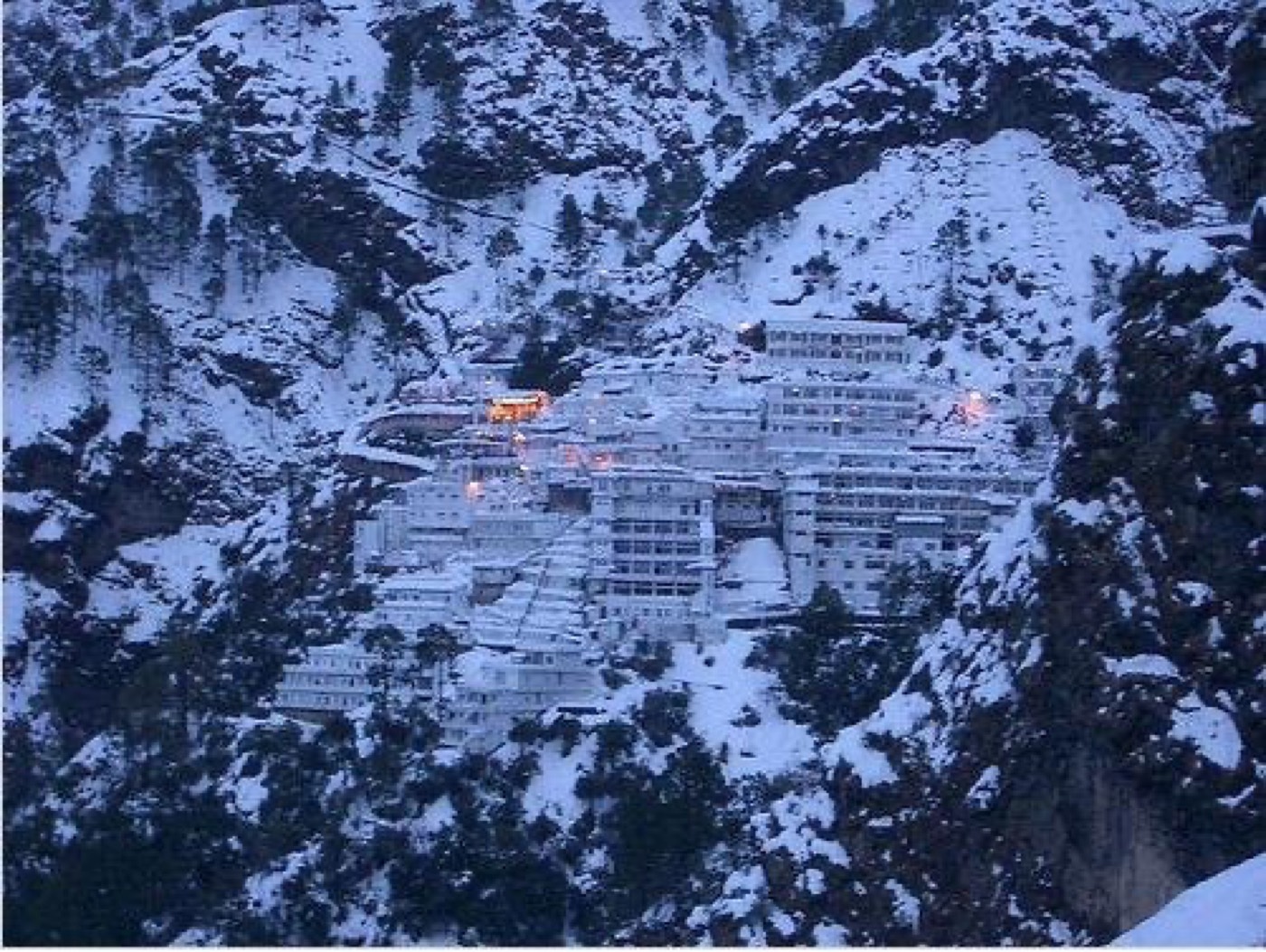
Vaishno Devi
The great cave shrine of the Mother Goddess, the crowning stop of many north-India Devi circuits.
Read the full Nearby Temples & Tirths →
Where to stay
Most pilgrims stay in Jwalamukhi town itself, which has budget hotels, dharamshalas and pilgrim guesthouses within walking distance of the temple, plus the HPTDC-run hotel for a mid-range option. For more choice and comfort, many base themselves in Kangra (approx 30 km) or Dharamshala/McLeod Ganj (approx 56 km) and make Jwala Ji a day trip, often clubbing it with Kangra's Brajeshwari Devi and Chamunda Devi temples. Book ahead during Navratri, when rooms in town fill fast.
Frequently asked questions
Jwala Ji temple timings today
Why is there no idol at Jwala Ji temple
Nearest railway station to Jwala Ji temple
Is Jwala Ji temple open in winter
How far is Jwala Ji from Dharamshala
Compiled from public sources including Wikipedia: Jwala Ji (goddess and shrine) · Wikimedia Commons: Jwalamukhi temple image and license. Timings and seasonal closures change; confirm with the temple trust before travelling.