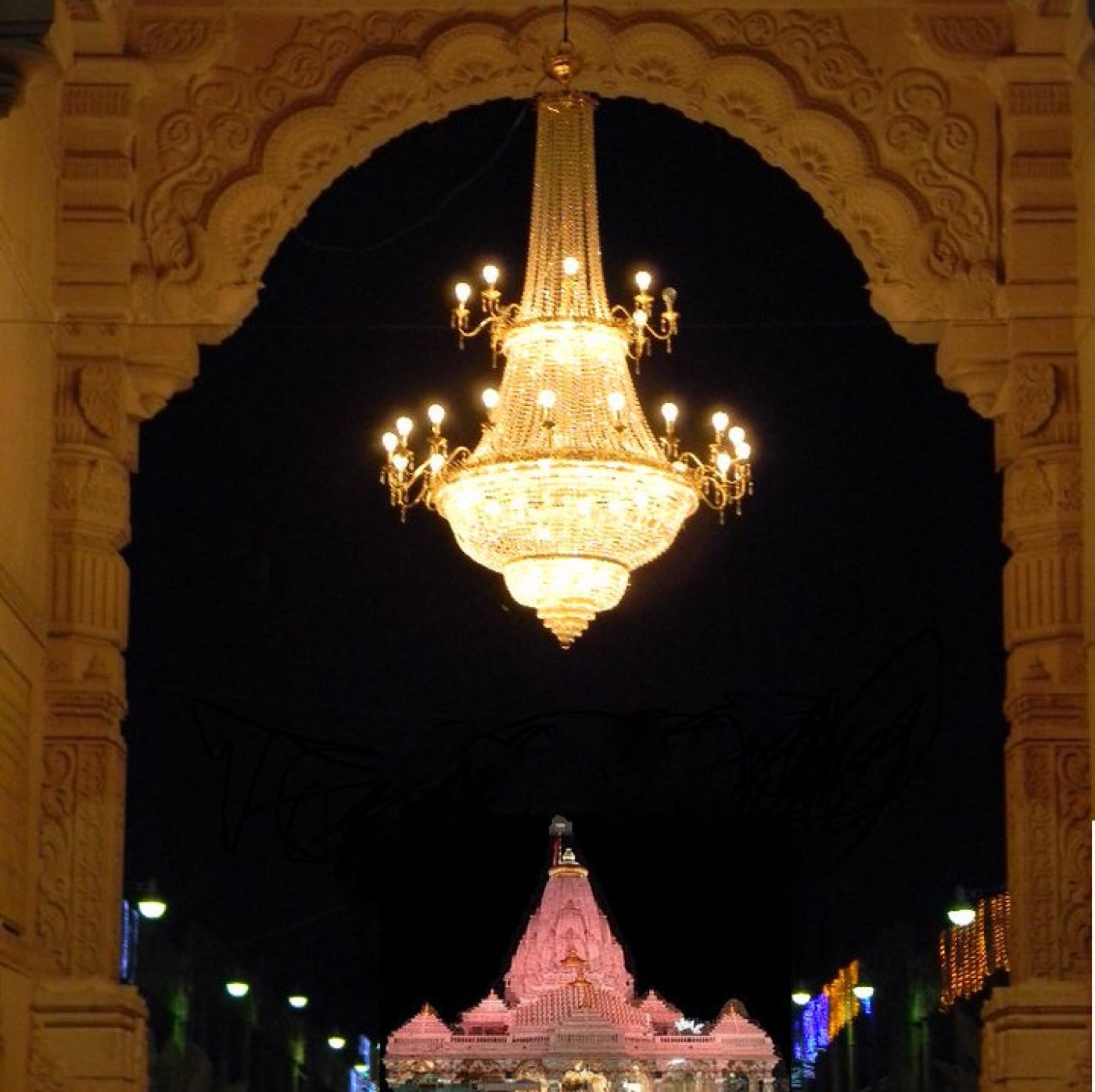
Darshan timings at Ambaji
| Season | Opens | Darshan | Closes | Status |
|---|---|---|---|---|
| Morning session (year-round) | 7:00 AM | Mangala darshan and morning worship | 11:30 AM | Open |
| Afternoon session (year-round) | 12:30 PM | Post-noon darshan after the midday break | 4:30 PM | Open |
| Evening session (year-round) | 6:30 PM | Evening darshan through Sandhya Aarti | 9:00 PM | Open |
Read the full Timings & Darshan Hours →
How to reach Ambaji Temple
Ambaji sits in the far north of Gujarat, close to the Rajasthan border, so the most convenient rail and air gateways are actually across the state line or down in central Gujarat. Most pilgrims arrive by road, whether by state bus, shared taxi or private car.
| Mode | Point | Distance | Notes |
|---|---|---|---|
| Train | Abu Road railway station (North Western Railway, in Rajasthan) | approx 20 to 22 km | The nearest railhead, with direct trains from Delhi, Mumbai, Jaipur, Jodhpur, Ahmedabad and the south. Taxis and buses run the short hop up to Ambaji. |
| Air | Sardar Vallabhbhai Patel International Airport, Ahmedabad | approx 185 km | The closest full-service airport. Hire a cab or take a bus for the roughly four to five hour drive north. |
| Road | From Ahmedabad via Palanpur | approx 185 km | Well-connected by GSRTC and private buses. Palanpur is around 65 km away and Mount Abu around 45 km, making Ambaji an easy add-on to an Abu trip. |
Puja & aarti schedule
- Mangala Aarti (dawn aarti, primarily for temple priests before public darshan opens)6:00 AM
- Madhyan / Rajbhog Aarti (midday aarti at the start of the afternoon break)12:00 PM
- Sandhya Aarti (evening aarti during the evening darshan session, open to devotees inside the complex)7:00 PM
Read the full Aarti & Puja Schedule →
Dress code & temple rules
Dress modestly and conservatively, with shoulders and legs covered; a Shakti Peeth sanctum warrants full-covering traditional wear.
Remove footwear before entering the temple; cloakrooms and shoe stands are available near the complex.
Photography and videography of the inner sanctum and the Shree Visa Yantra are strictly prohibited; the Yantra is not meant to be viewed with the naked eye and is kept veiled.
Leather items are best left outside the sanctum, in keeping with standard practice at Hindu shrines.
Maintain silence and orderly queue discipline inside; the space is compact and crowds are heavy on weekends and full-moon days.
Prasad such as Mohanthal is distributed by the temple; carry only what is needed and avoid outside food inside the sanctum area.
Read the full Dress Code & Temple Rules →
Best time to visit & festivals
Ambaji is a year-round pilgrimage, but the character of a visit changes completely between a quiet weekday morning and the crush of Bhadarvi Poonam. The cooler months from October to March are the most comfortable for the darshan and the Gabbar hill climb. If you want the festival electricity, come for a full moon; if you want a calm darshan, avoid one.
| Festival | When | Significance |
|---|---|---|
| Bhadarvi Poonam Fair | Full moon of Bhadrapada month (approx August to September) | The single largest gathering, drawing over 1.5 million pilgrims across the Teras, Chaudas and Poonam days. Many walk to Ambaji on foot in padyatras; the town runs on non-stop darshan and community food. Peak |
| Navratri | September to October (Ashwin month) | Nine nights of goddess worship with garba, music and heavy footfall; among the most devotional windows at this Shakti Peeth. |
| Monthly Purnima (Full Moon) | Every full-moon day, all year | Special pujas and extended access; a smaller, repeatable version of the Bhadarvi Poonam devotion that regulars time their visits to. |
| Diwali | October to November | The festival of lights brings additional crowds and special decoration and worship at the temple. |
Read the full Best Time to Visit & Festivals →
Nearby temples & tirths
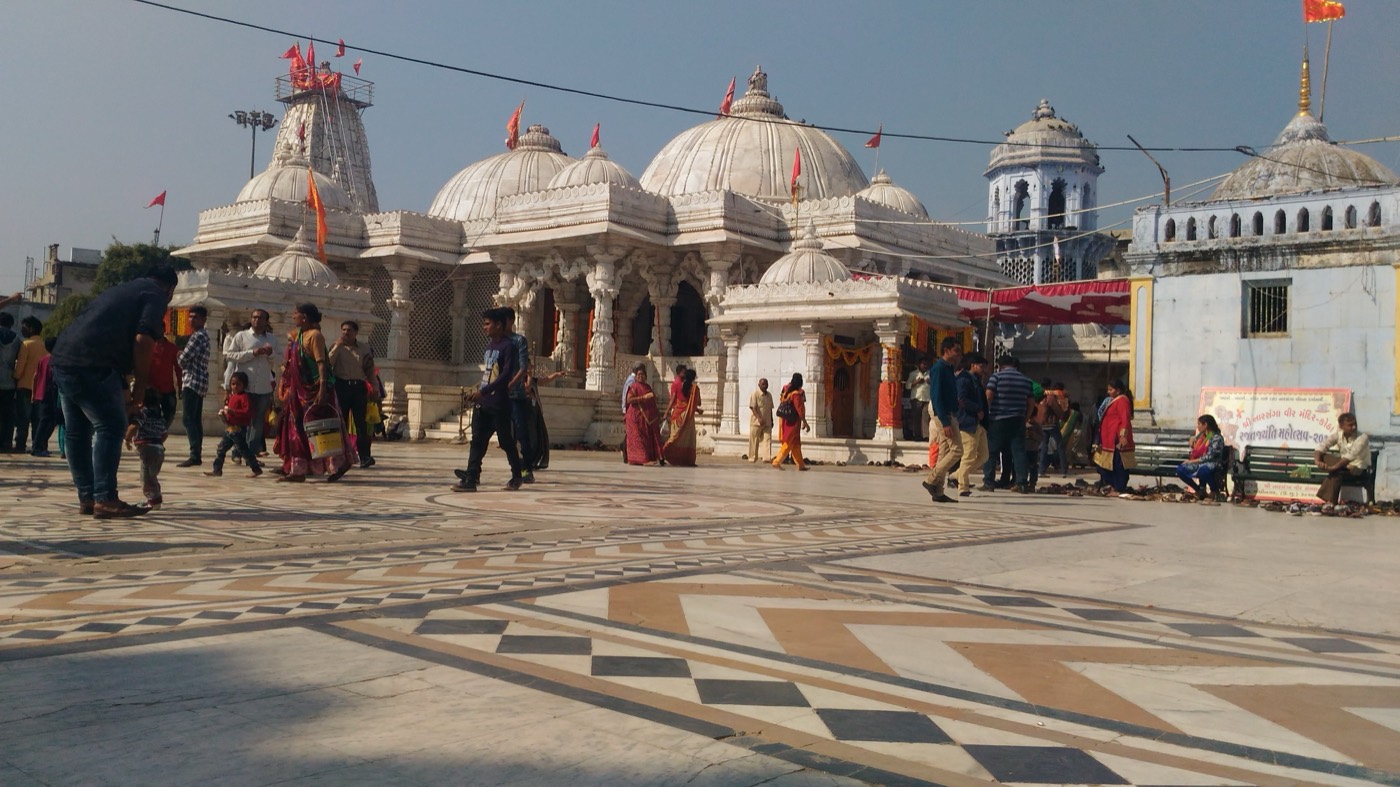
Bahucharaji Temple
A sister Shakti temple in the goddess circuit of north Gujarat, traditionally paired with Ambaji and Pavagadh as the state's three great Devi shrines.
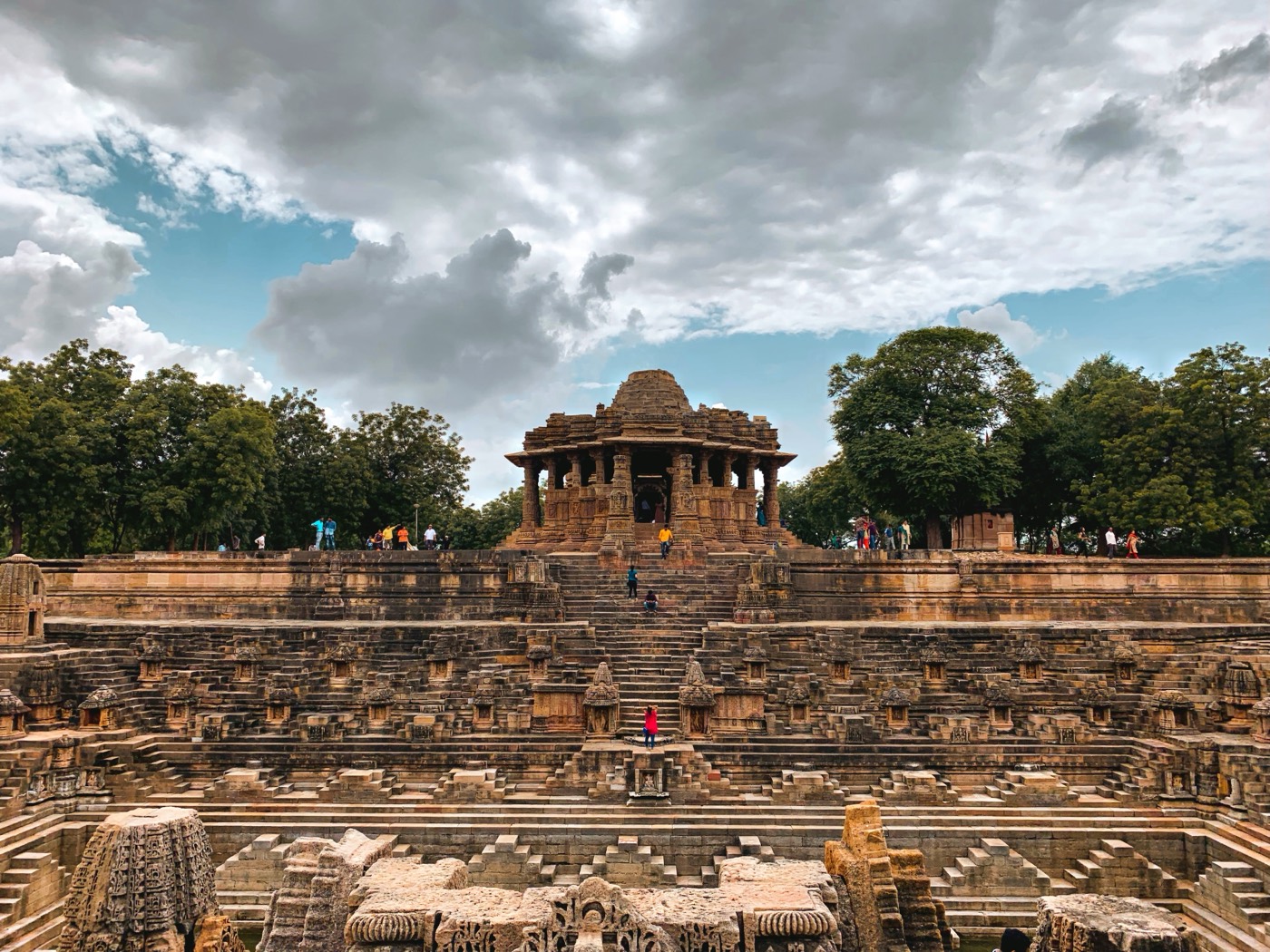
Modhera Sun Temple
The 11th-century Solanki-era sun temple with its stepped Surya Kund, an easy heritage detour on the way back toward Ahmedabad.
Read the full Nearby Temples & Tirths →
Where to stay
Ambaji town is geared for pilgrims, with a spread of trust-run dharamshalas, guesthouses, lodges and mid-range hotels within walking distance of the temple. Trust and community dharamshalas offer clean, affordable rooms, with rates commonly quoted from around Rs 500 to Rs 2,000 per night depending on room type and season (verify current tariffs at booking). Rooms fill fast on weekends, during Navratri and especially around Bhadarvi Poonam, so book well in advance for those dates. For a wider choice of hotels, Mount Abu (approx 45 km) and Abu Road (approx 20 to 22 km) are the nearest larger bases.
Frequently asked questions
Is Ambaji temple open in the monsoon or during Chaturmas?
What are the Ambaji temple darshan timings?
Which is the nearest railway station to Ambaji?
How many steps are there at Gabbar Hill in Ambaji?
Is there an entry fee for Ambaji temple?
Can you take photos inside Ambaji temple?
Compiled from public sources including Banaskantha District (Govt of Gujarat) - Ambaji Temple · Gujarat Tourism - Ambaji Bhadarvi Poonam Fair · Wikipedia - Ambaji · Wikipedia - Ambaji Fair. Timings and seasonal closures change; confirm with the temple trust before travelling.