Two things make this month worth planning around. Bhadrapada, which spills across August and September, carries Krishna Janmashtami, Ganesh Chaturthi, the Bhadarvi Poonam full moon and Gujarat's fair season, while Ashwin, which follows it, opens Sharad Navratri. And the rain is retreating rather than arriving: Mumbai's monsoon runs June to September and Dwarka's from July to September, so the later in the month you travel, the drier the west gets.
Five temples anchor this guide. Siddhivinayak in Mumbai for Ganesh Chaturthi, its grandest festival, which falls in August or September. Ambaji in north Gujarat for the Bhadarvi Poonam fair on the full moon of Bhadrapada. Trinetreshwar Mahadev at Tarnetar for the three-day Tarnetar mela on Bhadarva sud 4 to 6, approximately late August to September. Guruvayur in Kerala, where the Malayalam month of Chingam brings Ashtami Rohini and the Onam season together. And Dwarkadhish in Dwarka, which keeps an all-night Janmashtami vigil with a midnight abhishek when the date falls in September.
One warning before the details. Every festival here except one solar alignment follows the lunar calendar, so the Gregorian dates move every year. We give windows, not dates: check the current year's panchang before booking, and treat the timings below as planning figures, since every temple on this list stretches its hours on festival days.
Why September rewards the planner
The pull of the month is concentration. Ganesh Chaturthi opens a ten-day festival that consumes Mumbai, the Bhadarvi Poonam full moon draws over 1.5 million pilgrims to Ambaji across three days, and when Ashwin begins, Sharad Navratri starts nine nights of goddess worship at Shakti shrines nationwide. Depending on the year, September holds some or nearly all of this.
The fairs are the part most plans miss. Gujarat's mela season peaks in Bhadarva, the Gujarati name for Bhadrapada: Tarnetar is a genuine village matchmaking fair with folk dance and embroidered umbrellas, and Ambaji fills with padyatris who have walked for days. These are working religious gatherings, not staged cultural shows, and that is exactly why they are worth seeing. Carry rain cover in the first half of the month.
The five temples, briefly
Siddhivinayak is the city temple of the five: an 1801 shrine in Prabhadevi that grew into Mumbai's richest temple trust, with a black-stone Ganesha whose trunk bends to the right and a metro station approx 200 m from the gate. Ambaji is the opposite pole, a Shakti Peeth in the Arasur hills where the goddess is worshipped as the Shree Visa Yantra, a veiled geometric diagram rather than an idol.
Trinetreshwar Mahadev at Tarnetar is a Maru-Gurjara Shiva shrine ringed by three sacred kunds, quiet for most of the year and then the centre of one of India's best-known tribal fairs. Guruvayur is Kerala's great Krishna shrine, where darshan begins at 3:00 AM with the nirmalya viewing and the dress code is among the strictest in the country. Dwarkadhish in Dwarka is the Char Dham temple of the group, a five-storey Jagat Mandir above the Gomti creek whose flag is changed by hand several times every day.
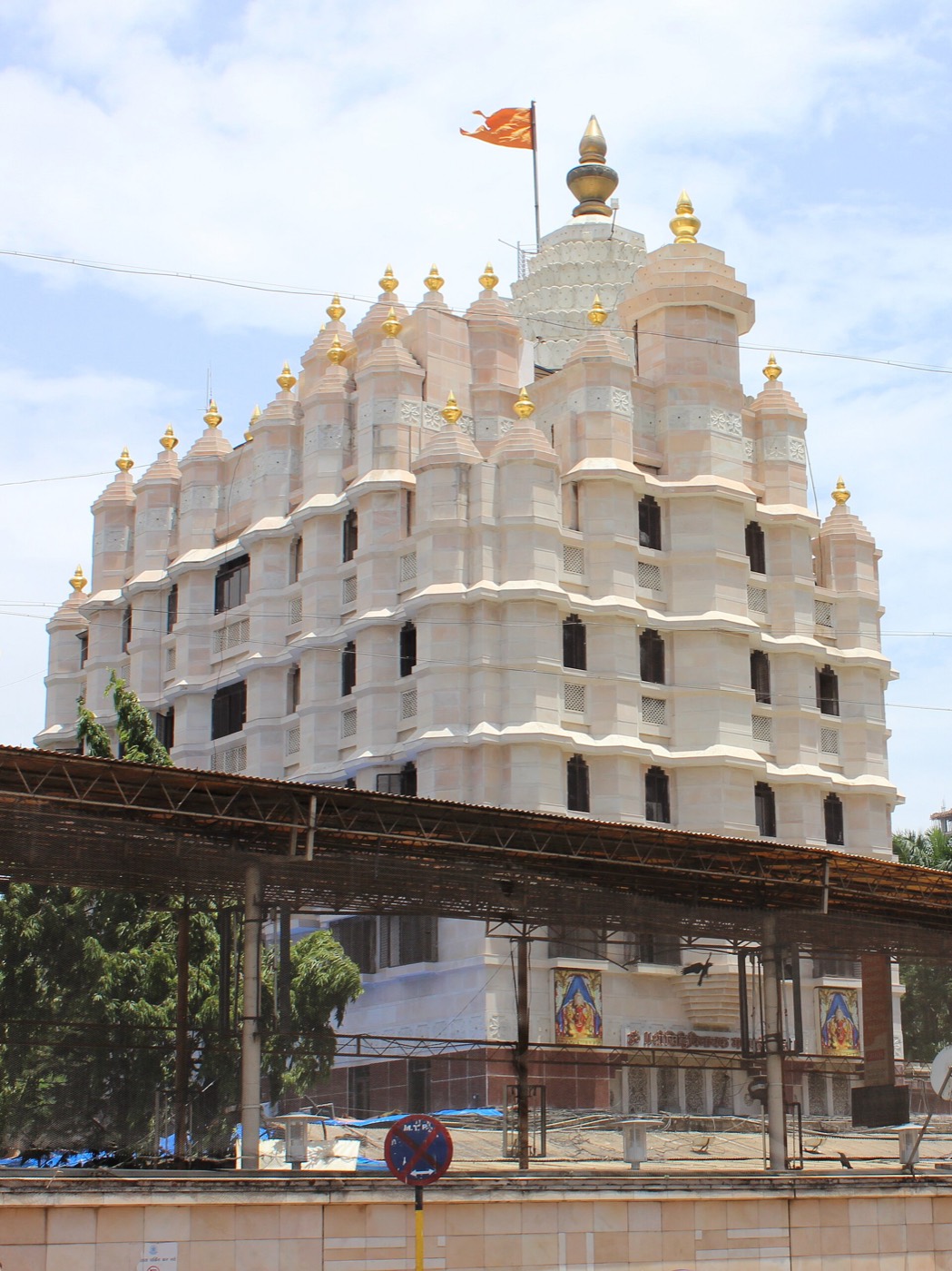
Shree Siddhivinayak Temple, Mumbai
Mumbai City, Maharashtra
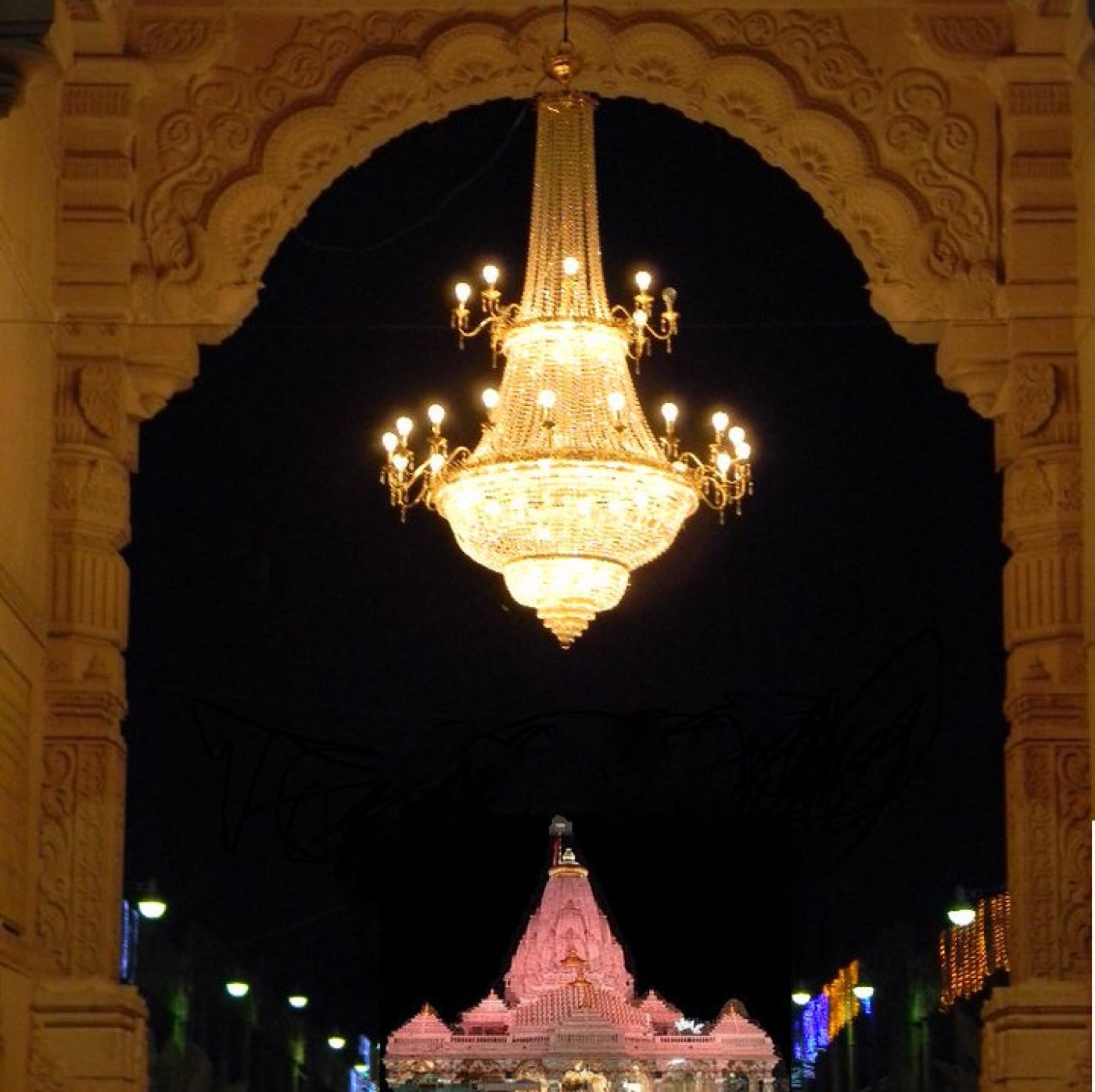
Ambaji Temple
Banaskantha, Gujarat
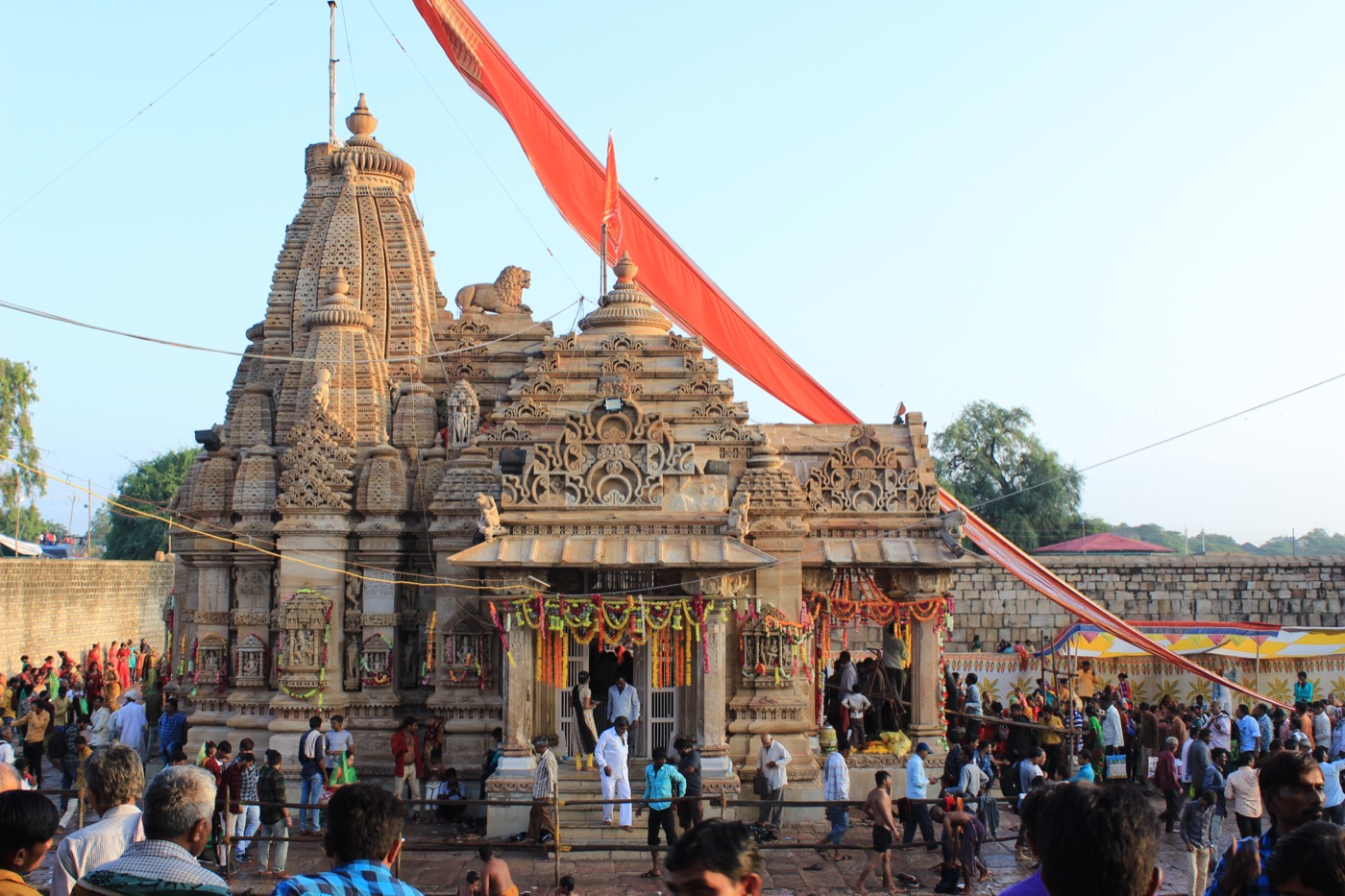
Trinetreshwar Mahadev Temple, Tarnetar
Surendranagar, Gujarat
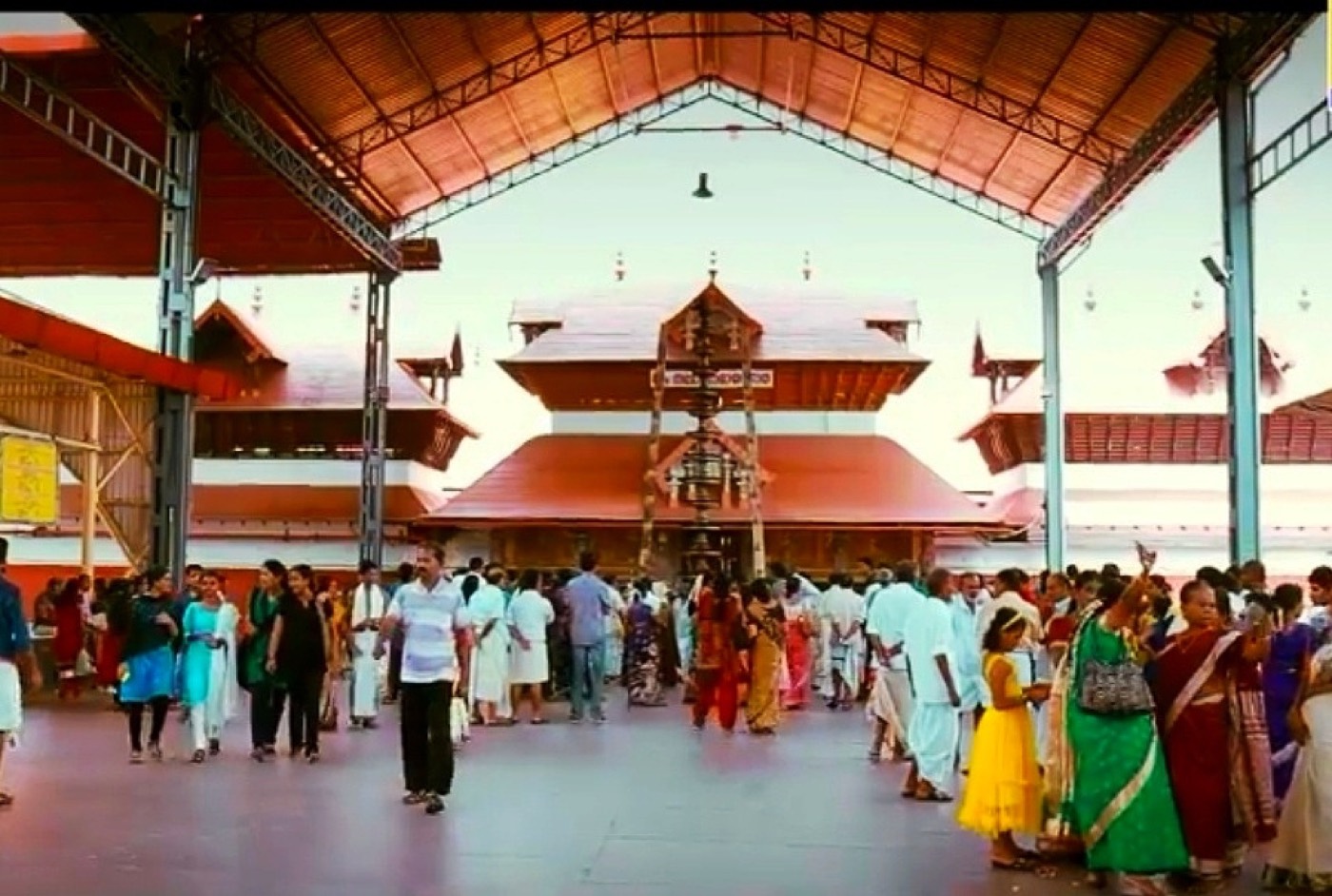
Guruvayur Sri Krishna Temple
Thrissur, Kerala
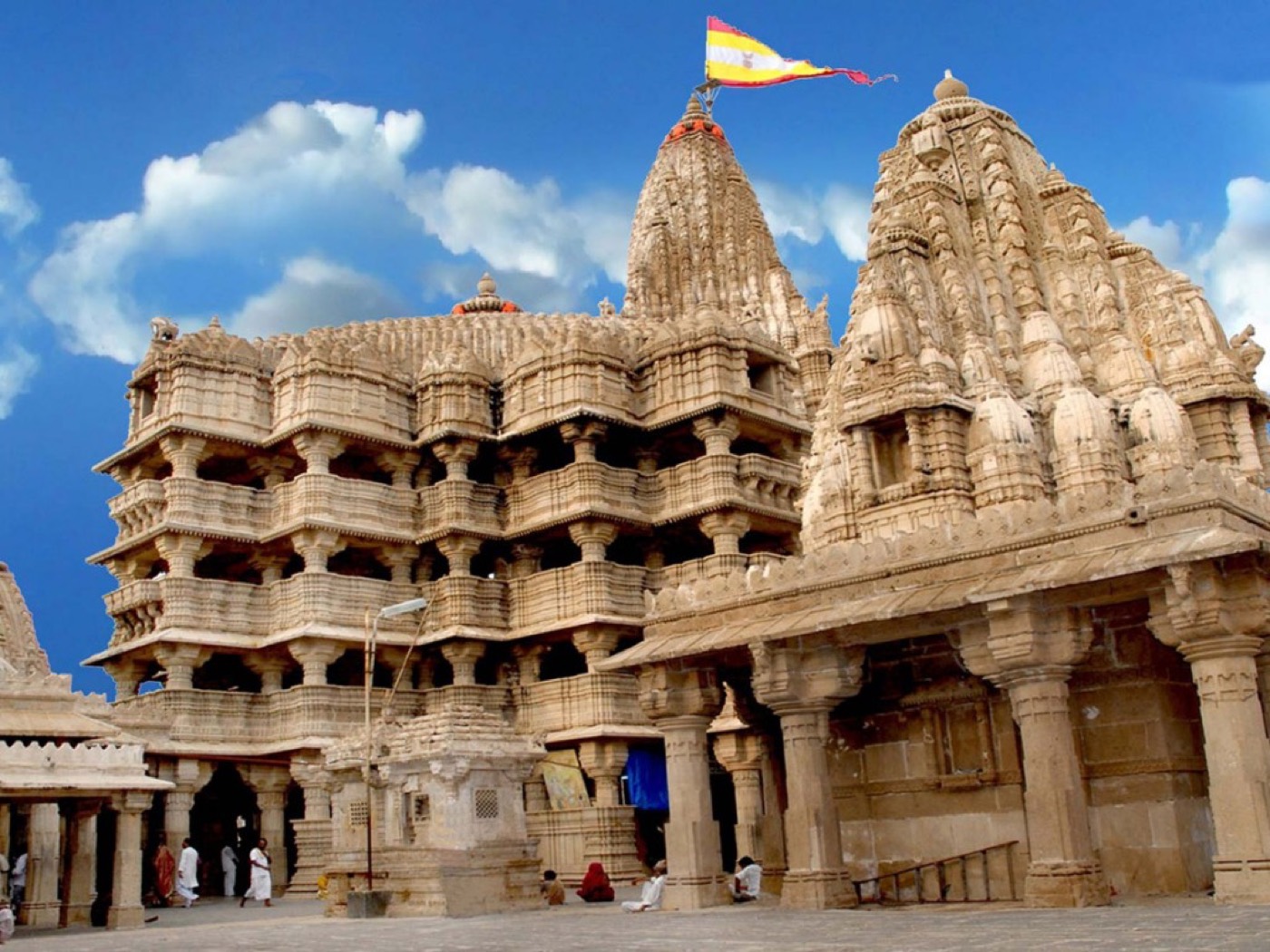
Dwarkadhish Temple (Jagat Mandir), Dwarka
Devbhumi Dwarka, Gujarat
The September festival map
The table gathers festival windows that can touch September, including temples beyond our five. Read the windows literally: a festival listed as August or September belongs to a lunar month that straddles both, and only the year's panchang settles which side it falls on.
Two rows deserve a flag. Tirupati Balaji runs its grandest festival, the nine-day Salakatla Brahmotsavam, in September; the Garuda Seva night draws the most crowded darshan of its year, so book far ahead. And Modhera Sun Temple, approx 130 to 150 km from Ambaji on the road back toward Ahmedabad, stages its solar show around the equinox of approx 23 September, when the rising sun travels the temple's axis into the sanctum.
Sharad Navratri sits across September and October, so in some years its opening nights fall in late September. When they do, Shakti shrines move to festival footing: Vaishno Devi expects its longest darshan queues of the year during its Navratri Mahotsav, and Gujarat's Devi temples, Ambaji among them, run garba and extended darshan through the nine nights.
| Festival | Temple | Window | What happens |
|---|---|---|---|
| Ganesh Chaturthi | Siddhivinayak, Mumbai | August or September (Bhadrapada) | Ten-day peak with round-the-clock queues |
| Krishna Janmashtami | Dwarkadhish, Dwarka | August or September (Bhadrapada) | All-night opening with a midnight abhishek |
| Bhadarvi Poonam fair | Ambaji | Full moon of Bhadrapada, approx August to September | Over 1.5 million pilgrims across the Teras, Chaudas and Poonam days |
| Tarnetar mela | Trinetreshwar Mahadev, Tarnetar | Bhadarva sud 4 to 6, approx late August to September | Three-day tribal fair, approx 1 lakh visitors |
| Ashtami Rohini | Guruvayur | Chingam month (August to September) | Krishna's birthday, marked with special pujas and processions |
| Salakatla Brahmotsavam | Tirupati Balaji, Tirumala | September, nine days | A different vahana each day; the Garuda Seva night is the most crowded darshan of the year |
| Mata Murti Ka Mela | Badrinath | September, on Vaman Dwadashi | The deity is taken in procession toward Mana |
| Autumn equinox alignment | Modhera Sun Temple | Approx 23 September | The rising sun travels the east-west axis into the sanctum |
| Sharad Navratri (opening nights) | Shakti shrines nationwide | September to October (Ashwin) | Nine nights of goddess worship; garba and extended darshan at the Devi temples |
Ganesh Chaturthi at Siddhivinayak
Ganesh Chaturthi opens the temple's grandest ten-day festival, and whether it belongs to your September depends on the lunar year. When it does, plan for queues that run around the clock and a neighbourhood that functions as one continuous procession. The crowd is the point here; devotees treat the long wait as part of the offering.
The practical numbers: on regular days the temple runs approx 5:30 AM to 9:50 PM from Wednesday to Monday, and on Tuesdays, its dedicated weekday, it opens around 3:15 AM and closes around 12:30 AM into Wednesday. General darshan is free; a paid fast-track pass is reported at approx Rs 200 per head, a travel-guide figure rather than an official rate card. Sanctum access is restricted for much of the morning, from approx 7:30 AM, while the Maha-abhishek is performed, so first light or evening sees more.
Reaching it is the easy part: the metro station on Line 3 exits beside the complex, Dadar is approx 2.5 km away, and the airport approx 16 to 18 km depending on traffic. The festival sits inside Mumbai's June to September monsoon, so a rain layer is not optional. For a calm darshan, come on a weekday morning outside the festival window and away from Tuesdays.
A Gujarat fair-season week: Ambaji and Tarnetar
In some years both of Gujarat's great Bhadarva gatherings fit inside a single week, since the Tarnetar mela runs on sud 4 to 6 and Ambaji's fair peaks on the full moon of the same month. Bhadarvi Poonam pilgrims arrive across the Teras, Chaudas and Poonam days, many walking in on padyatras. Ambaji keeps three darshan sessions, 7:00 AM to 11:30 AM, 12:30 PM to 4:30 PM and 6:30 PM to 9:00 PM, with hours and queue arrangements extended on the fair days themselves. Gabbar hill, the original seat of the goddess 5 km away, adds a 999-step climb with a ropeway.
Tarnetar is the smaller, stranger event: a three-day fair of approx 1 lakh visitors tied to the legend of Draupadi's swayamvar, where Bharwad youth in embroidered finery come looking for a life partner and the hudo and raas run through the day under the famous embroidered umbrellas. Gujarat Tourism sets up a tented village by the mela ground, the most atmospheric way to stay, and it sells out well ahead. Outside the fair the shrine is a village temple with no published timetable; expect roughly 6:00 AM to 8:30 PM with a midday rest, and confirm locally.
The road legs below are approximate; reconfirm before you drive.
For beds: Ambaji's trust and community dharamshalas are commonly quoted from around Rs 500 to Rs 2,000 a night and fill fast around the fair, so book well ahead or base yourself in Mount Abu or Abu Road. At Tarnetar the tented village is the festival option; otherwise stay in Thangadh, Chotila or Rajkot. One request: photograph the fair's participants only with their consent. They are attending their own community's event, not performing for visitors.
| Leg | Distance | Notes |
|---|---|---|
| Ahmedabad to Ambaji | Approx 185 km | Via Palanpur; roughly a four to five hour drive |
| Ambaji to Mount Abu | Approx 45 km | The nearest hill base with a wider hotel choice |
| Ambaji to Abu Road railhead | Approx 20 to 22 km | Nearest station, with direct trains from Delhi, Mumbai, Jaipur and Ahmedabad |
| Ambaji to Modhera Sun Temple | Approx 130 to 150 km | Heritage detour on the return toward Ahmedabad |
| Ahmedabad (airport side) to Tarnetar | Approx 200 km | Off the Rajkot to Ahmedabad axis; Chotila on NH-27 is approx 39 km from the fair |
| Tarnetar to Thangadh | Approx 8 km | Nearest railhead; autos and shared jeeps cover the hop |
| Tarnetar to Rajkot airport | Approx 75 to 90 km | Nearest airport for the fair |
Krishna country: Dwarka, Guruvayur and Janmashtami
Janmashtami belongs to Bhadrapada, so it falls in August or September. When it lands in September, Dwarka offers the most dramatic night on this list: the temple stays open through the night with a grand midnight abhishek. On ordinary days it runs 6:30 AM to 1:00 PM and 5:00 PM to 9:30 PM, the long afternoon closure built around the deity's seva cycle. Climb the 56 steps of the Swarg Dwar, and stay to watch the dhwaja hauled up the approx 78 m spire by hand, a ritual repeated several times a day.
Dwarka pairs naturally with Nageshwar Jyotirlinga, approx 17 km away, and its railhead is approx 2 km from the temple on the Ahmedabad to Okha line. Dharamshala rooms commonly run from about Rs. 200 to Rs. 2000 a night, which keeps a September pilgrimage inexpensive. Be honest with yourself about the sea, though: July to September is Dwarka's humid monsoon and the water runs rough, so treat this as a darshan trip, not a coastal holiday.
In Kerala, Chingam carries Ashtami Rohini, Krishna's birthday, at Guruvayur, and Chingam is also Onam season, so the state is in a festive frame. Guruvayur is stricter than most: darshan runs 3:00 AM to 12:30 PM and 4:30 PM to 10:00 PM, only Hindus are permitted inside, men enter bare-chested in a mundu, and women wear a saree, set-mundu or churidar. The reward for the 3:00 AM start is the nirmalya darshanam, the deity still in the previous night's flowers. The temple's own station sits approx 0.5 km away; Cochin airport is approx 80 km.
Elsewhere, the same window animates Vrindavan and Jaipur, and in coastal Karnataka Udupi follows Krishna's birthday with Vittla Pindi, its pot-breaking street festival with the Huli Vesha tiger dance. Radhashtami follows about 15 days after Janmashtami and can carry the mood deeper into September.
The five compared: hours, entry, access
The comparison is deliberately blunt. All five are free to enter, which surprises people who assume famous shrines charge for darshan. What actually shapes a trip are the hours, the afternoon closures, and how far the nearest railhead is.
Festivals stretch or dissolve all of these hours, from Ambaji's extended full-moon access to Dwarka's Janmashtami all-nighter. And the afternoon closures matter: Guruvayur's sanctum shuts roughly 12:30 PM to 4:30 PM and Dwarka's from 1:00 PM to 5:00 PM, so a midday arrival at either means a wait.
| Temple | Darshan hours | Entry | Nearest railhead |
|---|---|---|---|
| Siddhivinayak, Mumbai | Approx 5:30 AM to 9:50 PM (Wed to Mon); Tuesdays from approx 3:15 AM | Free; fast-track approx Rs 200 | Dadar, approx 2.5 km; metro approx 200 m |
| Ambaji | 7:00 AM to 9:00 PM in three sessions | Free | Abu Road, approx 20 to 22 km |
| Trinetreshwar, Tarnetar | Approx 6:00 AM to 8:30 PM, midday rest; no official timetable | Free | Thangadh, approx 8 km |
| Guruvayur | 3:00 AM to 12:30 PM, 4:30 PM to 10:00 PM | Free; Hindus only | Guruvayur station, approx 0.5 km |
| Dwarkadhish, Dwarka | 6:30 AM to 1:00 PM, 5:00 PM to 9:30 PM | Free | Dwarka, approx 2 km |
Where September works against you
An honest month guide also says where not to go. Amarnath is closed from September through June, the cave snowbound and inaccessible, so that yatra is over before this month begins. The stepped climb at Girnar turns slippery and risky through the monsoon, which runs to September, making an early-September ascent a poor idea. And anywhere on the west coast, the first half of the month can still be properly wet.
The other trade-off is crowds. The events that make September special are exactly what make it heaving: over 1.5 million people at Ambaji's fair, round-the-clock queues at Siddhivinayak, an all-night crush at Dwarka on Janmashtami. If you want quiet darshan, dodge the peaks: Ambaji away from full-moon days, Siddhivinayak on a weekday morning that is not a Tuesday, Tarnetar in any of its quiet months. The fairs and the silence are both real. You cannot have them on the same day.
Frequently asked questions
Which are the best temples to visit in September in India?
When is the Tarnetar fair held?
Is the Ambaji Bhadarvi Poonam fair in September?
Can non-Hindus enter Guruvayur temple?
Is September a good time to visit Dwarka?
Is Ganesh Chaturthi in August or September?
Compiled from our verified temple guides and public sources including Gujarat Tourism - Ambaji Bhadarvi Poonam Fair · Gujarat Tourism: Tarnetar Fair · Wikipedia: Siddhivinayak Temple, Mumbai · Wikipedia: Guruvayur Temple · Wikipedia: Dwarkadhish Temple. Timings and festival dates shift with the lunar calendar; confirm before you travel.