The logic of January is simple. The peninsular and coastal temples that are punishing in summer are at their mildest now. Somnath's winter window sits at a pleasant 15C to 28C, the same October to March band is the recommended season at Madurai, Dwarka and Konark, and Tirumala's own comfortable stretch runs roughly October to February. At the same time, several of the year's biggest observances fall in or around this month.
That crowding is the trade-off to understand before you book anything. Sabarimala's Makaravilakku, around 14 January, is the biggest single-day gathering of that temple's year. The Vaikunta Ekadasi observances at Tirupati and Srirangam fall in the December to January window, and Srirangam's roughly 20-day observance draws around a million visitors. January is the opposite of the off season at these shrines, so book darshan slots and beds early.
This guide leans on verified data for six featured temples and a cross-temple festival index. Where a date depends on the lunar calendar we give the window rather than a specific day, because those dates move every year. And where our data runs out, we say so plainly rather than guessing.
Where January is at its best
Three regions carry the month. Kerala and Tamil Nadu are in the thick of their great winter pilgrimages, with the Sabarimala season closing mid-January and the Tamil month of Thai opening its festival run. The Gujarat coast, home to Somnath and Dwarkadhish, is dry, cool and busy with Makar Sankranti. And Odisha's open-air heritage sites, led by Konark Sun Temple, are finally comfortable to walk.
The month also suits mixed itineraries. Every featured temple in this guide sits within reach of a railhead, and the two Gujarat shrines are practically on top of their stations, with Somnath's halt approx 0.5 km from the temple and Dwarka's approx 2 km away. If your January leave is short, the west coast gives the most darshan for the least travel.

Sabarimala Sree Dharmasastha Temple
Pathanamthitta, Kerala
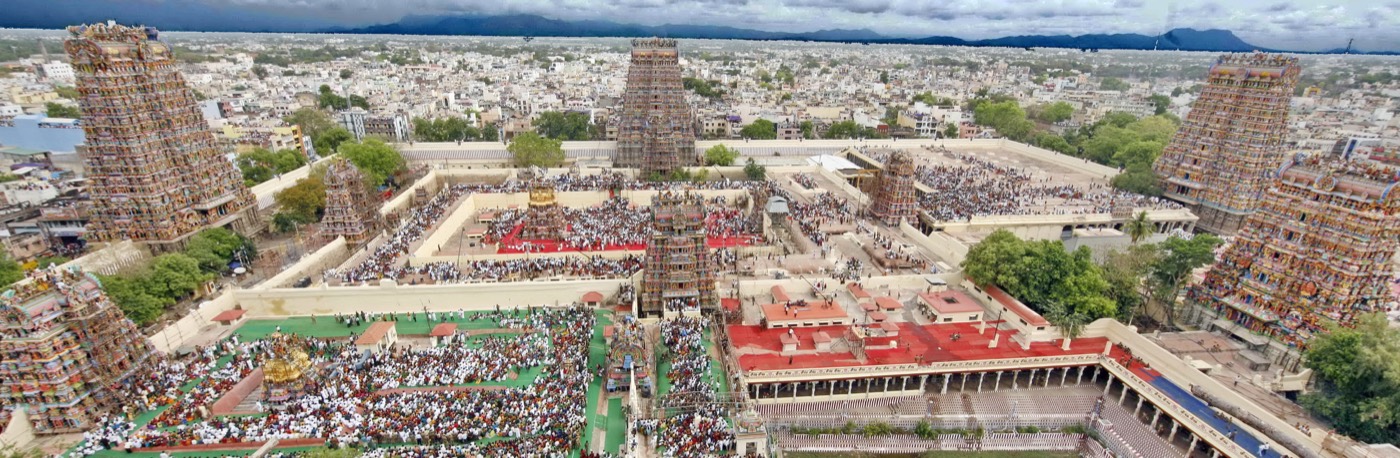
Meenakshi Amman Temple
Madurai, Tamil Nadu
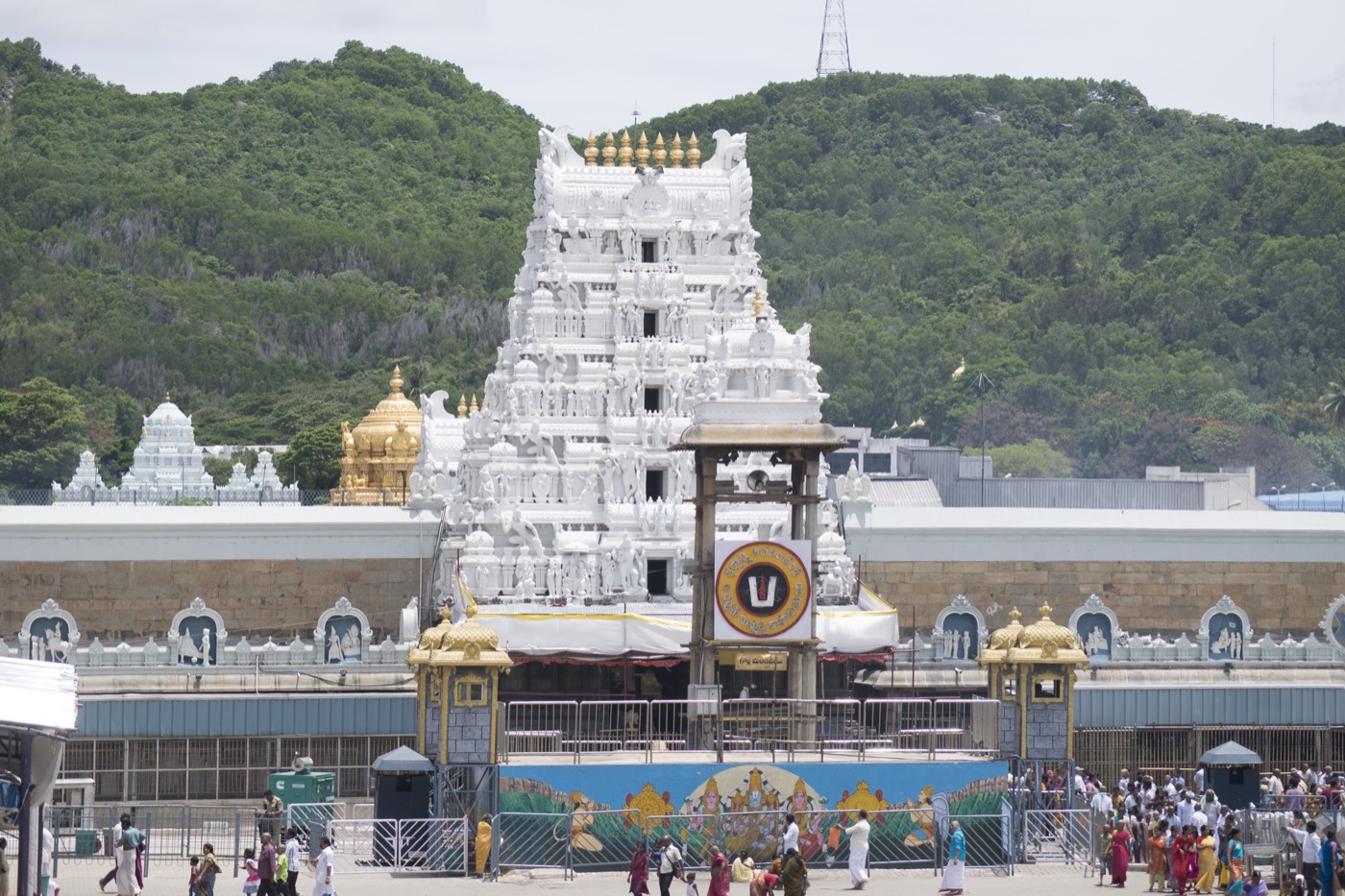
Tirupati Balaji Temple (Sri Venkateswara Swamy, Tirumala)
Tirupati, Andhra Pradesh
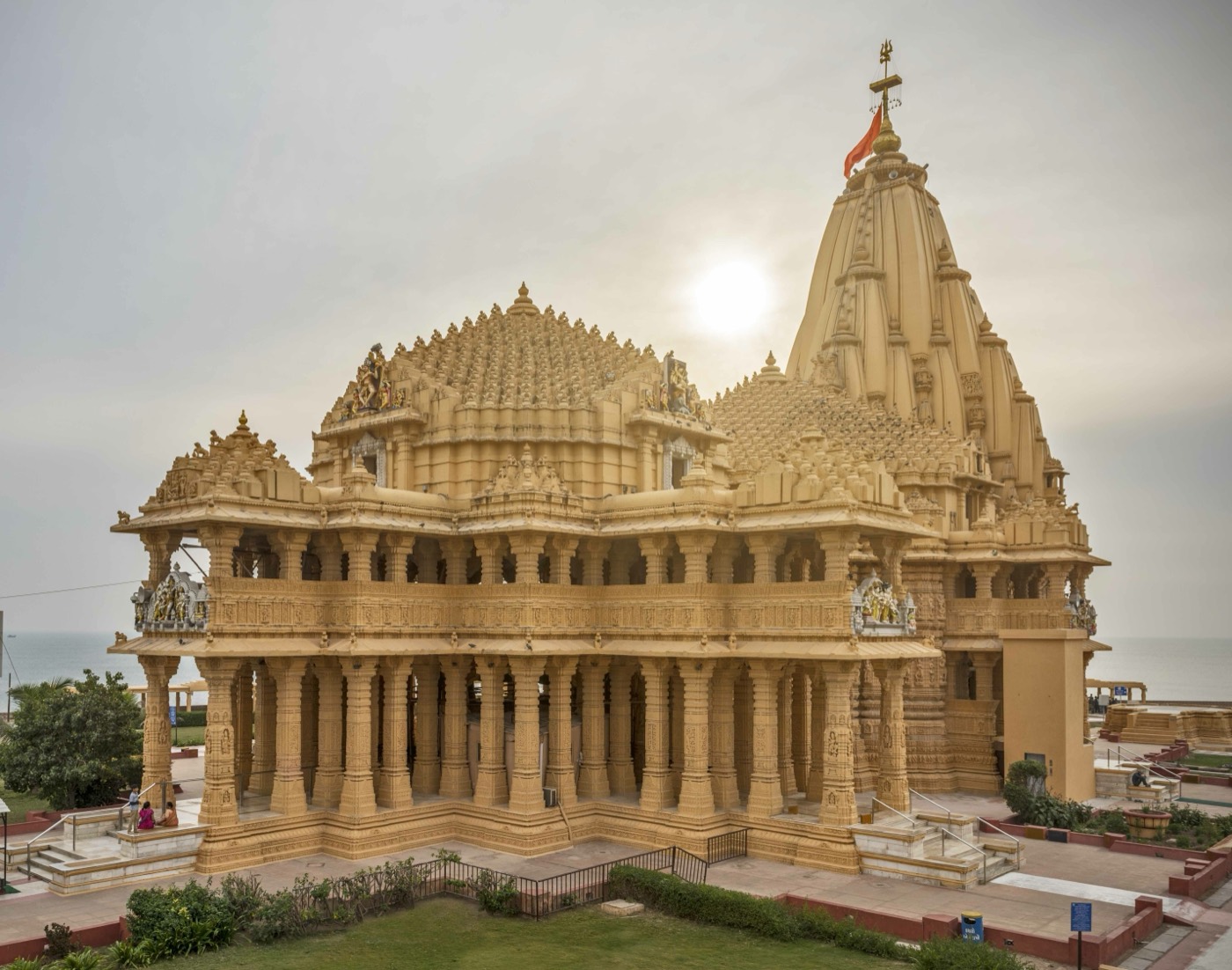
Somnath Temple
Gir Somnath, Gujarat
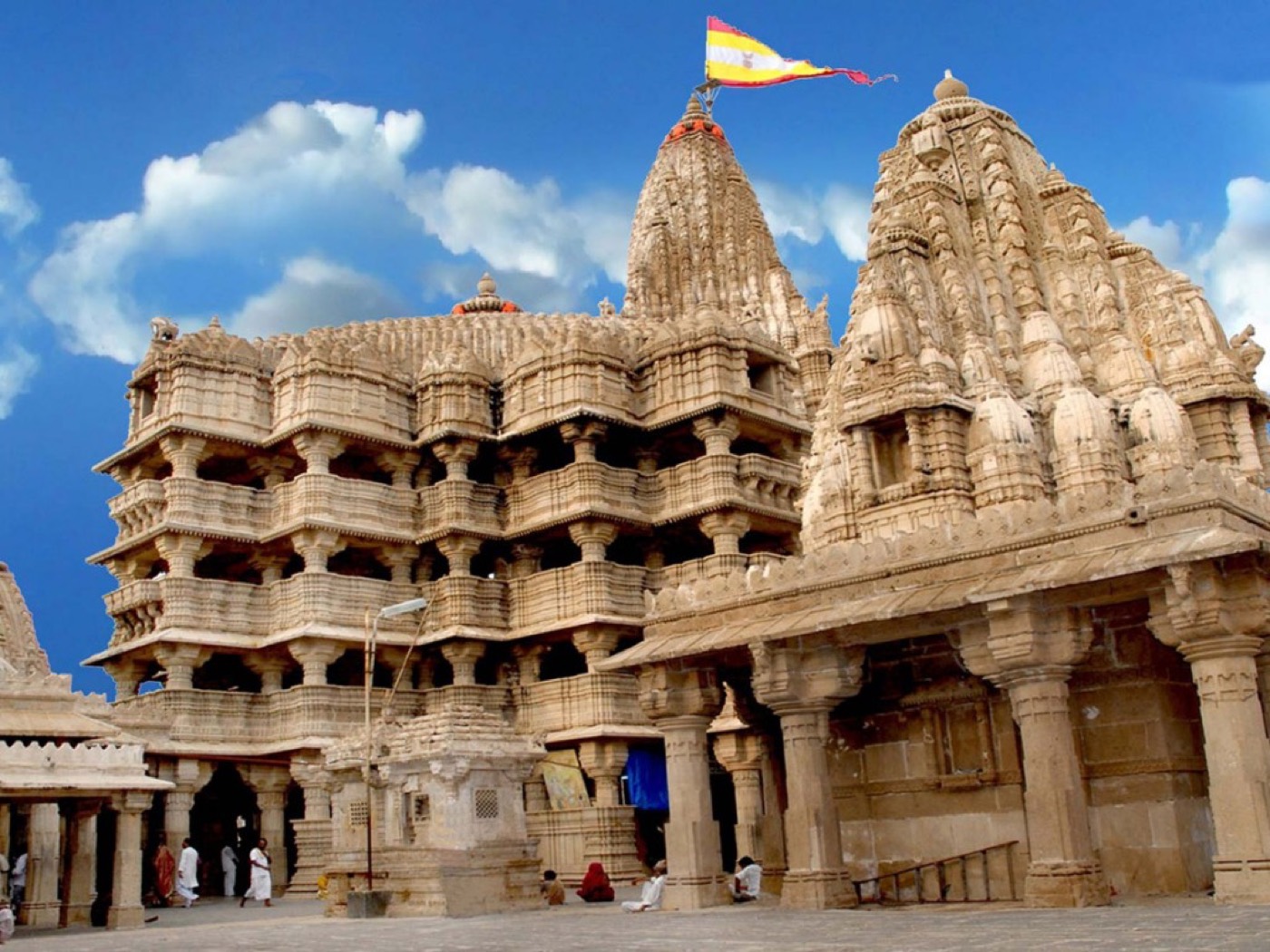
Dwarkadhish Temple (Jagat Mandir), Dwarka
Devbhumi Dwarka, Gujarat
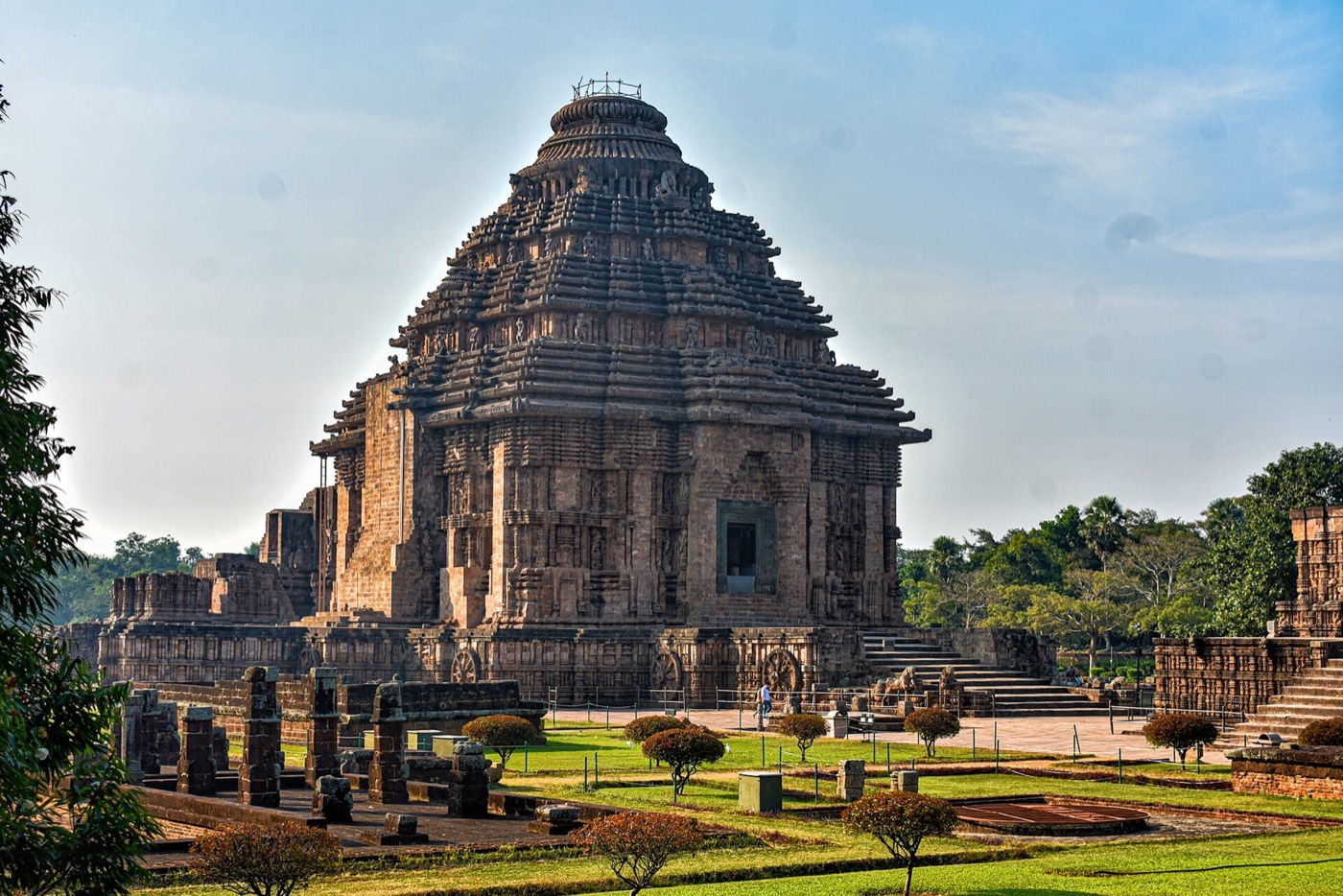
Konark Sun Temple
Puri, Odisha
Sabarimala and Makaravilakku, the January headline
Sabarimala is a seasonal shrine deep in the Periyar Tiger Reserve, and January is its crescendo. The Mandala-Makaravilakku season runs from roughly mid-November to mid-January, and it closes with Makaravilakku on Makara Sankranti, around 14 January, when the Makara Jyothi light is sighted at Ponnambalamedu and the temple sees the biggest single-day gathering of its year. Once the season ends the sanctum shuts, reopening only for the first five days of each Malayalam month and for Vishu in April.
This is not a temple you add to a trip casually. Pilgrims traditionally observe the 41-day vratham before the climb and carry the irumudi kettu, and only those bearing it may climb the 18 holy steps. Entry is free but virtual-Q online booking is required in season. Vehicles stop at Pamba, and in the peak rush private cars are held at Nilackal, approx 20 km short of Pamba, with shuttle buses covering the last leg. From Pamba the route to the Sannidhanam is a barefoot forest climb of approx 5 km.
For January darshan, treat the first half of the month as the only window and expect extended hours, crowd control and heavy demand for the limited beds at Pamba and Sannidhanam. The nearest convenient railhead is Chengannur, approx 90 km from Pamba. If the vratham and the trek are not for you, choose another January temple; there is no shortcut.
Tamil Nadu and Tirumala in the month of Thai
Mid-January opens Thai, the Tamil harvest month associated with Pongal, and the festival calendar follows it. At Meenakshi Amman Temple in Madurai, under its 14 gopurams with the tallest at approx 52 m, the Float Festival falls in the January to February window, when the deities are floated on an illuminated raft around the Mariamman Teppakulam tank. The temple keeps its year-round rhythm, 5:00 AM to 12:30 PM and 4:00 PM to 10:00 PM with a firm midday break, so plan darshan for the morning or after 4:00 PM.
Murugan devotees have the month's most intense processions. Thaipusam at Palani falls on the Thai full moon, in the January to February window, and is that temple's single biggest crowd of the year, while Tiruchendur observes Thai Poosam in the same window with kavadi processions and special abhishekams. Both are crowded, all-day affairs.
At Tirumala, the Vaikunta Ekadasi and Vaikunta Dwaram observances fall in the December to January Dhanurmasam window and rank among the temple's most auspicious and most crowded days. Free Sarva Darshan waits swing from about 2 to 3 hours on a quiet day to 12 hours or more at peaks, so a January visit is a queue-management exercise. Book the Special Entry Darshan, approx Rs 300 on the TTD portal, or walk up the Alipiri footpath, approx 9 km and around 3,550 steps, which earns foot pilgrims the faster Divya Darshan queue. Srirangam's own Vaikunta Ekadasi, in the Margazhi window of December to January, opens the Paramapada Vasal for the only time in the year.
The Gujarat coast in Sankranti season
January is the Saurashtra coast at its friendliest, inside the October to March window with Somnath's winter range at 15C to 28C. Somnath keeps long, simple hours, 6:00 AM to 10:00 PM with aartis at 7:00 AM, 12 noon and 7:00 PM, and the light and sound show from 8:00 PM to 9:00 PM. Dwarkadhish runs the classic seva day, 6:30 AM to 1:00 PM and 5:00 PM to 9:30 PM, with the dhwaja flag hauled by hand up the approx 78 m spire several times a day.
Makar Sankranti, Gujarat's kite festival on 14 January, pulls big darshan crowds and is a notably busy day at Virpur's Jalaram temple. Later in the month the calendar stays generous. Modhera Sun Temple stages the Uttarardh Mahotsav dance festival in the third week of January, just after Uttarayan, and Khodaldham at Kagvad marks its Patotsav on 21 January.
Pair the two great shrines the traditional way: Dwarka first, with the Nageshwar Jyotirlinga an easy approx 17 km add-on, then the approx 230 km coastal drive to Somnath, with Bhalka Tirth approx 5 km away marking where Krishna departed the earth. Both towns are well set up for pilgrims, from the Shree Somnath Trust guesthouses beside the temple to Dwarka's dharamshalas, where rooms commonly run from about Rs 200 to Rs 2000 a night by aggregate booking-site estimates.
Konark, the winter monument visit
Konark Sun Temple is the odd one out in this list because it is a monument, not a living shrine. The main tower fell long ago, the sanctum is empty, and there is no aarti or darshan queue. You buy a ticket, approx Rs 40 for Indians and approx Rs 600 for foreign visitors, and walk the great stone chariot of Surya, built around 1250 CE with its 24 carved wheels and 7 horses, open 6:00 AM to 8:00 PM daily.
January sits between Konark's two headline events, the December dance festival and the Magha Saptami bathing at Chandrabhaga in February, which is precisely its appeal: comfortable weather and relatively ordinary days at a site on the UNESCO World Heritage list since 1984. Come for sunrise, when first light strikes the east-facing chariot, and pair it with the Jagannath Temple in Puri, approx 35 km away along Marine Drive.
What is closed or difficult in January
The Himalayan shrines are the month's big absence. Our data for Yamunotri notes plainly that the high shrine is closed in this season even as Basant Panchami is celebrated in the region. This guide does not carry verified winter schedules for the other high Uttarakhand shrines such as Badrinath, Kedarnath and Gangotri, so research any Himalayan plan separately.
Vaishno Devi is the notable one that stays open. The data records heavy holiday footfall from late December into January, with snow on the upper reaches and a cold climb for those who come prepared. Other limits are partial. Sabarimala shuts once the Makaravilakku season ends in mid-January, Dwarkadhish closes every afternoon from 1:00 PM to 5:00 PM, and the Vaikunta Ekadasi window at Tirumala and Srirangam brings the year's heaviest queues.
The January festival calendar
The table below gathers the January observances recorded in our cross-temple index. Fixed civil dates are given as dates; anything lunar gets a window, because the exact day moves each year. Two entries deserve a note. Udupi's Paryaya Mahotsava happens only once every two years, most recently held on 18 January 2026, and Kolhapur's Kiranotsav depends on the sun's position, so its late January to early February dates are approximate.
| Temple | Festival | When | What to expect |
|---|---|---|---|
| Sabarimala, Kerala | Makaravilakku | Makara Sankranti, around 14 January | The biggest single-day gathering of the temple's year |
| Tirupati Balaji, Tirumala | Vaikunta Ekadasi and Vaikunta Dwaram | December to January (Dhanurmasam) | Among the most auspicious and most crowded days of the year |
| Ranganathaswamy, Srirangam | Vaikunta Ekadasi | Margazhi, December to January | Paramapada Vasal opens; draws around a million visitors |
| Palani Murugan | Thaipusam | Thai full moon, January to February | Kavadi processions; the single biggest crowd of the year |
| Tiruchendur Murugan | Thai Poosam | January to February (Thai) | Kavadi processions and special abhishekams |
| Meenakshi Amman, Madurai | Float Festival (Theppam) | January to February (Thai) | Deities floated on the Mariamman Teppakulam tank |
| Udupi Sri Krishna Matha | Paryaya Mahotsava | January, once every two years; last held 18 January 2026 | Grand handover of worship between the Ashta Mathas |
| Modhera Sun Temple | Uttarardh Mahotsav | Third week of January | Three-day classical dance festival at the lit temple |
| Virpur Jalaram Bapa Temple | Makar Sankranti | 14 January | Busy darshan day in Gujarat's kite season |
| Khodaldham, Kagvad | Patotsav | 21 January | Foundation-day celebration by the Leuva Patel Samaj |
| Dakshineswar Kali, Kolkata | Kalpataru Utsav | 1 January | Commemorates Sri Ramakrishna's blessing of devotees |
| Ram Mandir, Ayodhya | Pran Pratishtha anniversary | 22 January | Special pujas mark the consecration anniversary |
| Mahalakshmi, Kolhapur | Kiranotsav | Late January to early February, approx | The setting sun's rays fall directly on the deity |
The six temples at a glance
Here is how the six featured temples compare in January. Timings marked approx shift with crowd control and festival load, so reconfirm close to your date.
| Temple | State | January status | Darshan hours | Nearest railhead |
|---|---|---|---|---|
| Sabarimala | Kerala | Open until the season ends mid-January | approx 3:00 AM to 1:00 PM and 3:00 PM to 11:00 PM, extended on peak days | Chengannur, approx 90 km |
| Meenakshi Amman, Madurai | Tamil Nadu | Open, daily midday break | 5:00 AM to 12:30 PM and 4:00 PM to 10:00 PM | Madurai Junction, approx 1 to 2 km |
| Tirupati Balaji, Tirumala | Andhra Pradesh | Open, near round the clock | approx 2:30 AM to approx 1:00 AM | Tirupati, approx 26 km via ghat road |
| Somnath | Gujarat | Open daily | 6:00 AM to 10:00 PM | Somnath, approx 0.5 km |
| Dwarkadhish, Dwarka | Gujarat | Open, long afternoon closure | 6:30 AM to 1:00 PM and 5:00 PM to 9:30 PM | Dwarka, approx 2 km |
| Konark Sun Temple | Odisha | Open as a monument, no darshan queue | 6:00 AM to 8:00 PM | Puri, approx 35 km |
A suggested January itinerary
If you have the leave for one substantial trip, split it into a southern leg and a western leg. Start in Madurai for Meenakshi's morning darshan and the old-city streets around the gopurams, then move north, with Tiruchirappalli approx 130 to 140 km away, about 2.5 to 3 hours on NH38, for Srirangam. Finish the leg at Tirumala. Chennai, the nearest big city, is approx 140 to 150 km from Tirupati, about 3 to 4 hours by road, and Srikalahasti makes a classic same-day add-on approx 36 km away.
The western leg is a gentler trip. Travel into Saurashtra by rail or air, take Dwarka and Nageshwar together, drive the coast to Somnath, and keep an evening for the light and sound show. If Sankranti week suits your dates, Modhera's dance festival in the third week of January is worth building the Gujarat leg around.
If you would rather trade one leg for the east, Odisha in January is an easy circuit. Bhubaneswar's airport is approx 65 km from Konark, Puri is approx 35 km away along Marine Drive, and the monument's 6:00 AM opening makes a sunrise visit straightforward. Sabarimala, finally, is not an itinerary stop at all. It is its own journey, with its own vow, and the only honest way to include it is to plan the trip around it.
| Leg | Approx distance | Notes |
|---|---|---|
| Madurai to Tiruchirappalli (for Srirangam) | approx 130 to 140 km | About 2.5 to 3 hours on NH38 |
| Chennai to Tirupati | approx 140 to 150 km | About 3 to 4 hours; cars need a permit for the ghat road |
| Tirupati to Srikalahasti | approx 36 km | Classic same-day add-on from Tirupati |
| Dwarka to Nageshwar Jyotirlinga | approx 17 km | Easy add-on before the coastal drive |
| Dwarka to Somnath | approx 230 km | The classic Saurashtra coastal pairing |
| Somnath to Bhalka Tirth | approx 5 km | The site marking Krishna's departure from earth |
| Puri to Konark | approx 35 km | About 1 hour along Marine Drive |
| Bhubaneswar airport to Konark | approx 65 km | Roughly 1.5 to 2 hours by road |
Frequently asked questions
Is Sabarimala open in January?
Which temples in India have big festivals in January?
Is January a good time to visit Somnath and Dwarka?
Are the Himalayan Char Dham temples open in January?
How long is the darshan wait at Tirupati in January?
Can you visit Konark Sun Temple in January?
Compiled from our verified temple guides and public sources including Kerala Tourism, Sabarimala rituals and how to reach · Tirumala Tirupati Devasthanams (TTD) official portal · Shree Somnath Trust official FAQ · Wikipedia: Dwarkadhish Temple · UNESCO World Heritage List (Sun Temple, Konarak). Timings and festival dates shift with the lunar calendar; confirm before you travel.