The short answer first. If you can travel in February, plan around Mahashivratri. Bhavnath Mahadev at the foot of Girnar in Junagadh holds a five-day mela around it, with the temple open round the clock and ash-smeared Naga sadhus processing to a midnight bath in the Mrigi Kund. Khatu Shyam Ji in Rajasthan runs its Phalgun build-up in the same stretch of the lunar calendar, leading into the biggest fair on its calendar. Both are lunar events, so the exact dates shift every year.
The Jyotirlingas carry the month too. Somnath on the Gujarat coast keeps its sanctum open through Mahashivratri night. Kashi Vishwanath in Varanasi counts it as the grandest festival of its year. Mahakaleshwar in Ujjain runs nearly around the clock on the night, and Srikalahasti in Andhra Pradesh folds it into a Brahmotsavam that runs roughly thirteen days.
The trade-off is honest: February's best temple experiences are also its most crowded. What follows covers the festival windows, the darshan hours that actually apply in winter, what stays shut in the Himalaya, and a Saurashtra itinerary that strings the Gujarat shrines together without wasted kilometres.
Why February suits temple travel
Almost every temple in this guide names October to March as its comfortable season, and February is the last full month of that window. Srikalahasti's own recommended stretch is October to February, so for the Andhra leg the month is effectively the closing act of the season.
The weather case is easiest to make on the coast. In winter Somnath's coastal heat eases to a pleasant 15C to 28C, which matters more than it sounds when you are barefoot on stone forecourts for an hour. Inland, Junagadh and the Girnar foothills are cool enough to pair a temple morning with a hill climb, something nobody sensibly attempts there between April and June.
For Rajasthan and Madhya Pradesh, February is the last comfortable month before summer. Khatu Shyam Ji is still on its winter timetable through February, and Ujjain sits in the same October to March comfort window, which is exactly why the crowds peak now rather than later.
The Mahashivratri window, and why there is no fixed date
Mahashivratri is observed on Krishna Chaturdashi, the fourteenth night of the waning moon, in the month counted as Magha in some regional calendars and Phalguna in others. Because it follows the lunar calendar it has no fixed civil date: some years it lands in February, other years in early March. Check the current year's panchang before booking anything, and treat every February date you see online with suspicion until you have.
What actually happens on the ground differs sharply from shrine to shrine, and it is worth knowing the shape of each before you commit.
| Temple | What happens | How long it runs |
|---|---|---|
| Bhavnath Mahadev, Junagadh | Five-day mela with Naga sadhu akharas; torchlit Ravedi to Mrigi Kund and a midnight mahapuja | Temple open 24 hours for approx 5 days |
| Somnath, Gujarat | All-night worship and abhishek; the sanctum stays open through the night | One night, with hours often extended past 10 PM |
| Kashi Vishwanath, Varanasi | Night-long vigil and special abhishekam, the temple's grandest festival | Peak days often run through the night |
| Mahakaleshwar, Ujjain | Night-long darshan with queues stretching through the night | Runs nearly around the clock |
| Khatu Shyam Ji, Sikar | Phalgun Lakkhi Mela builds in the same lunar month, with pilgrims walking in with Nishan flags | About 12 days, ending 8 to 9 days before Holi |
| Srikalahasti, Andhra Pradesh | Maha Shivaratri Brahmotsavam with processional deities on vahanas; Lingodbhavam observed at midnight | Roughly 13 days |
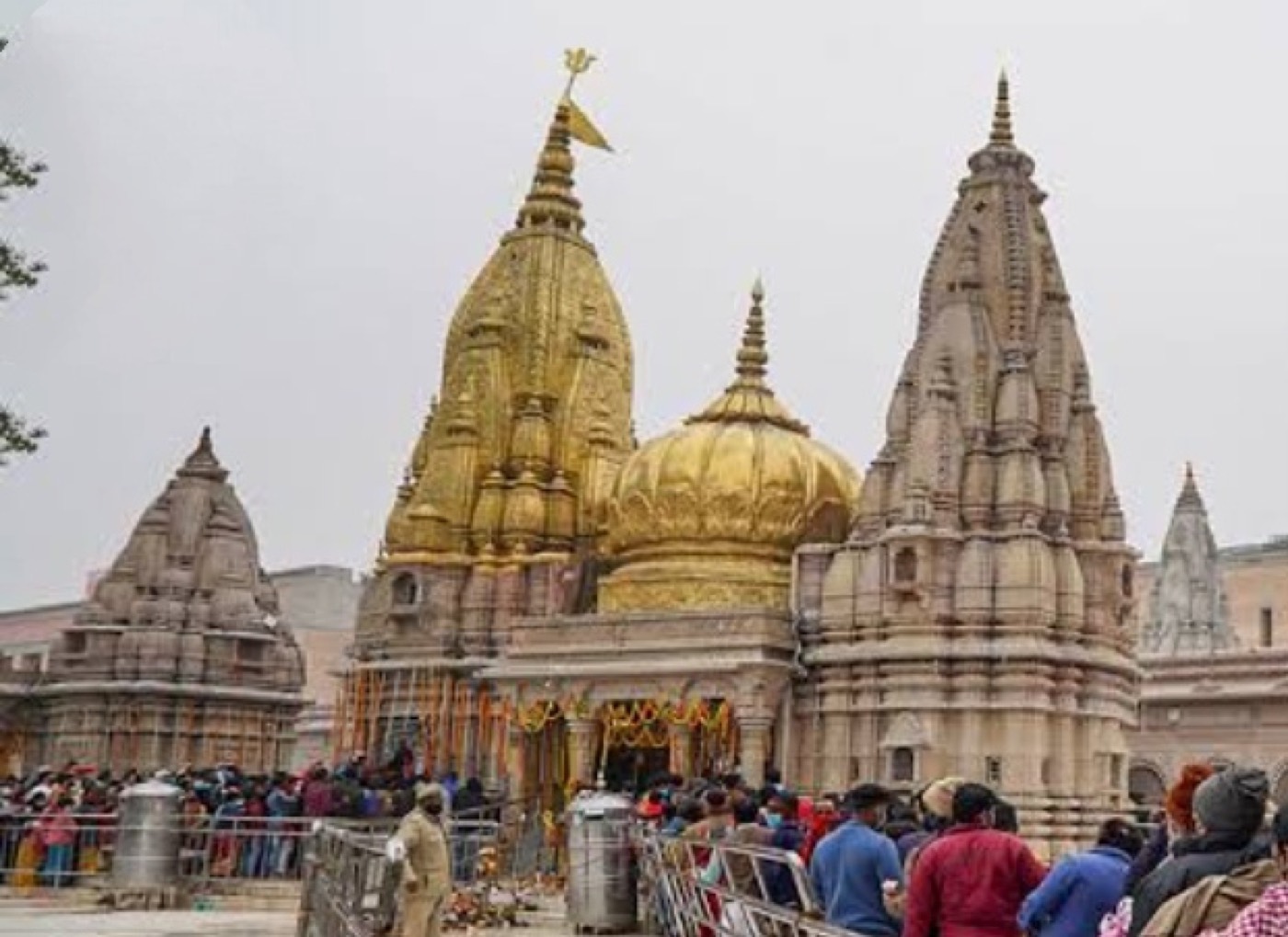
Kashi Vishwanath Temple
Varanasi, Uttar Pradesh
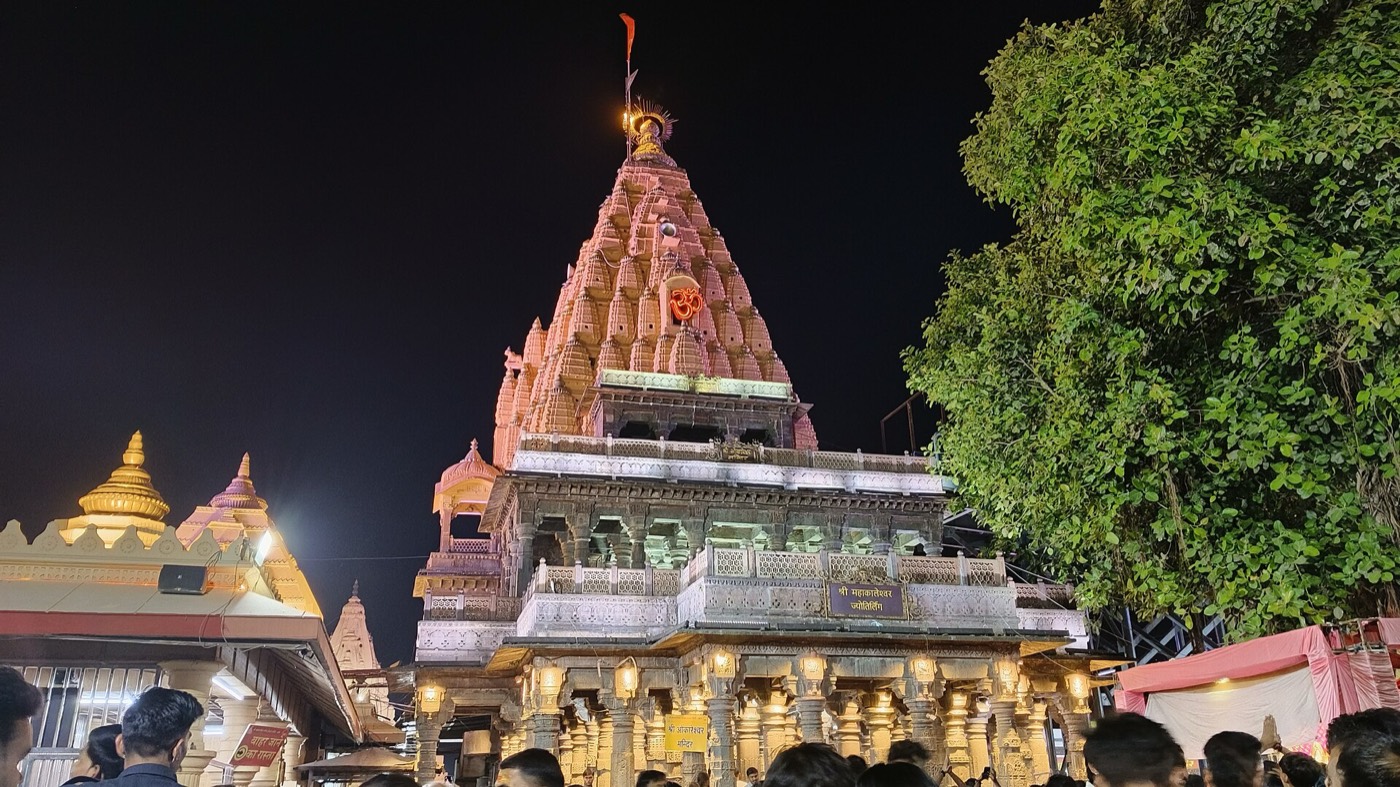
Mahakaleshwar Jyotirlinga, Ujjain
Ujjain, Madhya Pradesh
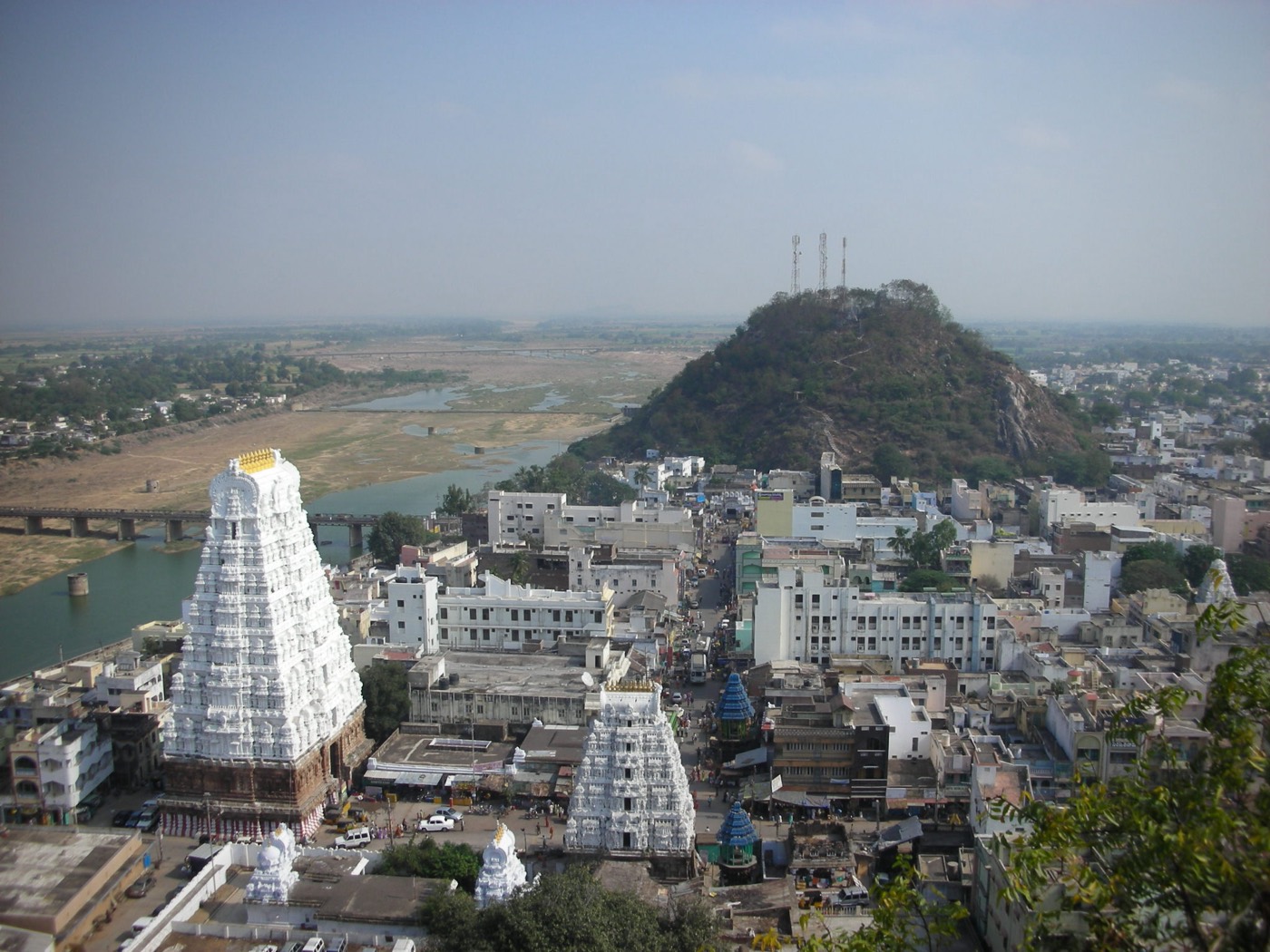
Srikalahasti Temple (Srikalahasteeswara)
Tirupati, Andhra Pradesh
The Bhavnath mela at Junagadh
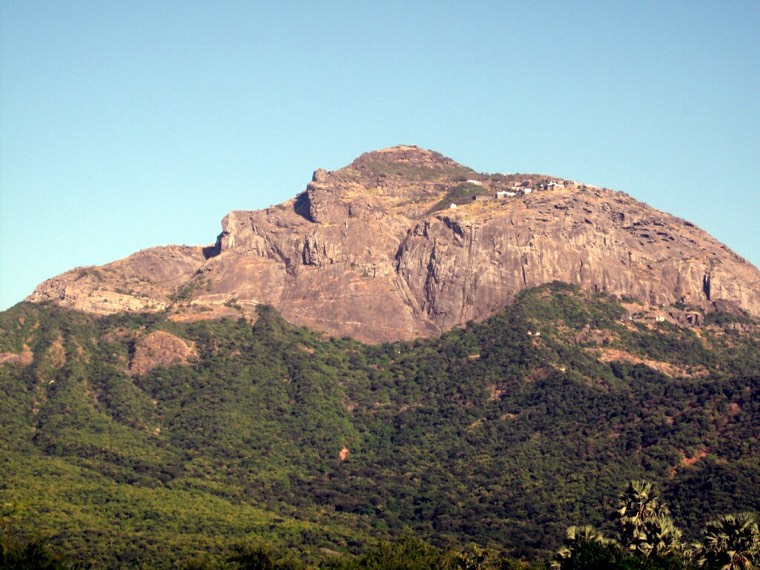
For most of the year Bhavnath Mahadev is a quiet, free-entry temple at Girnar Taleti, the base where trekkers pause before climbing Girnar. Around Mahashivratri it becomes the stage for the Bhavnath Mela, a five-day fair that draws lakhs of pilgrims to the taleti and turns the hill foot into a tent city of akharas and dhuni fires.
The centrepiece is the main night. Ash-smeared Naga sadhus from various akharas move in a torchlit Ravedi procession to the Mrigi Kund tank for a midnight holy bath, followed by the grand mahapuja of Bhavnath Mahadev. Through the mela the temple stays open 24 hours, against its usual 6:30 AM to 9:00 PM darshan window.
Logistics are simple on paper. Junagadh Junction is approx 5 to 6 km away on the Rajkot to Veraval line, and the Rajkot and Porbandar airports are both approx 102 to 103 km out. In practice, rooms near the taleti fill fast for the mela week, so book well ahead or stay in Junagadh city and make the short hop by auto.
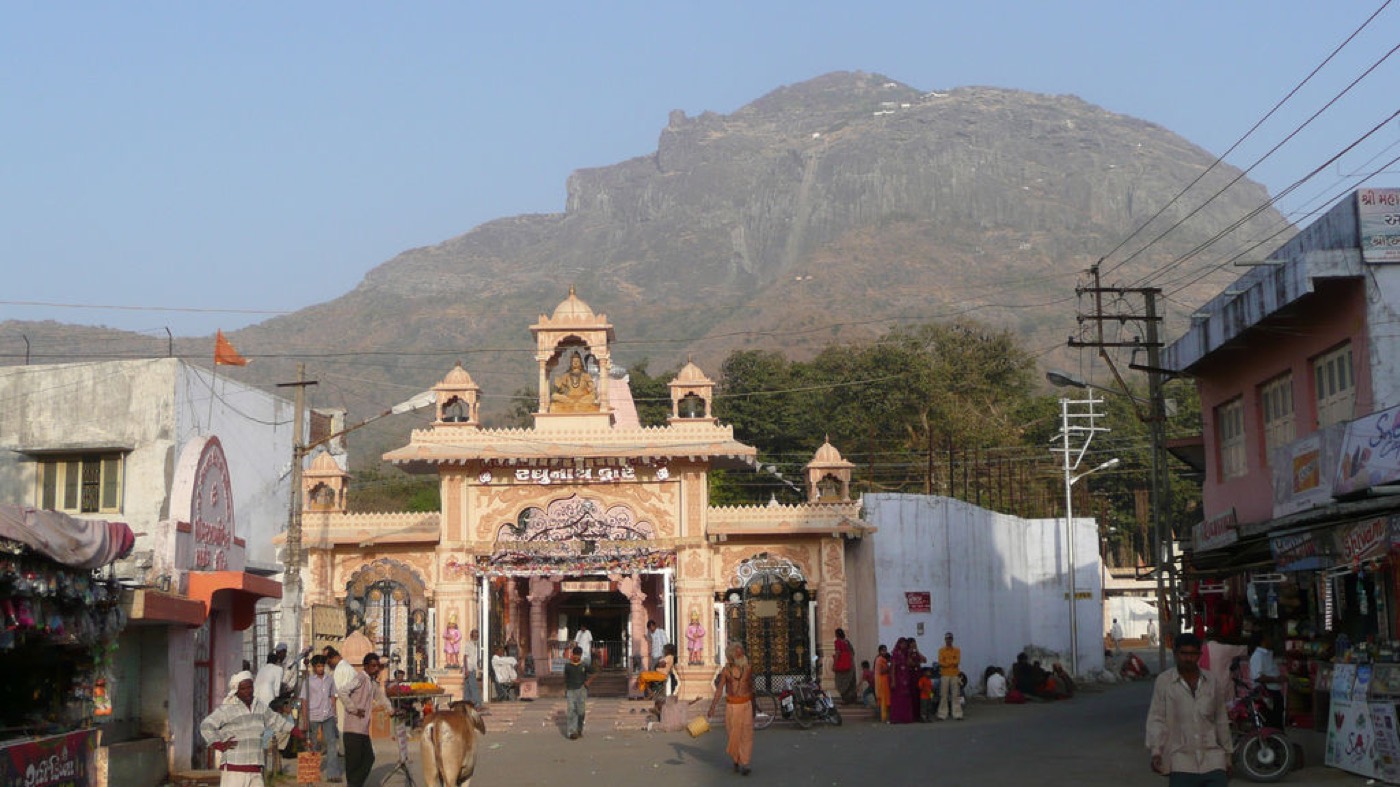
Bhavnath Mahadev Temple
Junagadh, Gujarat
Girnar Temples (Girnar Parvat)
Junagadh, Gujarat
Khatu Shyam and the Phalgun build-up
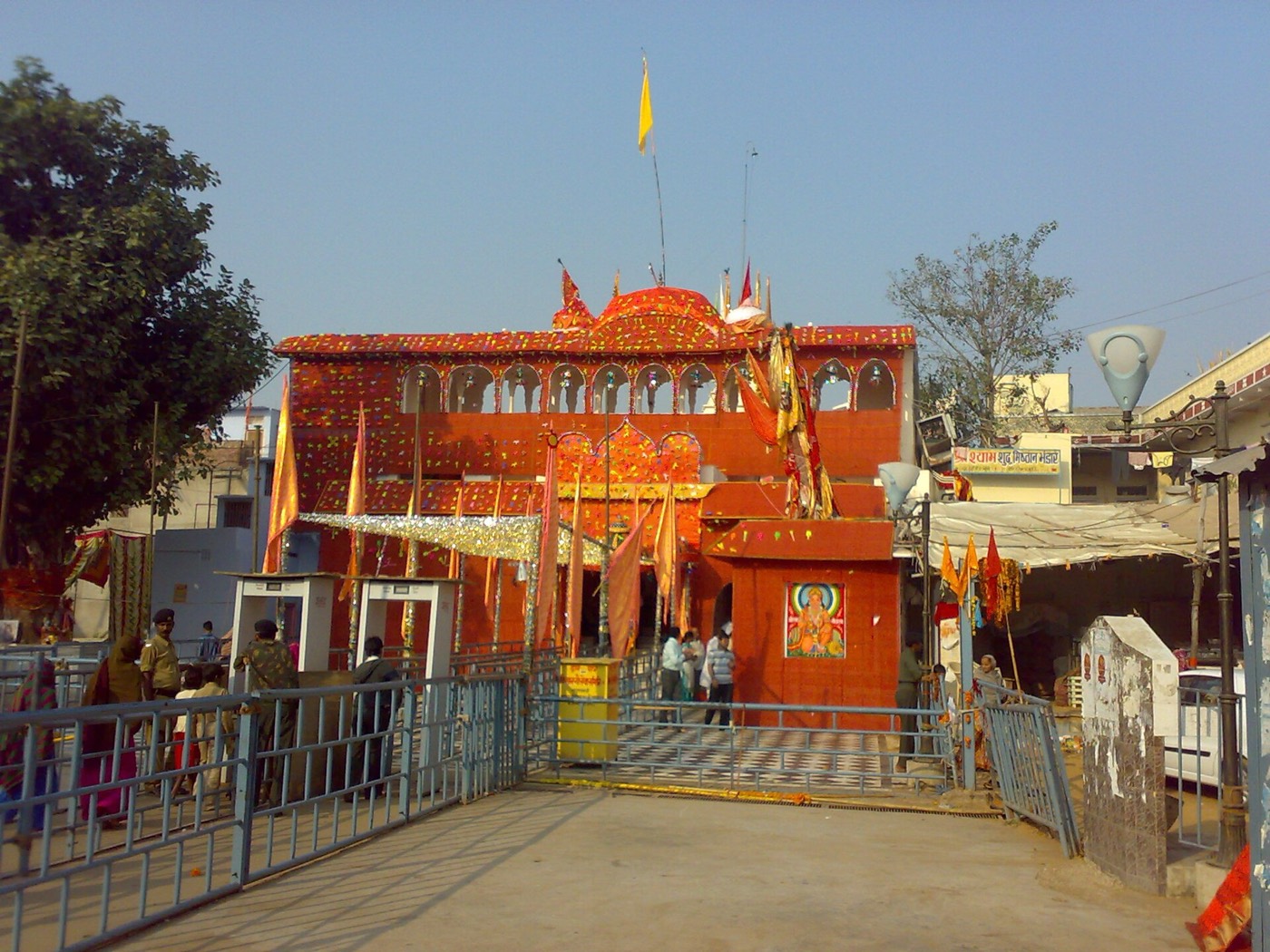
The shrine of Barbarika at Khatu, in Rajasthan's Sikar district, holds its biggest fair in the lunar month of Phalgun, which spans February and March. The Phalgun Lakkhi Mela runs roughly twelve days, from around Pratipada to Dwadashi, and ends about 8 to 9 days before Holi. The climax is Phalguna Shukla Ekadashi, the day Barbarika's severed head is believed to have become immortal.
Whether the mela itself falls in February or March depends on where Holi lands that year, so a February visit can catch either the calm before the fair or the fair in full flow. During the mela, vehicles are stopped well outside town and pilgrims walk the final stretch carrying triangular Nishan flags, so budget extra hours and expect diversions.
Outside the mela, remember the winter timetable. From approximately November to February the temple opens at 5:30 AM, with darshan from 6:00 AM to 1:00 PM and again from 5:00 PM to 9:00 PM, and a long rest break in between. Ringas Junction, approx 17 km away, is the nearest railhead, and Jaipur is approx 80 km by road, about 2 hours.
Other February festival windows worth planning around
Mahashivratri is not the only reason to travel this month. February carries a run of festivals across traditions, from sun worship at Konark to float festivals in the Tamil country. All of these follow lunar or solar calendars, so treat every entry below as a window, not a date, and confirm the current year before booking.
Two of these deserve a flag. Kolhapur's Kiranotsav is tied to the sun's position: over three days the rays of the setting sun pass through the west doorway and fall directly on the deity, and the winter window sits around late January to early February. And Tirupati Balaji's Rathasapthami compresses a mini-Brahmotsavam into a single February day, with the Lord taken out on seven different vahanas. At Dakor, the Fuldol Poonam crowd includes lakhs of padayatris who walk in from Ahmedabad and across Gujarat.
| Temple | Festival | Window |
|---|---|---|
| Konark Sun Temple, Odisha | Magha Saptami and the Chandrabhaga Mela, with a dawn bathing fair at Chandrabhaga beach | February (Magha month) |
| Palani Murugan, Tamil Nadu | Thaipusam, with kavadi processions | Full moon of Tamil Thai, January to February |
| Meenakshi Amman, Madurai | Float Festival (Theppam) on the Mariamman Teppakulam tank | January to February (Thai) |
| Kamakshi Amman, Kanchipuram | Maasi Mahotsavam, with chariot and float processions | Mid-February to mid-March (Masi) |
| Guruvayur, Kerala | Kumbham Utsavam, the ten-day annual festival | February to March (Kumbham month) |
| Tirupati Balaji, Tirumala | Rathasapthami, seven vahanas in one day | February (Magha month) |
| Mahalakshmi (Ambabai), Kolhapur | Kiranotsav, the sun-ray festival | Around late January to early February (approx) |
| Dakor Ranchhodrai, Gujarat | Fuldol Poonam, the temple's largest gathering | Full moon of Falgun, February to March |
| Banke Bihari, Vrindavan | Phoolon wali Holi, the flower Holi | February or March (Phalguna Purnima) |
What is closed, and where winter hours bite
February is deep winter in the high Himalaya, and the high shrines are simply not open. Kedarnath is snowbound, and its Mahashivratri is celebrated at Ukhimath, where the deity winters; the coming season's opening date is traditionally announced around now. Yamunotri stays closed too, with Basant Panchami marked regionally in January or February while the high temple itself remains shut.
In the plains nothing closes for the season, but winter timetables bring long midday breaks that catch first-time visitors out. The table below is the February picture at the featured temples, plus one notable winter-break example from Kolkata.
Treat every clock time here as approximate. These hours come from temple trusts and travel listings, they shift with priest schedules and festival days, and on Mahashivratri itself most of these shrines abandon the normal timetable entirely.
| Temple | Winter darshan | Midday break |
|---|---|---|
| Bhavnath Mahadev, Junagadh | 6:30 AM to 9:00 PM (24 hours during the Shivratri mela) | None noted |
| Somnath, Gujarat | 6:00 AM to 10:00 PM | None; darshan briefly regulated during each aarti |
| Kashi Vishwanath, Varanasi | Opens 2:30 AM, closes 11:00 PM | Sanctum closed for Bhog Aarti, approx 11:15 AM to 12:20 PM |
| Mahakaleshwar, Ujjain | Approx 4:00 AM to 11:00 PM | None noted |
| Khatu Shyam Ji, Sikar | 6:00 AM to 1:00 PM, then 5:00 PM to 9:00 PM | Approx 1:00 to 5:00 PM |
| Srikalahasti, Andhra Pradesh | 6:00 AM to 9:00 PM, extended to approx 9:30 PM on weekends | No long fixed midday closure |
| Dakshineswar Kali, Kolkata | 6:00 AM to 12:30 PM, then 3:00 PM to 8:30 PM in winter | Approx 12:30 to 3:00 PM |
One itinerary that uses February well
If you want a single route that captures the month at its best, take the Saurashtra coast. Fly into Rajkot and cover the roughly 100 km to Junagadh by NH27, basing yourself in the city or out at Girnar Taleti. Trains work too: Junagadh Junction sits on the Rajkot to Veraval line.
Give Junagadh two days. One for Bhavnath Mahadev and the taleti, one for Girnar itself, up its 9,000-plus steps or by ropeway. If your dates line up with the mela, add a night and accept the crowds; the midnight Ravedi is unlike anything else in this guide. If they do not, you get the same temple and mountain in near quiet.
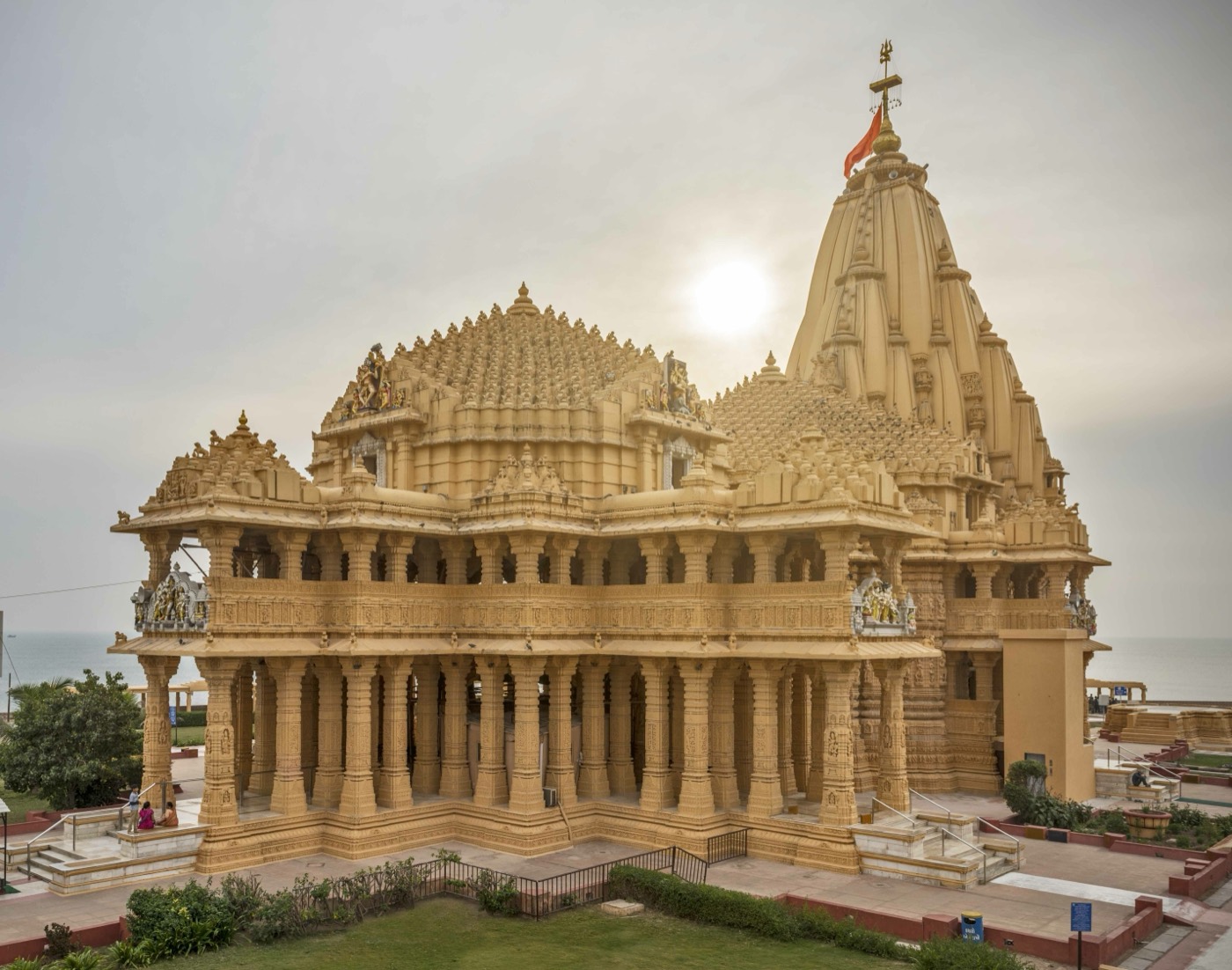
Then drive approx 85 to 90 km south to Somnath. The temple runs 6:00 AM to 10:00 PM with aartis at 7 AM, 12 noon and 7 PM, and the light and sound show fills the 8 PM to 9 PM slot on the forecourt. Bhalka Tirth, where Krishna was struck by the hunter's arrow, is approx 5 km away and rounds out a half day. The Shree Somnath Trust guesthouses beside the temple are the most convenient place to sleep, if you can get a room.
Closing the loop is easy. Somnath station is approx 0.5 km from the temple for the small halt services, and Veraval Junction, approx 7 km away, handles long-distance trains towards Rajkot, Ahmedabad and Mumbai.
Bookings, tickets and dress rules to sort before you go
Some of February's best moments are ticketed and capacity-limited, and demand spikes precisely when the month peaks, so this is the part to handle early.
At Mahakaleshwar the Bhasma Aarti, approx 4:00 to 6:00 am, usually requires advance booking, and permits are hardest to get around Mahashivratri. The dress code there is the strictest of the six featured shrines: men in dhoti and women in saree or full salwar suit for sanctum entry during the aarti, with the head customarily covered.
At Kashi Vishwanath the pre-dawn Mangala Aarti, 3:00 to 4:00 AM, is entry by ticket or advance booking, and the evening Sapt Rishi Aarti is also booked ahead through the official portal. General darshan is free, with a paid Sugam slot at approx Rs 250 per person. For sparsh darshan of the lingam, traditional dress is expected: men in dhoti-kurta, women in saree.
At Srikalahasti the Rahu-Ketu puja runs 6:00 am to 6:00 pm daily in ticketed batches, at roughly Rs 300 to Rs 2500 depending on the seva, and all puja material is supplied at the counter. Somnath bars electronics inside altogether, phones included, so plan around the cloakroom near the main gate.
The good news for the budget: general darshan at all six featured temples is free. What you pay for in February is the special access, and the earlier you book it, the calmer the month gets.
Frequently asked questions
Is Mahashivratri in February or March?
When is the Bhavnath mela in Junagadh held?
When is the Khatu Shyam Falgun Mela?
Which famous temples are closed in February?
Do I need to book anything in advance for Mahashivratri?
Is February a good time to visit temples in Rajasthan and Madhya Pradesh?
Compiled from our verified temple guides and public sources including Shree Somnath Trust official FAQ · Shri Kashi Vishwanath official portal - Rituals · YatraDham Blog - Bhavnath Mahashivratri Mela 2026 · Wikipedia: Phalguna Mela · Ujjain District, Government of Madhya Pradesh (festivals). Timings and festival dates shift with the lunar calendar; confirm before you travel.