
Shravan is the fifth month of the Hindu lunar calendar, falling in July and August, and it belongs to Shiva. The signature practice is jal abhishek, the offering of water on the lingam, and the signature phenomenon is the kanwar yatra, in which saffron-clad devotees carry Ganga water on shoulder-poles over long distances to a Shiva shrine.
The result is that every Jyotirlinga changes character. Kashi Vishwanath records Shravan as the single busiest stretch of its year, with lakhs of kanwariyas pouring Ganga water on the lingam every Sawan Monday. Baidyanath runs a month-long fair. Mahakaleshwar sends its deity through the city on a palanquin every Monday of the month.
One practical honesty before the detail: Shravan falls in the monsoon, which is precisely when hill routes are at their worst. The month rewards the plains temples and punishes the mountain ones.
What Shravan changes at each Jyotirlinga
Eight of the twelve Jyotirlingas appear in our guides with a specific Shravan observance recorded. Here is what each does.
| Jyotirlinga | What Shravan brings | Verdict |
|---|---|---|
| Baidyanath, Deoghar | The month-long Shravani Mela; Kanwariyas carry Ganga water approx 105 km on foot from Sultanganj; near round-the-clock queue darshan | The epicentre; millions attend |
| Kashi Vishwanath | Every Sawan Monday brings lakhs of kanwariyas; the single busiest stretch of the year | Extraordinary, but overwhelming |
| Mahakaleshwar, Ujjain | Shravan Mondays bring the Mahakal Sawari palanquin procession through the city; extended hours | The most theatrical Shravan |
| Trimbakeshwar | Shravani Somvar Mondays draw enormous crowds and special abhisheks; queues run for hours | Peak; several times the normal wait |
| Grishneshwar | Shravan and Mahashivratri bring near-continuous darshan through day and night | Extended hours, heavy |
| Somnath | Continuous special poojas and a steady stream of pilgrims through the monsoon | Busy but manageable |
| Nageshwar | Extended hours and heavy crowds on Shravan Mondays | Manageable outside Mondays |
| Srisailam | The southern equivalent falls in Karthika rather than Shravan, with Karthika Somavaram Mondays | Different calendar, same logic |
The kanwar yatra and Deoghar's Shravani Mela
The largest single expression of Shravan in our data is at Baba Baidyanath Dham in Deoghar. Its Shravani Mela runs for the whole month, and saffron-clad Kanwariyas carry Ganga water approximately 105 km on foot from Sultanganj to bathe the linga, with millions attending. Through the mela the temple's ordinary hours dissolve into near round-the-clock queue darshan.
This is not a festival you attend casually. The town, its roads and its accommodation are given over entirely to the pilgrimage, the walking route itself becomes a corridor of camps and kitchens, and the queue at the shrine is measured in hours. For anyone who wants to understand Indian religious life at scale, it is unmatched. For anyone who wants a quiet darshan of a Jyotirlinga, it is the single worst month to visit.
The Sawan Mondays
Within the month, Mondays multiply everything. Kashi's guide is blunt: every Sawan Somwar brings lakhs of kanwariyas pouring Ganga water on the lingam, making it the busiest stretch of the temple's year. Trimbakeshwar records Shravani Somvar drawing enormous crowds with queues running for hours, several times the normal wait. Grishneshwar records Shravan Mondays drawing very large gatherings with extended timings.
Ujjain does something unique with them. Every Monday in Shravan, the Mahakal Sawari palanquin procession carries the deity through the city, which our guide names among the most powerful days to visit. It is the rare case where the crowd is the point: the procession is a public event that belongs to the streets rather than the queue, so you can witness it without standing in line at all.
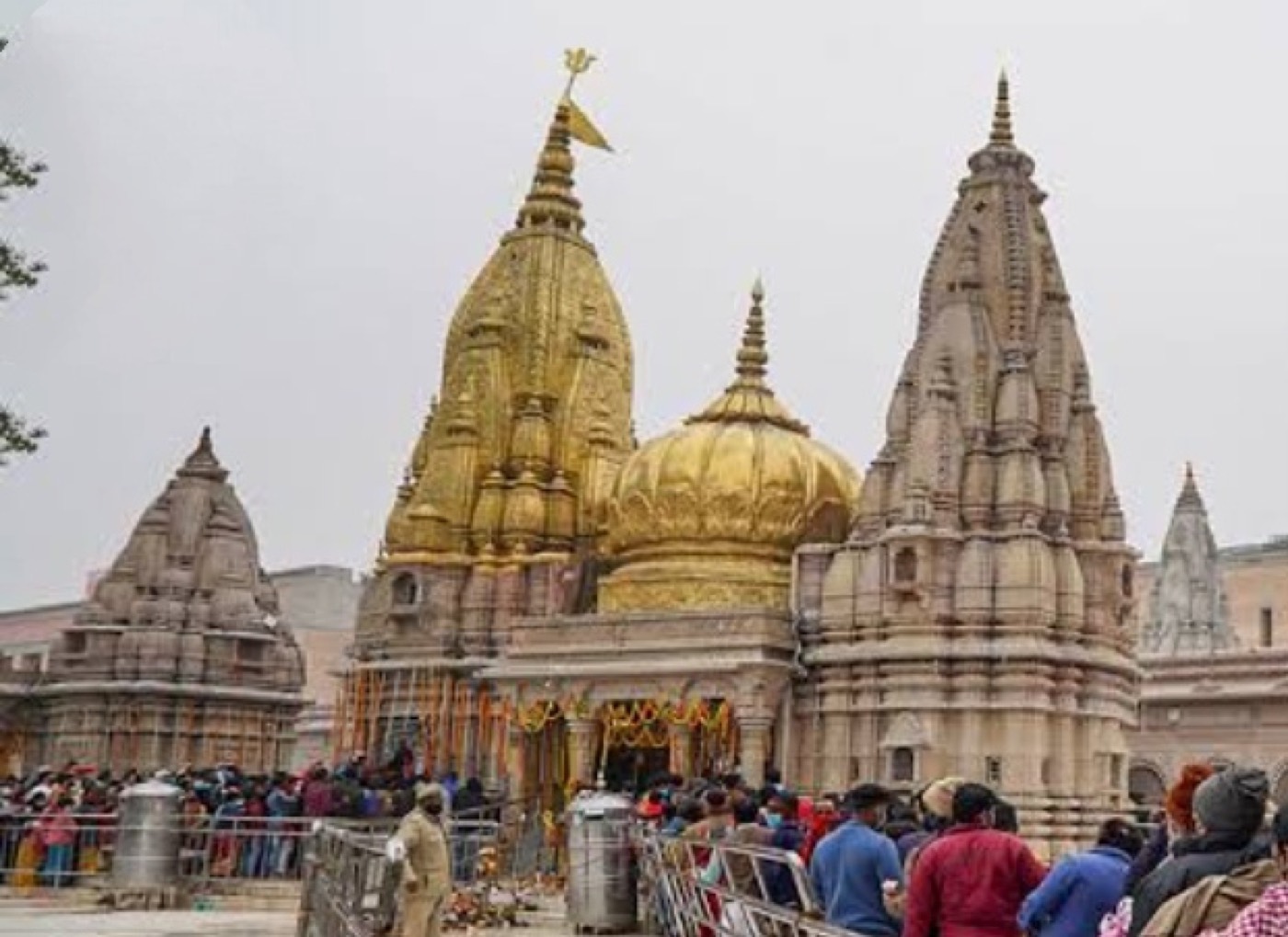
Kashi Vishwanath Temple
Varanasi, Uttar Pradesh
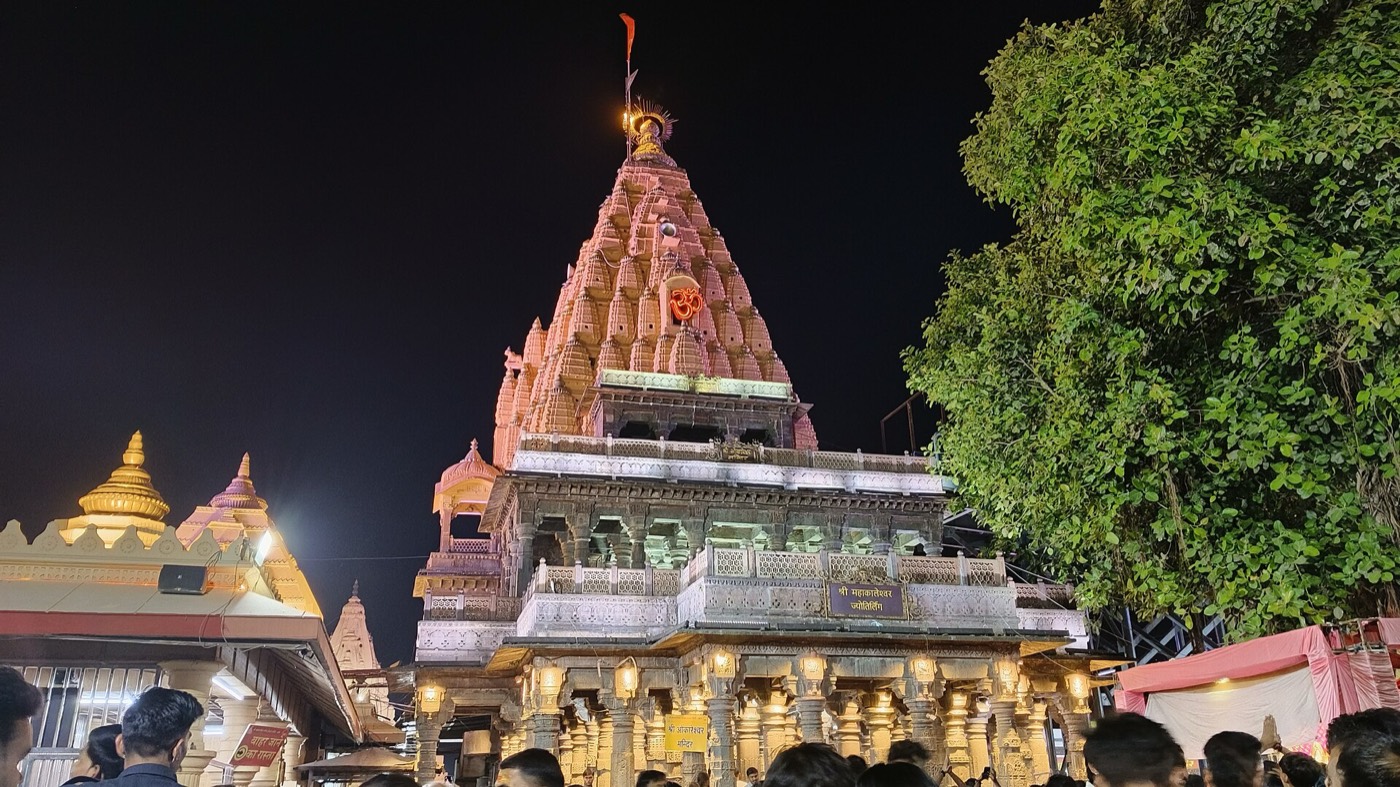
Mahakaleshwar Jyotirlinga, Ujjain
Ujjain, Madhya Pradesh
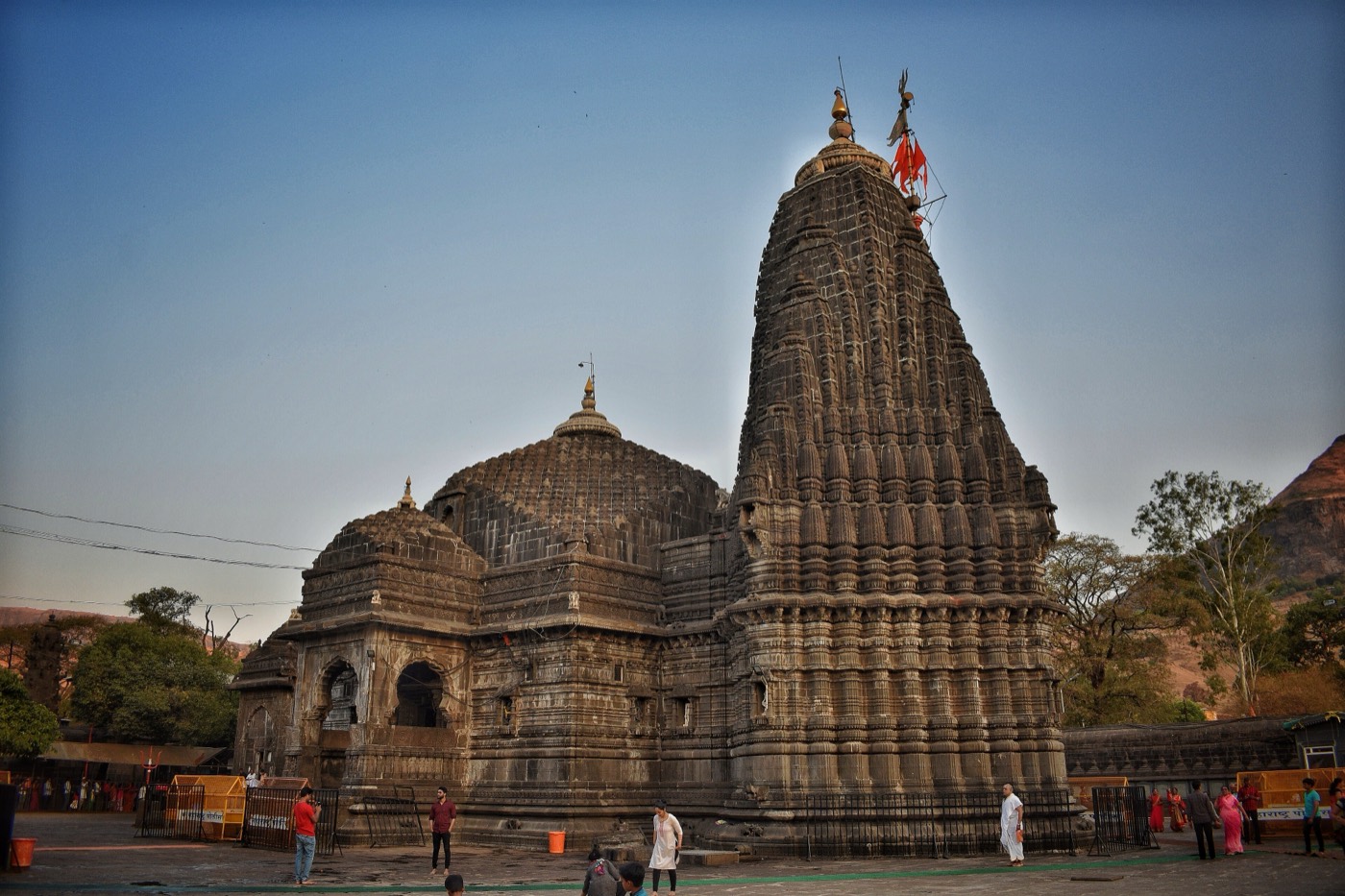
Trimbakeshwar Jyotirlinga Temple
Nashik, Maharashtra
Beyond the Jyotirlingas
Shravan is not only a Jyotirlinga affair. Our Gujarat guides record the month clearly at smaller shrines: Bhavnath Mahadev notes extra devotees and daily jal-abhishek despite the rains, with the honest caveat that the surrounding hills are best avoided for trekking then. Kayavarohan and Galteshwar both record extended hours, heavy footfall and special abhishek through Shravan and on Mahashivratri.
In the Himalaya, Kedarnath records Shravan as the holiest month for Shiva with special Rudrabhishek and offerings, and adds the warning that it overlaps the risky monsoon. And Amarnath belongs to this season by nature: the ice lingam peaks in height on Shravan Purnima, and the yatra closes around Raksha Bandhan at the end of the month.
The monsoon problem
Shravan falls in the heart of the Indian monsoon, and that governs where the month can sensibly be spent. The plains Jyotirlingas, Kashi, Baidyanath, Ujjain, Somnath and Nageshwar, are all comfortably reachable in the rains, and their Shravan crowds are the reason to come or stay away.
The hills are another matter. Bhimashankar's ghat road turns misty and slippery in monsoon, and our guide advises driving it in daylight. Girnar's stone steps become dangerously slippery from mid-June to September. Kedarnath's Shravan devotion coincides with its riskiest travel weather. And Palitana, though a Jain tirth rather than a Shiva one, closes entirely for the monsoon Chaturmas across much of the same window.
The clean planning rule: spend Shravan on the plains, and save the hill shrines for October to February.
Which to embrace, which to avoid
Embrace Shravan if the devotional scale is what you have come for. Deoghar during the Shravani Mela and Kashi on a Sawan Monday are among the most extraordinary religious sights on earth, and Ujjain's Sawari procession gives you the spectacle without the sanctum queue. Go with a plan: book weeks ahead, arrive between Mondays rather than on them, expect long walks, and carry as little as possible.
Avoid Shravan if a calm darshan is the goal, and understand that this is not a small effect. Trimbakeshwar's guide describes several times the normal wait; Kashi's describes its busiest stretch of the entire year. The same twelve shrines in, say, late November offer the identical lingam, the identical rituals, and a fraction of the queue.
There is also a middle course worth naming: visit a Jyotirlinga on a Shravan weekday rather than a Monday. You get the garlanded, water-drenched atmosphere of the sacred month, the continuous abhishek, the pilgrim energy in the town, and none of the Monday multiplication. For most travellers, that is the best version of Shravan available.
Whatever you choose, understand what the month represents. Shravan is the largest voluntary movement of people in the Indian religious year, millions walking in the rain to pour river water on a stone, asking for nothing in particular. Whether you join the walk, watch the Sawari pass through Ujjain, or deliberately come back in November for a quiet darshan, it is worth knowing that this is the season the Jyotirlingas were built for, and the season in which they are most fully themselves.
Frequently asked questions
When is Shravan month?
What is the kanwar yatra?
Which Jyotirlinga is busiest during Shravan?
What is the Mahakal Sawari at Ujjain?
Should you visit temples during Shravan?
Is Shravan a good time for Kedarnath or hill temples?
Compiled from our verified temple guides and public sources including Shri Kashi Vishwanath Temple Trust: important parvas · Shree Somnath Trust: FAQ · Rudraprayag District: Kedarnath Yatra. Timings and festival dates shift with the lunar calendar; confirm before you travel.