A Jyotirlinga yatra is a different undertaking from visiting one famous Shiva temple. The shrines sit in nine states, and no rail line or highway strings them together. Pilgrims who try to force all twelve into one continuous journey spend most of it in transit and the least of it in darshan.
The geography, though, is kinder than it first looks. Two Jyotirlingas sit in Gujarat's Saurashtra, two in Madhya Pradesh within reach of one city, three in Maharashtra, and two more pair up in the east. That leaves three genuine solo journeys: Srisailam in Andhra Pradesh, Rameswaram at the southern tip, and Kedarnath in the high Himalaya.
Every figure below comes from our full temple guides, where each shrine has its own pages for timings, how to reach and where to stay. This page is the sequencing layer: which to combine, in what order, and when.
The twelve, at a glance
Tradition counts Somnath as the first of the twelve and Grishneshwar as the twelfth and last. Between them the list crosses the country: Nageshwar near Dwarka, Mallikarjuna at Srisailam, Mahakaleshwar at Ujjain, Omkareshwar on its Om-shaped island, Kedarnath in the Himalaya, Bhimashankar in the Sahyadris, Kashi Vishwanath in Varanasi, Trimbakeshwar near Nashik, Baidyanath at Deoghar and Ramanathaswamy at Rameswaram.
| Jyotirlinga | State | Nearest railhead | Distance |
|---|---|---|---|
| Somnath | Gujarat | Somnath halt / Veraval Junction | approx 0.5 km / approx 7 km |
| Nageshwar | Gujarat | Dwarka | approx 17 km |
| Mallikarjuna, Srisailam | Andhra Pradesh | Markapur Road | approx 85 km |
| Mahakaleshwar, Ujjain | Madhya Pradesh | Ujjain Junction | approx 2 km |
| Omkareshwar | Madhya Pradesh | Omkareshwar Road (Mortakka) | approx 12 km |
| Kedarnath | Uttarakhand | Rishikesh | approx 216 km to Gaurikund, then 16 km trek |
| Bhimashankar | Maharashtra | Pune Junction | approx 111 km |
| Kashi Vishwanath | Uttar Pradesh | Varanasi Junction (Cantt) | approx 4.5 km |
| Trimbakeshwar | Maharashtra | Nashik Road | approx 39 km |
| Baidyanath, Deoghar | Jharkhand | Baidyanathdham / Jasidih Junction | approx 1 km / approx 7 km |
| Grishneshwar | Maharashtra | Chhatrapati Sambhajinagar (AWB) | approx 30 km |
| Ramanathaswamy | Tamil Nadu | Rameswaram (RMM) | approx 2 km |
The seven-trip plan
Here is the whole campaign on one table. Seven trips, each of them a satisfying journey in its own right, and none of them rushed.
| Trip | Jyotirlingas covered | Gateway | Days | Season notes |
|---|---|---|---|---|
| Saurashtra pair | Somnath, Nageshwar | Veraval or Dwarka by rail | 2 to 3 | Year round; Somnath darshan runs 6 AM to 10 PM daily |
| Madhya Pradesh pair | Mahakaleshwar, Omkareshwar | Indore (approx 55 km to Ujjain, approx 77 km to Omkareshwar) | 2 to 3 | Year round; book Bhasma Aarti well ahead |
| Maharashtra trio | Trimbakeshwar, Grishneshwar, Bhimashankar | Nashik, Sambhajinagar and Pune | 3 to 4 | Bhimashankar's ghat road is misty and slippery in monsoon |
| Eastern leg | Kashi Vishwanath, Baidyanath | Varanasi, then rail to Jasidih | 3 to 4 | Avoid Shravan unless you want the melas themselves |
| Srisailam | Mallikarjuna | Hyderabad, approx 213 km by road | 2 | Forest ghat road restricts night movement |
| Southern island | Ramanathaswamy | Rameswaram by rail, or Madurai approx 173 km | 2 to 3 | Firm 1 to 3 PM midday closure every day |
| Himalayan climb | Kedarnath | Rishikesh, then Gaurikund and a 16 km trek | 4 to 5 | Open only late April or early May to around Bhai Dooj |
Trip one: the Saurashtra pair
Somnath and Nageshwar anchor the Gujarat coast. Somnath is the easier of all twelve to reach on foot from a train: the Somnath halt sits approx 0.5 km from the temple, with Veraval Junction approx 7 km away handling long-distance services. Nageshwar sits approx 17 km from Dwarka town, so pilgrims almost always fold it into a Dwarka visit, alongside Bet Dwarka and the Rukmini temple in a half-day loop.
This trip doubles as the classic Saurashtra coastal yatra, and its two Jyotirlingas are open through the year. Somnath keeps unusually generous hours, 6:00 AM to 10:00 PM daily. For Nageshwar, treat 6:00 AM to 9:00 PM as the safe window: sources disagree about a midday break, so aim for morning or late afternoon.
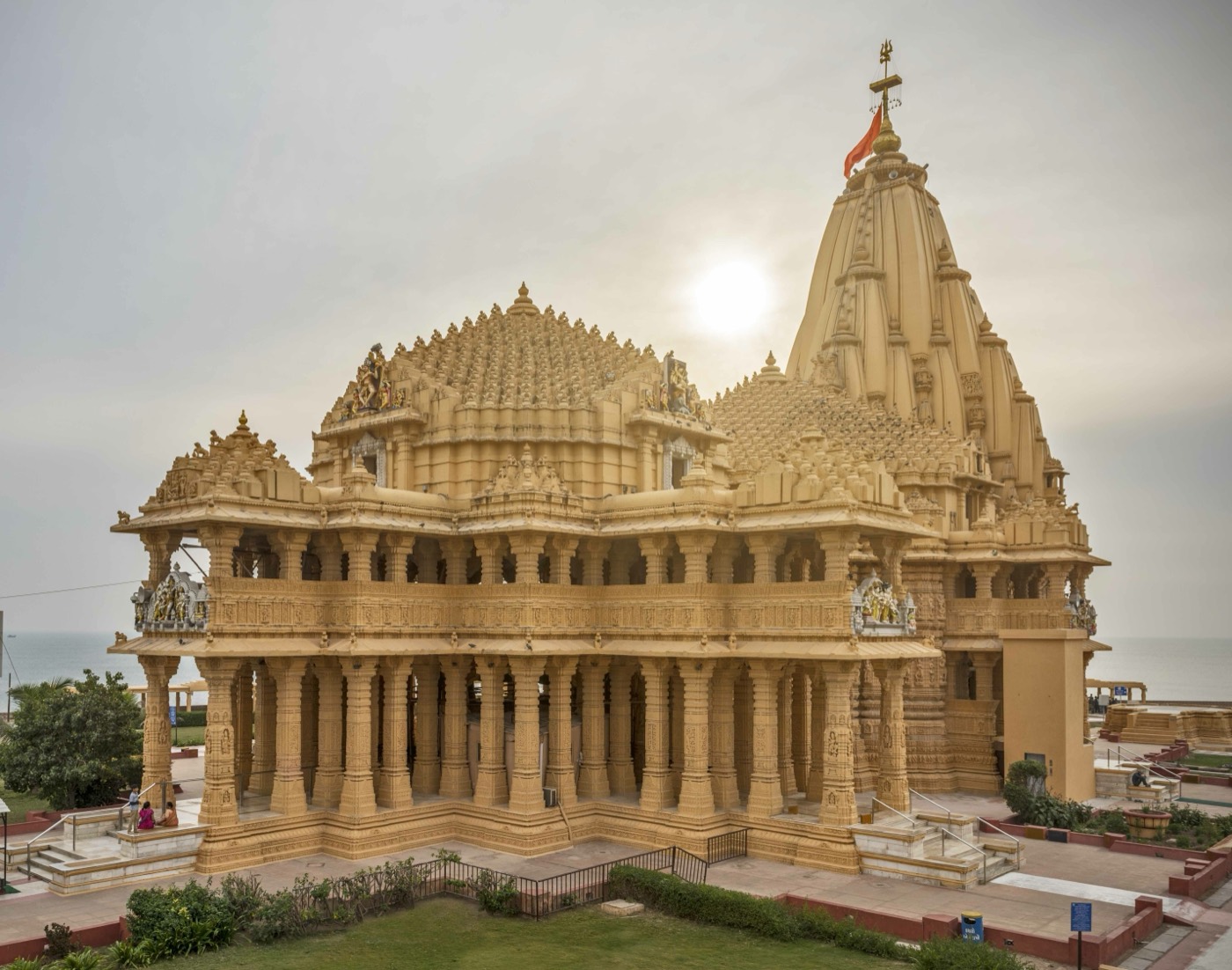
Somnath Temple
Gir Somnath, Gujarat
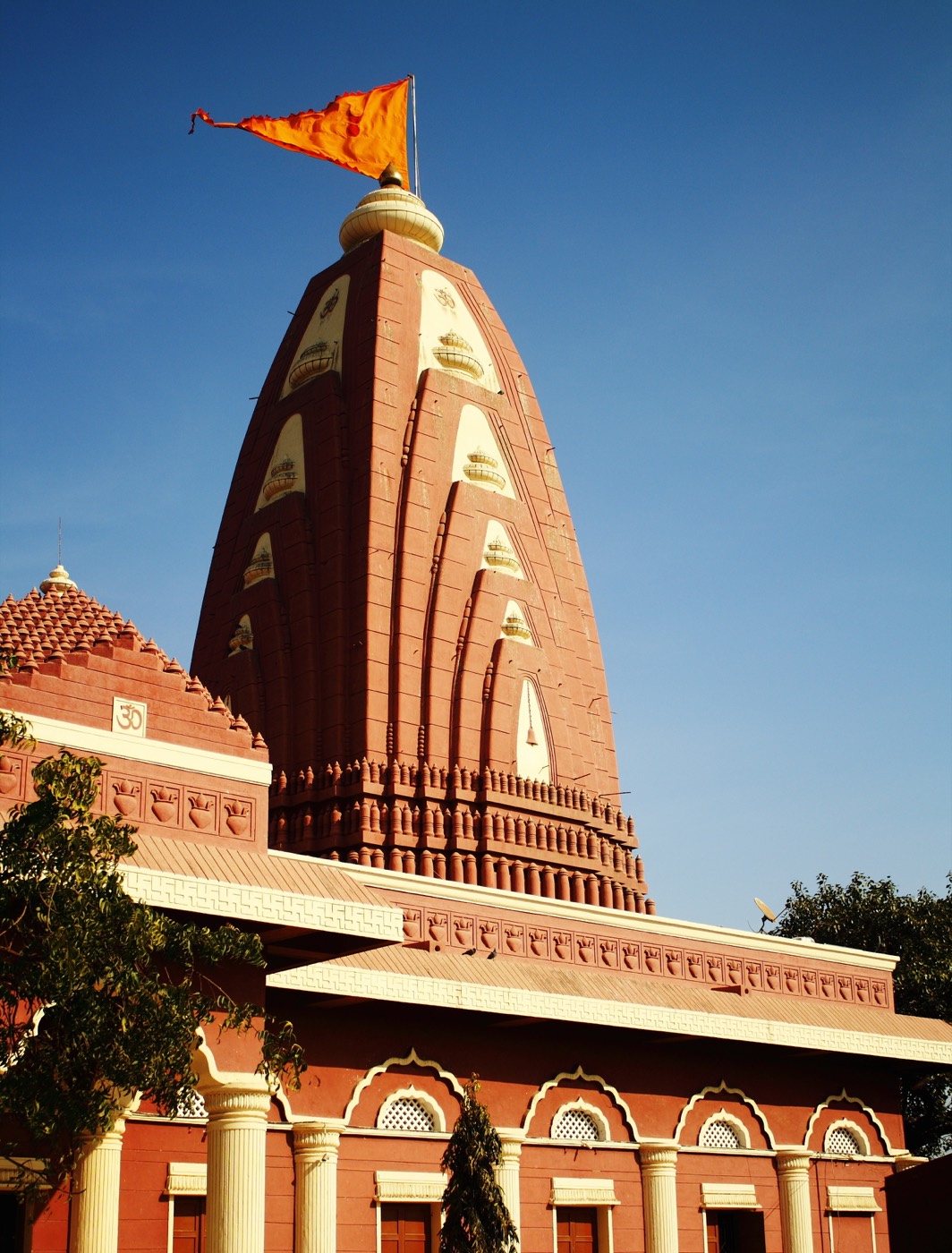
Nageshwar Jyotirlinga
Devbhumi Dwarka, Gujarat
Trip two: the Madhya Pradesh pair
Mahakaleshwar and Omkareshwar share a gateway city, Indore, with its airport approx 55 km from Ujjain and approx 83 km from Omkareshwar. Ujjain Junction itself is approx 2 km from the Mahakaleshwar temple, and Omkareshwar Road station approx 12 km from the island.
Mahakaleshwar is the only south-facing Jyotirlinga of the twelve, and its pre-dawn Bhasma Aarti is the single most sought ritual slot in central India, ticketed and booked out far in advance. Omkareshwar, worshipped as twin lingas on an island shaped like Om, pauses twice daily: roughly 12:20 to 1:15 PM for the midday offering and 4:00 to 4:30 PM for the evening adornment. Two unhurried days cover both; a third adds the parikrama and Ujjain's wider temple circuit.
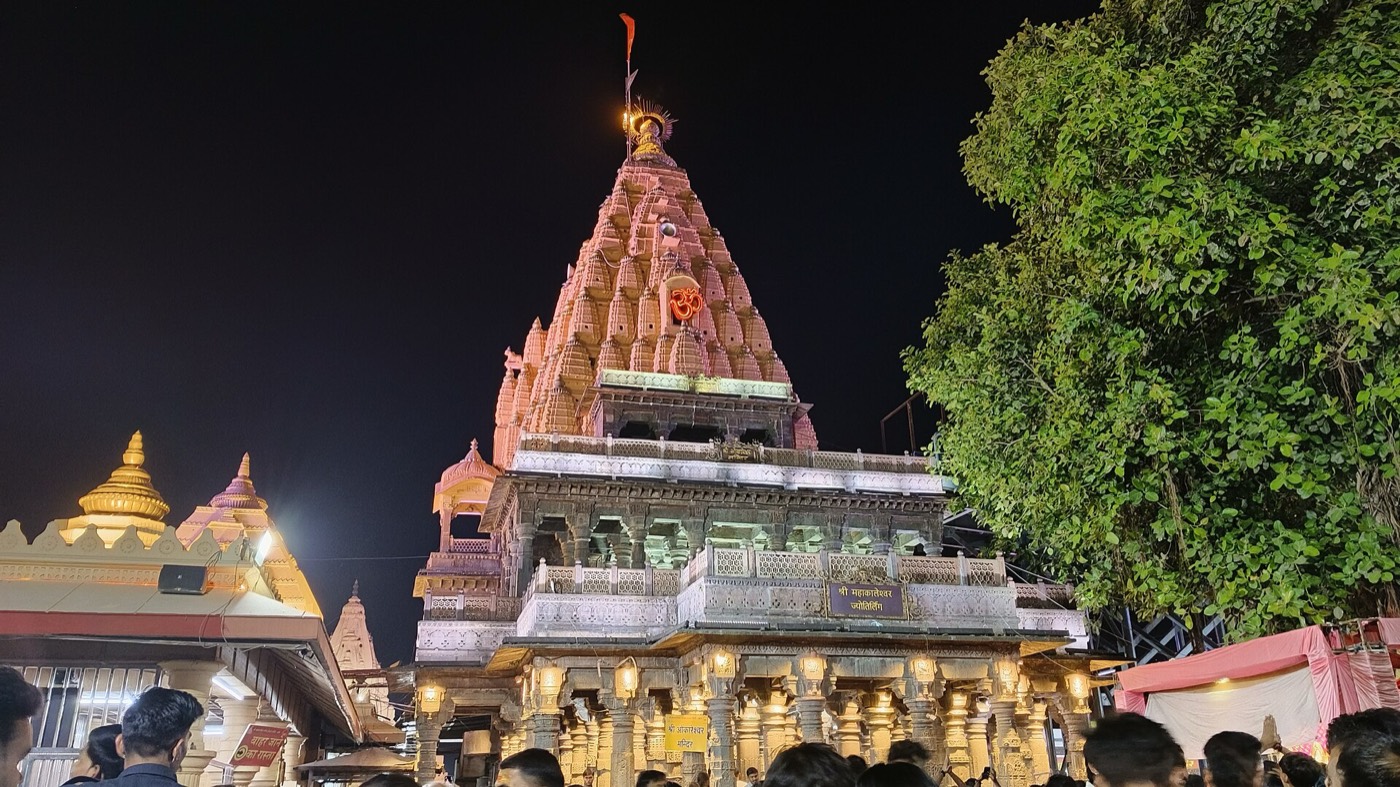
Mahakaleshwar Jyotirlinga, Ujjain
Ujjain, Madhya Pradesh
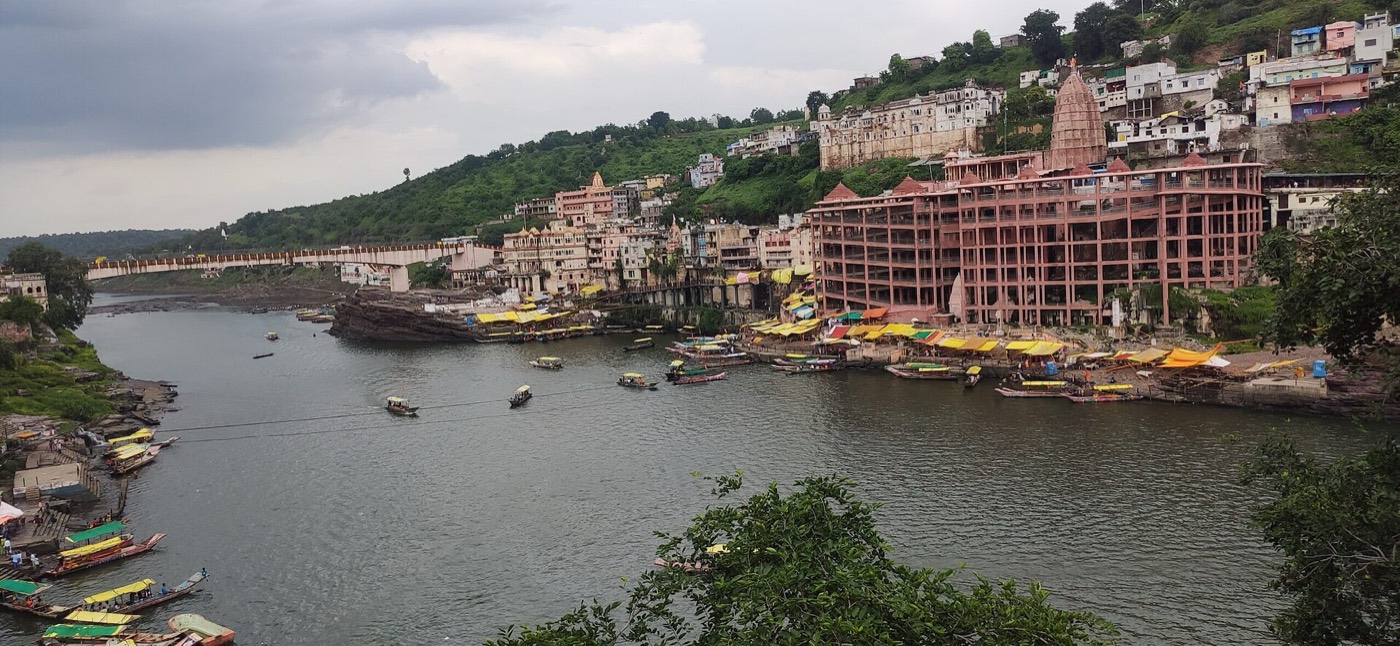
Omkareshwar Jyotirlinga
Khandwa, Madhya Pradesh
Trip three: the Maharashtra trio
Maharashtra holds three of the twelve within one state loop. Trimbakeshwar, the only Jyotirlinga whose lingam carries three faces for Brahma, Vishnu and Shiva, sits approx 28 km from Nashik city. Grishneshwar, the twelfth and last of the traditional list, stands beside the Ellora caves approx 30 km from Chhatrapati Sambhajinagar, which makes it the only Jyotirlinga you can pair with a UNESCO cave complex in the same morning. Bhimashankar, the only Jyotirlinga inside a wildlife sanctuary, is the outlier, approx 110 to 125 km of ghat road from Pune.
The natural loop runs Nashik to Sambhajinagar to Pune, or the reverse, in three to four days. Do Bhimashankar in daylight: the final ghat stretch is slow, and in monsoon it turns misty and slippery.
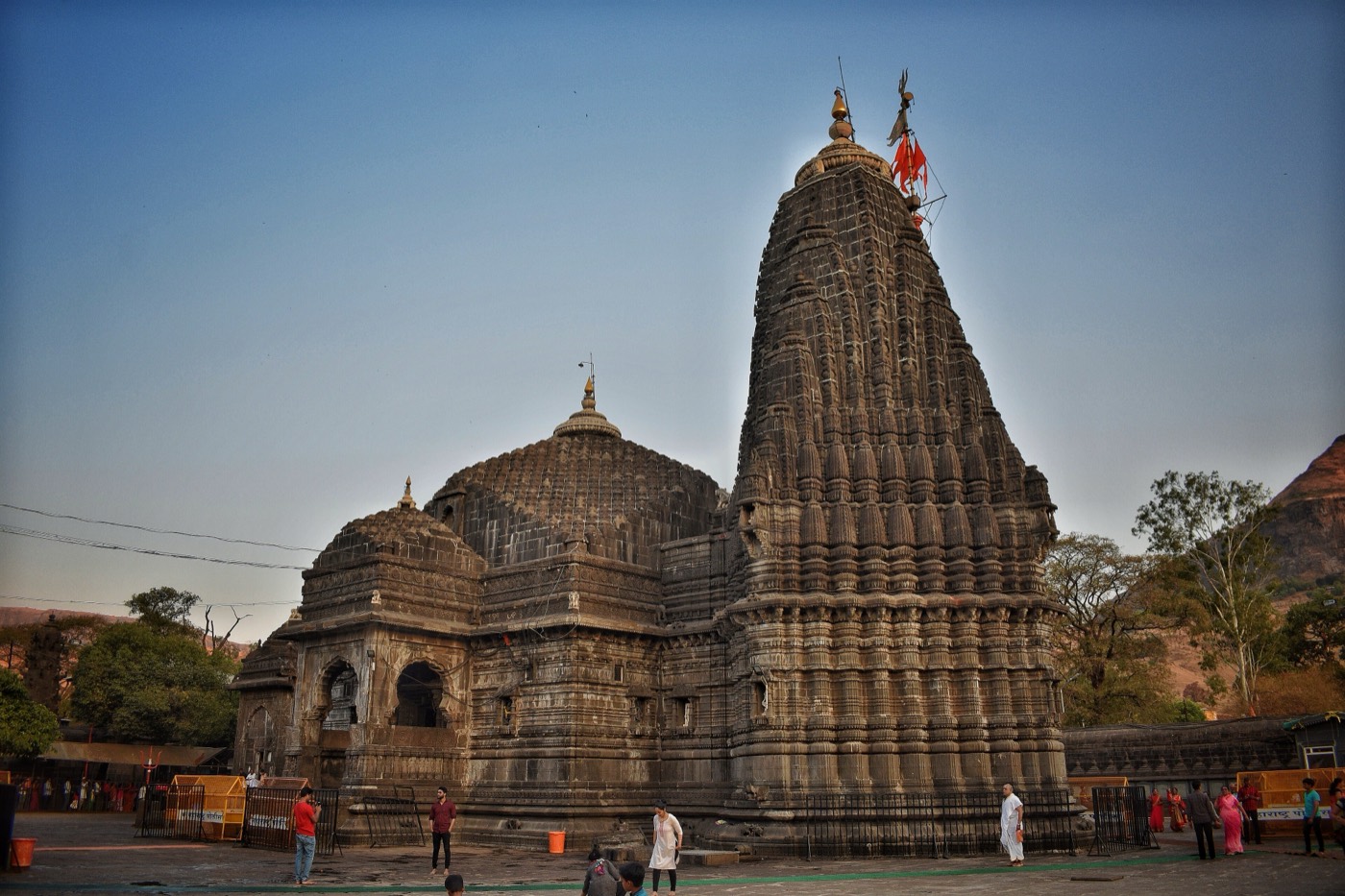
Trimbakeshwar Jyotirlinga Temple
Nashik, Maharashtra

Grishneshwar Jyotirlinga Temple
Chhatrapati Sambhajinagar (Aurangabad), Maharashtra
Bhimashankar Jyotirlinga
Pune, Maharashtra
Trip four: the eastern leg
Kashi Vishwanath and Baidyanath pair by rail. Varanasi is the obvious first halt, its temple now linked to the Ganga ghats by the corridor opened in December 2021, with the sanctum open from 2:30 AM to 11:00 PM around the five daily aartis. From Varanasi, trains run to Jasidih Junction, approx 7 km from the Baidyanath shrine at Deoghar, which also has its own in-town station at approx 1 km and a domestic airport approx 12 to 16 km out.
Baidyanath is doubly sacred, counted both a Jyotirlinga and a Shakti Peetha, and its month-long Shravani Mela draws one of the largest pilgrim movements in India. Unless the mela itself is your goal, plan this leg outside Shravan, when both temples run controlled, slow queues.
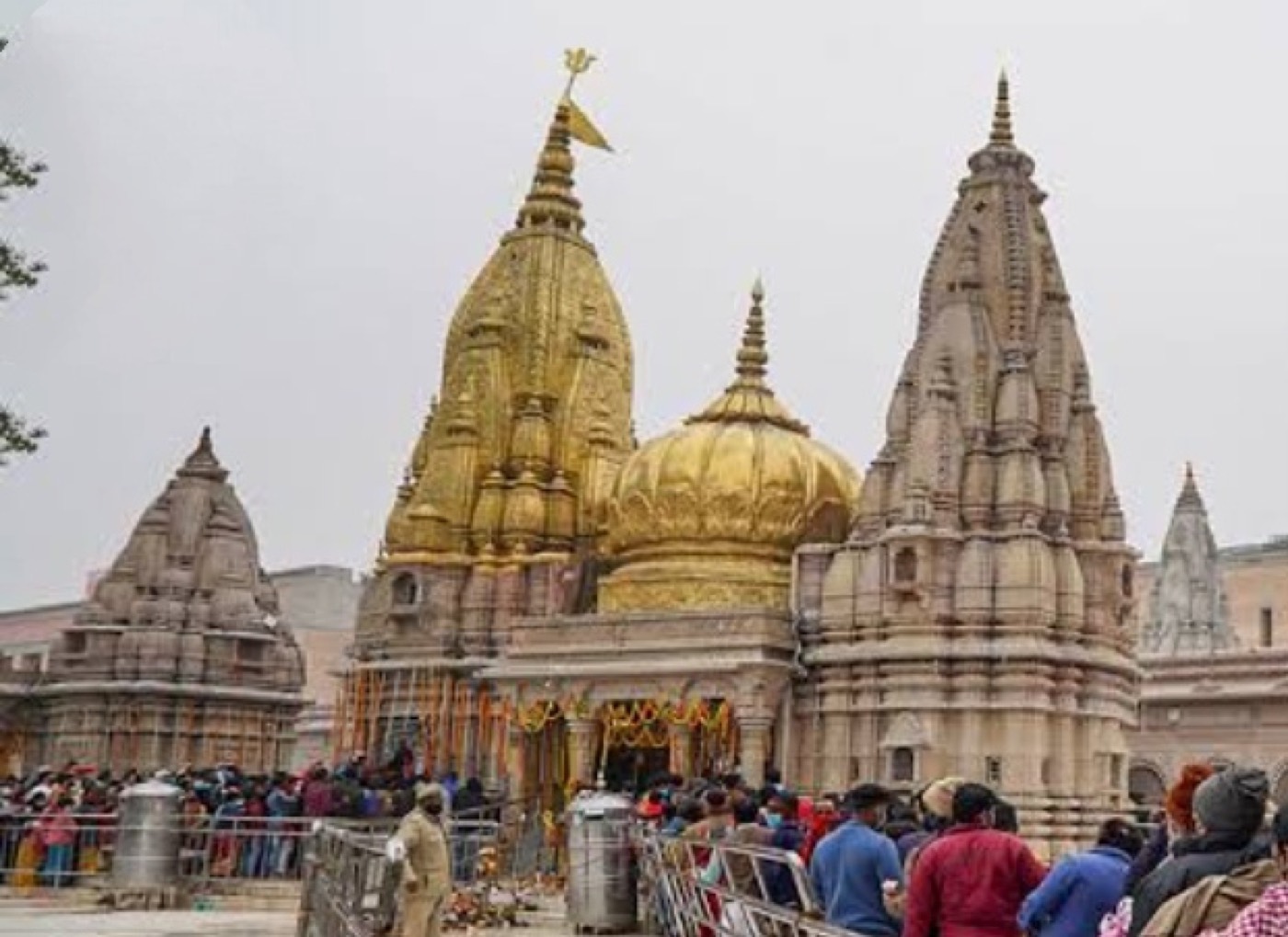
Kashi Vishwanath Temple
Varanasi, Uttar Pradesh

Baba Baidyanath Dham, Deoghar
Deoghar, Jharkhand
Trips five and six: Srisailam and Rameswaram
Mallikarjuna at Srisailam is the least convenient of the lowland twelve: the nearest station, Markapur Road, sits approx 85 km away, and most pilgrims simply drive or bus the approx 213 km from Hyderabad through the Nallamala forest, where the tiger-reserve ghat road typically restricts night movement. The reward is a shrine that is both a Jyotirlinga and a Maha Shakti Peeth, two pilgrimages in one darshan.
Ramanathaswamy at Rameswaram closes the southern map. The island is reached over the Pamban bridge, with the station approx 2 km from the temple and Madurai approx 173 km away by road. Build the day around its two strict windows, 5:00 AM to 1:00 PM and 3:00 PM to 9:00 PM, and come prepared for the 22-well bathing ritual that precedes darshan for most pilgrims. It is also one of the four Char Dham, so this trip completes two lists at once.
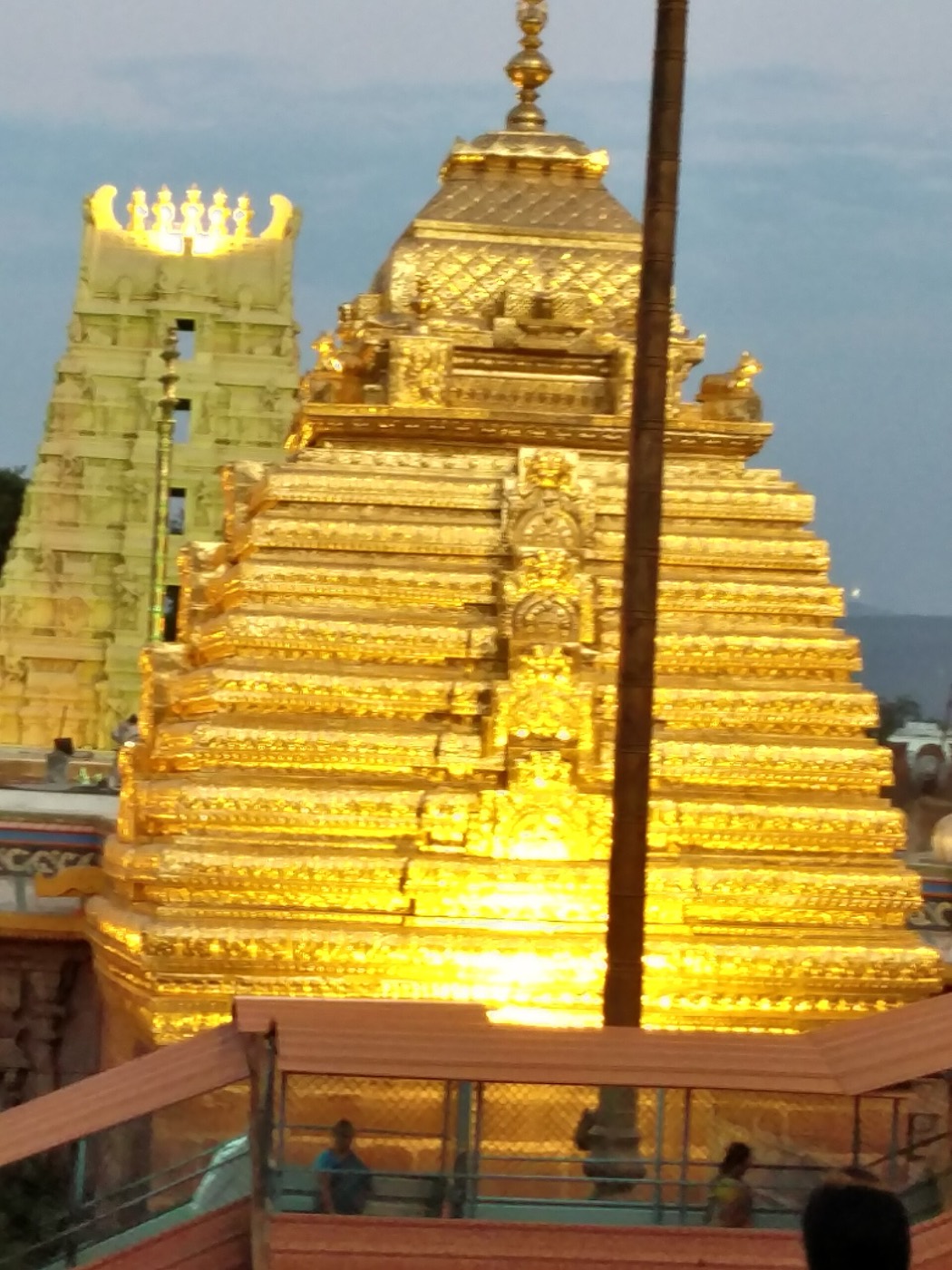
Mallikarjuna Jyotirlinga, Srisailam
Nandyal, Andhra Pradesh
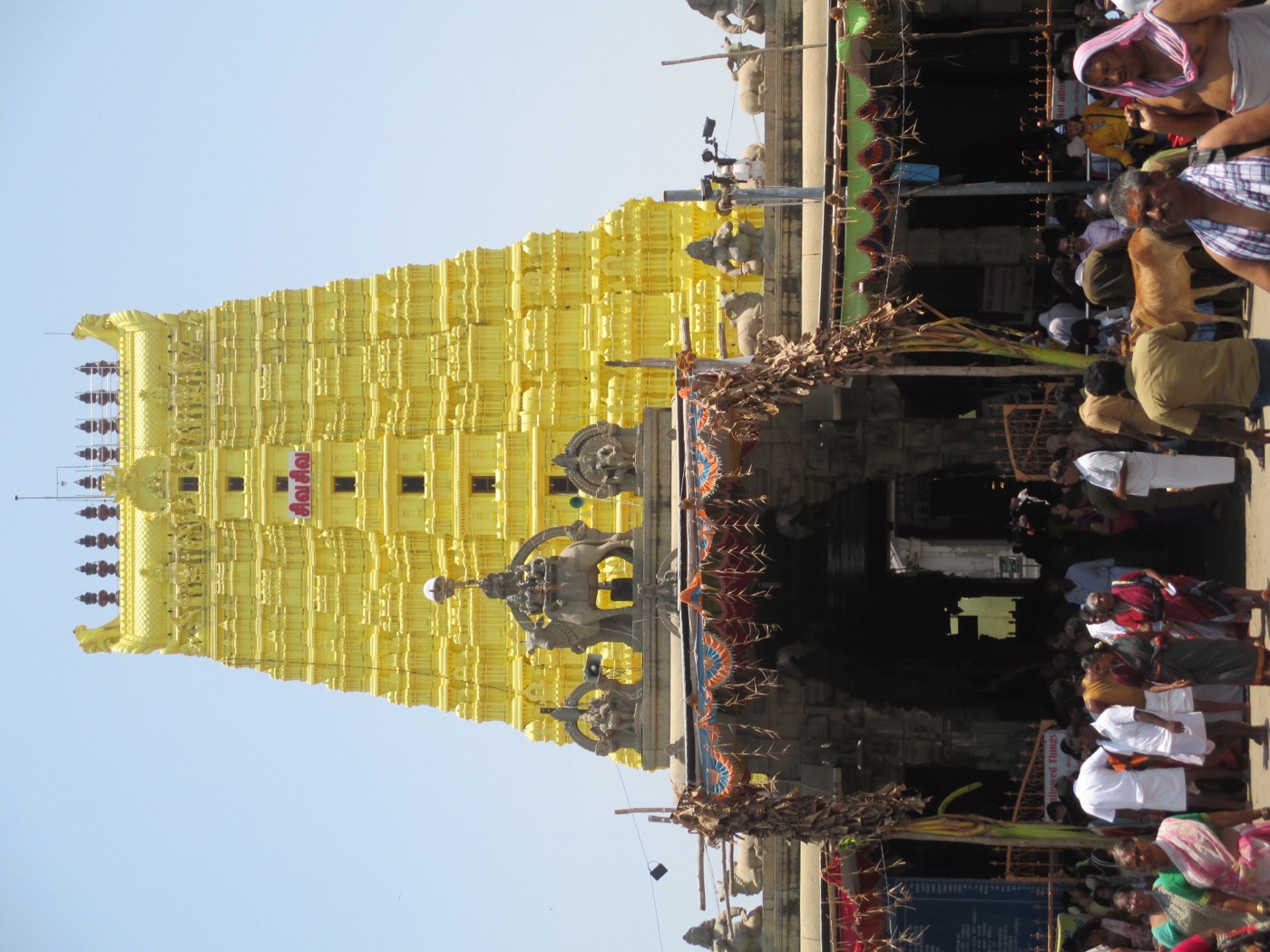
Ramanathaswamy Temple, Rameshwaram
Ramanathapuram, Tamil Nadu
Trip seven: Kedarnath, the constraint that shapes the plan
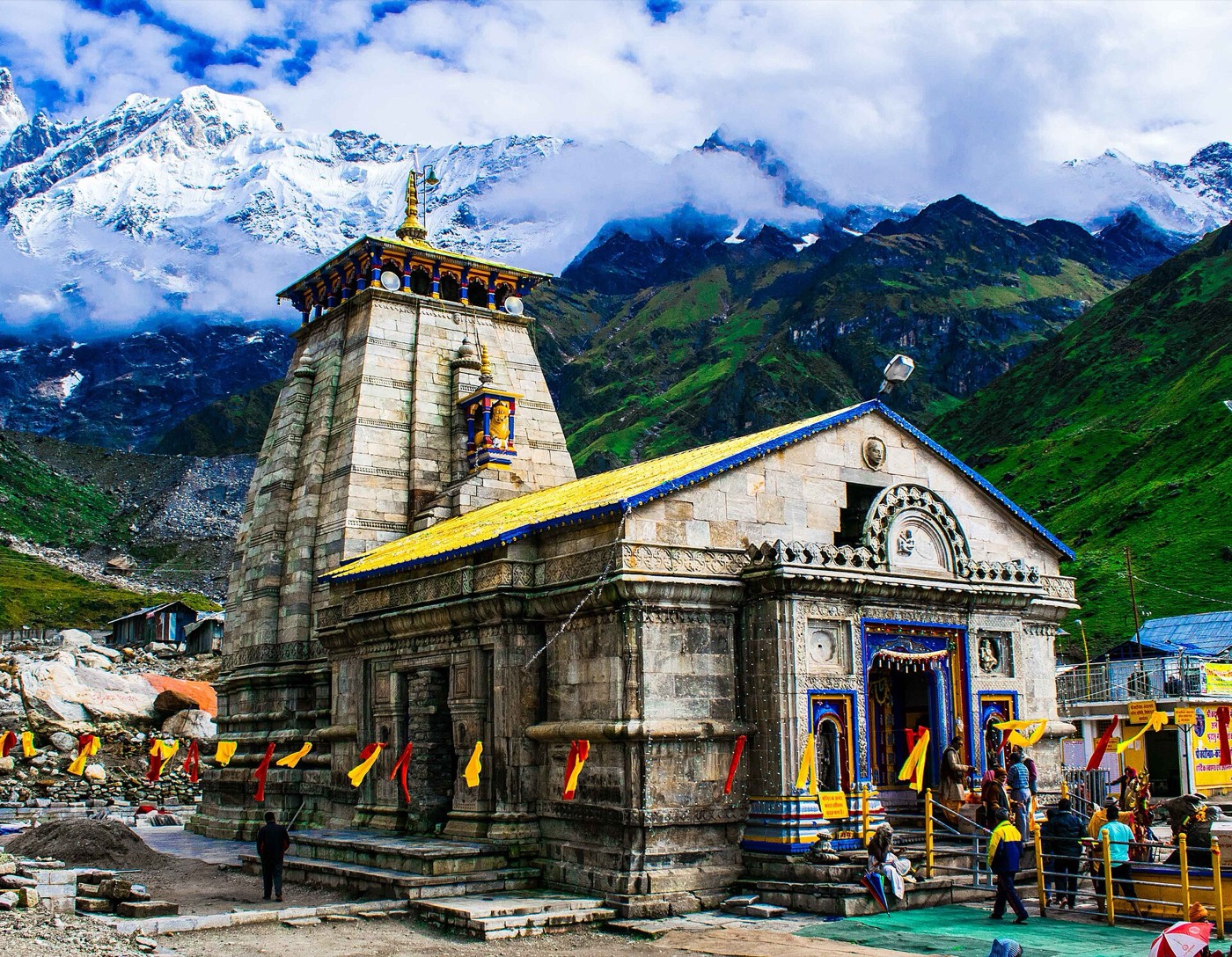
Eleven of the twelve wait for you all year. Kedarnath does not. The highest Jyotirlinga, at approx 3,583 m, opens in late April or early May and closes around Bhai Dooj in October or November, and reaching it means approx 216 km of hill road from Rishikesh to Gaurikund followed by a trek of approx 16 km, six to eight hours on foot, with ponies, palkis and seasonal helicopters as the alternatives. Char Dham registration is mandatory.
So the twelve-Jyotirlinga campaign really has one scheduling rule: fix your Kedarnath window first, in the season your health and the mountain allow, and let the other six trips fall wherever life permits. Many pilgrims fold it into the full Chota Char Dham circuit and collect the remaining shrines over the following years.
Order, timing and an honest word
There is no scripturally mandated sequence for the twelve. Tradition honours Somnath as the first and Grishneshwar as the last, and many families like to begin and end accordingly, but the shrines reward any order. What matters more is timing: Shravan, the holiest month for Shiva in July and August, multiplies queues at every one of the twelve, and Mahashivratri does the same for a week around the festival.
One honest note on completeness: a few shrines outside this list, notably in local traditions, also claim Jyotirlinga status. The twelve covered here follow the standard list recited in the Dwadasha Jyotirlinga stotra, and every one of them has a full darshan guide on this site with its timings, aarti schedule and stay options.
Frequently asked questions
How many trips do you need to visit all 12 Jyotirlingas?
Can all 12 Jyotirlingas be done in one trip?
Which Jyotirlinga is the hardest to reach?
Which Jyotirlingas are closest to each other?
Is there a correct order for the 12 Jyotirlinga yatra?
When should you avoid the Jyotirlingas because of crowds?
Compiled from our verified temple guides and public sources including Shree Somnath Trust: FAQ · Rudraprayag District: Kedarnath Yatra · Shri Kashi Vishwanath Temple Trust: rituals · Tamil Nadu Tourism: Sri Ramanathaswamy Temple. Timings and festival dates shift with the lunar calendar; confirm before you travel.