Mahashivratri falls on the fourteenth night of the waning moon in Phalguna, which places it in February or early March, moving each year with the lunar calendar. Its practice is distinctive: a night vigil rather than a daytime festival, with worship traditionally offered in four prahars, the watches of the night, and the lingam bathed repeatedly through the dark hours.
For a traveller the important fact is that this is the single busiest night of the year at most Shiva temples. Our guides record it as the grandest festival at Kashi Vishwanath, the greatest night at Mahakaleshwar, and the single biggest night for a Jyotirlinga at Trimbakeshwar. Queues run through the night, and ordinary timings dissolve.
What follows compares the observances our data actually records, and ends with an honest word about whether the crowd is worth it.
What actually happens on the night
The core of Mahashivratri is the vigil. Where an ordinary night sees the deity put to rest, on this night the sanctum stays open and worship continues in watches until dawn. Abhishek, the ritual bathing of the lingam with water, milk and other offerings, runs repeatedly rather than once. Devotees fast through the day and stay awake through the night, and temples that normally enforce a firm midday or late-night closure suspend it.
Our temple data shows the pattern clearly across regions: Somnath records all-night worship and abhishek with the sanctum staying open through the night; Ujjain runs darshan nearly around the clock with queues stretching through the night; Lingaraja runs round-the-clock darshan with very long queues and its Mahadipa ritual; Brihadeeswarar extends hours often through the night; Srikalahasti observes Lingodbhavam within a roughly 13-day Brahmotsavam.
Where to go, compared
Eight temples in our guides observe Mahashivratri distinctively. Choose by the kind of night you want.
| Temple | What Mahashivratri looks like there | Crowd |
|---|---|---|
| Somnath | All-night worship and abhishek; the sanctum stays open through the night | Huge |
| Kashi Vishwanath | The temple's grandest festival: night-long vigil, special abhishekam | Enormous queues |
| Mahakaleshwar, Ujjain | The temple's greatest night; darshan nearly around the clock | Queues stretch through the night |
| Bhavnath Mahadev, Junagadh | A five-day mela; naga sadhus of the akharas gather at the foot of Girnar | A fair as much as a festival |
| Trimbakeshwar | Night-long worship at a Jyotirlinga; a charged atmosphere | Huge queues |
| Srikalahasti | Maha Shivaratri Brahmotsavam, roughly 13 days, processional deities on vahanas; Lingodbhavam observed | Lakhs attend |
| Lingaraja, Bhubaneswar | Round-the-clock darshan; the Mahadipa raised over the temple | Peak day, very long queues |
| Baidyanath, Deoghar | Special night-long puja and darshan with altered hours | Heavy |
Bhavnath: the mela with the midnight procession
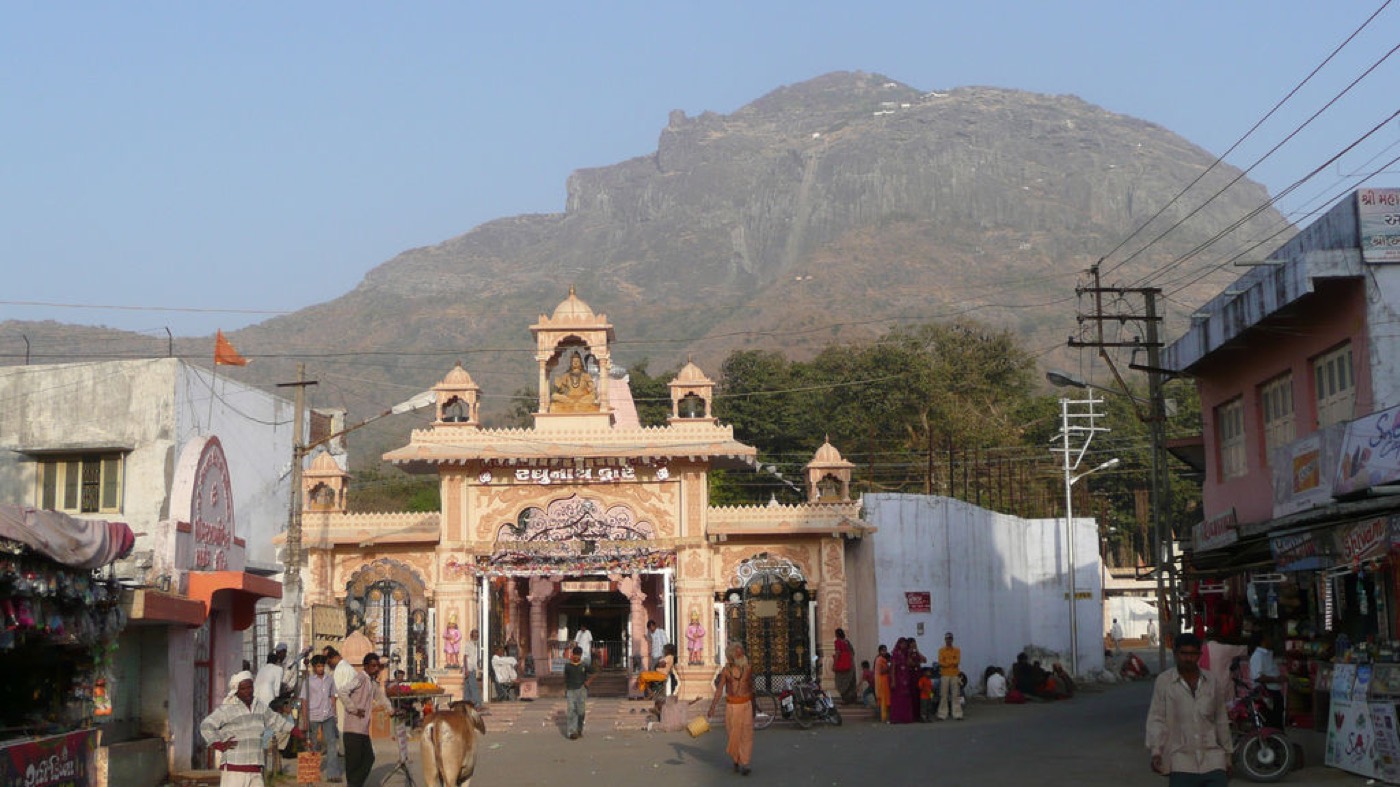
The most distinctive Mahashivratri in our guides is not at a Jyotirlinga at all. At Bhavnath Mahadev, at the foot of Girnar in Junagadh, the festival is a five-day fair held in the month of Magh, drawing ash-smeared naga sadhus from the various akharas who gather and process on the main night. It is Gujarat's signature Shivratri gathering, closer in spirit to a Kumbh than to a temple festival.
For anyone who wants the anthropology of Shaivism rather than a queue, this is the one to choose. The setting helps: Girnar rises directly behind, and the same taleti hosts the Lili Parikrama in November, so the ground is built for crowds. Plan lodging in Junagadh well ahead, since the mela fills the town.
The Jyotirlingas on the great night
If the goal is a Jyotirlinga, the honest ranking by intensity in our data runs: Ujjain, Kashi and Somnath at the top, each recording their biggest night of the year, then Trimbakeshwar and Baidyanath, then the rest. Ujjain adds something unique in its Bhasma Aarti tradition, already the most sought ritual slot in India on an ordinary day and correspondingly impossible on Shivratri without booking far ahead.
Somnath is the gentlest of the three great ones for a first-timer: a coastal town built around a single temple, with Trust guesthouses beside the shrine, and a sanctum that ordinarily keeps generous hours of 6:00 AM to 10:00 PM before extending through the night. Kashi is the most intense in every sense, its narrow lanes and corridor absorbing crowds that have to be seen to be understood.
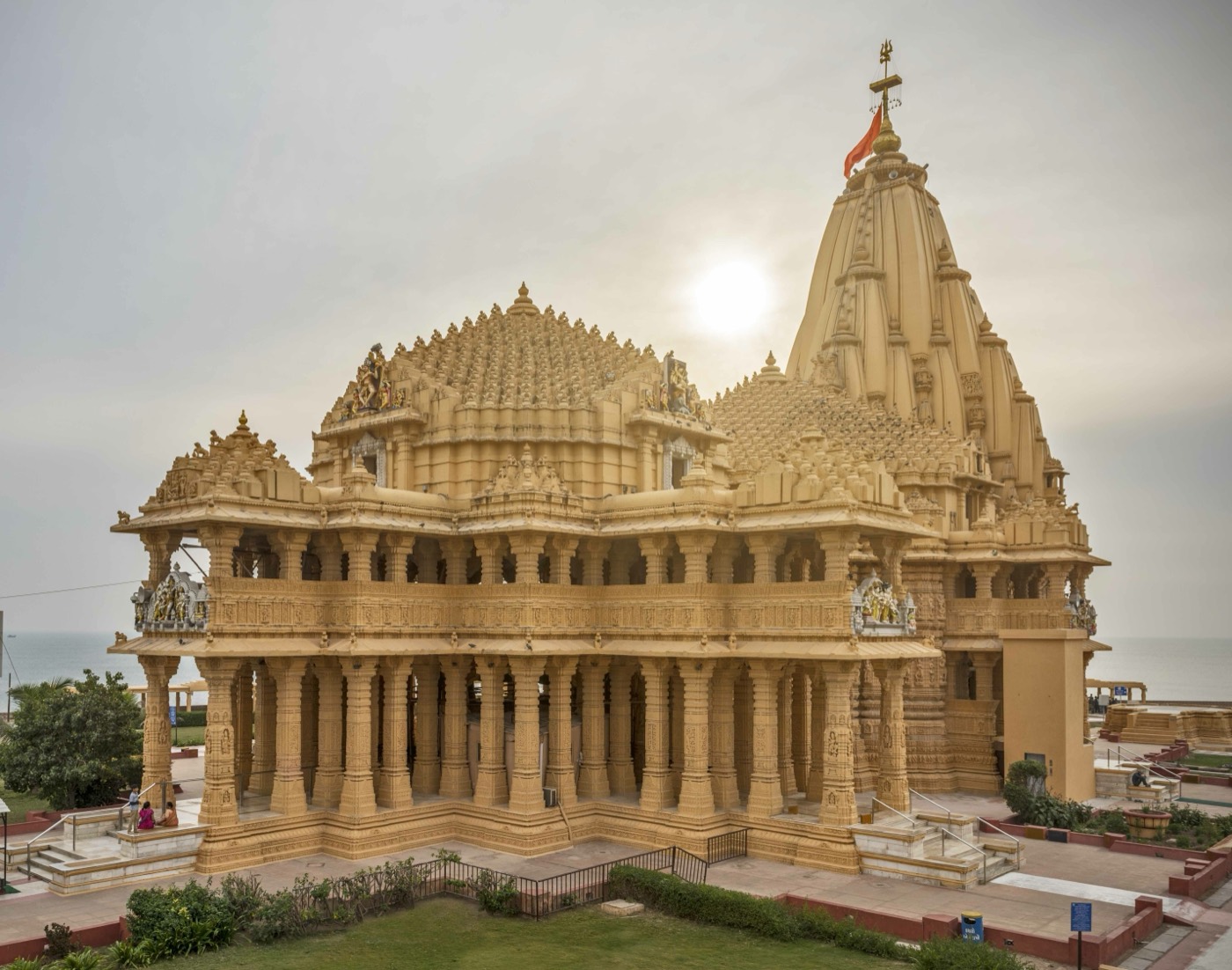
Somnath Temple
Gir Somnath, Gujarat
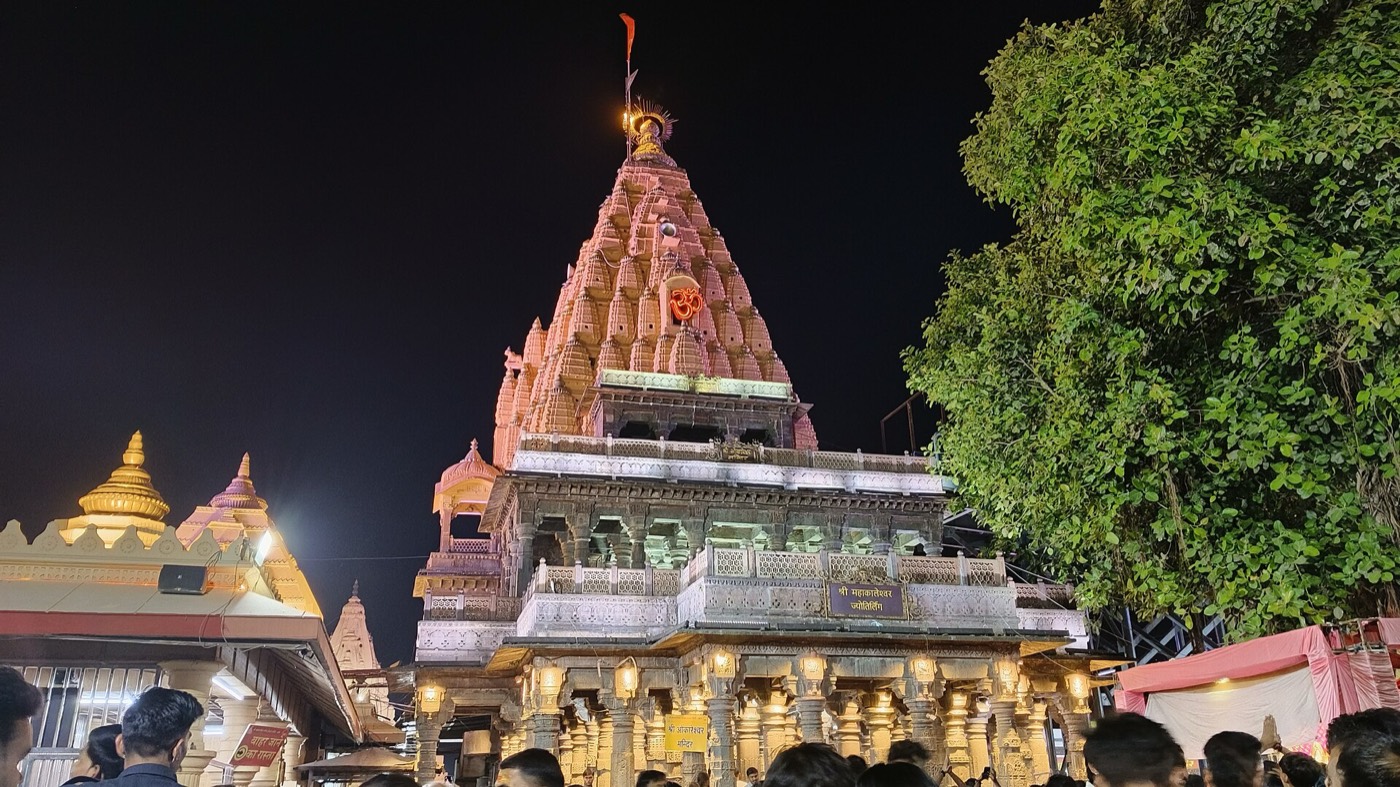
Mahakaleshwar Jyotirlinga, Ujjain
Ujjain, Madhya Pradesh
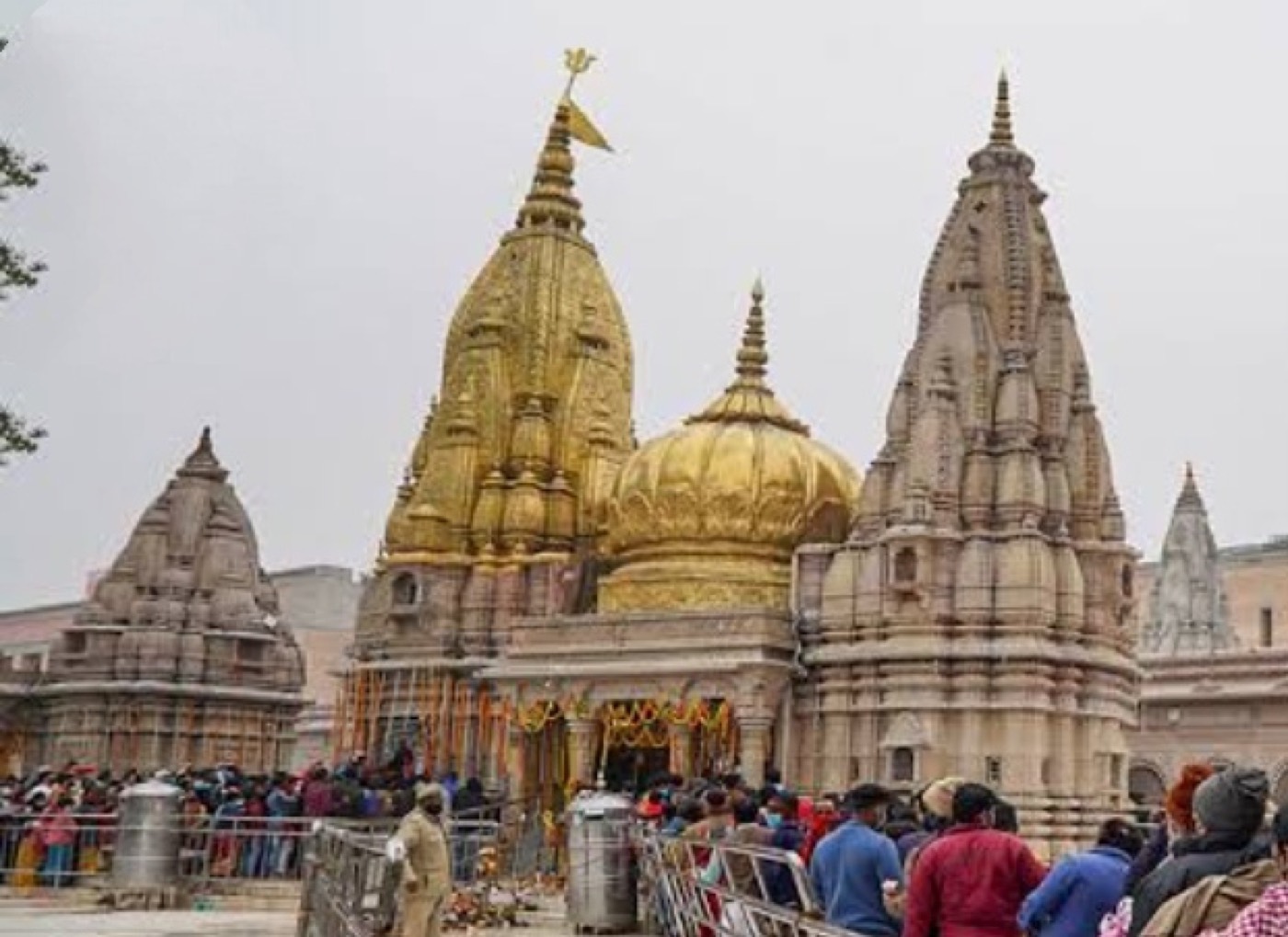
Kashi Vishwanath Temple
Varanasi, Uttar Pradesh
Planning a Mahashivratri darshan
Book everything early, and mean it: rooms in temple towns fill weeks ahead, trust accommodation faster still, and Ujjain's Bhasma Aarti slots are gone long before that. Arrive a day before the festival rather than on it, so the journey does not collide with the crowd. Expect to walk the final stretch to any famous temple, since vehicle access is closed off widely on the night.
Carry as little as you can: cloakroom queues on Shivratri are their own ordeal, and several of these temples restrict phones and cameras at the sanctum anyway. Dress for the temple's rules rather than the weather, remembering that Kashi requires traditional dress for sparsh darshan and Ujjain's Bhasma Aarti has the strictest code in our data, dhoti for men and saree or full salwar for women.
And decide honestly what you want from the night. If it is the atmosphere of a vigil, the great temples deliver it overwhelmingly. If it is a calm darshan of the lingam, come the week after: the same shrine, the same deity, a hundredth of the queue.
The quieter Shivratri
There is a middle path worth naming. Smaller Shiva temples observe the night fully but without the national crush. Our guides record Mahashivratri and Shravan Mondays bringing extended hours and heavy footfall with special abhishek at Gujarat's Kayavarohan and Galteshwar, and extended, crowded darshan at Gokarna Mahabaleshwar with special abhisheka and a Rath Yatra.
At a temple of that scale the four prahars of worship are still performed, the sanctum still stays open, and you can actually stand in front of the lingam rather than being carried past it. For families with elders or small children, this is often the better version of the same night.
There is also the option of the season rather than the night. Shravan, the Shiva month falling in July and August, spreads the same devotion across four weeks, with every Monday carrying its own charge. A Shravan weekday at a Jyotirlinga gives you the festival atmosphere of garlanded lingams and continuous abhishek without the single-night crush, and our Shravan guide covers where that month is best spent.
Frequently asked questions
When is Mahashivratri?
Which temple is best for Mahashivratri?
Do temples stay open all night on Mahashivratri?
How crowded is Mahashivratri at the Jyotirlingas?
What is the Bhavnath Mahashivratri mela?
What rituals are performed on Mahashivratri?
Compiled from our verified temple guides and public sources including Shree Somnath Trust: FAQ · Shri Kashi Vishwanath Temple Trust: important parvas · MahaShivratri.org: Ramanathaswamy Temple. Timings and festival dates shift with the lunar calendar; confirm before you travel.