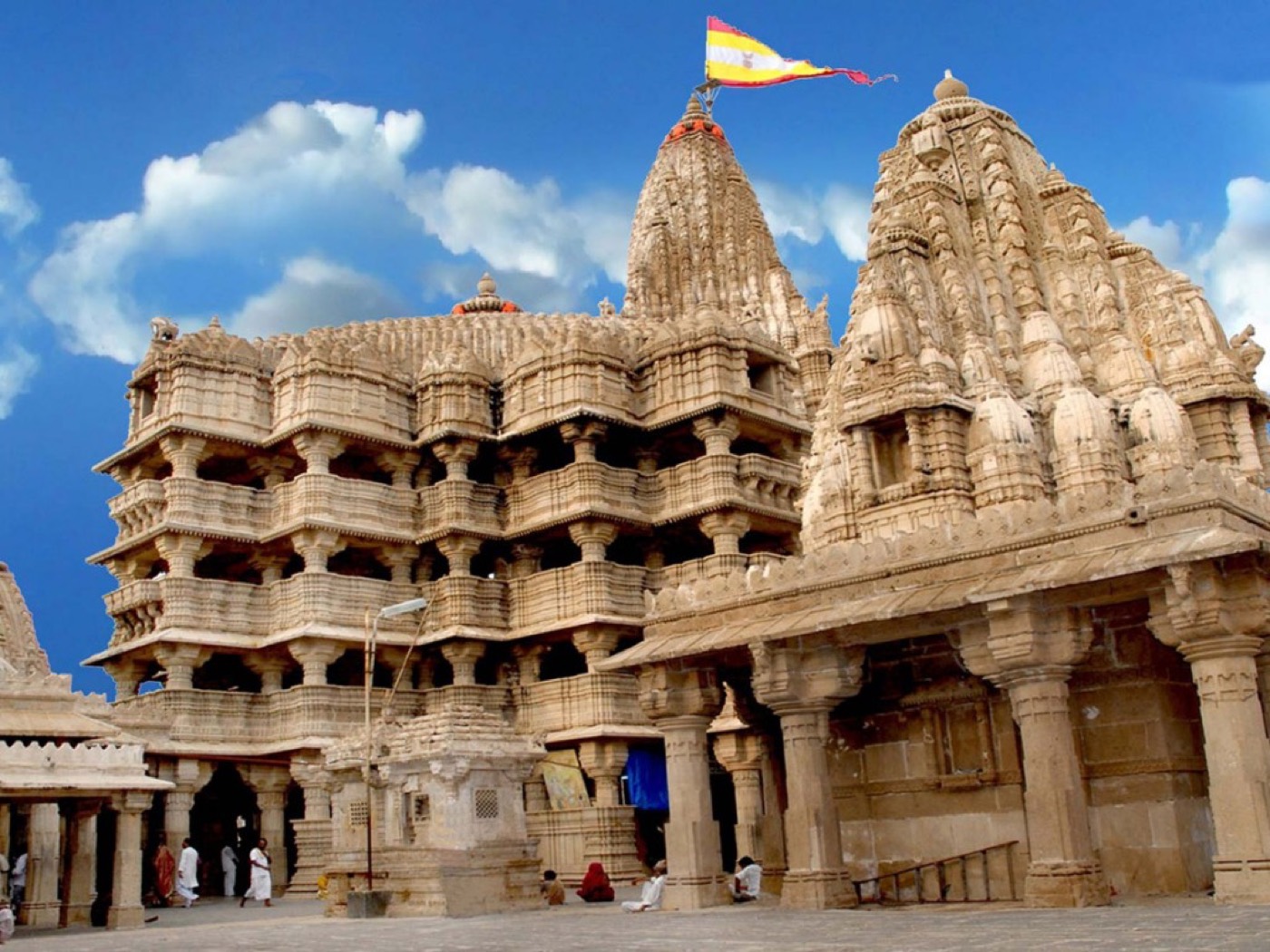
Janmashtami marks the birth of Krishna, and tradition places that birth at midnight, which makes this the rare Hindu festival whose main event happens in the middle of the night. What that midnight looks like depends entirely on where you stand. In Krishna's own Dwarka the whole temple stays awake. In Vrindavan, a deity who is never woken early receives the one early-morning aarti of his year. In coastal Karnataka the celebration spills into the streets the following day.
The eight temples here span the whole map of Krishna devotion: the Dwarkadhish temple on Gujarat's western tip, the two great Vrindavan houses of Banke Bihari and Prem Mandir, Gujarat's beloved Ranchhodrai temple at Dakor and the tribal-Vaishnav shrine of Shamlaji, the southern pair of Guruvayur in Kerala and the Udupi Sri Krishna Matha in Karnataka, and Govind Dev Ji in Jaipur, whose deity was itself carried out of Vrindavan to keep it safe.
A few famous Janmashtami destinations are missing on purpose. Mathura's Krishna Janmabhoomi, Nathdwara's Shrinathji haveli and the large ISKCON temples all keep memorable nights of their own, but we do not yet hold verified timing and festival data for them, so this guide stays with the eight temples we can vouch for.
When Janmashtami falls
Janmashtami is a lunar date, the Ashtami, or eighth day, of a dark fortnight, which is why it lands on a different Gregorian date every year. All the temple records in our data agree on the window: the festival falls in August or September. Beyond that, the calendars start to disagree in an instructive way. The North Indian temples, including Dwarka, Banke Bihari and Govind Dev Ji, place the day in the month of Bhadrapada. Udupi's records name the season Shravana, and Kerala observes the day as Ashtami Rohini in the Malayalam month of Chingam. These are naming differences, not different festivals, and they all point at the same August to September window.
The practical consequence is simple: never plan around a remembered date from a previous year. Fix the current year's date first, then book everything else. One quirk worth knowing while you plan: Banke Bihari runs separate summer and winter timetables, and Janmashtami always falls within its summer schedule, which the temple applies from roughly mid-March to October.
| Temple | What the day is called | When it falls |
|---|---|---|
| Dwarkadhish, Dwarka | Krishna Janmashtami | August or September (Bhadrapada) |
| Banke Bihari, Vrindavan | Janmashtami (Bhadrapada Krishna Ashtami) | August or September |
| Guruvayur, Kerala | Ashtami Rohini | Chingam month, August to September |
| Udupi Sri Krishna Matha | Sri Krishna Janmashtami, with Vittla Pindi the next day | August to September (Shravana) |
| Govind Dev Ji, Jaipur | Janmashtami | August or September (Bhadrapada) |
The night, temple by temple
The table below condenses what each temple's own festival records say about Janmashtami night, along with an honest reading of the crowds. Five of the eight mark it as a peak of their year: Dwarka, Banke Bihari, Prem Mandir, Udupi and Govind Dev Ji. At Dakor, Shamlaji and Guruvayur the night is fully kept, but each reserves its heaviest crowds for another festival, Falgun Poonam, the Kartik Purnima fair and Guruvayur Ekadasi respectively, and it is worth knowing that difference before you choose.
The crowd column is a qualitative reading of each temple's festival records, not a count. None of these temples publishes an audited attendance figure for Janmashtami, and we will not invent one.
| Temple | State | What the night looks like | Crowd level |
|---|---|---|---|
| Dwarkadhish, Dwarka | Gujarat | Temple stays open through the night with a grand midnight Abhishek | The year's biggest festival here; huge crowds |
| Banke Bihari, Vrindavan | Uttar Pradesh | The year's only Mangala aarti; darshan runs through the night into the early hours | The single busiest and most charged night of its year |
| Prem Mandir, Vrindavan | Uttar Pradesh | The marble complex is elaborately lit and decorated for the night | Huge crowds and long queues |
| Ranchhodrai, Dakor | Gujarat | Elaborate shringar, bhajans and a midnight celebration | Thousands attend; the town's true peak is Falgun Poonam |
| Shamlaji | Gujarat | Special decoration and darshan for the dark, flute-bearing idol | Modest; the big gathering is the Kartik Purnima fair |
| Guruvayur | Kerala | Ashtami Rohini, kept with special pujas and processions | Busy; the bigger day here is Guruvayur Ekadasi |
| Udupi Sri Krishna Matha | Karnataka | Janmashtami night, then Vittla Pindi pot-breaking and the Huli Vesha tiger dance the next day | A peak of the year; festivities fill the streets |
| Govind Dev Ji, Jaipur | Rajasthan | Timings revised for the day, extended darshan and midnight celebrations | Enormous; the temple's single biggest night |
Dwarka: the all-night vigil in Krishna's own city
Dwarka is where the festival carries the weight of homecoming, because the city itself is Krishna's legendary capital and the Dwarkadhish temple, the five-storey Jagat Mandir by the Gomti creek, is its heart. On ordinary days the temple runs a morning session from 6:30 AM to 1:00 PM and an evening session from 5:00 PM to 9:30 PM, built around the deity's seva cycle. On Janmashtami that rhythm dissolves entirely: the temple stays open through the night, and the birth is marked with a grand midnight Abhishek before some of the largest crowds it sees all year.
The festival also reaches beyond the main shrine. The temple's records note Rukmini and rath processions around Janmashtami that tie the Jagat Mandir to the nearby Rukmini Devi shrine, so the celebration belongs to the whole town rather than one building. Between darshans, watch for the dhwaja ritual: the great triangular flag on the spire is hauled up by hand several times every day, festival or not.
Getting there is straightforward. Dwarka railway station sits approx. 2 km from the temple on the Ahmedabad to Okha line, with direct trains from Ahmedabad, Rajkot and Jamnagar, and Jamnagar airport, approx. 130 km away, is the nearest airfield. If you have the morning after the festival free, Nageshwar Jyotirlinga is approx. 17 km out of town and makes an easy add-on.
Vrindavan: the one Mangala aarti and a temple of light
Banke Bihari is the emotional centre of Vrindavan's Janmashtami for one specific reason. This temple deliberately holds no daily Mangala aarti; Bihariji is treated as a living child who is woken late and never disturbed at dawn. Once a year, on Janmashtami, that rule is set aside. The temple performs its only Mangala aarti of the year, and darshan runs through the night into the early hours, on what its own records call the single busiest and most charged night it sees.
Go in with clear eyes about the crush. The hall is small and low, the approach is a narrow bazaar lane, and the temple's guidance asks visitors to keep children close, hold bags tight against pickpockets, and stay off the steps of the inner hall, a rule enforced after past overcrowding incidents. The weeks before the festival have their own rewards: during Shravana, in July or August, the Jhulan swing festival seats Bihariji, dressed in green, on a decorated jhoola for a rare open darshan, and Radhashtami follows about 15 days after Janmashtami.
Prem Mandir, approx 2.5 km away, offers the opposite register of the same night. The white Italian-marble complex, opened in 2012 on approx 55 acres of gardens, is elaborately lit and decorated for Janmashtami and draws huge queues through the evening. On its summer schedule the musical fountain show runs 7:30 PM to 8:00 PM, though the temple cautions that timings can change on major festival days. Book accommodation well ahead: the temple's own guidance is that the whole Braj region sells out for Janmashtami, with Mathura, approx 12 km away, as the practical fallback.
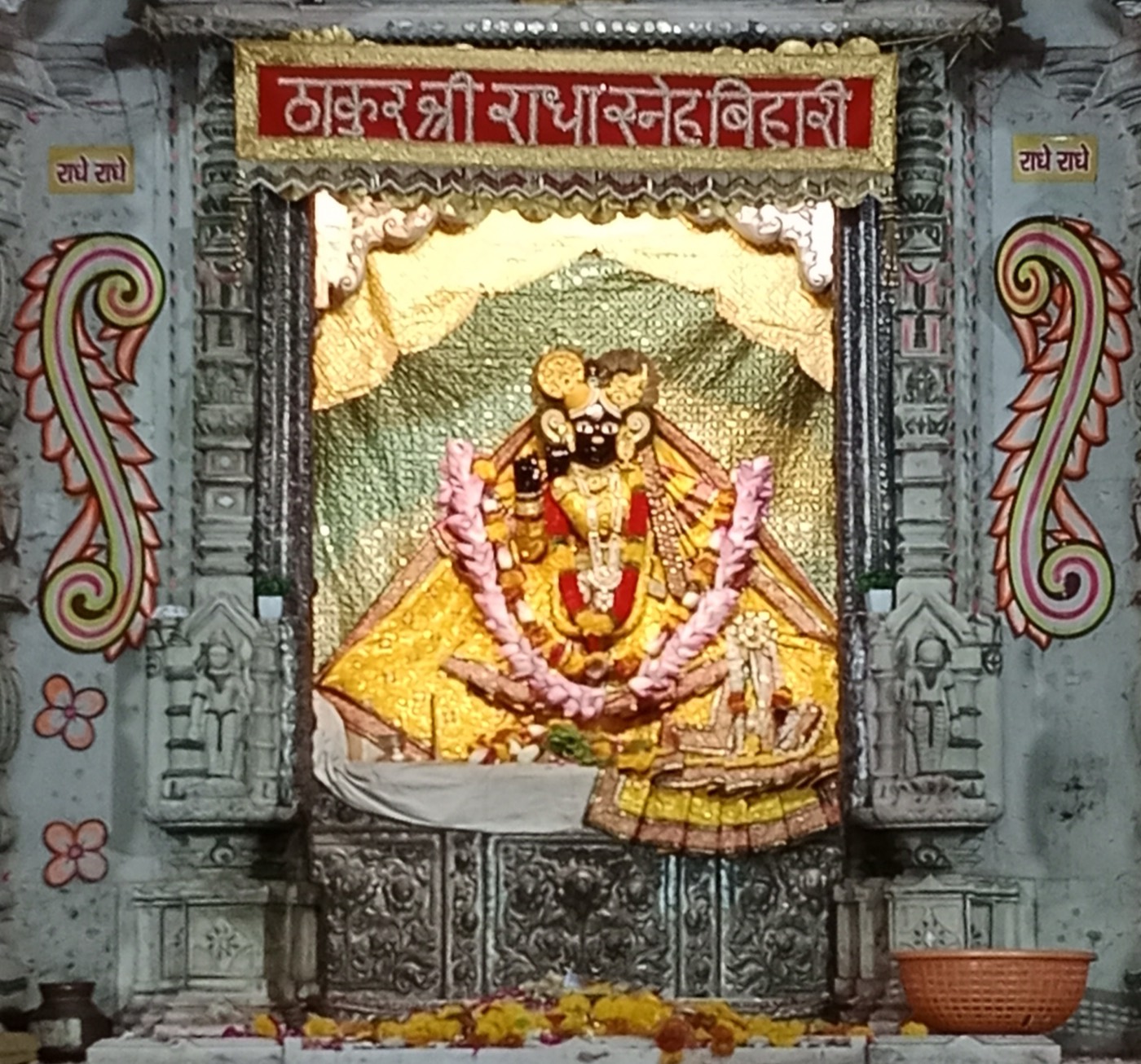
Shri Banke Bihari Temple, Vrindavan
Mathura, Uttar Pradesh
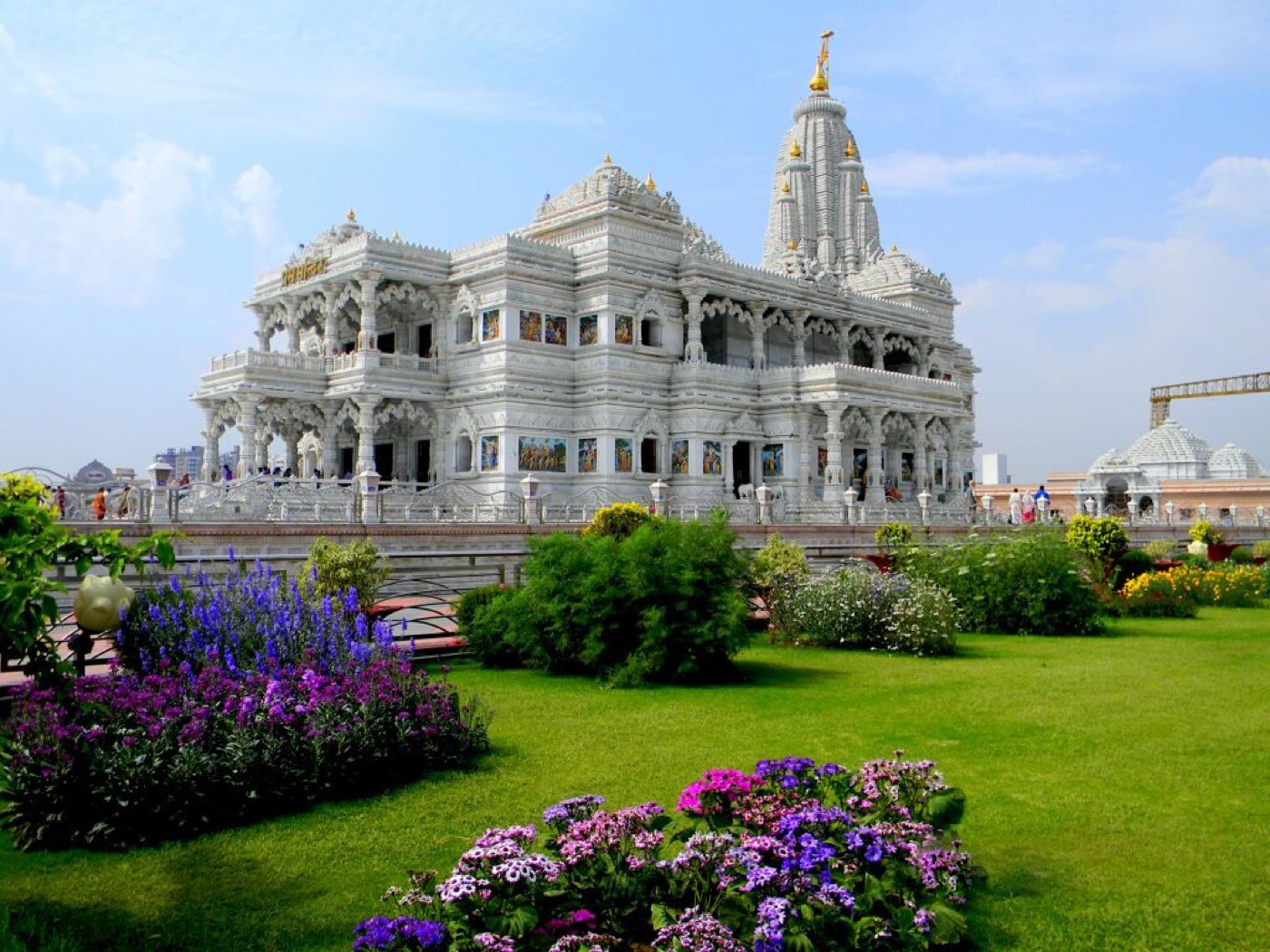
Prem Mandir, Vrindavan
Mathura, Uttar Pradesh
Gujarat beyond Dwarka: Dakor and Shamlaji
Dakor's link to this story is the legend of Bodana, the farmer-devotee said to have carried the idol home from Dwarka in a bullock cart so his ageing feet would be spared the pilgrimage. That makes Janmashtami at the Ranchhodrai temple feel like a family echo of the Dwarka celebration. The temple marks the birth with elaborate shringar, bhajans and a midnight celebration that draws thousands. Honesty requires a caveat: Dakor's true peak is Falgun Poonam in February or March, when lakhs of walkers converge on the town, so Janmashtami here is a big night rather than the biggest. The town is easy to reach, with its own railway station approx. 1.4 km from the temple and Ahmedabad approx. 90 km away by road.
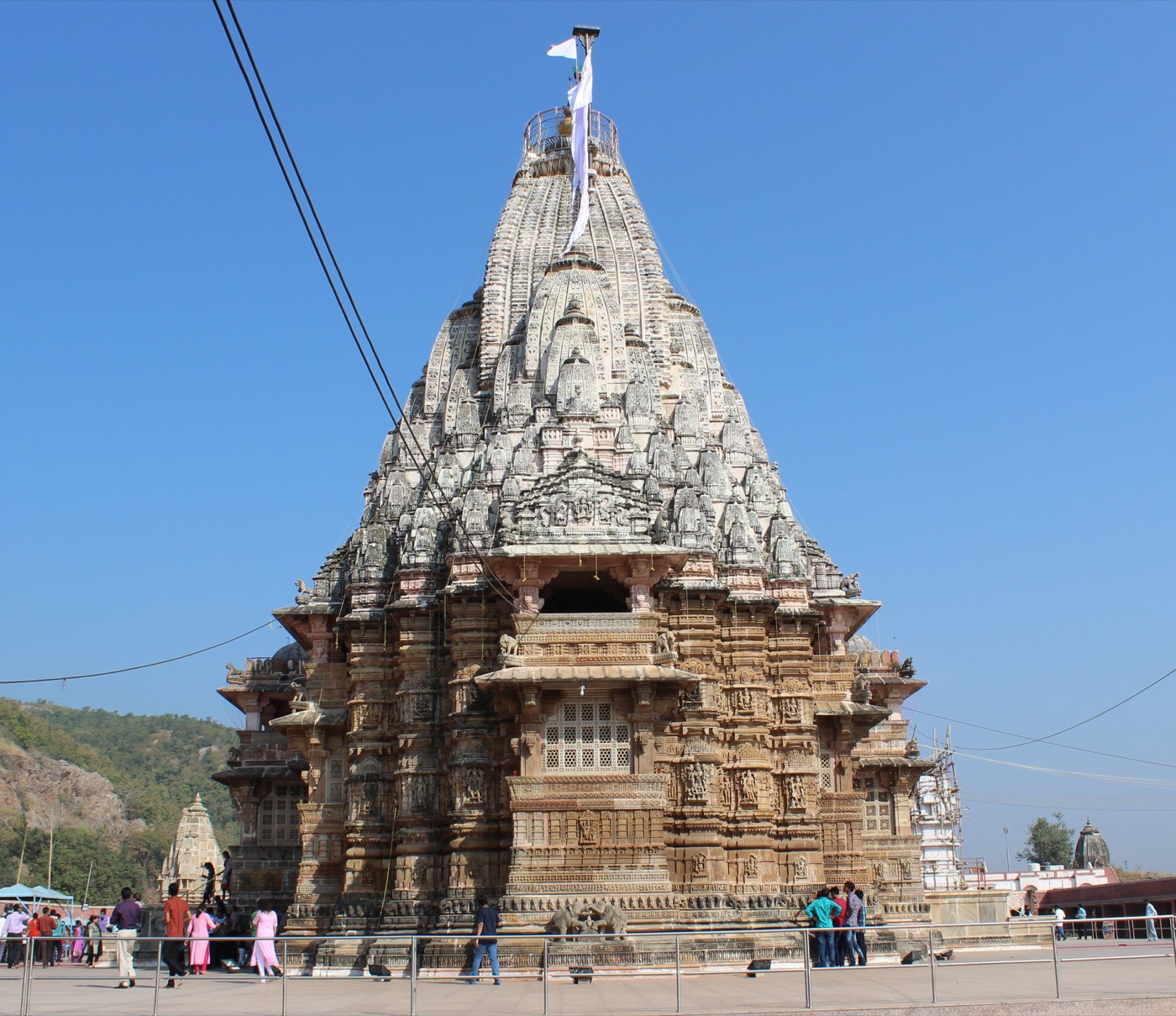
Shamlaji is the quiet choice of the eight. The 11th-century shrine on the Meshwo river houses a Vishnu idol so dark it is revered as Kaliyo Dev, and its golden flute gives the deity a strong Krishna association, so Janmashtami is kept with special decoration and darshan. The crowds stay modest because the temple's great gathering is the three-week Kartik Purnima fair in November, the longest fair in Gujarat. Shamlaji sits right on the NH48 Ahmedabad to Udaipur corridor, approx 110 to 125 km from Ahmedabad, and pairs naturally with Dakor on a Gujarat Krishna circuit.
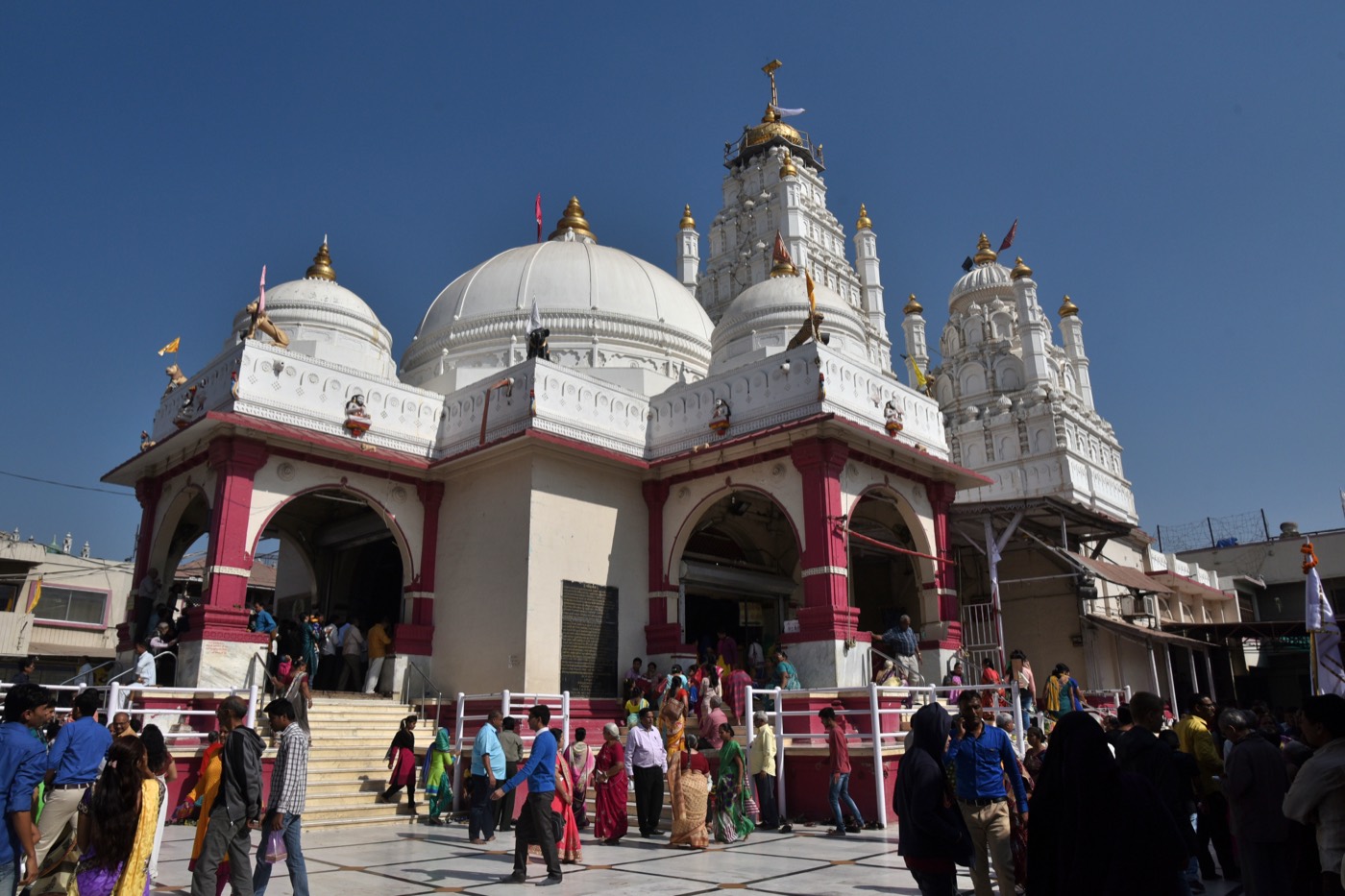
Dakor Ranchhodrai Temple (Shree Ranchhodraiji Maharaj Mandir)
Kheda, Gujarat
Shamlaji Temple
Aravalli, Gujarat
The southern style: Guruvayur and Udupi
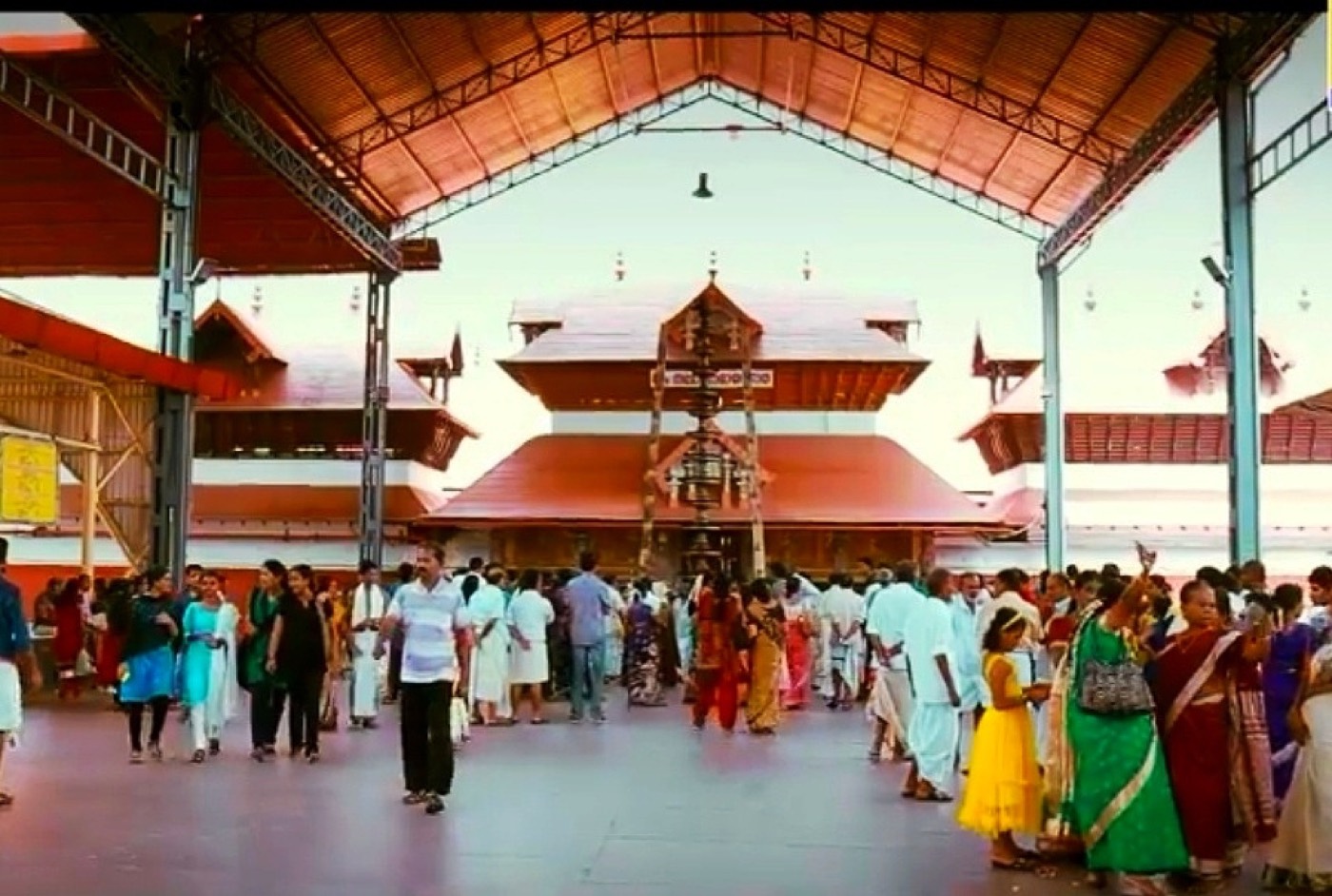
Kerala keeps the day as Ashtami Rohini, and Guruvayur, the temple pilgrims call the Dwarka of the South, marks it with special pujas and processions. The daily rhythm here is already the most demanding in this guide: darshan begins at 3:00 AM with the nirmalya viewing and runs to 12:30 PM, then again from 4:30 PM to 10:00 PM. Two rules have no exceptions: men enter bare-chested in a mundu, women in saree, set-mundu or churidar, and only Hindus are permitted inside. It is also worth knowing that Guruvayur's own biggest day is not this one but Guruvayur Ekadasi in November or December, so Ashtami Rohini is intense without being the temple's outer limit.
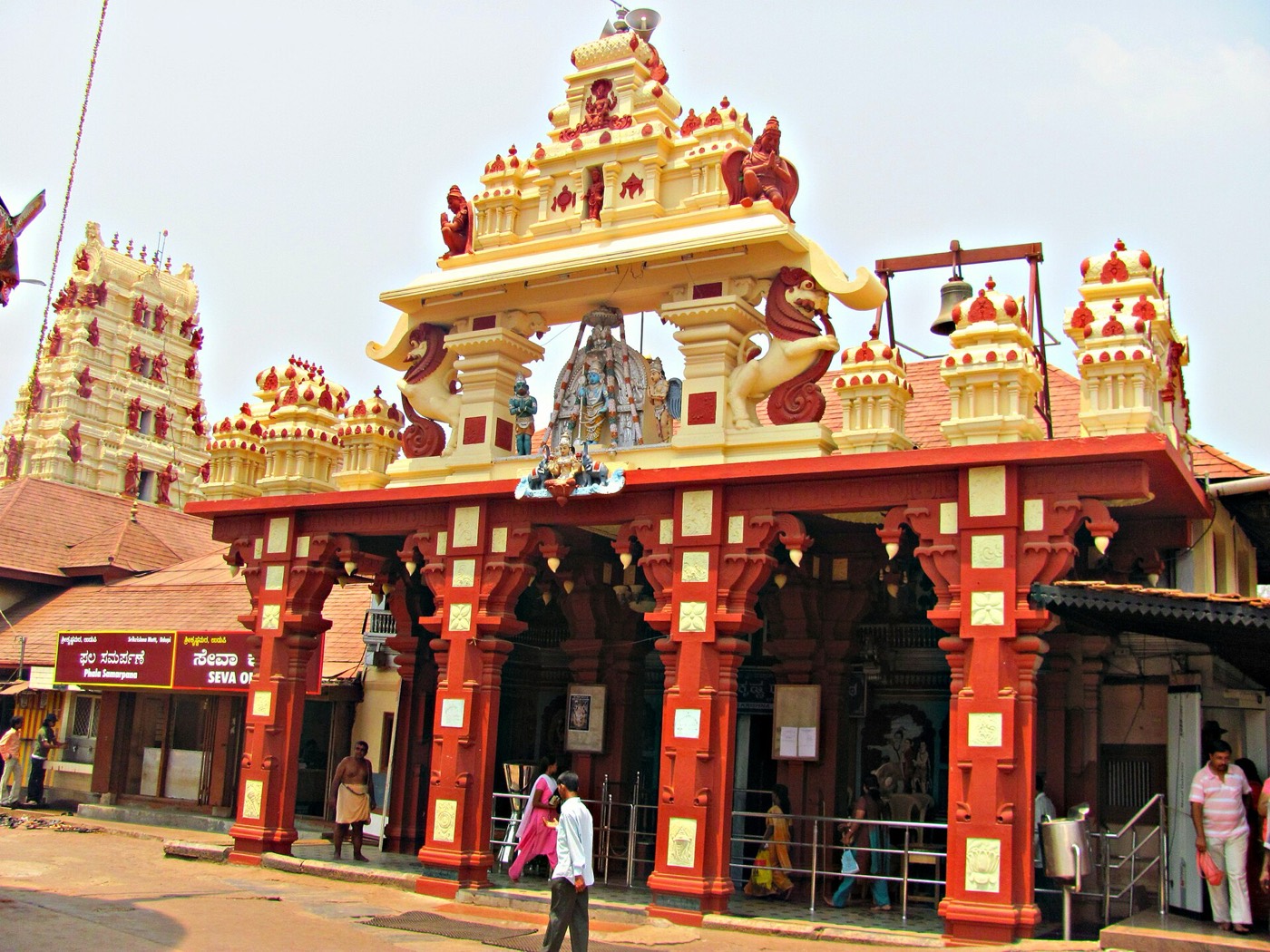
Udupi is where Janmashtami turns into street theatre. The Sri Krishna Matha, founded by the philosopher Madhvacharya in the 13th century, counts Janmashtami among the peaks of its year, and the day after the birth brings Vittla Pindi: the Mosaru Kudike pot-breaking and the exuberant Huli Vesha tiger dance moving through the town's streets. Darshan here is always through the nine-holed Navagraha Kitiki window rather than face to face, and the temple stays open approx 5:30 AM to 9:00 PM. A dress rule reported from 19 January 2026 bars jeans, T-shirts and shorts, so wear traditional clothing and confirm the current rules before you go. Udupi railway station is approx 3 km from the Matha, on the Konkan Railway.
Guruvayur Sri Krishna Temple
Thrissur, Kerala
Udupi Sri Krishna Matha
Udupi, Karnataka
Jaipur: Govind Dev Ji and the seven jhankis
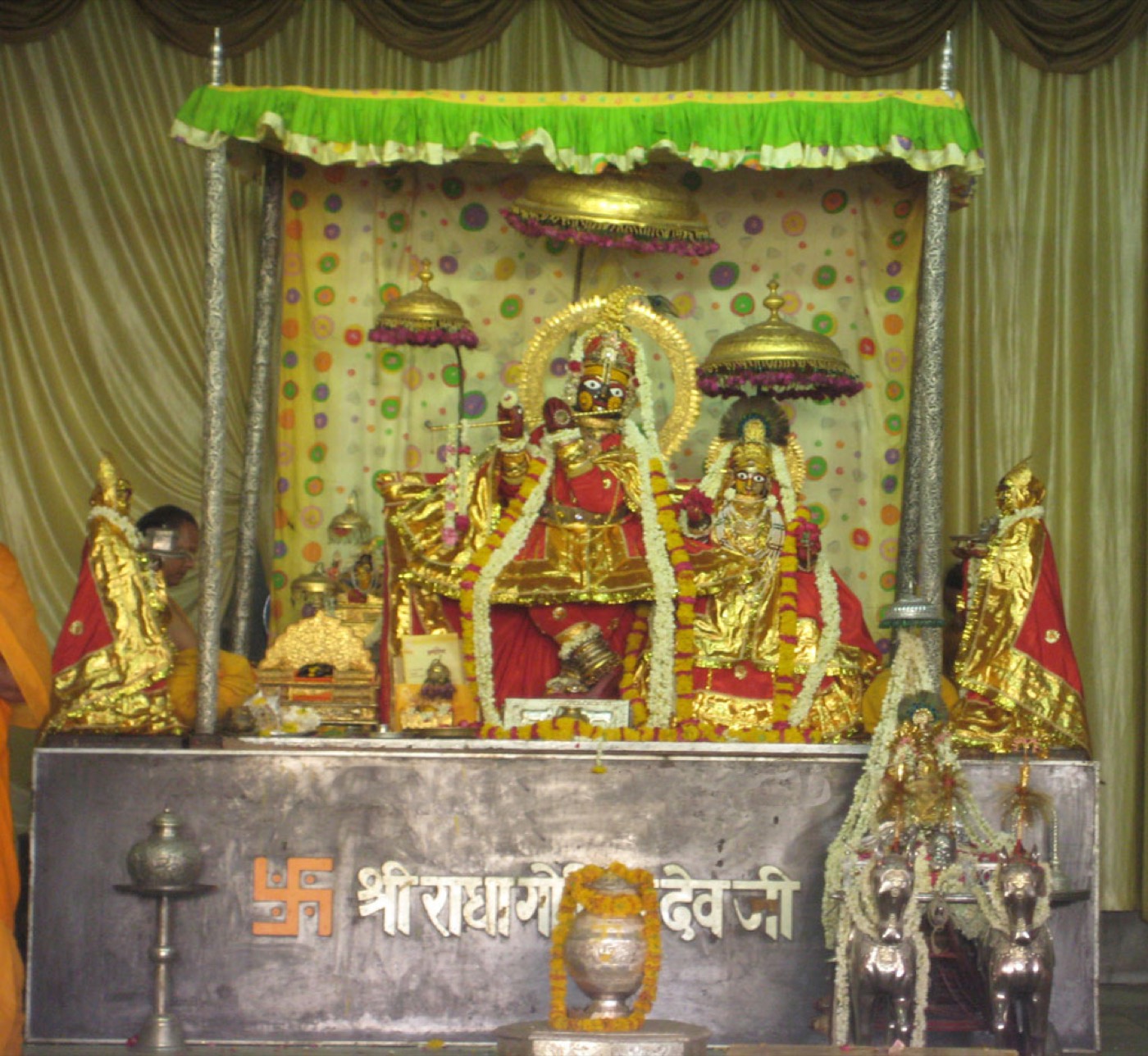
Govind Dev Ji closes the circle, because its deity was carried out of Vrindavan to keep it safe and became the presiding deity of Jaipur's royal house. The temple sits in the Jai Niwas garden by the City Palace and shows the deity only in seven timed jhankis a day, with the curtain drawn between them, from the Mangla jhanki at approx 5:00 AM to the Shayan jhanki at approx 8:15 PM. On Janmashtami the schedule is officially revised, darshan is extended, and the temple's records call it the single biggest night of the year, with midnight celebrations and enormous crowds filling the wide open darshan hall.
The practicalities are easy by North Indian standards. Jaipur Junction is approx 4 km away and the airport approx 13 km, but the old-city lanes are narrow, so park near Badi Chaupar and walk in. Rooms in and around the walled city fill fast for Janmashtami, so book early. If you have an extra day, Khatu Shyam Ji, Rajasthan's beloved shrine to Krishna as Barbarika, is approx 80 km north of Jaipur.
Planning the night: stays, timings and getting there
The single best planning decision is to choose one temple and commit to it. Every temple in this guide revises its schedule for the festival, crowds multiply, and trying to combine two cities on the festival night itself is a reliable way to see neither properly. Use the regular hours below to plan the days on either side of the night, and remember that most of these temples close for several hours in the middle of an ordinary day.
Lodging is the second decision, and it comes before trains. The records for Vrindavan and Jaipur say the same thing in different words: rooms sell out well before the festival. Dwarka and Dakor lean on trust-run dharamshalas, with Dwarka's commonly running from about Rs. 200 to Rs. 2000 a night, and Guruvayur has the Devaswom's own guest houses, best booked ahead through the temple board.
| Temple | Regular darshan hours | Nearest railhead | Entry |
|---|---|---|---|
| Dwarkadhish, Dwarka | 6:30 AM to 1:00 PM, 5:00 PM to 9:30 PM | Dwarka, approx. 2 km | Free |
| Banke Bihari, Vrindavan | Summer 7:45 AM to 12 PM, 5:30 to 9:30 PM; winter differs by about an hour | Mathura Junction, approx 12 km | Free |
| Prem Mandir, Vrindavan | 8:30 AM to 12:00 noon, 4:30 PM to 8:30 PM | Mathura Junction, approx 12 km | Free |
| Ranchhodrai, Dakor | 6:45 AM to 12 PM, 4 PM to 7:30 PM | Dakor, approx. 1.4 km | Free |
| Shamlaji | 6:00 AM to 12:30 PM, 2:00 PM to 8:30 PM | Shamlaji Road, approx 14 km | Free |
| Guruvayur | 3:00 AM to 12:30 PM, 4:30 PM to 10:00 PM | Guruvayur, about 0.5 km | Free; Hindus only |
| Udupi Sri Krishna Matha | approx 5:30 AM to 9:00 PM | Udupi, approx 3 km | Free |
| Govind Dev Ji, Jaipur | 7 timed jhankis, approx 5:00 AM to 8:15 PM | Jaipur Junction, approx 4 km | Free |
- Reconfirm timings locally on the day; every temple here shifts its schedule for Janmashtami.
- Travel light: phones, cameras and leather items are barred inside several of these sanctums.
- Cover shoulders and knees everywhere; Guruvayur additionally requires a mundu for men and saree, set-mundu or churidar for women.
- Book rooms before trains; festival-week lodging is the first thing to run out.
- If crowds are not for you, Shamlaji is the quietest of the eight on the night itself.
Frequently asked questions
When is Janmashtami celebrated at the Dwarkadhish temple in Dwarka?
Does Banke Bihari temple stay open all night on Janmashtami?
Is there an entry fee for Janmashtami darshan at these Krishna temples?
What is Vittla Pindi at the Udupi Sri Krishna Matha?
Can non-Hindus attend Janmashtami at Guruvayur temple?
Where should I stay for Janmashtami in Vrindavan?
Compiled from our verified temple guides and public sources including Wikipedia: Dwarkadhish Temple · Banke Bihari Temple, Wikipedia · Official Prem Mandir / JKP site (timings and fountain show) · Wikipedia: Guruvayur Temple · Wikipedia: Udupi Sri Krishna Matha. Timings and festival dates shift with the lunar calendar; confirm before you travel.