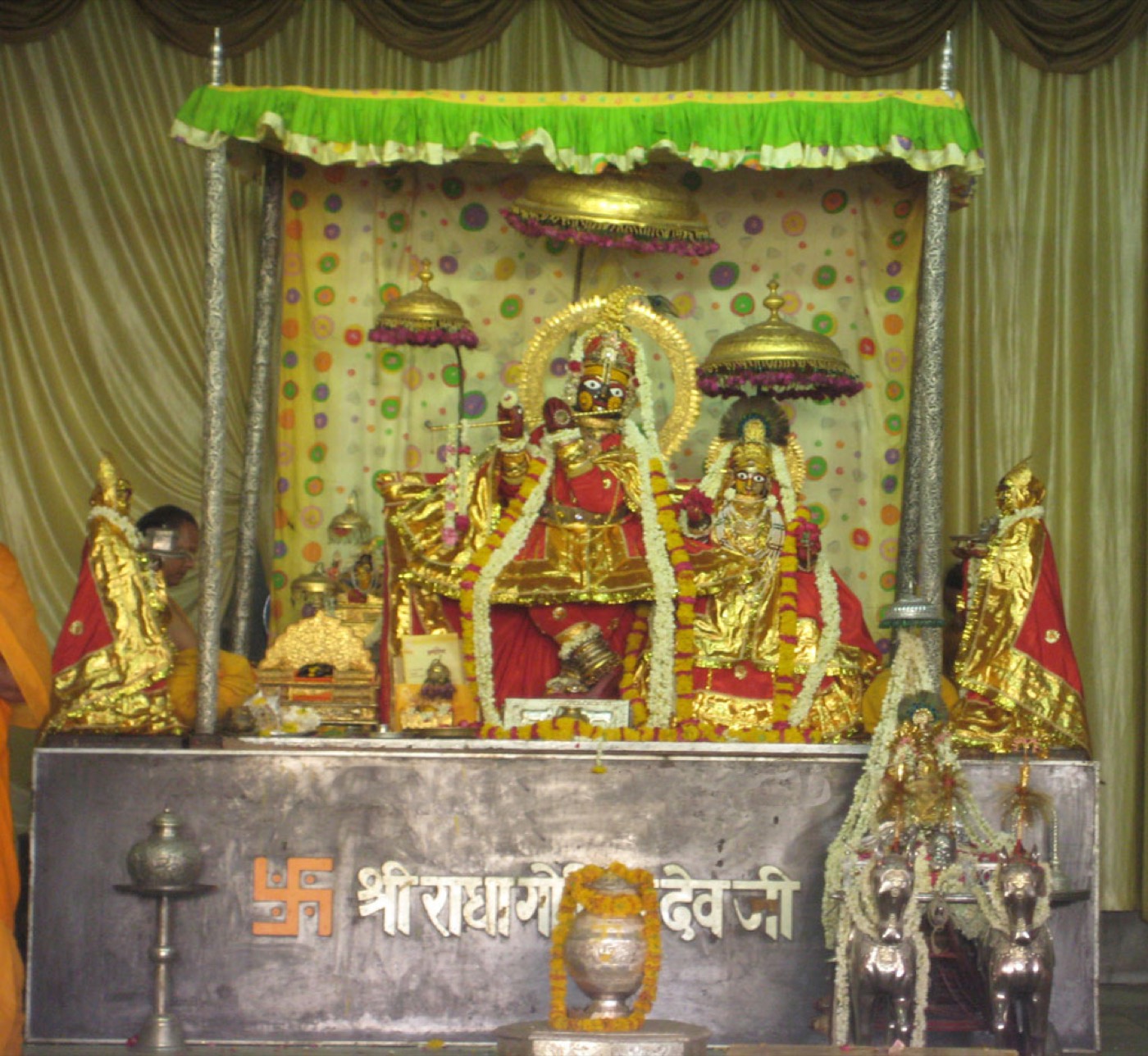
Darshan timings at Govind Dev Ji
| Season | Opens | Darshan | Closes | Status |
|---|---|---|---|---|
| Standard day (all year) | approx 5:00 AM (Mangla) | 7 jhankis with a long midday close | approx 8:15 PM (Shayan) | Open |
| Midday break | reopens approx 5:00 PM (Gwal) | Sanctum curtained after Rajbhog | closed approx 11:45 AM to 5:00 PM | Open |
| Janmashtami | pre-dawn | Extended darshan, huge crowds, timings revised for the day | late night | Open |
Read the full Timings & Darshan Hours →
How to reach Govind Dev Ji Temple, Jaipur
Govind Dev Ji sits inside the Jai Niwas garden on the north side of the City Palace, deep in Jaipur's walled Pink City, a short walk from Jantar Mantar and Hawa Mahal. It is central and easy to reach by any mode.
| Mode | Point | Distance | Notes |
|---|---|---|---|
| Train | Jaipur Junction | approx 4 km | Jaipur Junction is the state's busiest station, well connected to Delhi, Agra, Ahmedabad and Mumbai. Take an auto or cab from there to Badi Chaupar, then walk in. |
| Air | Jaipur International Airport, Sanganer | approx 13 km | Roughly 30 to 45 minutes by cab depending on old-city traffic; the nearest major airport. |
| Road | From Delhi via NH48 | approx 280 km (approx) | Around 5 to 6 hours by expressway and highway. Ajmer is approx 130 km, so Pushkar day-trips are easy. |
| Local | Within the walled city | walk from Badi Chaupar | Old-city lanes are narrow; park near Chaupar or Hawa Mahal and walk. Cycle-rickshaws and autos cover the last stretch. |
Puja & aarti schedule
- Mangla aarti (the first pre-dawn jhanki, deeply atmospheric)approx 5:00 to 5:15 AM
- Dhoop jhankiapprox 7:45 to 9:00 AM
- Shringar jhanki (deity dressed and adorned)approx 9:30 to 10:15 AM
- Rajbhog jhanki (main midday food offering)approx 10:45 to 11:45 AM
- Gwal jhanki (evening reopening)approx 5:00 to 5:15 PM
- Sandhya aarti (the busy evening darshan)approx 5:45 to 6:45 PM
- Shayan jhanki (deity put to rest)approx 8:00 to 8:15 PM
Read the full Aarti & Puja Schedule →
Dress code & temple rules
Dress modestly and traditionally; cover shoulders and knees. Ethnic wear is appreciated at this royal shrine.
Remove footwear before entering; use the shoe stands outside the darshan hall.
Photography and video are generally not permitted inside the sanctum during darshan; put the phone away.
Expect security checks and heavy crowd control at the gates, especially on festival days.
Keep the pace moving in the darshan line; the jhanki window is short and thousands may be waiting behind you.
Read the full Dress Code & Temple Rules →
Best time to visit & festivals
October to March is the pleasant window for visiting Jaipur and combining the temple with the city's forts and palaces. For Govind Dev Ji specifically, the great days are the Krishna festivals, when the hall is decorated and packed.
| Festival | When | Significance |
|---|---|---|
| Janmashtami | August or September (Bhadrapada) | Krishna's birth, the single biggest night here, with midnight celebrations and enormous crowds Peak |
| Holi / Phalgun festivities | March (Phalguna) | Braj-style colour and flower celebrations for Krishna, a joyous time at the temple |
| Radhashtami | August or September | Radha's appearance day, specially observed at this Radha Govind shrine |
| Sharad Purnima | October (Ashwin full moon) | Autumn full-moon celebration associated with Krishna's raas leela |
| Kartik Purnima | November (Kartik full moon) | Sacred full moon of the Kartik month, an auspicious darshan day |
Read the full Best Time to Visit & Festivals →
Nearby temples & tirths
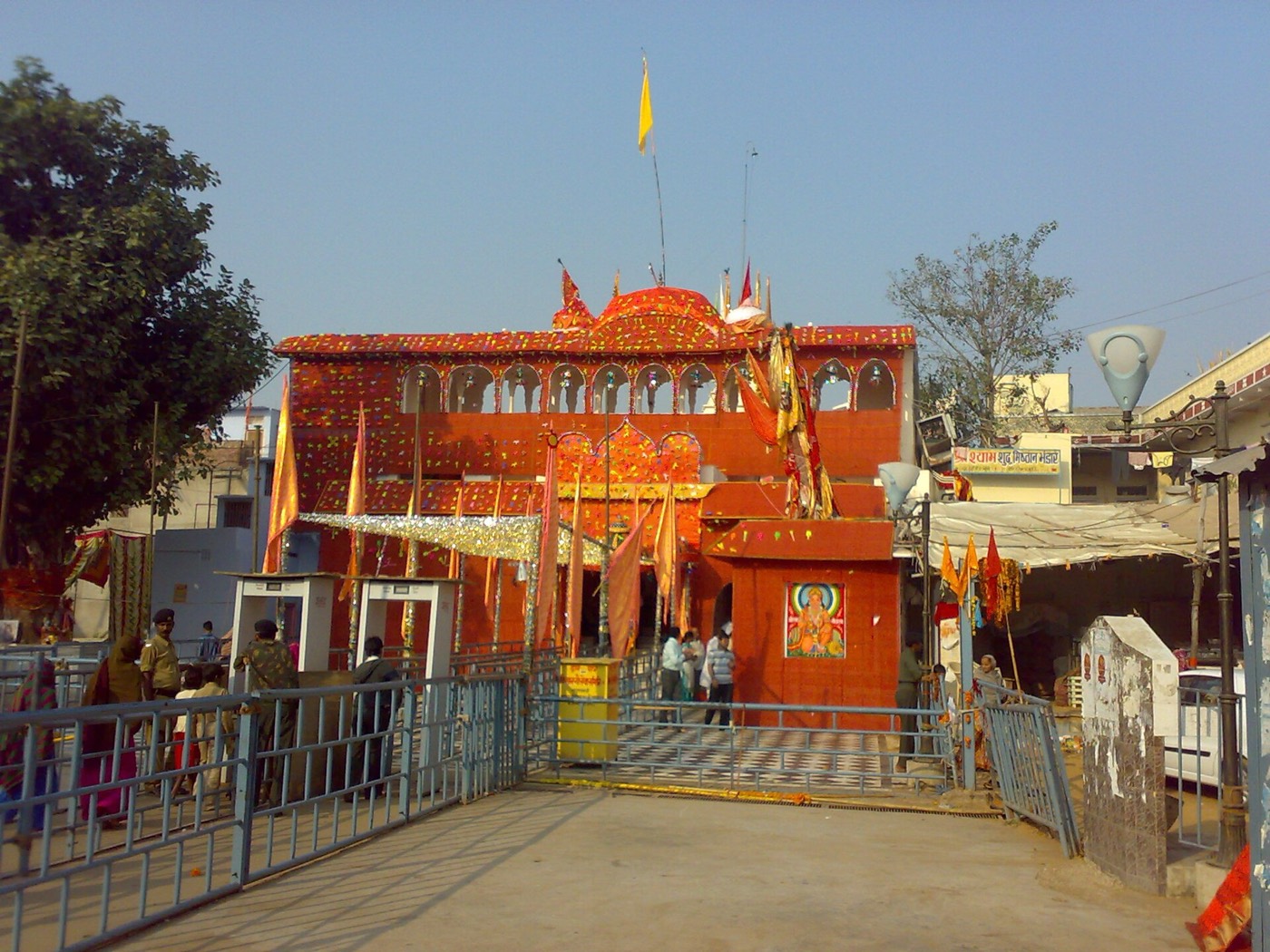
Khatu Shyam Ji
Rajasthan's beloved Krishna-as-Barbarika shrine, an easy day trip north of Jaipur
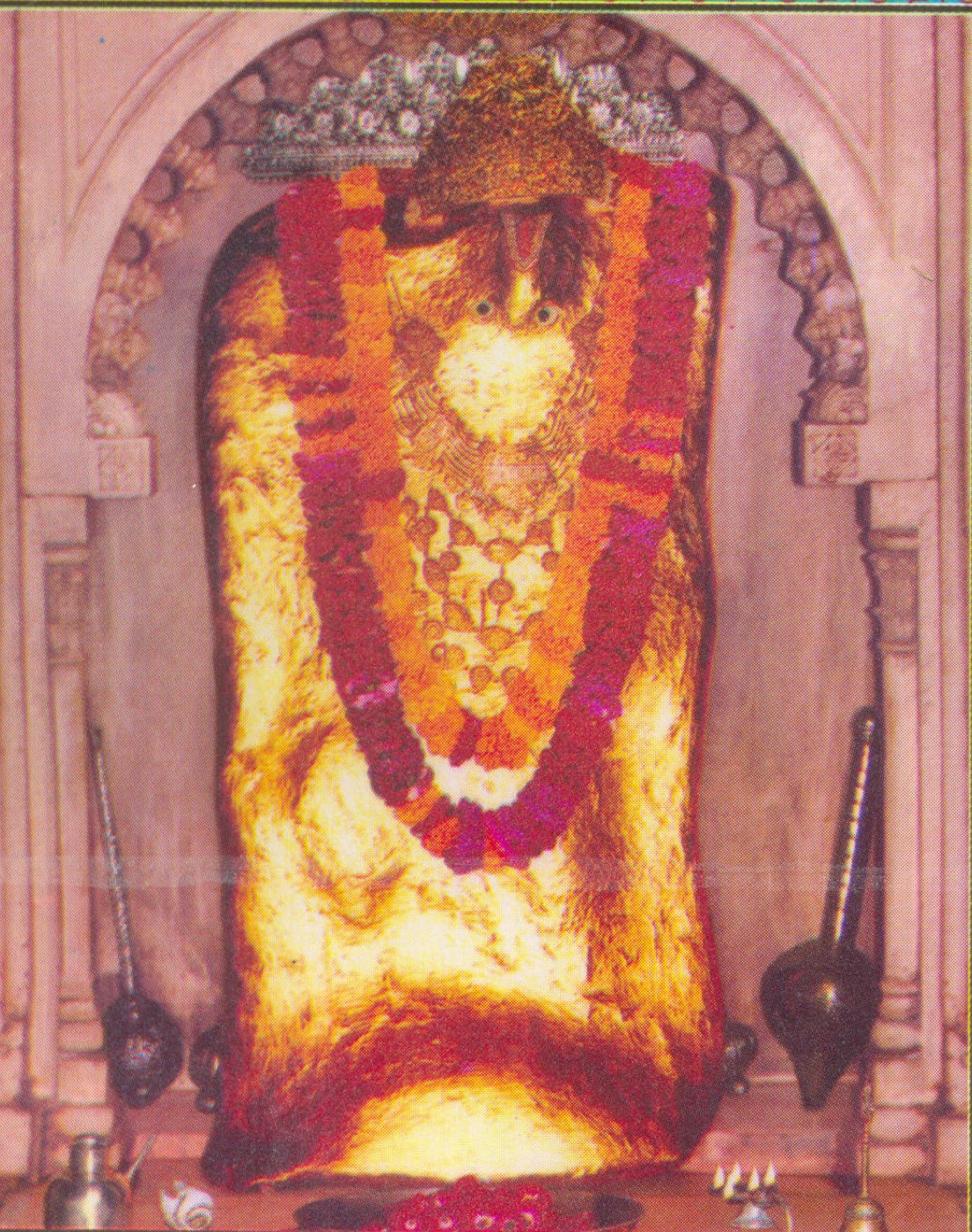
Mehandipur Balaji
Famous Hanuman shrine known for exorcism rituals, on the Jaipur-Agra side
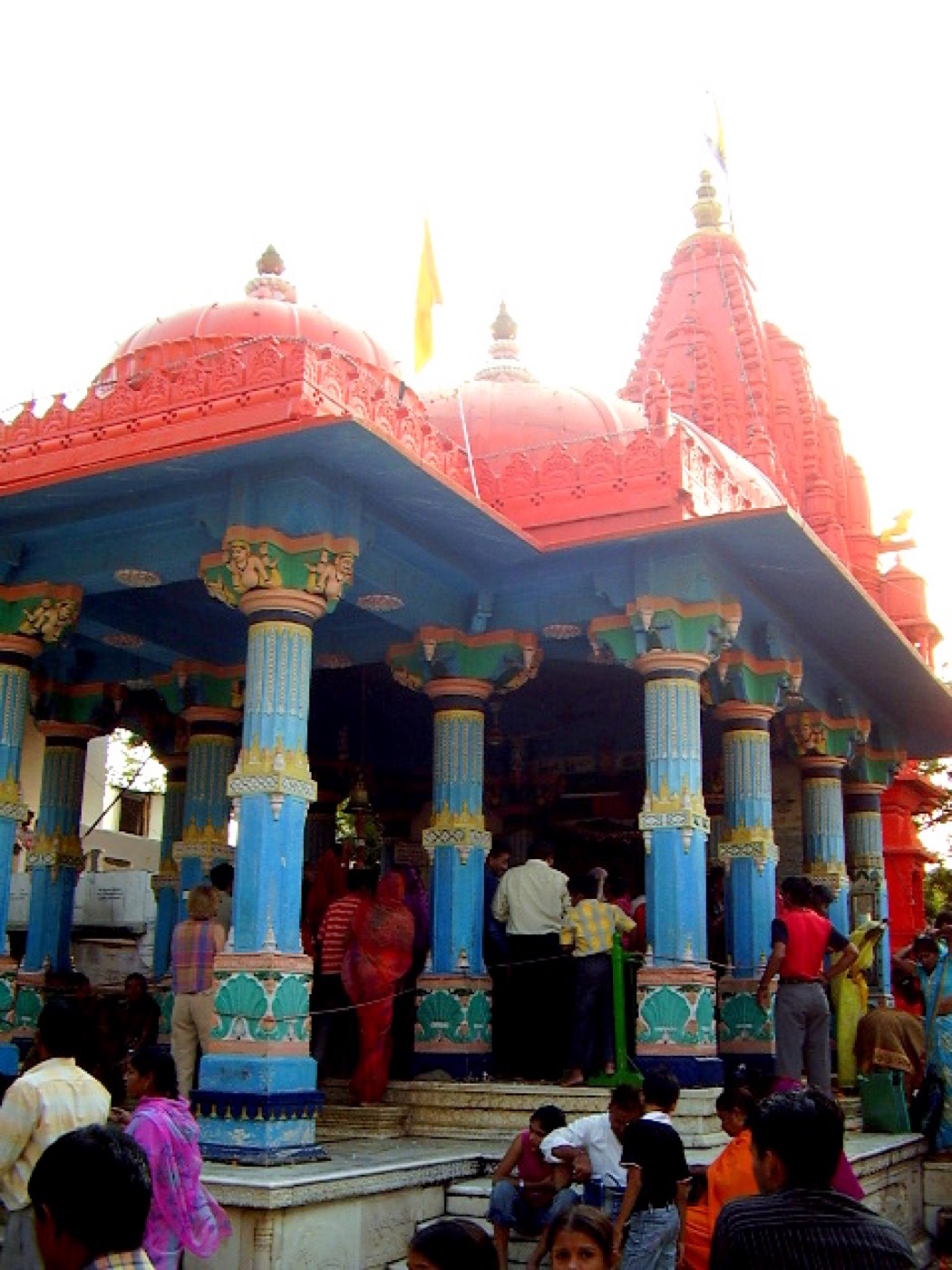
Brahma Temple, Pushkar
The rare temple to Lord Brahma beside Pushkar lake, via Ajmer
Read the full Nearby Temples & Tirths →
Where to stay
Most pilgrims stay in the walled old city near Badi Chaupar, Hawa Mahal and Chandpole, within walking distance of the temple; options run from simple dharamshalas and budget guesthouses to mid-range hotels. For more comfort, the MI Road, Bani Park and station areas have plenty of hotels a short cab ride away, and Jaipur has abundant heritage hotels if you want to combine darshan with a palace stay. Book ahead for Janmashtami, when rooms near the old city fill fast.
Frequently asked questions
Govind Dev Ji temple timings today
What are the seven jhankis at Govind Dev Ji Jaipur
Nearest railway station to Govind Dev Ji temple Jaipur
Is Govind Dev Ji temple free to visit
Is Govind Dev Ji temple open on Janmashtami
Compiled from public sources including Wikipedia: Govind Dev Ji Temple · Wikimedia Commons: Govind Dev Ji image file (license) · Wikipedia: Jaipur (transport, station and airport). Timings and seasonal closures change; confirm with the temple trust before travelling.