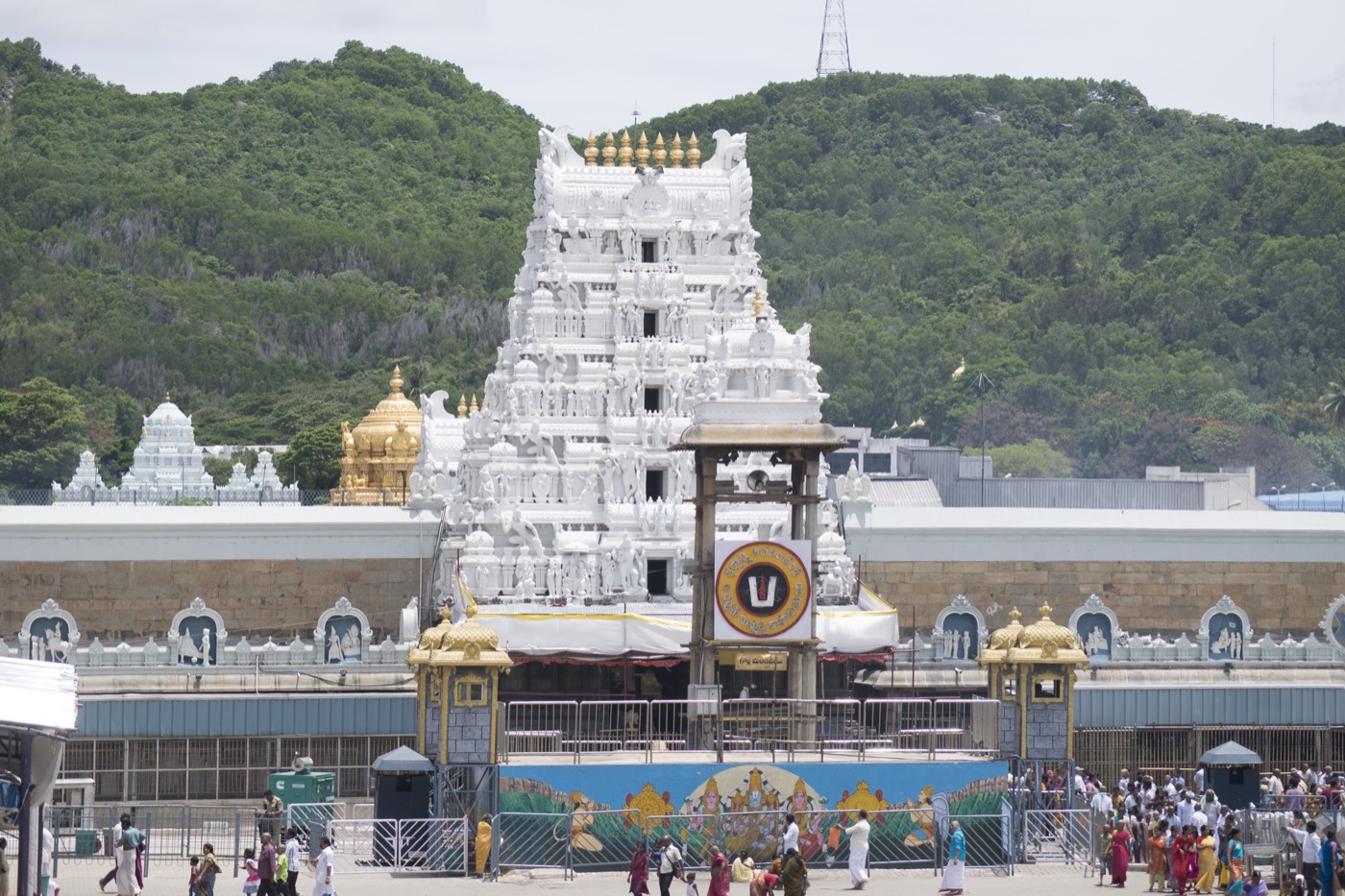
Darshan timings at Tirupati Balaji
| Season | Opens | Darshan | Closes | Status |
|---|---|---|---|---|
| Daily (temple hours) | approx 2:30 AM (Suprabhatam) | Sarva Darshan (free) for most of the day and night | approx 1:00 AM next day (Ekanta Seva) | Open |
| Wed and Fri | approx 2:30 AM | Sarva Darshan often begins later (around 9 AM) because more Arjitha sevas run in the morning | approx 1:00 AM | Open |
| Festival days (Brahmotsavam, Vaikunta Ekadasi, Rathasapthami) | extended, often earlier | hours are extended and crowds are extreme; some sevas are suspended | extended, sometimes near 1:30 AM | Open |
Read the full Timings & Darshan Hours →
How to reach Tirupati Balaji Temple (Sri Venkateswara Swamy, Tirumala)
Tirumala is a hilltop temple town about 22 to 26 km above Tirupati city by ghat road. You reach Tirupati first, then climb the hill by bus, car, or on foot. Private vehicles need a permit and there are security checks on the ghat road.
| Mode | Point | Distance | Notes |
|---|---|---|---|
| Train | Tirupati Main railway station (TPTY) | approx 26 km to Tirumala via ghat road | Well connected to Chennai, Bengaluru, Hyderabad and beyond. From the station take an APSRTC ghat bus from the Tirupati bus stand or a car up the hill. |
| Air | Tirupati Airport (TIR), Renigunta | approx 15 km to Tirupati city, approx 40 km to Tirumala | Domestic flights from major metros. Prepaid taxis and buses run to Tirupati and up to Tirumala. |
| Road (bus) | APSRTC ghat buses from Tirupati Central bus stand | approx 22 km ghat climb | Frequent buses climb the seven hills via the well-graded ghat road. Two separate ghat roads handle up and down traffic. |
| Road (car) | From Chennai (nearest big city) | approx 140 to 150 km, about 3 to 4 hours | Bengaluru is roughly 250 km. Cars need a vehicle permit to use the ghat road and pass a checkpost. |
| On foot | Alipiri Mettu or Srivari Mettu footpaths | Alipiri approx 9 km / around 3,550 steps; Srivari Mettu approx 2.1 km and shorter | Many pilgrims climb barefoot as a vow. Free luggage transport and Divya Darshan (a faster queue for foot pilgrims) are offered to those who walk up. |
Puja & aarti schedule
- Suprabhatam: the Lord is awakened from celestial sleep with hymnsapprox 2:30 to 3:00 AM
- Thomala Seva: the deity is adorned with tulasi and fresh flower garlandsapprox 3:30 to 4:00 AM
- Koluvu and Panchanga Sravanam: the day's almanac is read out to the Lordapprox 4:00 to 4:15 AM
- Sahasranamarchana (first archana): the 1,008 names of the Lord are recitedapprox 4:15 AM
- Sarva Darshan and paid sevas continue; Astadala Pada Padmaradhana and other archanas run in betweenmorning through night
- Ekanta Seva: the Lord is put to rest; during Dhanurmasam this shifts and Tiruppavai is recitedapprox 1:00 AM (next day)
Read the full Aarti & Puja Schedule →
Dress code & temple rules
Traditional Indian attire is mandatory and enforced at entry. Men: dhoti with an upper cloth, or kurta-pyjama, or full trousers with a shirt (full sleeves preferred). Women: saree, half-saree, or salwar kameez / churidar with a dupatta.
Not allowed: shorts, bermudas, three-fourths, mini skirts, sleeveless tops, ripped or short jeans, and graphic or casual Western wear. Non-compliant pilgrims can be turned away from darshan.
For paid Arjitha sevas the dress code is stricter and strictly traditional (dhoti and upper cloth for men, saree or churidar with dupatta for women).
Tonsure (head shaving, called mokku) is a common vow and is done at the Kalyanakatta, not inside the shrine; the hair is not offered to the deity itself.
Mobile phones, cameras and electronic gadgets are not permitted inside the temple and must be deposited in cloakrooms.
Non-Hindu visitors are asked to sign a declaration of faith in Lord Venkateswara before entering the sanctum area.
Offerings go into the Hundi (the temple donation vessel); TTD also runs an e-Hundi for digital donations. Collect your Srivari Laddu prasadam token as part of the darshan.
Read the full Dress Code & Temple Rules →
Best time to visit & festivals
Tirumala is busy all year, so timing is really about weather and crowd tolerance. The cooler, drier months from roughly October to February are the most comfortable on the hill, but they also carry the biggest festivals and the heaviest crowds. Weekdays are lighter than weekends. If you want a calmer darshan, avoid festival windows and school holidays.
| Festival | When | Significance |
|---|---|---|
| Salakatla (Annual) Brahmotsavam | September (nine days; around 15 to 23 September in 2026) | The grandest festival, when the processional deity is taken out on a different vahana each day; the Garuda Seva night is the single most crowded darshan of the year. Peak |
| Vaikunta Ekadasi and Vaikunta Dwaram | December to January (Margashirsha / Dhanurmasam) | Devotees pass through the Vaikunta Dwaram, the northern gateway believed to lead to Vaikuntha; among the most auspicious and most crowded days of the year. Peak |
| Rathasapthami | February (Magha month) | A single-day mini-Brahmotsavam when the Lord is taken out on seven different vahanas in one day, along with Surya worship. |
| Teppotsavam (Float Festival) | February to March | The processional deities are floated on a decorated boat in the Swami Pushkarini tank over several evenings. |
Read the full Best Time to Visit & Festivals →
Nearby temples & tirths
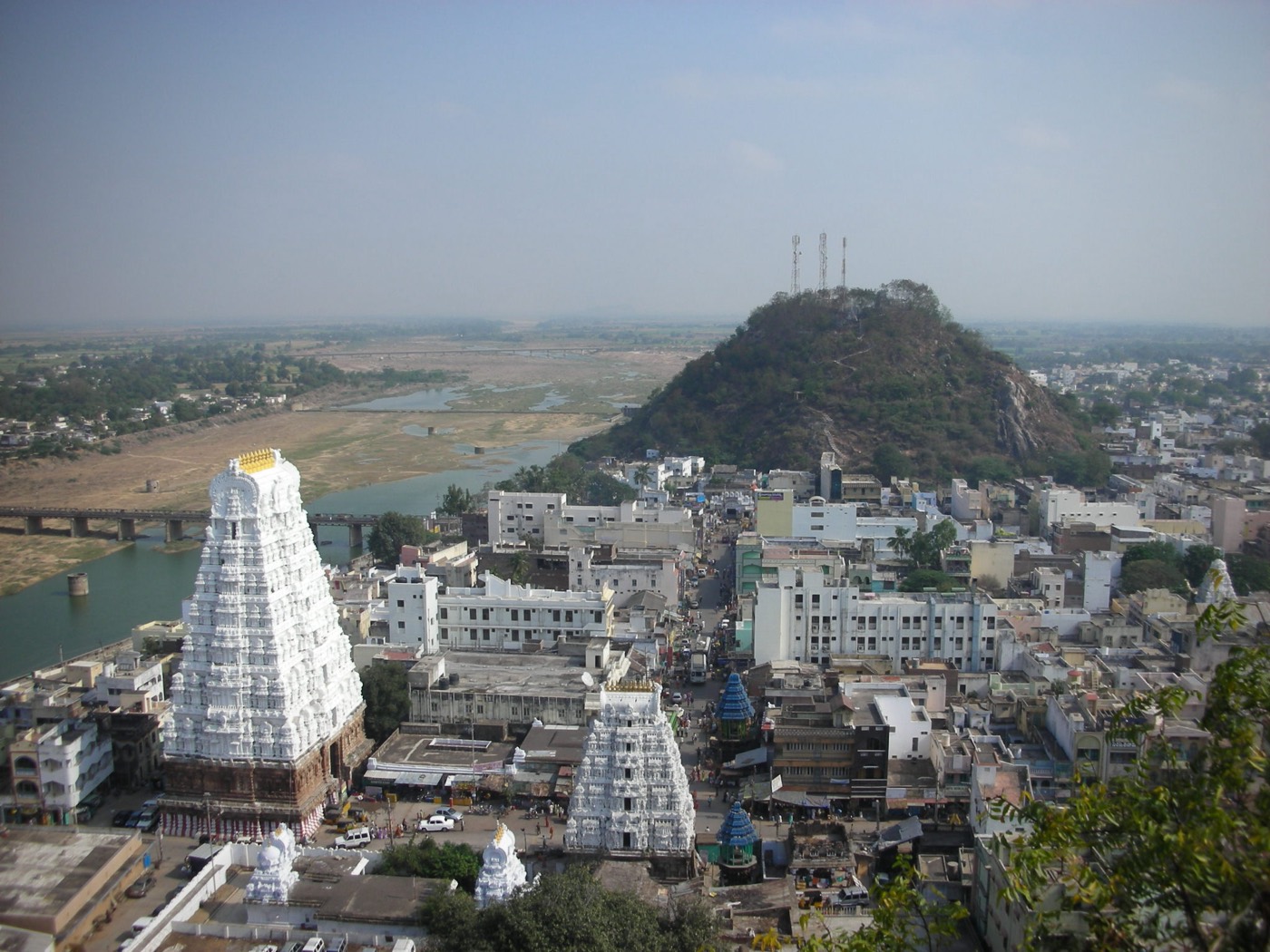
Srikalahasti Temple
The Vayu (wind) lingam among the Pancha Bhoota Sthalams, famous for Rahu-Ketu pujas; a classic same-day add-on from Tirupati.
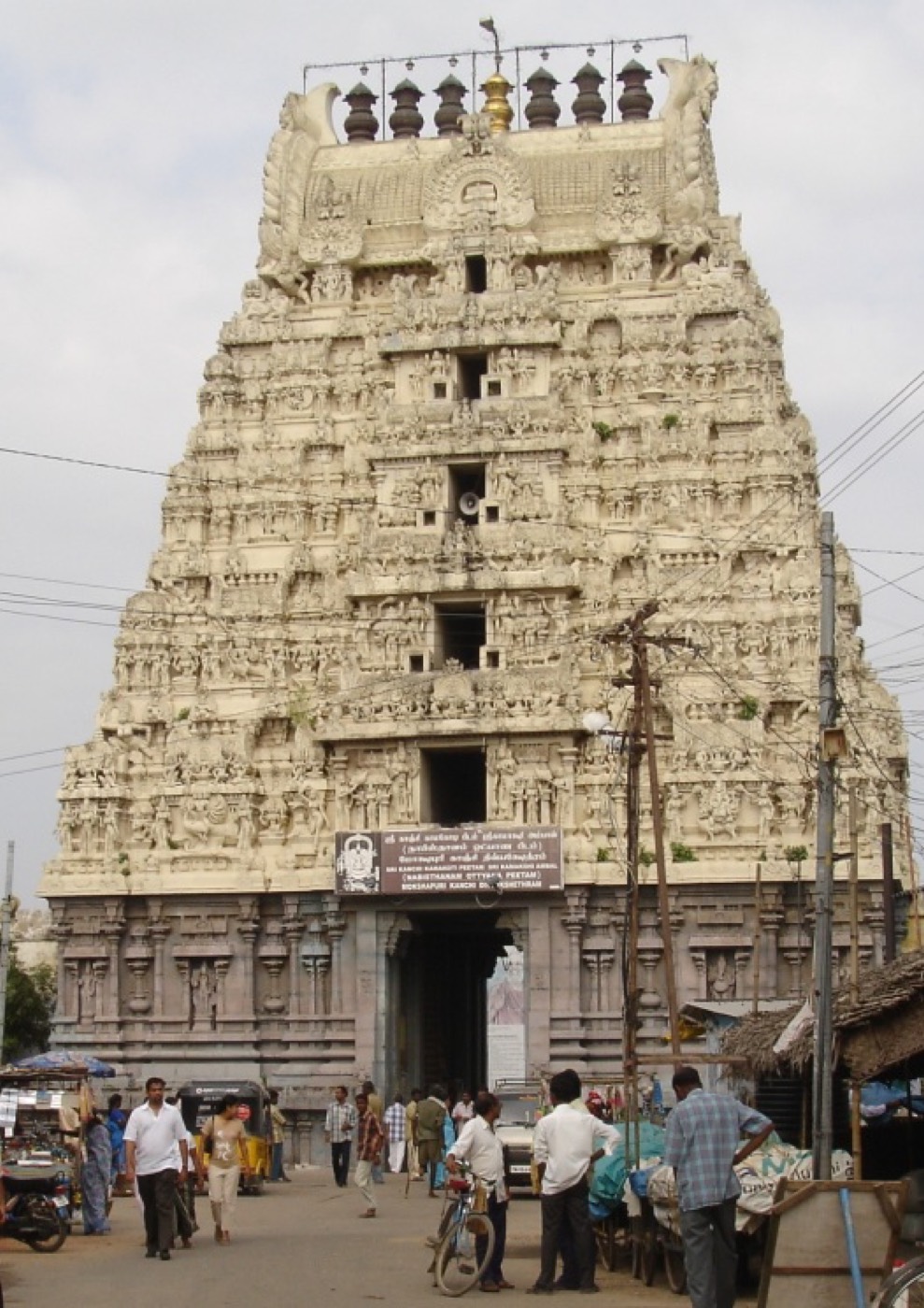
Kamakshi Amman, Kanchipuram
The great Shakti temple in the ancient temple city of Kanchipuram, an easy onward stop toward Chennai.
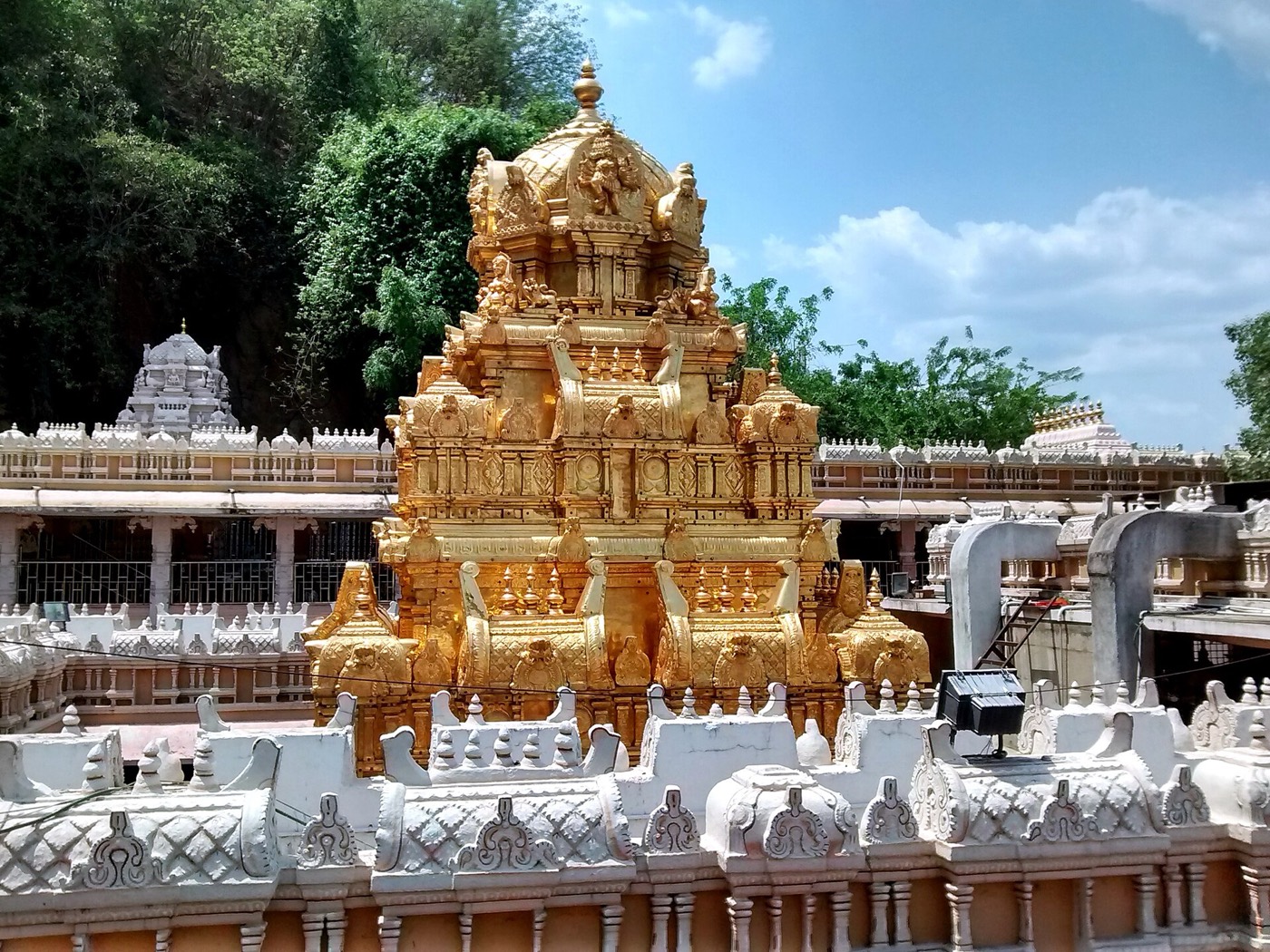
Kanaka Durga, Vijayawada
The hilltop Durga temple on the Krishna river, one of Andhra Pradesh's most revered Shakti shrines.
Read the full Nearby Temples & Tirths →
Where to stay
Most pilgrims stay at Tirumala itself so they can join early-morning darshan. TTD runs a huge network of accommodation on the hill: free dormitories and choultries near the temple, budget guest houses, and better-equipped private cottages (rates roughly from around Rs 100 upward), all bookable through the TTD online portal or at the Central Reception Office. Demand is intense and rooms sell out weeks ahead during Brahmotsavam and Vaikunta Ekadasi, so book early or be ready to use the dormitory / PAC (Pilgrim Amenities Complex) queue on arrival. Tirupati city below the hill has the full range of private hotels and lodges near the railway station and bus stand for those who prefer to base there and travel up for darshan. Free anna prasadam (meals) is served to pilgrims at Tirumala through TTD's Nitya Annadanam scheme.
Frequently asked questions
Tirupati Balaji temple timings today
Nearest railway station to Tirupati Balaji temple
Is Tirupati temple open during Vaikunta Ekadasi
What is the dress code for Tirupati Balaji darshan
How to reach Tirumala from Tirupati
Compiled from public sources including Tirumala Venkateswara Temple, Wikipedia · Venkateswara Temple, Tirumala, Encyclopaedia Britannica · Tirumala Tirupati Devasthanams (TTD) official portal · How to reach Tirumala (SPWPC, TTD). Timings and seasonal closures change; confirm with the temple trust before travelling.