The dharamshala is one of India's oldest institutions: a rest house for pilgrims, run by a trust or community, offering clean, simple rooms at cost or on donation. At the major shrines this has grown into serious infrastructure, with Tirumala's TTD network and Shirdi's Sansthan blocks housing thousands of devotees a night.
The advantage is location and rhythm rather than luxury. Trust accommodation clusters around the temple, which is exactly where you want to be at 4 AM for the first aarti, and it runs on a pilgrim schedule: early rising, simple vegetarian food, quiet nights. The trade-off is that rooms are basic, bookings are strict, and festival weeks sell out far ahead.
Everything below is drawn from our verified temple guides. Rates and portals change, so treat this as the shape of the system and confirm current details on each temple's own page.
The sansthan mega-complexes
Two temples in our hundred run pilgrim accommodation at industrial scale. At Tirumala, TTD operates a huge network on the hill: free dormitories and choultries near the temple, budget guest houses, and better-equipped private cottages with rates recorded as roughly from around Rs 100 upward, bookable through the TTD online portal or at the Central Reception Office. Demand is intense and rooms sell out weeks ahead during Brahmotsavam.
Shirdi's Shri Saibaba Sansthan Trust runs large, inexpensive devotee blocks, the Bhaktaniwas, Sai Ashram and dharmshalas, close to the mandir and bookable through the official portal at online.sai.org.in, and these fill fast on festival days. Around them sits a dense ring of private hotels within walking distance, which is the useful pattern at both towns: try the trust first, and let the private ring be the fallback.
Vaishno Devi runs the most interesting version of this, because its accommodation is distributed along a climb. The Shri Mata Vaishno Devi Shrine Board operates bhawans and dormitories in Katra and, crucially, up the route at Ardh Kuwari, Sanjichhat and the Bhawan itself, so devotees can break the roughly 13 km climb rather than doing it in one push.
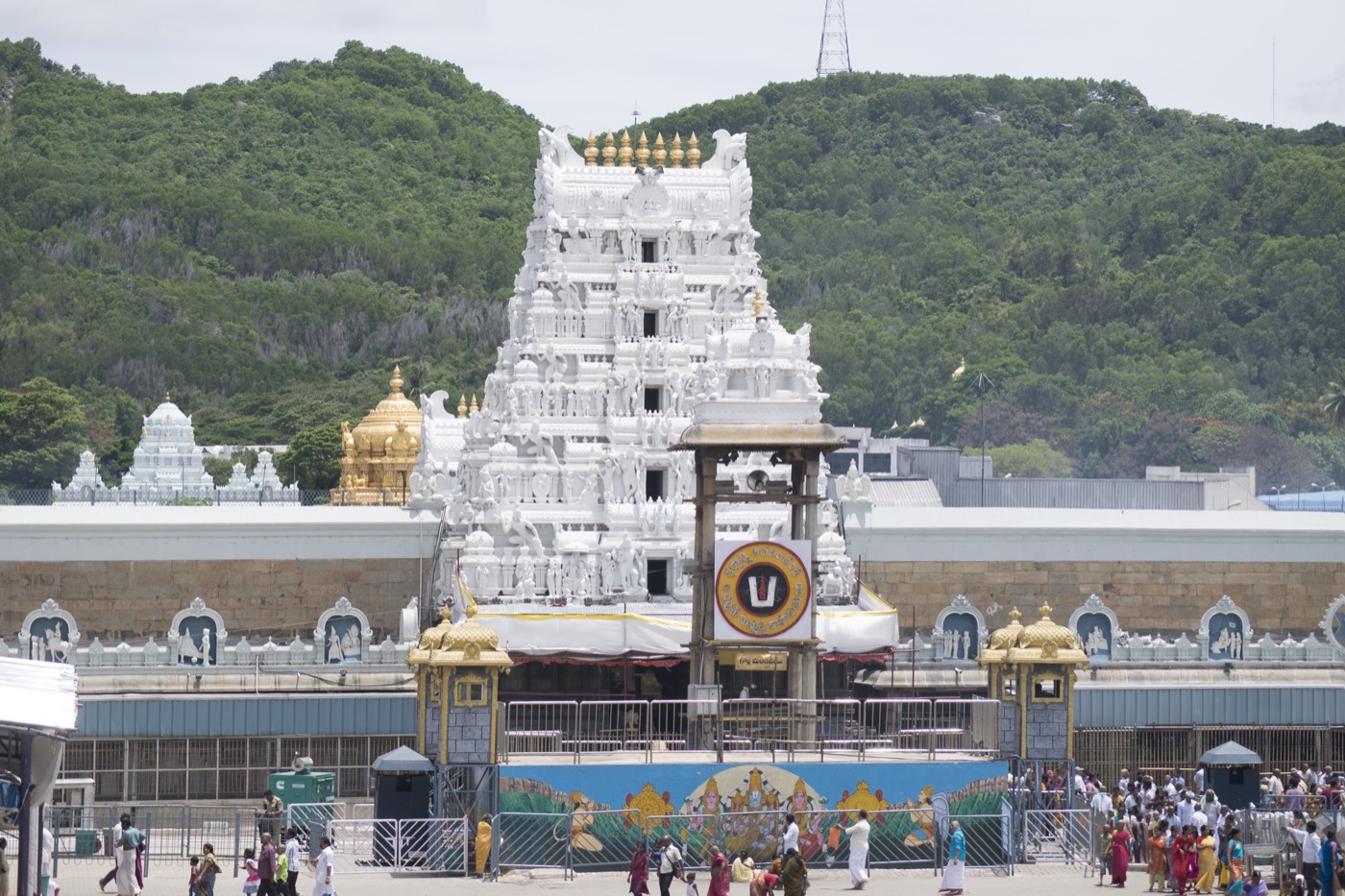
Tirupati Balaji Temple (Sri Venkateswara Swamy, Tirumala)
Tirupati, Andhra Pradesh
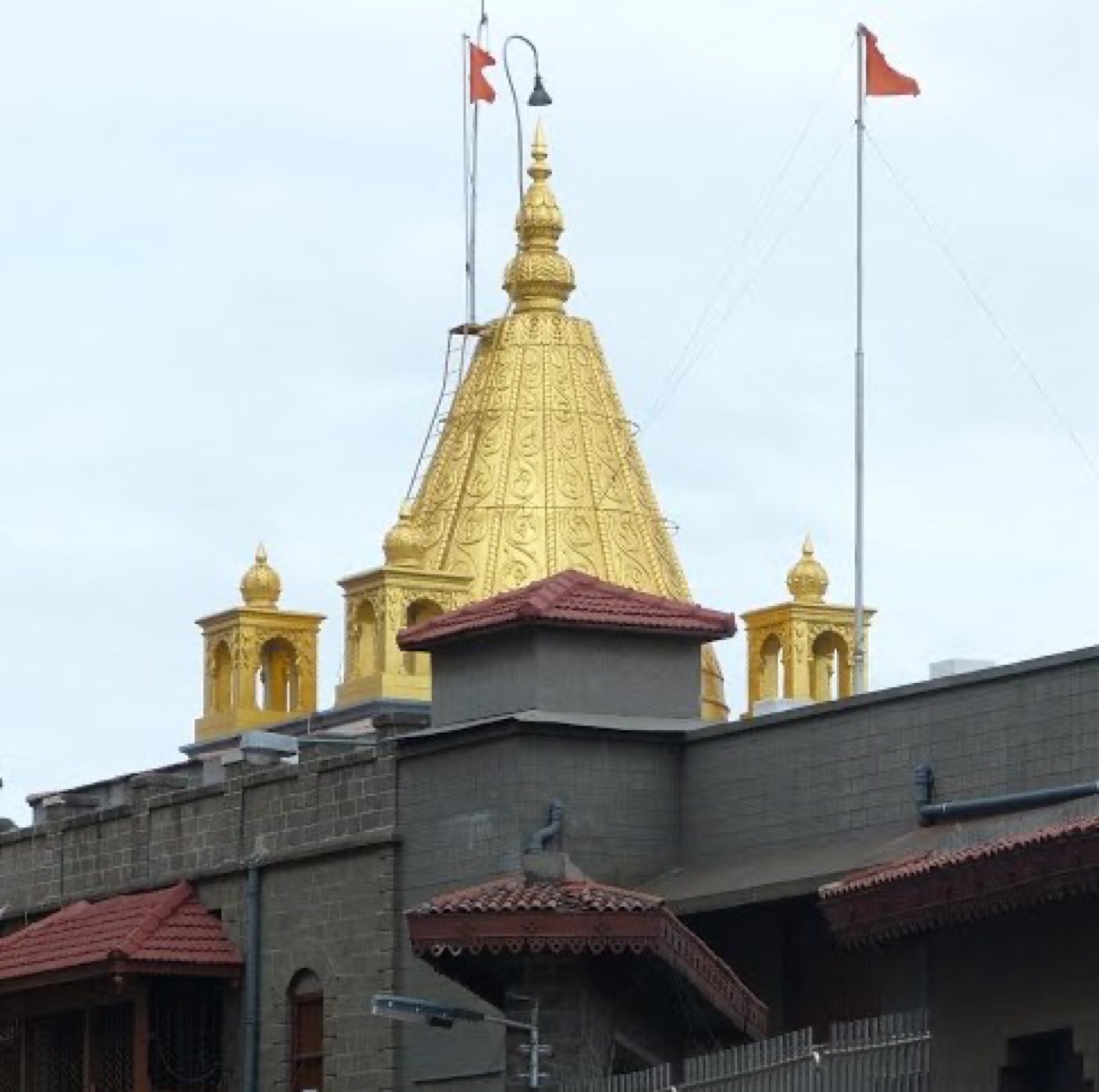
Shirdi Sai Baba Temple (Samadhi Mandir)
Ahmednagar (Ahilyanagar), Maharashtra
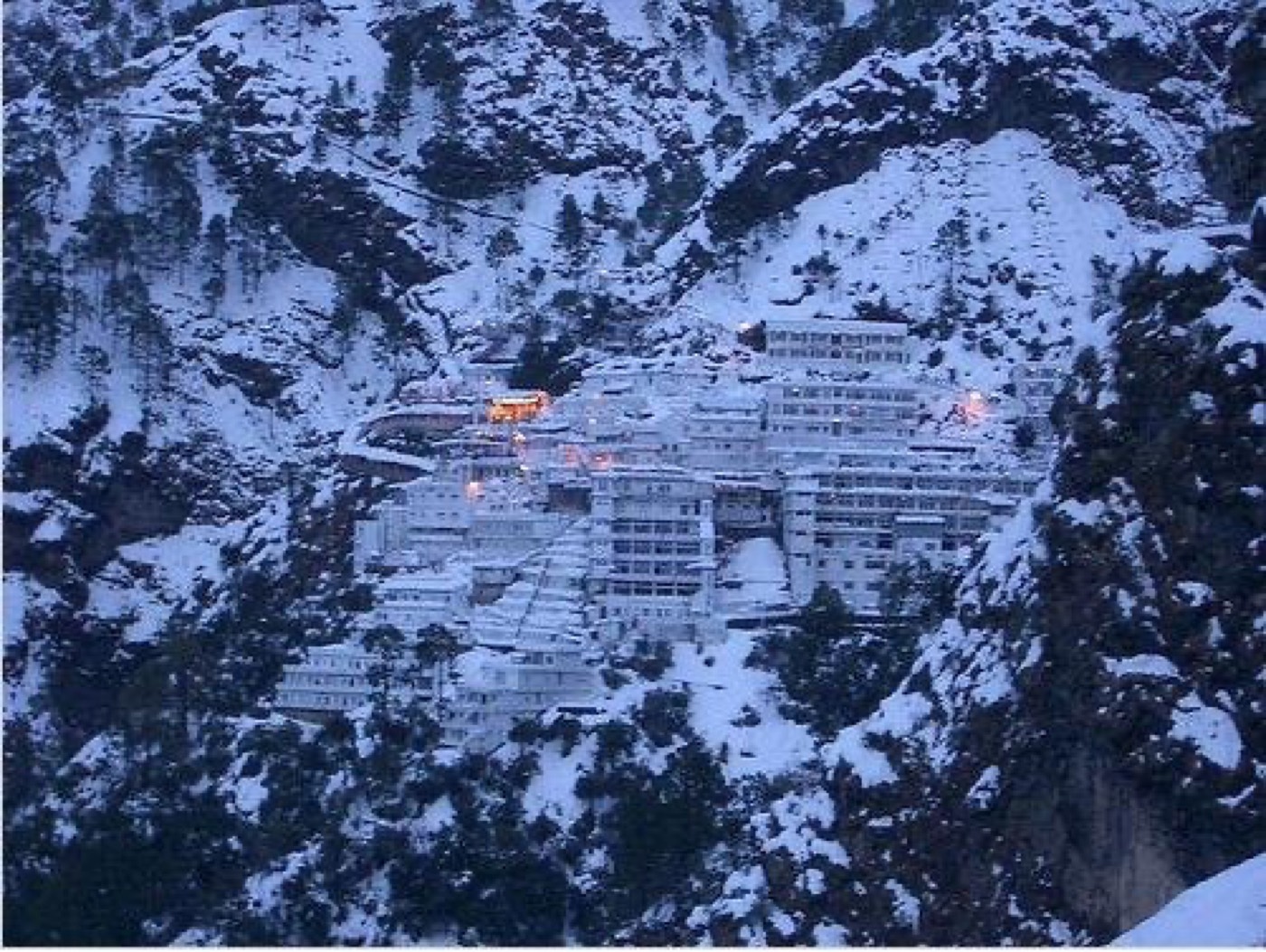
Shri Mata Vaishno Devi
Reasi, Jammu & Kashmir
Trust guest houses at the coastal dhams
Gujarat's two great coastal temples show the trust guest house at its most comfortable. At Somnath, most pilgrims stay in Shree Somnath Trust guesthouses right by the temple: Sagar Darshan Atithi Gruh with sea views, Lilavati Atithi Bhavan and Maheshwari Atithi Bhavan, all with in-house dining and baby-cradle facilities, booked through the Trust. Veraval, 7 km away, adds private hotels for those wanting more choice or lower rates.
Dwarka offers the widest spread of walkable options in our data: the ISKCON Dwarka Dham guest house about 300 m from the temple with AC and non-AC rooms, Devi Bhuvan Dharamshala roughly 500 m off, plus Birla (Gita Mandir), Bangad, Gayatri, Aggarwal and Swaminarayan dharamshalas and community lodges such as the Maharashtra Mandal. For a family that wants to walk to a 6:30 AM mangla aarti, this is unbeatable.
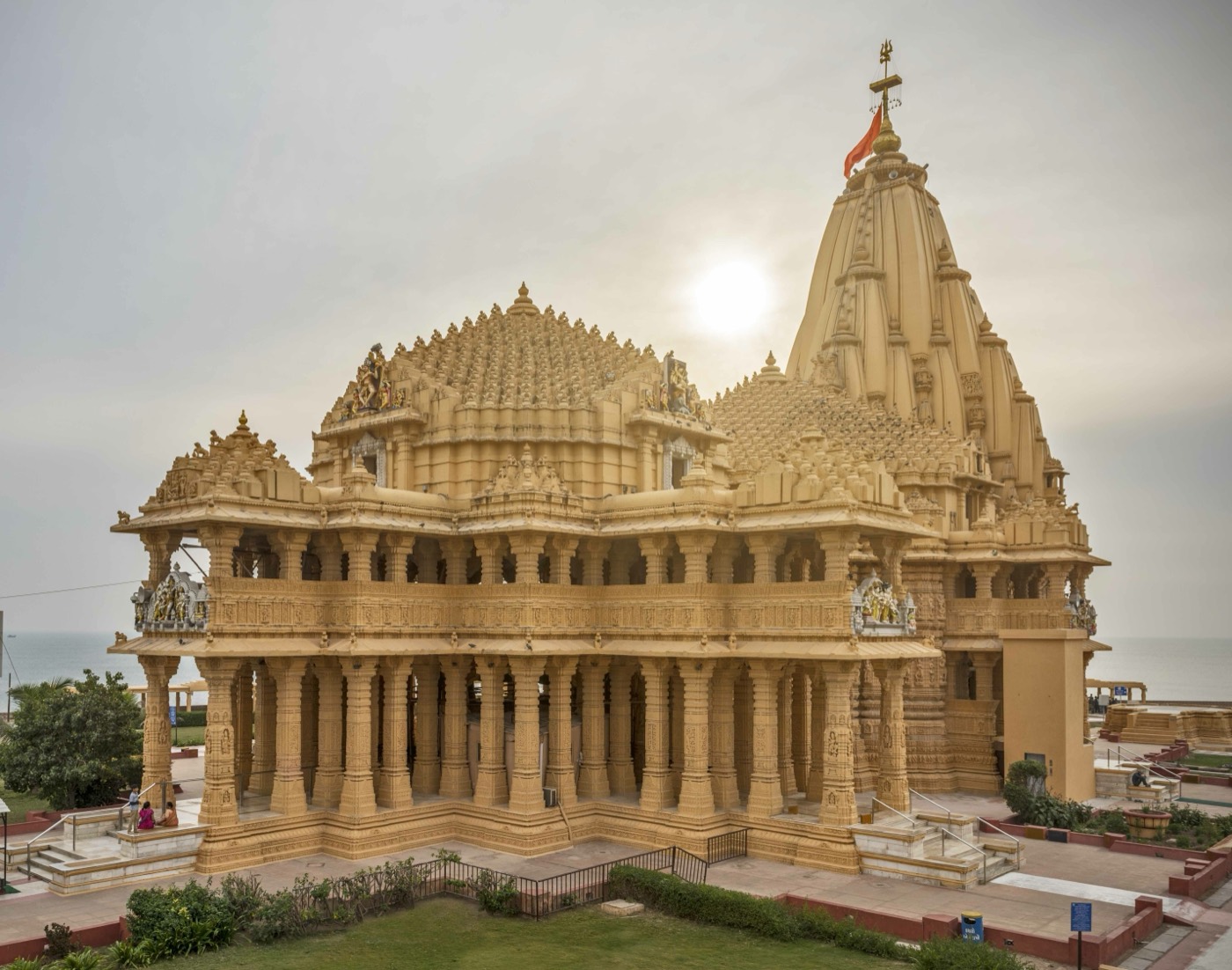
Somnath Temple
Gir Somnath, Gujarat
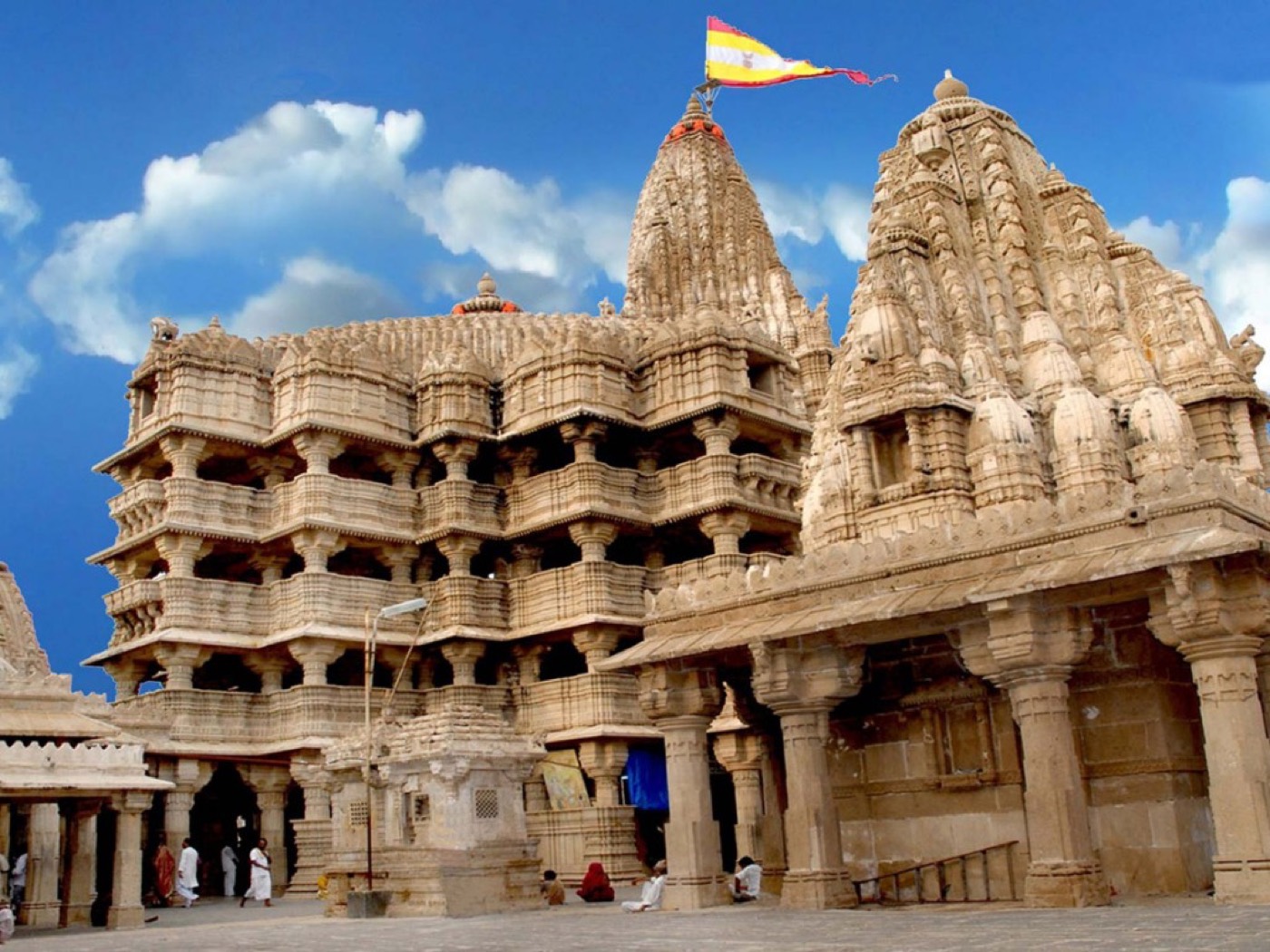
Dwarkadhish Temple (Jagat Mandir), Dwarka
Devbhumi Dwarka, Gujarat
Jain dharamshalas: the most organised system of all
Jain pilgrimage runs on dharamshalas rather than hotels, and Palitana is the finest example in our guides. Almost everyone stays in the town around Taleti Road near the base of the climb, in Jain dharamshalas: Maharashtra Bhuvan Jain Dharamshala, Suntar Bhavan, Oswal Yatrik Gruh and Mewad Bhavan among the known names, most with attached bhojanshalas serving sattvic Jain meals.
The character is worth understanding before booking. Rooms are clean, inexpensive and geared to early-rising pilgrims, which matters enormously at Palitana, where the climb of approx 3,800 steps starts before dawn and the hill must be vacated by dusk. Book ahead in peak season and on festival days, especially around Kartik Purnima when the pilgrimage reopens after Chaturmas.
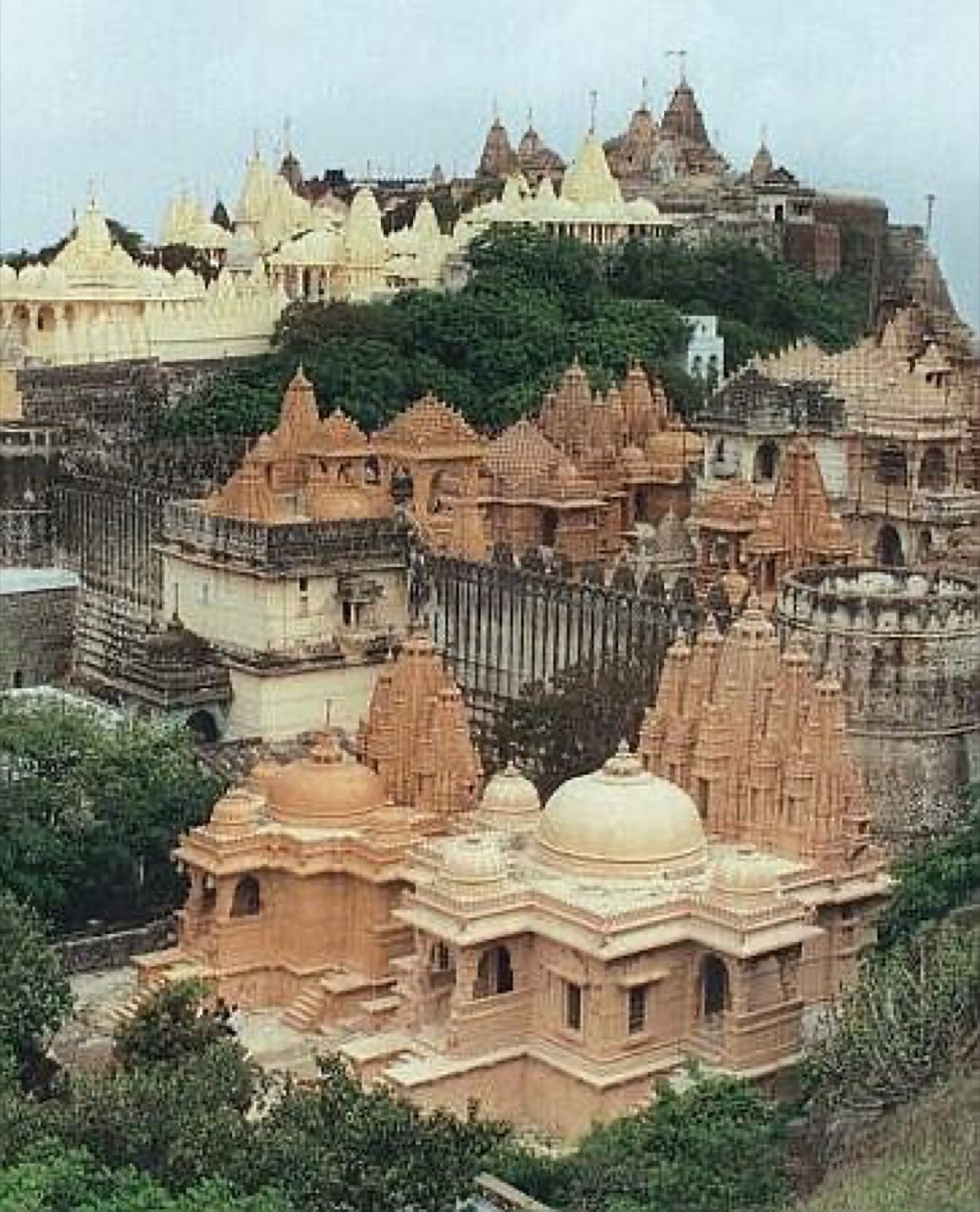
Rajasthan's community dharamshalas
The folk shrines of Rajasthan have some of the most generous pilgrim lodging in the country. At Salasar, beds are plentiful and cheap: numerous dharamshalas and trust-run guest houses cluster around the temple, many offering basic free or donation-based rooms for devotees, with budget hotels lining the approach roads. Rooms tighten during the Chaitra and Ashwin fairs.
Khatu has grown a dense belt of dharamshalas, budget lodges and mid-range hotels within walking distance, many run by community trusts, with more guesthouses at the Ringas railhead. Our guide notes the practical alternative honestly: for more comfort and choice, many travellers base themselves in Sikar, approx 45 km away, or Jaipur at approx 80 km, and make Khatu a day trip. During the Phalgun Mela, rooms fill far in advance.

Salasar Balaji
Churu, Rajasthan
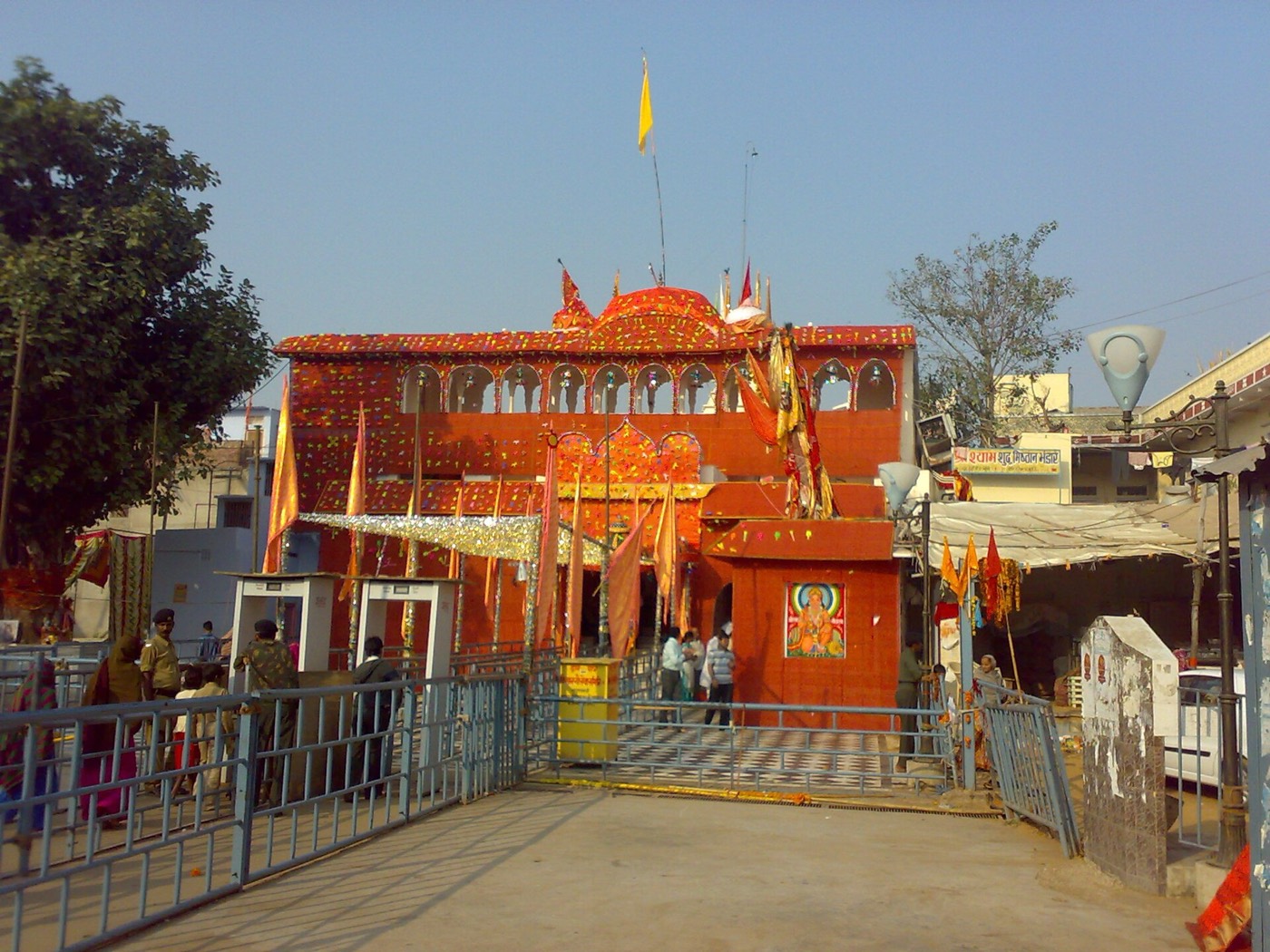
Khatu Shyam Ji Temple
Sikar, Rajasthan
How to actually book
Three booking patterns cover almost every case. The online portal, used by the biggest trusts: TTD's own portal for Tirumala and online.sai.org.in for Shirdi, both requiring advance planning and both selling out on festival dates. The trust office, used by places like the Shree Somnath Trust, where you book directly with the temple's administration. And walk-up, still the norm at community dharamshalas in Rajasthan and Gujarat, where you arrive and ask.
For walk-up places, arriving in the late morning rather than the evening dramatically improves your odds, since the previous night's pilgrims check out after morning darshan. And whichever route you use, avoid the festival weeks entirely unless the festival is the point: Brahmotsavam at Tirumala, the Phalgun Mela at Khatu, Chaitra and Ashwin at Salasar, and Kartik Purnima at Palitana all empty the town's beds well in advance.
| Temple | What the trust runs | How to book |
|---|---|---|
| Tirupati (Tirumala) | Free dormitories and choultries, budget guest houses, private cottages from roughly Rs 100 upward | TTD online portal or Central Reception Office; weeks ahead in festival season |
| Shirdi | Bhaktaniwas, Sai Ashram and dharmshalas near the mandir | Official portal online.sai.org.in |
| Vaishno Devi | Bhawans and dormitories at Katra, Ardh Kuwari, Sanjichhat and the Bhawan | Shrine Board accommodation, plus Katra's private range |
| Somnath | Sagar Darshan, Lilavati and Maheshwari Atithi Bhavans with dining | Through the Shree Somnath Trust |
| Dwarka | ISKCON guest house approx 300 m away; Devi Bhuvan, Birla, Bangad, Gayatri, Aggarwal and Swaminarayan dharamshalas | Direct with each dharamshala |
| Palitana | Jain dharamshalas with bhojanshalas around Taleti Road | Direct; book ahead in season and on festival days |
| Salasar | Dharamshalas and trust guest houses, many free or donation-based | Walk-up; tight during Chaitra and Ashwin fairs |
| Khatu Shyam | Community-trust dharamshalas and budget lodges near the temple | Walk-up; or base in Sikar approx 45 km or Jaipur approx 80 km |
What a dharamshala is, and what it is not
It is not a cheap hotel, and treating it as one produces disappointment on both sides. A dharamshala exists to shelter pilgrims: rooms are plain, often without air conditioning or room service, bathrooms may be shared, gates may close early, and the meals, where a bhojanshala exists, are simple sattvic food served at fixed hours rather than a menu. Alcohol, meat and, in Jain establishments, leather goods are not welcome.
What it is, at its best, is a place that puts you inside the temple's own rhythm at almost no cost, among people who came for the same reason you did. Families travelling with elders often find the early hours and vegetarian kitchens genuinely easier than a hotel. Travellers who want privacy, late check-ins, a bar or a lie-in should book the private ring instead, which every one of these towns has, and no one will think less of them for it.
Frequently asked questions
What is a dharamshala?
How do you book TTD accommodation at Tirumala?
Where do pilgrims stay at Vaishno Devi?
Are temple dharamshalas free?
Can non-Jains stay in Jain dharamshalas at Palitana?
Is it better to stay near the temple or in a nearby city?
Compiled from our verified temple guides and public sources including Shree Somnath Trust: FAQ · Devbhumi Dwarka district: How to Reach · Wikipedia: Guruvayur Temple. Timings and festival dates shift with the lunar calendar; confirm before you travel.