The seven-day scheme is ancient, widely shared and remarkably consistent across regions: Monday for Shiva, Tuesday and Saturday for Hanuman and Shani, Wednesday and Thursday for gurus and Vishnu, Friday for the Goddess, Sunday for Surya. Layered on top are the lunar days that override everything: Ekadashi for Vishnu temples, Purnima for the full-moon shrines, Amavasya at the Kali temples.
The pattern is not merely theoretical. Our temple guides record it in the form that matters to a traveller: Mehandipur Balaji noting Tuesdays and Saturdays as its ritual-heavy days with dense queues, Kashi Vishwanath recording every Sawan Monday as its single busiest kind of day, Kalighat naming Tuesdays, Saturdays and every Amavasya.
What follows is the week as our data actually records it, with the planning flip at the end: how to use the same calendar in reverse.
The temple week at a glance
One table for the whole scheme, with the temples in our guides that visibly follow it.
| Day | Associated with | Where the crowd shows |
|---|---|---|
| Monday | Shiva | Kashi Vishwanath, Mahakaleshwar, Trimbakeshwar, Grishneshwar, Nageshwar, Eklingji, Hatkeshwar, Galteshwar, Bhimashankar |
| Tuesday | Hanuman; also Devi in parts of the north | Mehandipur Balaji, Salangpur, Sankat Mochan, Siddhivinayak, Kalighat |
| Wednesday | Krishna and mercantile worship | Quieter almost everywhere; a good travelling day |
| Thursday | Gurus, Sai Baba, Vishnu | Shirdi, Virpur Jalaram |
| Friday | The Goddess | Chamundeshwari (Ashada Fridays), Kanaka Durga (Shravana Fridays), Kanchipuram Kamakshi, Mahalakshmi Kolhapur |
| Saturday | Shani and Hanuman | Shani Shingnapur, Mehandipur Balaji, Sankat Mochan, Kalighat |
| Sunday | Surya | Modhera and Konark as heritage sun temples rather than crowd days |
| Ekadashi | Vishnu and Krishna | Khatu Shyam, Pandharpur, Srirangam at Vaikunta Ekadasi |
| Purnima | Full-moon shrines | Dakor at Sharad Purnima, Chotila, Pushkar and Girnar at Kartik Purnima |
| Amavasya | Shani and Kali | Shani Shingnapur, Kalighat |
Monday belongs to Shiva
Monday is the most powerful day in the Indian temple week, because Shiva's shrines are everywhere and Monday devotion is near-universal. Our guides record the effect plainly. Kashi Vishwanath notes that in Shravan every Monday brings lakhs of kanwariyas pouring Ganga water on the lingam, the single busiest kind of day at the temple. Trimbakeshwar records Monday as its heaviest day, with a silver-and-gold crown palkhi procession. Grishneshwar notes that Shravan Mondays draw very large gatherings and extended timings.
Mahakaleshwar lists Shravan Mondays alongside Nag Panchami and Mahashivratri as its peak days, with a Sawari procession through the city. Srisailam records the southern equivalent, Karthika Somavaram, Mondays in the Shaiva month of Karthika bringing heavy footfall for abhishekams. Even a small shrine like Kayavarohan notes its evening aarti drawing crowds especially on Mondays and in Shravan.
The compounding rule matters here: a Monday in Shravan, or a Monday that falls on Mahashivratri, is not twice as busy but many times so. If you want a Jyotirlinga in peace, Monday is the day to avoid all year, and Shravan Mondays are the days to avoid absolutely.
Tuesday and Saturday: Hanuman and Shani
The two days of the strong protectors. Mehandipur Balaji records Tuesdays and Saturdays as open and very crowded, with extended hours and dense queues, these being its ritual-heavy days. Sankat Mochan in Varanasi runs extended evening darshan on Tuesday and Saturday for the heavy crowds. Siddhivinayak opens earlier on Tuesdays, its own great day, when the queue famously wraps around Prabhadevi.
Saturday belongs additionally to Shani, and Shani Shingnapur is where that is most visible: our guide records Amavasya and Shani Jayanti as its peak days with extended hours and long serpentine queues, and Saturdays as the weekly equivalent. In Bengal, Kalighat names Tuesdays and Saturdays together with every Amavasya as its heaviest days, a reminder that regional traditions overlay the pan-Indian scheme rather than replacing it.
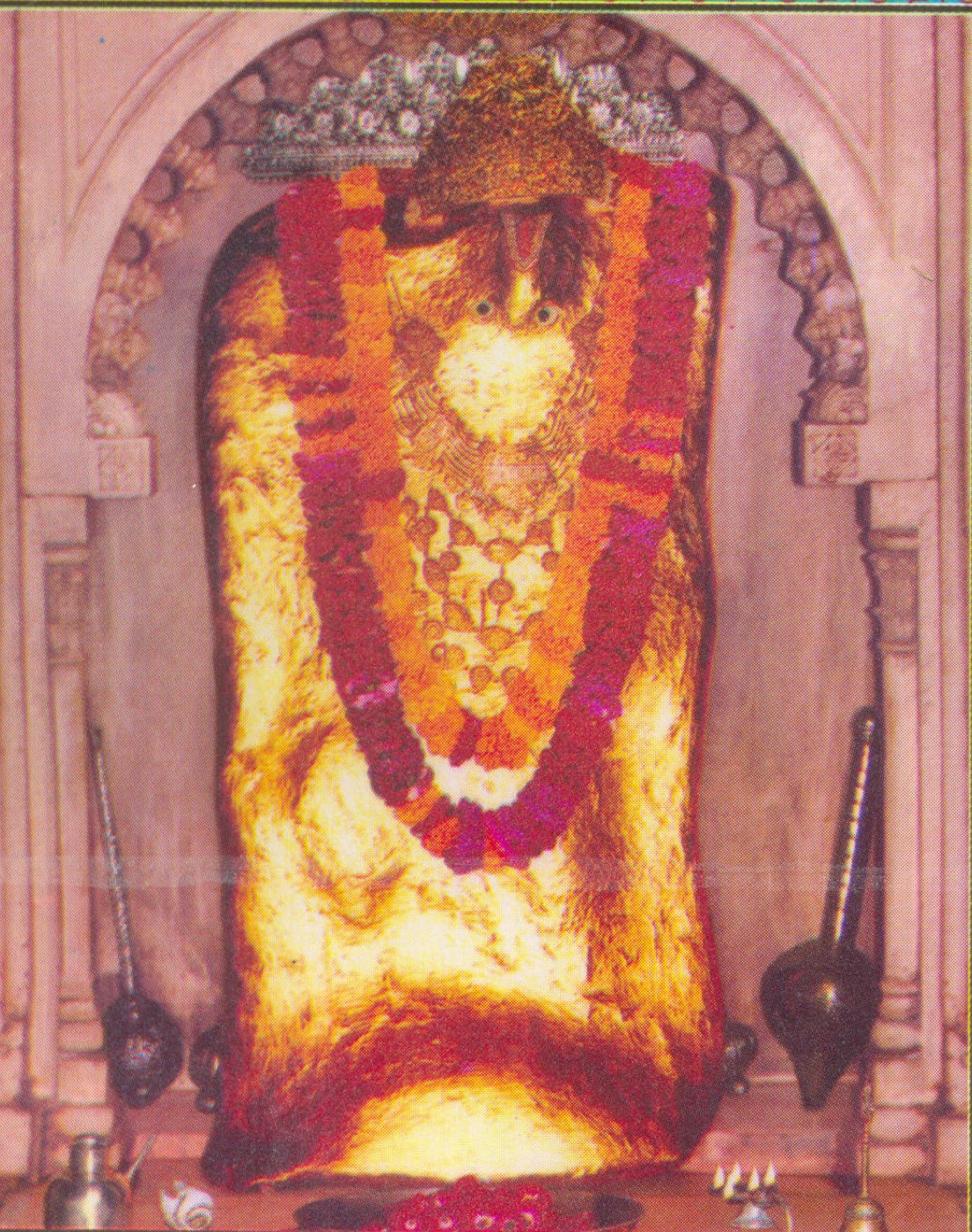
Mehandipur Balaji Temple
Dausa, Rajasthan
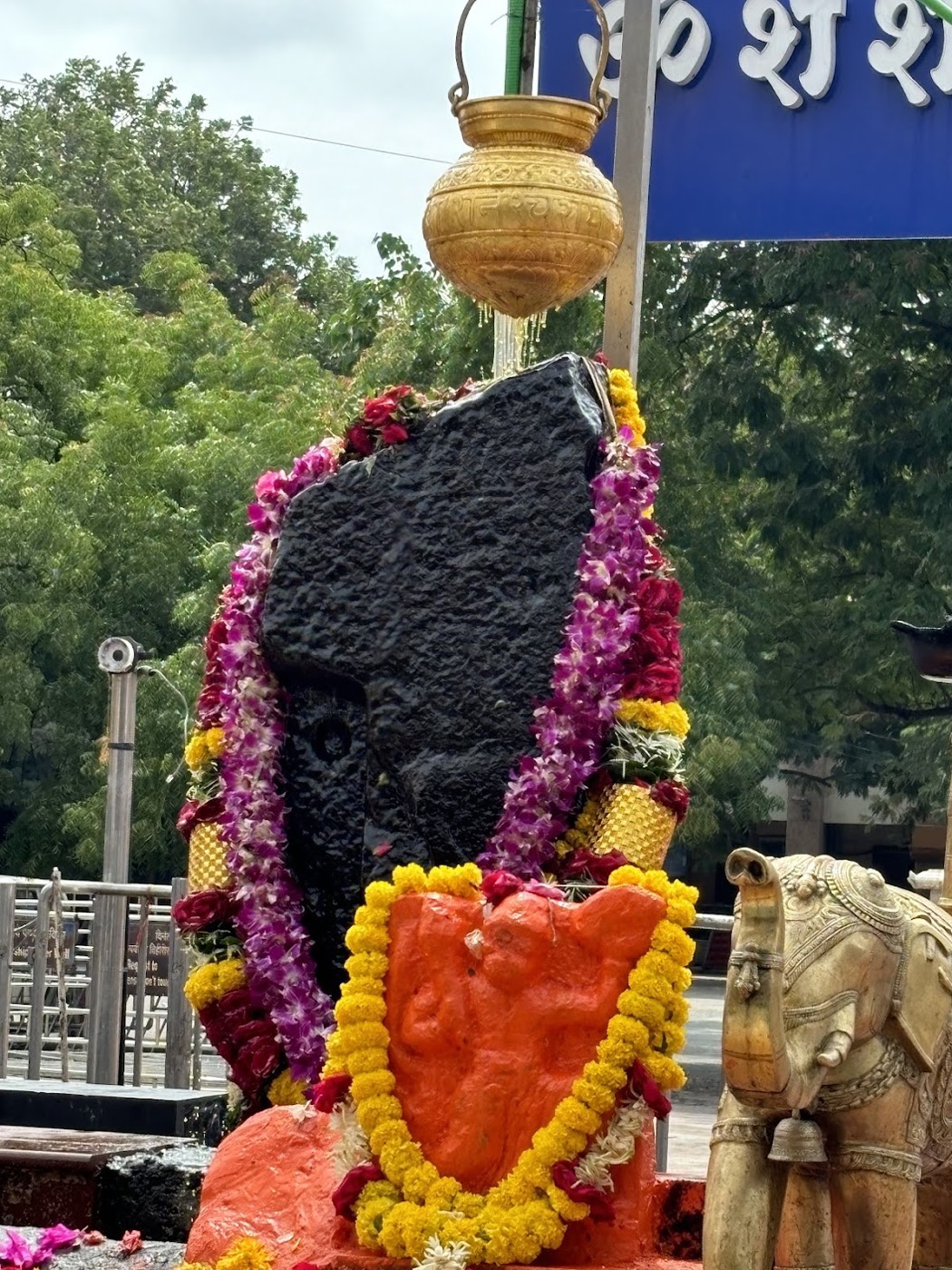
Shani Shingnapur (Shri Shaneshwar Devasthan)
Ahmednagar (Ahilyanagar), Newasa taluka, Maharashtra
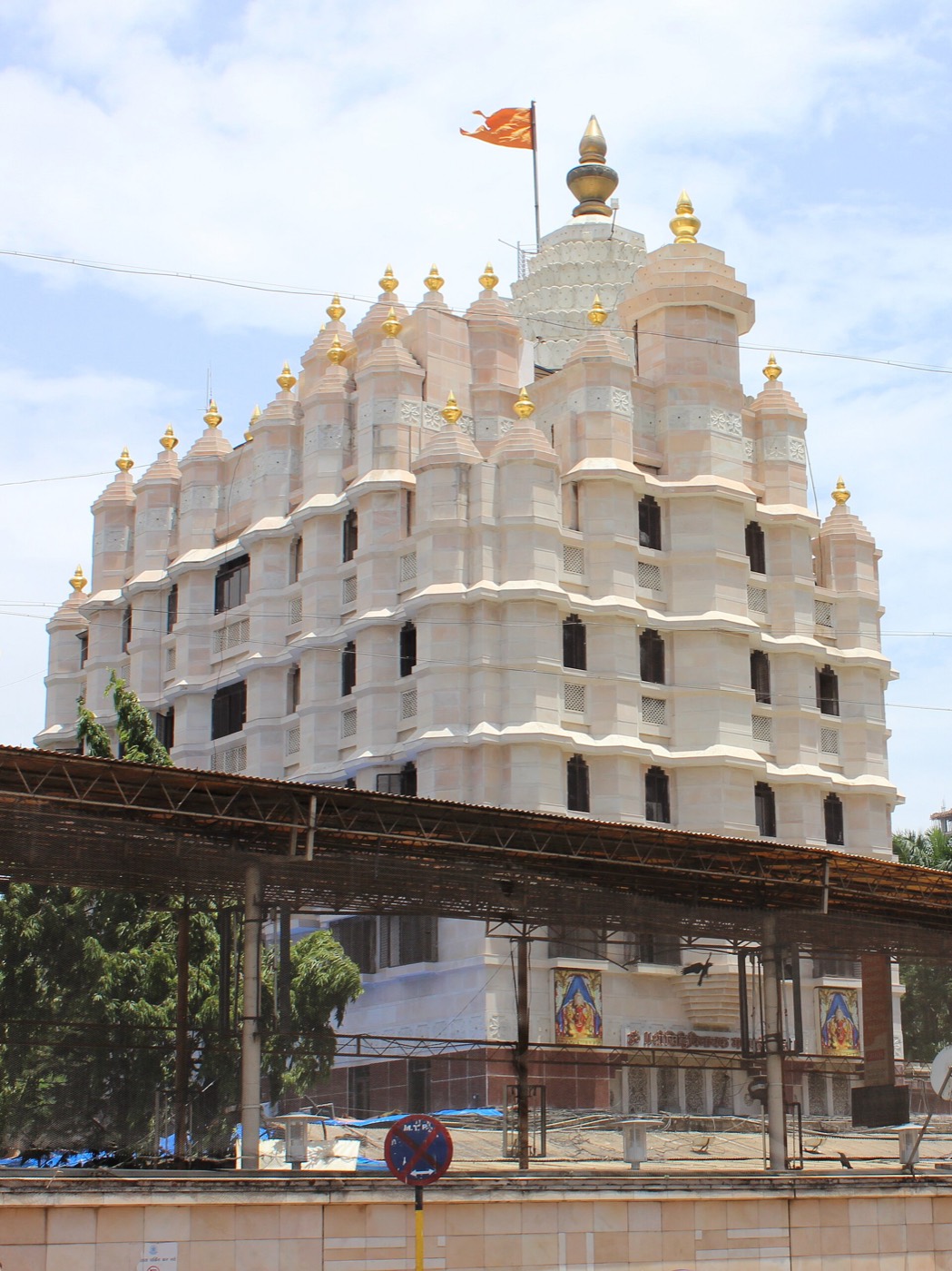
Shree Siddhivinayak Temple, Mumbai
Mumbai City, Maharashtra
Thursday: gurus, saints and Sai Baba
Thursday, Guruvar, belongs to the teacher. It is the day of Sai Baba at Shirdi, where the weekly rhythm is unmistakable, and of Jalaram Bapa at Virpur in Gujarat. Both temples run their heaviest ordinary crowds on Thursdays, distinct from their festival peaks: Shirdi's guide records Ram Navami, Guru Purnima and Vijayadashami as the days when darshan runs continuously and the Samadhi Mandir stays open overnight.
This is the day where the crowd logic is most useful in reverse. A Wednesday or Friday visit to Shirdi is a materially different experience from a Thursday one, and the temple, its aartis and its trust accommodation are all easier to secure.
Friday and the Goddess
Friday is the Devi's day, and in the south it acquires specific seasonal forms. Chamundeshwari records Ashada Fridays alongside Navaratri and Dasara as its extended, very heavily crowded days. Kanaka Durga at Vijayawada records Fridays in Shravana as extraordinarily busy, with the Devasthanam reporting more than 20,000 devotees on those Fridays for Varalakshmi Vratam.
Kamakshi at Kanchipuram notes Fridays and festival days bringing special abhishekam and processions with heavy crowds and longer queues, and Mahalakshmi at Kolhapur records timings shifting on Fridays as well as Navaratri and Kiranotsav. For Devi temples, the Friday effect is second only to Navratri itself.
The lunar days that override the week
Above the weekday scheme sit the lunar days, and they trump it. Ekadashi is the great Vaishnava day: Khatu Shyam records Ekadashi and festival days as the times when the midday break is often waived and queues run very long, and its central legend attaches to Phalguna Shukla Ekadashi. Pandharpur records Ekadashi as the day when only face darshan is permitted and the feet-touching queue is suspended entirely, which changes the nature of the visit.
Purnima, the full moon, governs another set: Dakor at Sharad Purnima, Govind Dev Ji at Sharad Purnima, Chotila's Purnima crowds, and the great Kartik Purnima gatherings at Pushkar, Girnar, Koteshwar, Bhalka, Bhadreshwar and Lingaraja. Amavasya, the new moon, belongs to Shani and to ancestral rites, filling Shani Shingnapur and Kalighat.
The practical consequence: check the lunar calendar as well as the weekday before booking. A Wednesday that happens to be Ekadashi is not a quiet day at a Vishnu temple.
The planning flip: using the calendar in reverse
Everything above can be read two ways. If devotion or atmosphere is your aim, go on the deity's day: a Monday at a Jyotirlinga, a Thursday at Shirdi, a Friday at a Devi shrine, an Ekadashi at Pandharpur. The temple is at its fullest, the rituals at their most elaborate, and the crowd is itself part of the experience.
If darshan is your aim, invert it. Wednesday is the quietest day in the Indian temple week almost everywhere, with no major deity claiming it and no lunar day guaranteed to fall on it. Our Banke Bihari guide makes the point neatly from the other direction: Monday mornings there are calmest, precisely because Monday's crowds go to Shiva. Combine the quiet weekday with an early morning arrival and you have the two strongest levers any pilgrim has.
Frequently asked questions
Which day is best to visit a Shiva temple?
Why are Tuesdays and Saturdays busy at Hanuman temples?
Which is the quietest day to visit an Indian temple?
What is special about Thursday at Shirdi?
Do Ekadashi and Purnima affect temple crowds?
Which day is for the Goddess?
Compiled from our verified temple guides and public sources including Shri Kashi Vishwanath Temple Trust: rituals · Shree Somnath Trust: FAQ · Wikipedia: Guruvayur Temple. Timings and festival dates shift with the lunar calendar; confirm before you travel.