A ropeway changes who a temple is for. The classic hill shrines of Gujarat, Madhya Pradesh and the Devi hills of the north were built to be earned on foot, and the stair pilgrimage remains the tradition. But for seniors, young children and anyone whose health rules out a two-hour climb, the cable car is not a shortcut; it is the difference between darshan and no darshan.
Two honest warnings run through everything below. First, a ropeway almost never delivers you to the sanctum door: at Pavagadh roughly 250 steps remain above the top station, and at Girnar the ropeway serves the Ambaji temple on the hill while the staircase serves everything. Second, ropeway hours are usually shorter than temple hours, so the last darshan of the evening may not have a ride home.
Every figure here comes from our verified temple guides; prices and hours change, so confirm on the temple's page and at the ticket window.
Every ropeway in our hundred temples
Seven of the temples we cover have a working ropeway or funicular on the pilgrimage route. Here is what each replaces.
| Temple | Ride | What it replaces | What remains |
|---|---|---|---|
| Girnar, Junagadh | Asia's longest temple ropeway | The lower stretch of a staircase of about 9,999 steps | The ropeway serves the Ambaji temple on the hill; summit shrines stay a stair climb |
| Pavagadh Mahakali | Udan Khatola cable car from Machi, approx 6 minutes | The main climb from the Machi base | Roughly 250 steps from the top station to the sanctum |
| Maihar Sharda Devi | Ropeway cabin, approx 6:30 AM to 7:30 PM with a midday pause | 1,063 steps, a 45 to 60 minute climb | Short walk at the summit |
| Mansa Devi, Haridwar | Udan Khatola, about a 5-minute cable car | A roughly 3 km uphill walk | Ropeway hours, approx 5:00 AM to 6:00 PM, end before temple hours |
| Ambaji (Gabbar Hill) | Ropeway to the hilltop shrine | 999 steps up Gabbar, the goddess's original seat | The main Ambaji temple in town needs no climb at all |
| Naina Devi | Cable car from the base | The concrete stair path lined with stalls | Short final approach at the top |
| Palani Murugan | Ropeway plus a winch (funicular) track, upgraded 2018, approx 1,500 people per hour | The stone step path up the hill | Devout pilgrims still climb barefoot by tradition |
Gujarat's great hill rides: Girnar, Pavagadh, Gabbar
Girnar is the giant of Indian stair pilgrimages: roughly 866 Jain and Hindu shrines on one mountain, reached by a stone staircase of about 9,999 steps or by Asia's longest ropeway, which carries pilgrims to the Ambaji temple on the hill. The climb is free and the ropeway is paid; most pilgrims on foot start between 3 and 5 AM to beat the sun, and the climb is strongly discouraged in monsoon, when the steps turn dangerously slippery.
Pavagadh's Udan Khatola rises from Machi in about six minutes, after which roughly 250 steps still separate you from the Mahakali sanctum, so the ride softens the pilgrimage without erasing it. At Ambaji, the geometry is different: the main temple in town involves no climb, while Gabbar Hill, the original seat of the goddess about 5 km away, has 999 steps with a ropeway for those who cannot manage them. Swap-in rule for all three: buy return tickets, and expect long cable-car queues through Navratri.
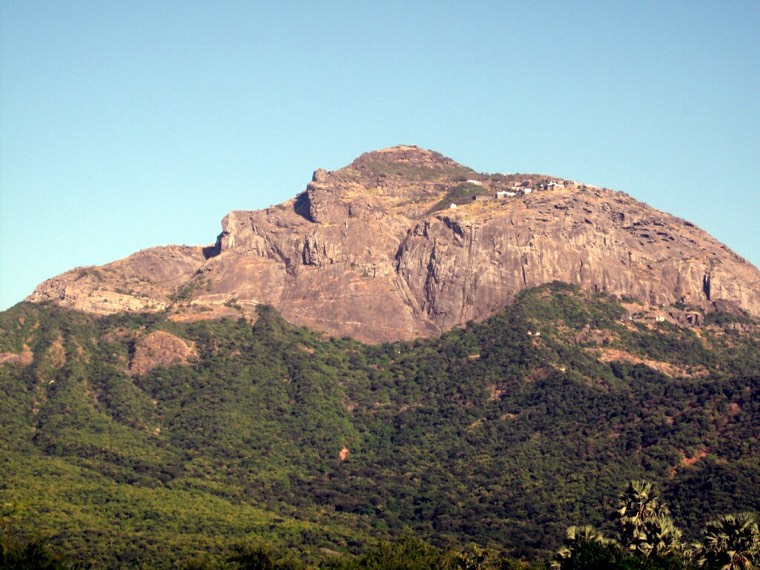
Girnar Temples (Girnar Parvat)
Junagadh, Gujarat
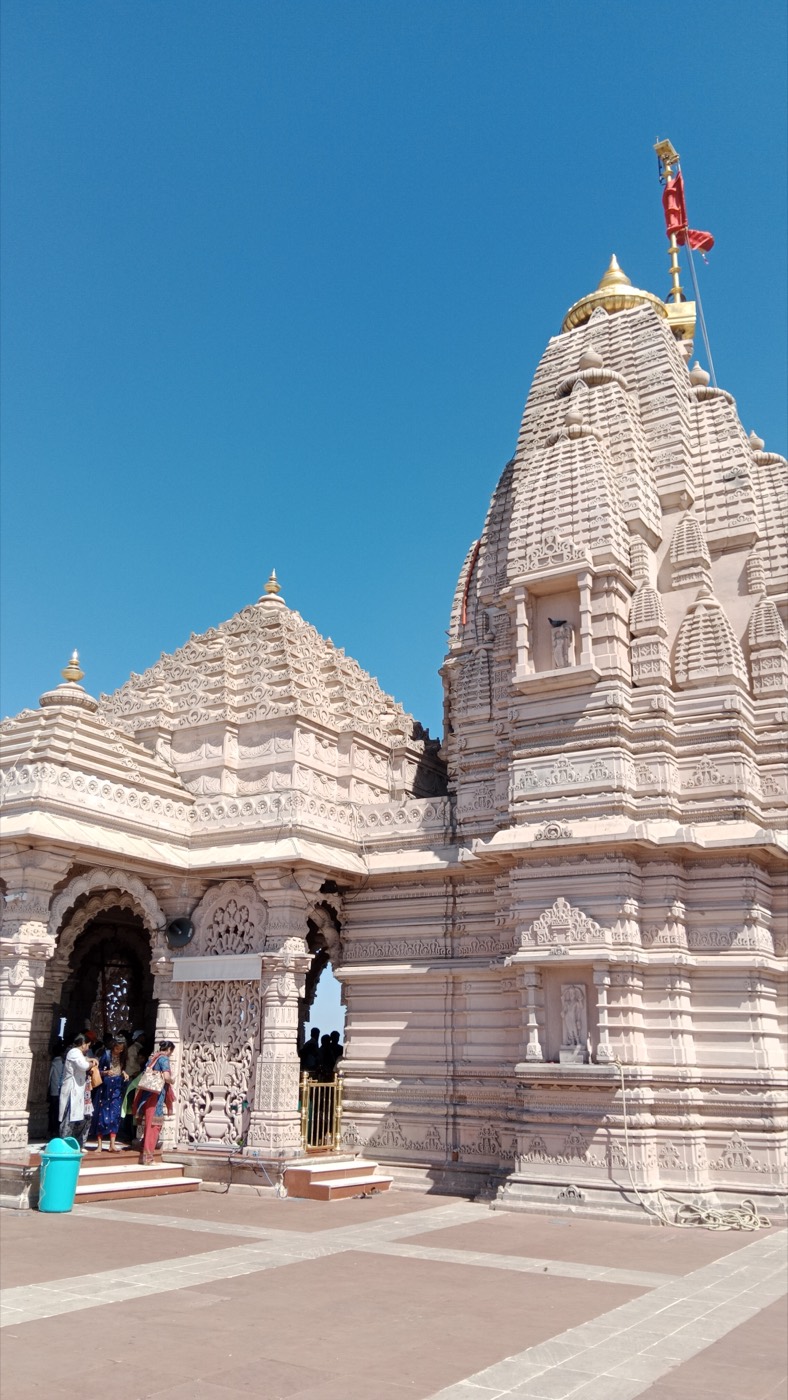
Pavagadh Mahakali Temple (Kalika Mata, Pavagadh)
Panchmahal, Gujarat
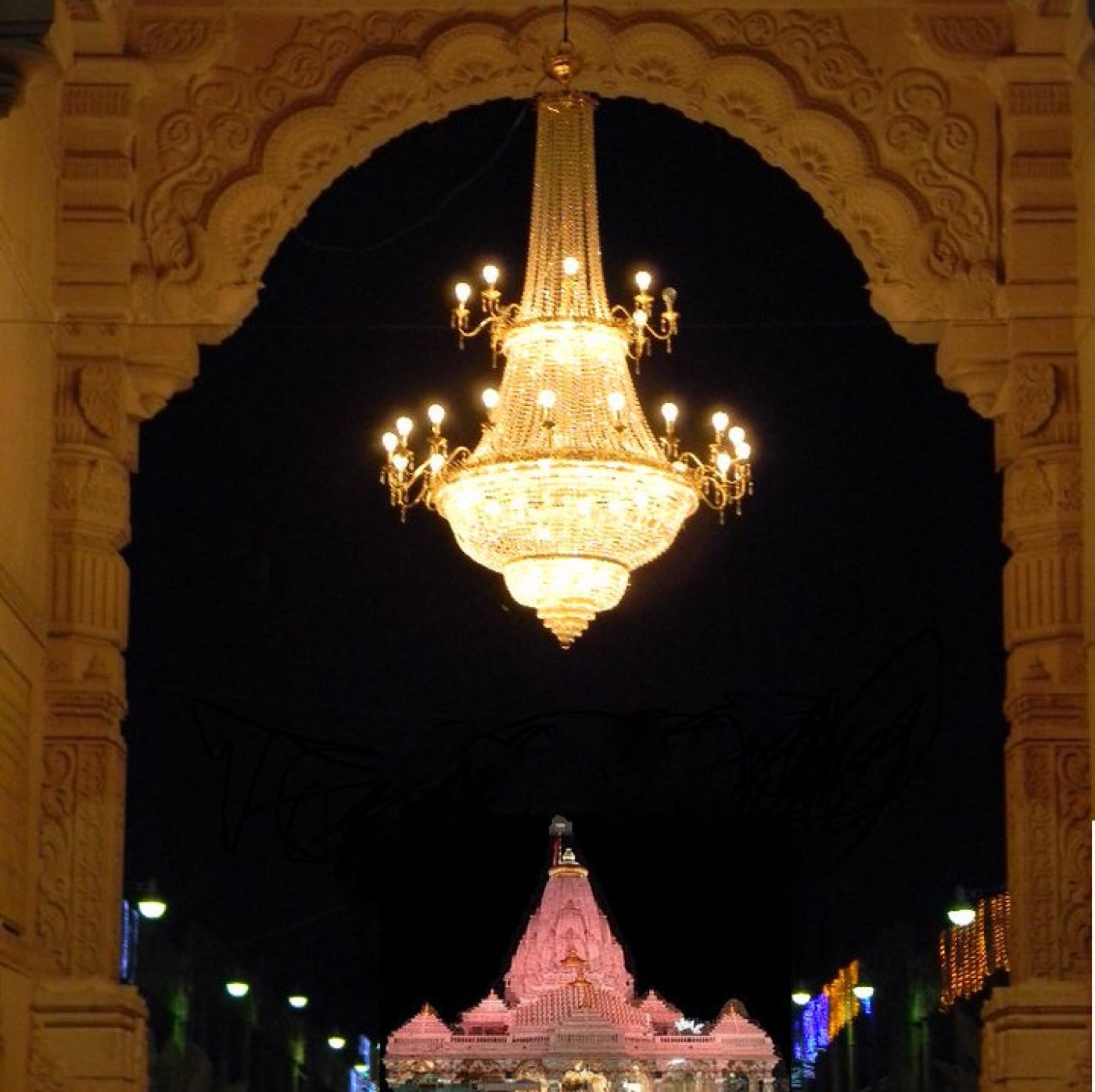
Ambaji Temple
Banaskantha, Gujarat
Maihar and Mansa Devi: the northern cable cars
Maihar Sharda Devi crowns 1,063 steps in Madhya Pradesh, a climb of 45 to 60 minutes for most pilgrims, with a ropeway cabin as the alternative running roughly 6:30 AM to 7:30 PM with a short midday pause. The temple sits conveniently on the Mumbai-Howrah main line, which makes it one of the easiest hill shrines in India to reach by train and lift combined.
Mansa Devi above Haridwar is the five-minute ride: the Udan Khatola replaces a roughly 3 km uphill walk, at approx Rs 163 one-way and Rs 240 return. Its constraint is the clock: ropeway hours, approx 5:00 AM to 6:00 PM, are shorter than temple hours, so a late-evening darshan usually means walking down. Pair it with Haridwar's ghats and you have the classic one-day Haridwar circuit.

Maihar Sharda Devi Temple
Maihar, Madhya Pradesh
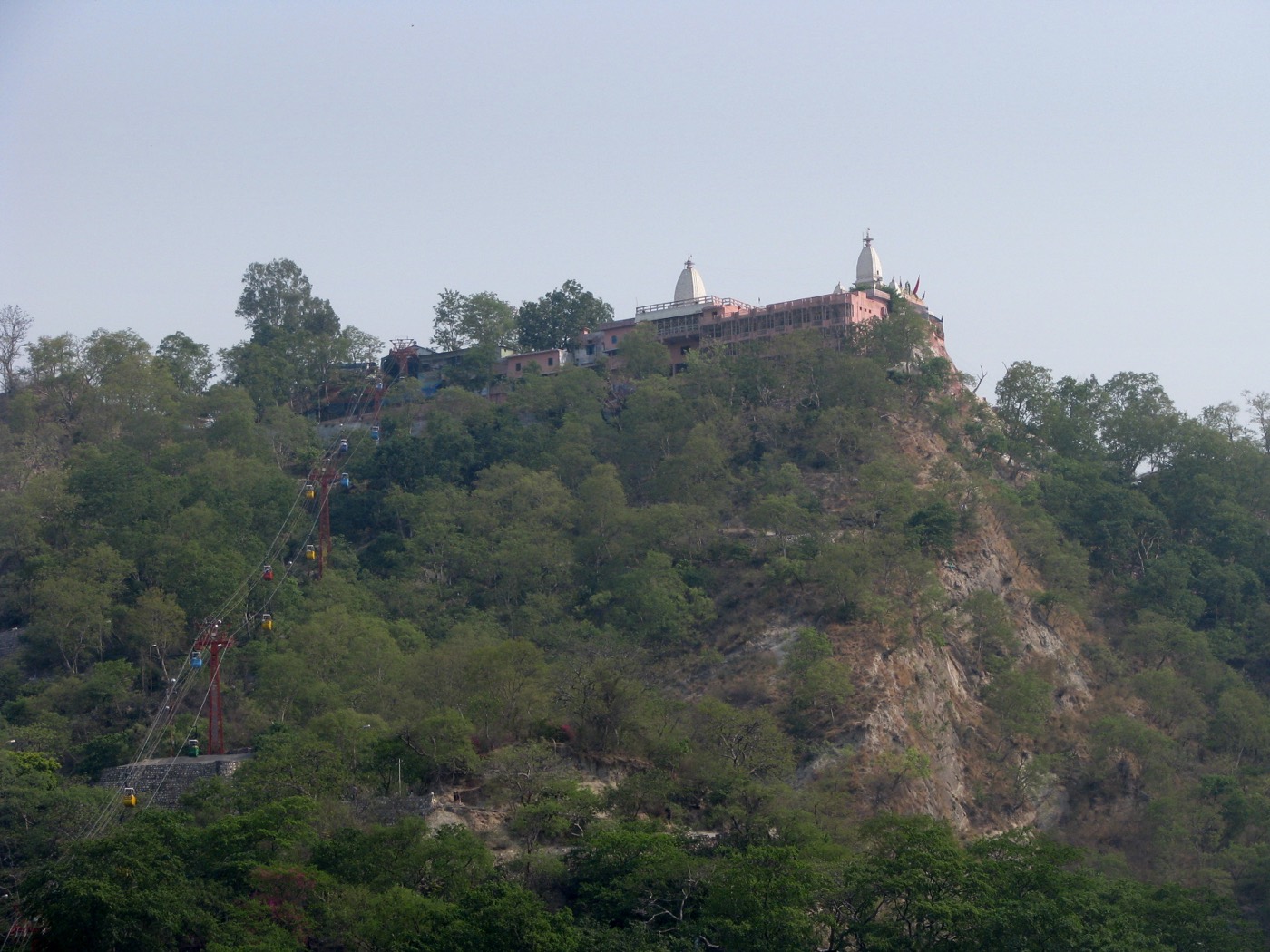
Mansa Devi Temple, Haridwar
Haridwar, Uttarakhand
Palani: the south's three-way hill
Palani offers the widest menu of any hill temple we cover: the stone step path for barefoot devotees, the historic sloping winch, a funicular track unique among the great shrines, and a ropeway upgraded in 2018 that carries approx 1,500 people per hour. The choice is itself part of Palani's culture: the climb is the vow, the winch is the tradition-with-mercy, and the ropeway is the modern promise that no one is left at the bottom of the hill.

Where no cable goes: the honest list
Not every hill has surrendered. At Chamundeshwari above Mysore the alternatives are a road, with KSRTC and private buses to the hilltop, or the historic climb of about 1,000 stone steps built in 1659, past the monolithic Nandi at roughly step 700; there is no ropeway, and none is needed. At Vaishno Devi, the roughly 13 km climb is aided by ponies, palkis, battery cars on the newer stretches and the Katra to Sanjichhat helicopter, from where a short final leg remains.
And on the great stair tirths, the tradition holds absolutely: Palitana's approx 3,800 steps and Kedarnath's 16 km trek are covered on foot or by hired doli, palanquin and pony, never by cable. If your health rules out those options, our pilgrimage treks guide compares every hard climb honestly before you commit.
Planning a ropeway darshan for elders
Three rules make the difference. First, ride early: cable-car queues at Devi shrines build through the morning and become their own ordeal during Navratri, when the temples extend hours but the ropeways still bottleneck. Second, count the remaining steps before promising anyone an effortless darshan: 250 at Pavagadh above the top station is a real flight of stairs, and hill summits often involve uneven stone underfoot even after the ride. Third, check the return: note the ropeway's closing time at the base station when you buy the ticket, and plan the evening aarti only if the descent is guaranteed.
Carry water, wear grippy footwear even for the ropeway legs, and where a temple offers both a lift and a stair tradition, let each member of the family choose their own way up. The hill takes all of them to the same darshan.
One last reframe for families who feel the ride is somehow lesser: the darshan at the top is identical, and the tradition itself has always made room for those who cannot climb, from the doli bearers of Palitana to the pony men of the Himalaya. The ropeway is simply the newest bearer. What matters on the hill is not how you rose but that you arrived, and the goddess has never once asked for a step count.
Frequently asked questions
Which temple in India has the longest ropeway?
How much does the Mansa Devi ropeway cost?
Is there a ropeway at Vaishno Devi?
Does the Pavagadh ropeway take you to the temple?
How many steps does Maihar Sharda Devi have?
Can senior citizens visit hilltop temples without climbing?
Compiled from our verified temple guides and public sources including Wikipedia: Girnar ropeway · Pavagadh Temple Trust: how to reach · Haridwar District: Mansa Devi Temple · Rewa Division, Govt of MP: Ma Sharda Mata, Maihar. Timings and festival dates shift with the lunar calendar; confirm before you travel.