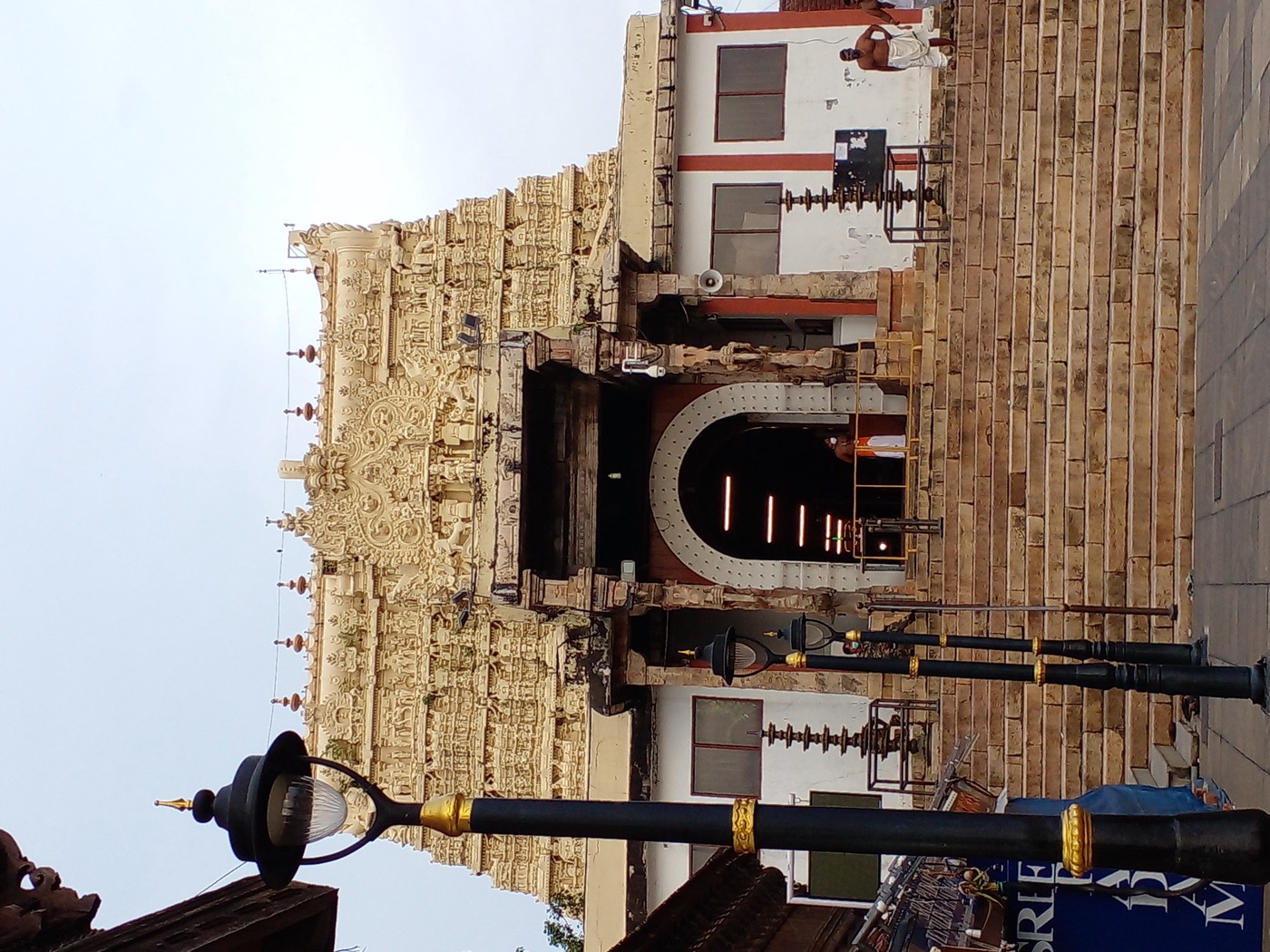
Darshan timings at Sree Padmanabhaswamy
| Season | Opens | Darshan | Closes | Status |
|---|---|---|---|---|
| Nirmalya Darshan (early) | 3:30 AM | 3:30 AM to 4:45 AM | 4:45 AM | Open |
| Morning slots | 6:30 AM | 6:30 to 7:00, 8:30 to 10:00, 10:30 to 11:10, 11:45 to 12:00 | 12:00 noon | Open |
| Midday to afternoon | - | Temple closed for rituals | - | Open |
| Evening slots | 5:00 PM | 5:00 to 6:15 PM and 6:45 to 7:20 PM | 7:20 PM | Open |
Read the full Timings & Darshan Hours →
How to reach Sree Padmanabhaswamy Temple
The temple sits at East Fort in the middle of Thiruvananthapuram, so it is one of the easiest major shrines in India to reach; the harder part is the queue and the dress code, not the journey.
| Mode | Point | Distance | Notes |
|---|---|---|---|
| By train | Thiruvananthapuram Central (TVC) | approx 1 km | About 5 to 10 minutes by auto-rickshaw; walkable for the fit. Central is a major terminus with links to Chennai, Bengaluru, Mumbai, Delhi and across Kerala. |
| By air | Trivandrum International Airport (TRV) | approx 4 to 6 km | Roughly 15 to 25 minutes by taxi or auto to East Fort. Domestic and Gulf connections; nearest international gateway in south Kerala. |
| By bus | East Fort (Kizhakkekotta) city bus stand | opposite the temple | The city bus stand faces the temple; Thampanoor central bus station (KSRTC) is about 1 km away with long-distance services. |
| By road from a big city | Kollam | approx 65 km (approx) | About 1.5 to 2 hours via NH66. From Kanyakumari it is roughly 85 to 90 km; from Kochi approx 200 km. |
Puja & aarti schedule
- Nirmalya Darshan, first sight of the deity still wearing the previous night's flowers and adornments before the morning abhishekam3:30 AM to 4:45 AM
- Usha Puja and early morning worship after abhishekam and alankaram6:30 AM to 7:00 AM
- Pantheeradi Puja followed by Ucha Puja, the midday worship, before the sanctum closes around noonLate morning
- Deeparadhana, the evening lamp offering, one of the most atmospheric moments to attend5:45 PM to 6:15 PM
- Athazha Puja, the night worship, before the temple closes for the day6:45 PM to 7:20 PM
Read the full Aarti & Puja Schedule →
Dress code & temple rules
Men must wear a mundu or dhoti around the waist reaching the ankles, with the upper body bare or covered only by an angavastram (shawl). Shirts, banians, pants and shorts are not allowed inside.
Modern relaxation: the temple now generally permits wearing the mundu or dhoti over trousers or a churidar to spare devotees discomfort, but the wrap itself is mandatory.
Women must wear a saree, a set-mundu (mundum neriyathum), or a long skirt and blouse; a half-saree or a mundu draped over a salwar is accepted.
Strictly prohibited for everyone: jeans, leggings, T-shirts, tops, short or mid-length skirts, churidars worn on their own, and any bifurcated or short garment.
Dhotis and wraps are available on rent or purchase at the temple entrance, so you can arrive and change there if needed.
Entry is reserved for Hindus; footwear, cameras, mobile phones and electronics must be deposited outside, and photography inside the temple is not permitted.
Read the full Dress Code & Temple Rules →
Best time to visit & festivals
The coolest, most comfortable months are roughly October to February, which also line up with the temple's two biggest festival seasons and the Laksha Deepam. Kerala's monsoon (June to September) is lush but wet; April and May are hot and humid.
| Festival | When | Significance |
|---|---|---|
| Alpashy (Alppasi) Utsavam | Oct/Nov (Malayalam month Thulam) | One of the two great ten-day biannual festivals, ending with the Arattu procession carrying the deity to the Arabian Sea at Shanghumugham for a ceremonial sea-bath. |
| Painkuni (Panguni) Utsavam | Mar/Apr (Meenam) | The second ten-day festival, famous for the giant painted effigies of the Pandavas raised at the eastern entrance and the concluding Arattu; includes the Pallivetta royal-hunt ritual. Peak |
| Laksha Deepam | Once every six years (next cycle-dependent; last held Jan 2020) | The lamp festival where over one lakh oil lamps light the temple, marking the culmination of 56 days of Murajapam and Bhadradeepam recitation. The single most spectacular event here. Peak |
| Navaratri | Sep/Oct | Nine nights of Devi worship with the famous Navaratri music concerts in the Kuthiramalika precinct nearby, a major cultural draw. |
Read the full Best Time to Visit & Festivals →
Nearby temples & tirths

Sabarimala Ayyappa Temple
Kerala's great hill pilgrimage to Lord Ayyappa, reached after a forest trek, seasonally open
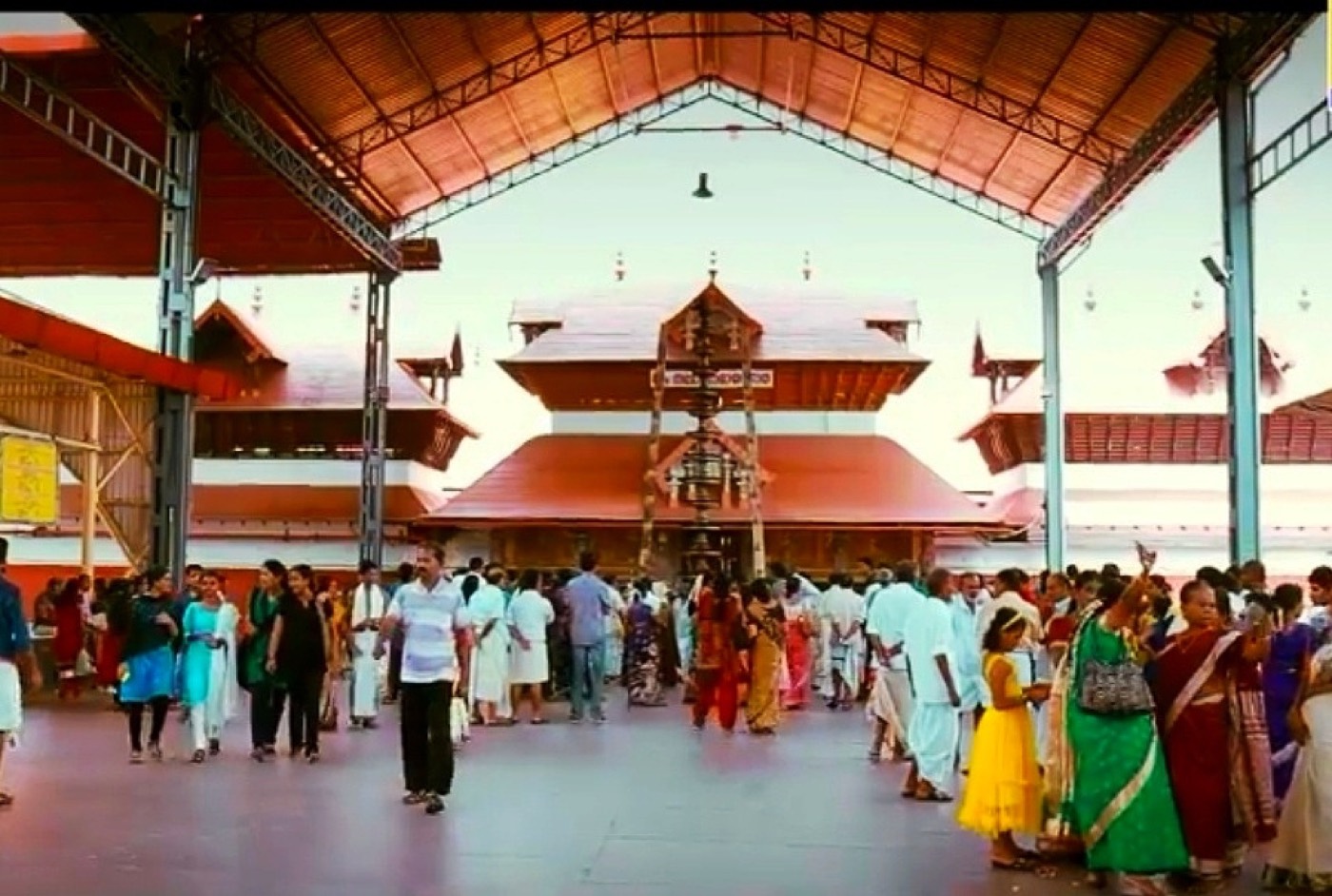
Guruvayur Sree Krishna Temple
The Dwarka of the South, a beloved Krishna shrine with its own strict dress tradition
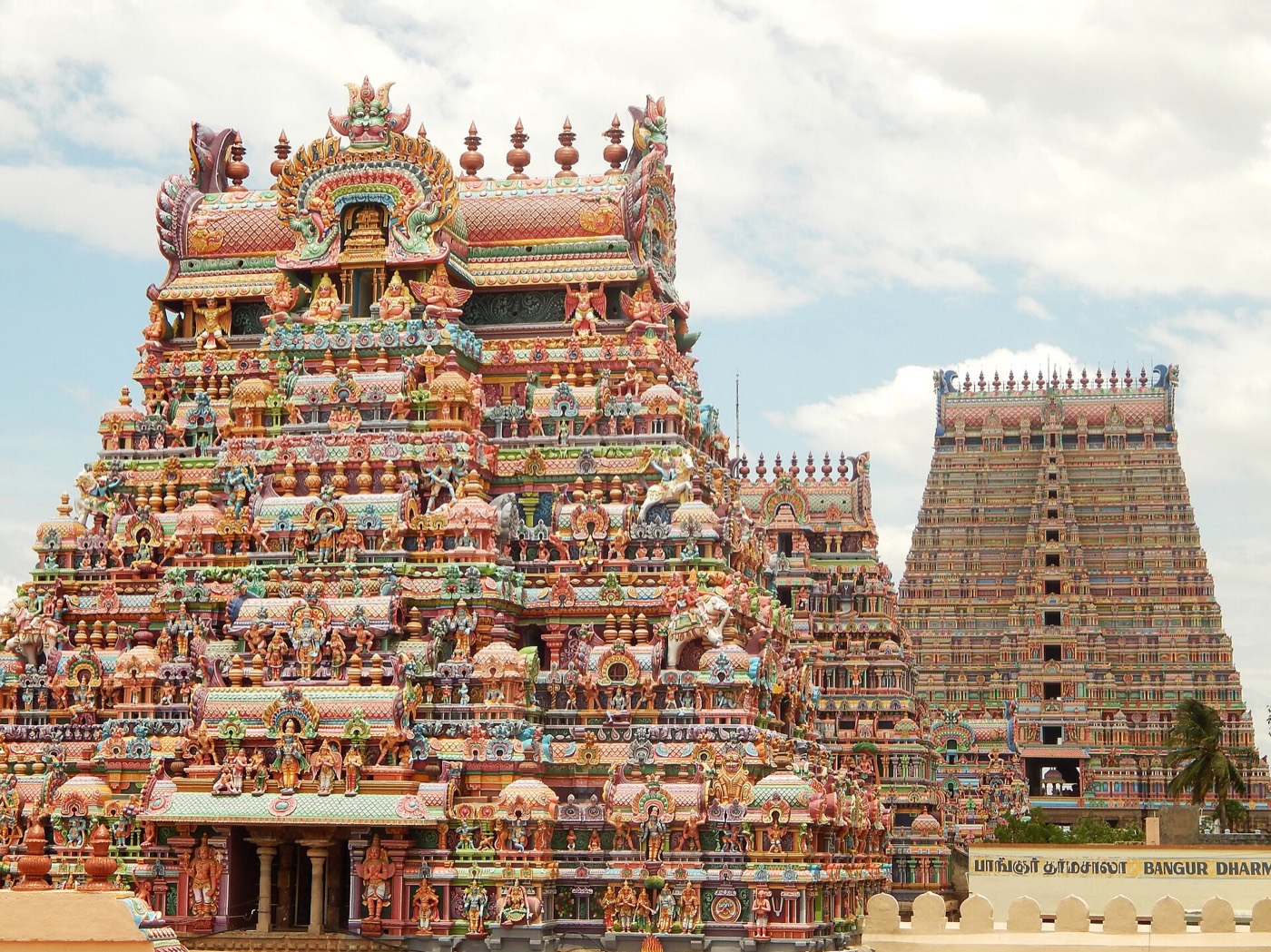
Ranganathaswamy Temple, Srirangam
The foremost Divya Desam, another vast temple to reclining Vishnu (Ranganatha)
Read the full Nearby Temples & Tirths →
Where to stay
East Fort itself has budget lodges and pilgrim-focused guesthouses within a few hundred metres of the temple, including the temple Devaswom's own Devasthanam Lodge and simple options like the Treebo/West Fort cluster, all a short walk from the sanctum. For mid-range and better comfort, stay around Thampanoor, Statue and the M.G. Road belt (roughly 1 to 3 km away) where hotels sit close to the railway station and KSRTC bus stand; Kerala Tourism lists accommodation from about 0.35 km out. If you want a quieter, greener base, the Kovalam beach hotels are about 12 to 16 km south and easily combined with a temple morning.
Frequently asked questions
Padmanabhaswamy temple timings today
nearest railway station to Padmanabhaswamy temple
is Padmanabhaswamy temple open in December
what is the dress code at Padmanabhaswamy temple
can non-Hindus enter Padmanabhaswamy temple
Compiled from public sources including Kerala Tourism - Padmanabhaswamy dress code FAQ · Kerala Tourism - accommodation near the temple · The Cultural Heritage of India - festivals and rituals · The Cultural Heritage of India - Laksha Deepam. Timings and seasonal closures change; confirm with the temple trust before travelling.