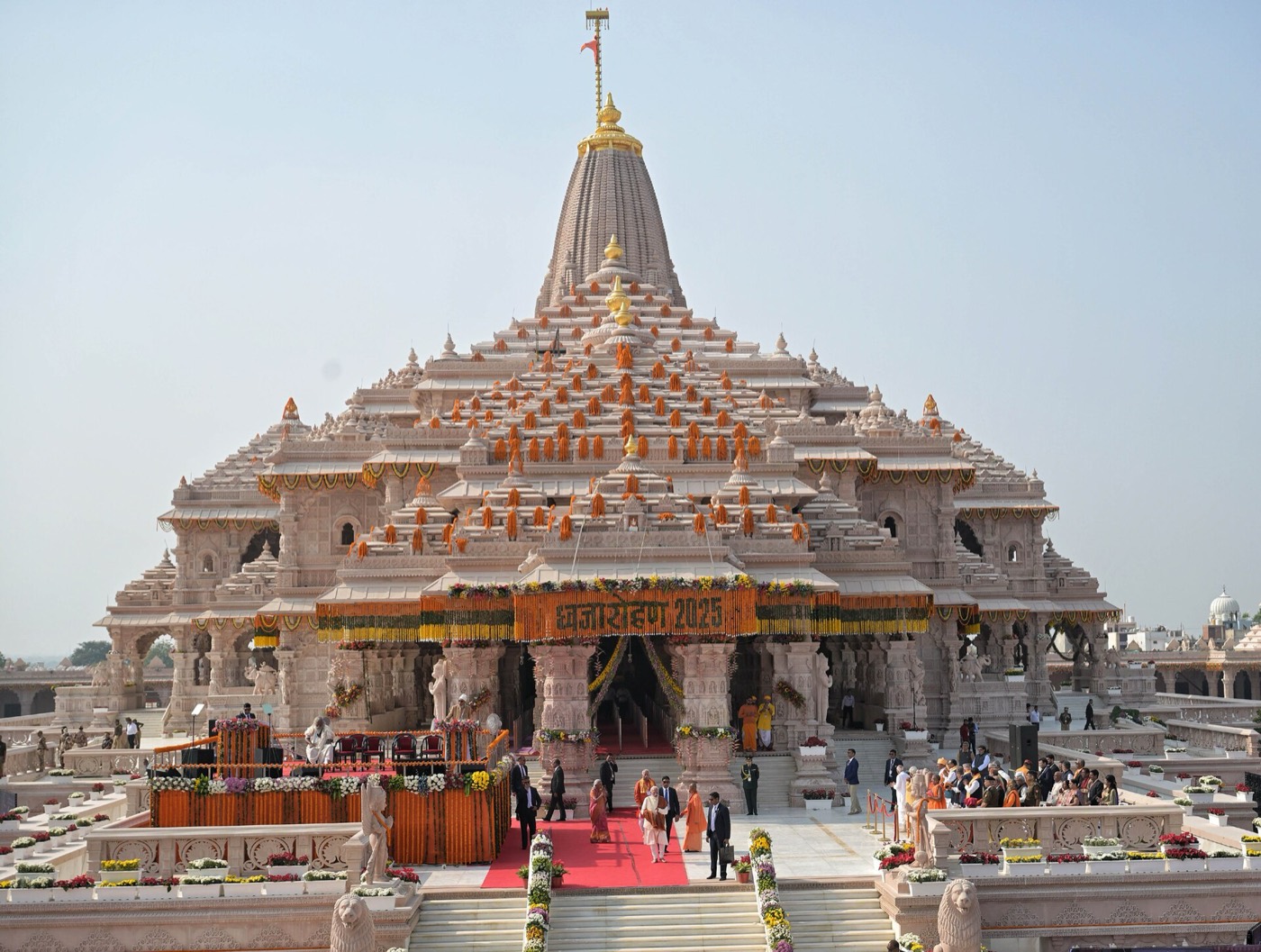
Darshan timings at Ram Mandir
| Season | Opens | Darshan | Closes | Status |
|---|---|---|---|---|
| All year (morning) | Approx 7:00 AM | Morning darshan | Approx 11:30 AM | Open |
| All year (midday) | Approx 11:30 AM | Midday break, sanctum curtains drawn | Approx 2:00 PM | Closed |
| All year (afternoon-evening) | Approx 2:00 PM | Afternoon and evening darshan | Approx 7:00 PM | Open |
Read the full Timings & Darshan Hours →
How to reach Ram Mandir, Ayodhya
Ayodhya was rebuilt as a transport hub around the temple, so arrival is easier than it was a few years ago. The redeveloped railway station and the new airport both sit within a short auto ride of the mandir.
| Mode | Point | Distance | Notes |
|---|---|---|---|
| Train | Ayodhya Dham Junction (AY) | Approx 2 km | Formerly Ayodhya Junction, fully rebuilt and renamed. E-rickshaws and autos run to the mandir gate; walkable for the fit. Ayodhya Cantt (Faizabad) is another option a few km further. |
| Air | Maharishi Valmiki International Airport, Ayodhya Dham (AYJ) | Approx 10 km | Direct flights from Delhi, Mumbai and Ahmedabad among others. Prepaid taxis and autos serve the temple. |
| Road | From Lucknow | Approx 135 km | Roughly 2.5 to 3 hours by car via NH-27/NH-330 through Barabanki. Lucknow (Chaudhary Charan Singh) airport is the larger fallback air hub. |
Puja & aarti schedule
- Mangala Aarti, the first aarti waking the deity before dawn (limited passes)Approx 4:30 AM
- Shringar Aarti as Ram Lalla is bathed and adornedApprox 6:30 AM
- Sandhya (evening) AartiApprox 7:00 PM
- Shayan Aarti as the deity is put to restApprox 10:00 PM
Read the full Aarti & Puja Schedule →
Dress code & temple rules
No formal uniform is enforced, but modest traditional wear is expected: kurta-pyjama, dhoti-kurta, saree or salwar-kameez. Shorts, mini-skirts and overtly western or revealing outfits are best avoided.
Soft, calm colours suit the setting; many pilgrims wear white, saffron, yellow or pastel shades, and dress up in festive traditional attire on Ram Navami and Deepotsav.
Footwear is removed and deposited before entering; there are stands and lockers for shoes.
Mobile phones, cameras, earphones, smartwatches, remote keys, large bags and food are not permitted inside the temple complex. Use the cloakroom or locker facilities near the entry to deposit them.
Security screening is strict, so travel light and carry only essentials; a small pouch clears the checks faster than a backpack.
Read the full Dress Code & Temple Rules →
Best time to visit & festivals
October to March is the comfortable season, when Ayodhya's plains are cool and the evening aartis on the Saryu are pleasant. Summers (April to June) are harsh and dusty, and the monsoon can swell the river. The festival calendar drives the biggest crowds.
| Festival | When | Significance |
|---|---|---|
| Ram Navami | March to April (Chaitra month, Shukla Navami) | The birth of Shri Ram and the temple's headline festival. The engineered Surya Tilak places a beam of sunlight on Ram Lalla's forehead at around noon for a few minutes. Expect the heaviest queues of the year. Peak |
| Deepotsav and Diwali | October to November (Kartik Amavasya) | Marks Ram's return to Ayodhya. Lakhs of diyas are lit along the Saryu ghats with cultural programmes and laser shows, a state-organised spectacle. Peak |
| Pran Pratishtha anniversary | 22 January (and the Paush Shukla Dwadashi tithi) | Anniversary of the 2024 consecration of Ram Lalla, marked with special pujas at the temple. |
| Hanuman Jayanti | March to April | Celebrated with fervour given the nearby Hanuman Garhi temple; pairs naturally with a Ram Mandir visit. |
Read the full Best Time to Visit & Festivals →
Nearby temples & tirths
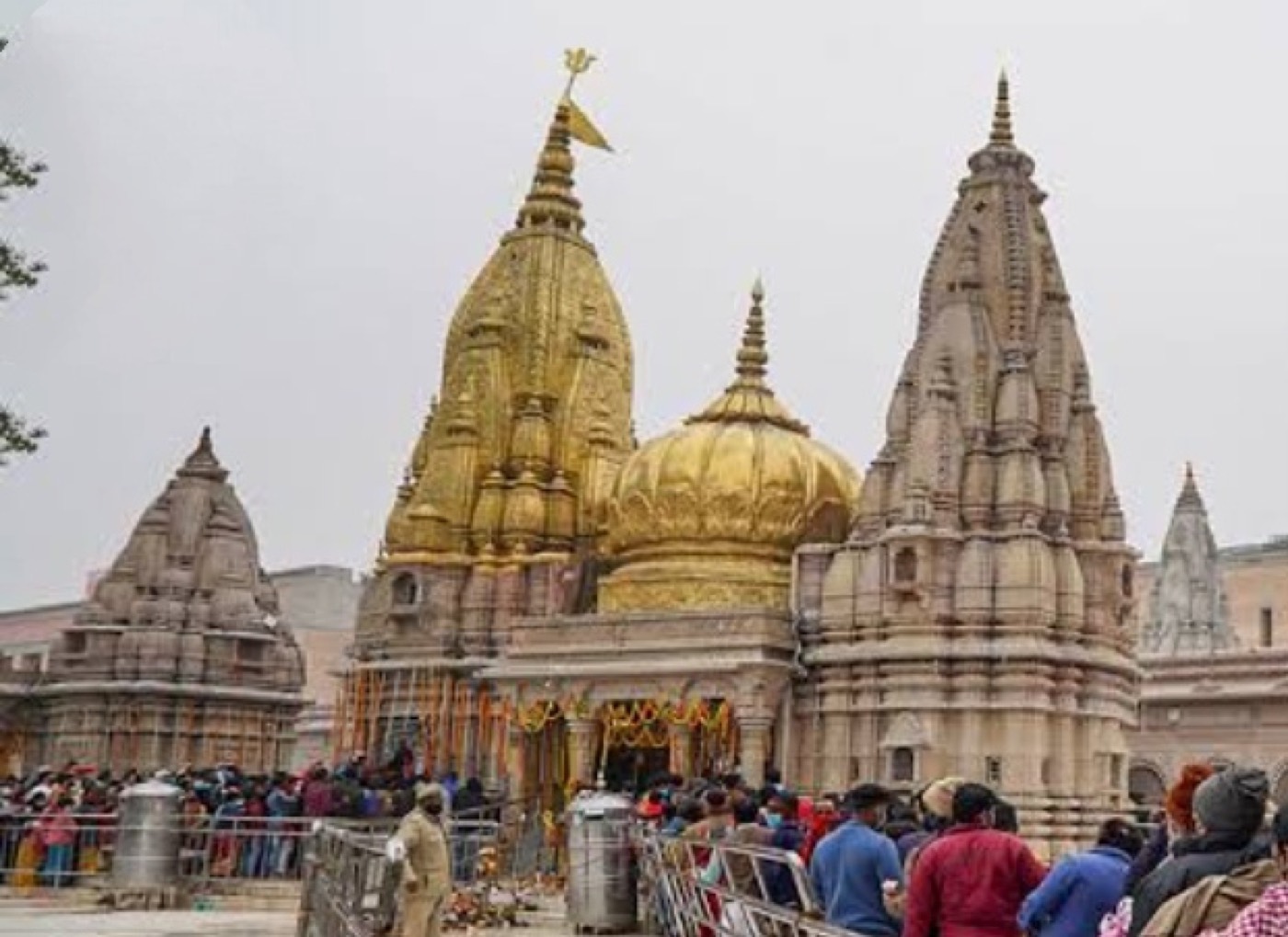
Kashi Vishwanath, Varanasi
The Jyotirlinga of Shiva on the Ganga, the classic onward leg of a Uttar Pradesh pilgrimage circuit.
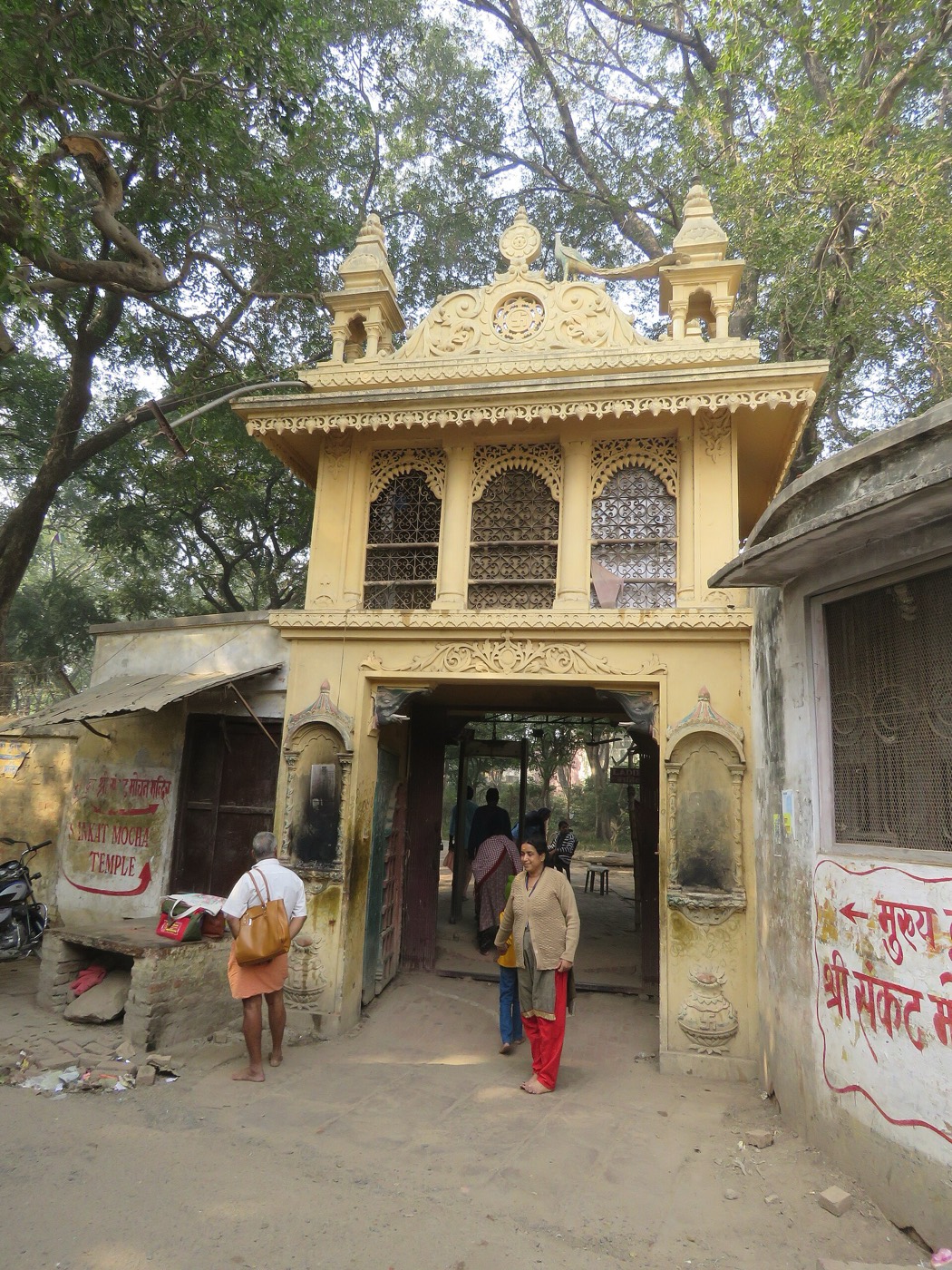
Sankat Mochan Hanuman, Varanasi
Tulsidas-founded Hanuman temple; a fitting Rama-bhakti pairing on the Varanasi side.
Vindhyavasini Devi, Mirzapur
A revered Shakti Peeth of the Devi, often combined with the Varanasi leg.
Read the full Nearby Temples & Tirths →
Where to stay
Ayodhya has swung from a handful of dharamshalas to a full range of stays within 2 to 3 km of the mandir. Trust-linked and community dharamshalas such as Shree Janki Mahal Trust, Sahu Dharamshala, Madhav Bhavan and Hanuman Bagh offer simple two, three and four-bed rooms, AC and non-AC, from roughly Rs 500 to Rs 2000 a night with basics like parking and attached baths. Newer budget and mid-range hotels and guesthouses cluster around the station and the temple approach roads, and premium hotels have opened since 2024. Book well ahead for Ram Navami and Deepotsav, when the town fills completely; the district administration and Trust list vetted accommodation online.
Frequently asked questions
ram mandir ayodhya darshan timings today
nearest railway station to ram mandir ayodhya
is ram mandir open in summer
how to book aarti pass at ram mandir ayodhya
can i carry mobile phone inside ram mandir ayodhya
Compiled from public sources including Shri Ram Janmbhoomi Teerth Kshetra (official trust, how to reach) · Shri Ram Janmbhoomi Teerth Kshetra (accommodation) · District Ayodhya, Government of Uttar Pradesh (accommodation) · India TV News, Ram Navami 2026 Surya Tilak at Ayodhya. Timings and seasonal closures change; confirm with the temple trust before travelling.