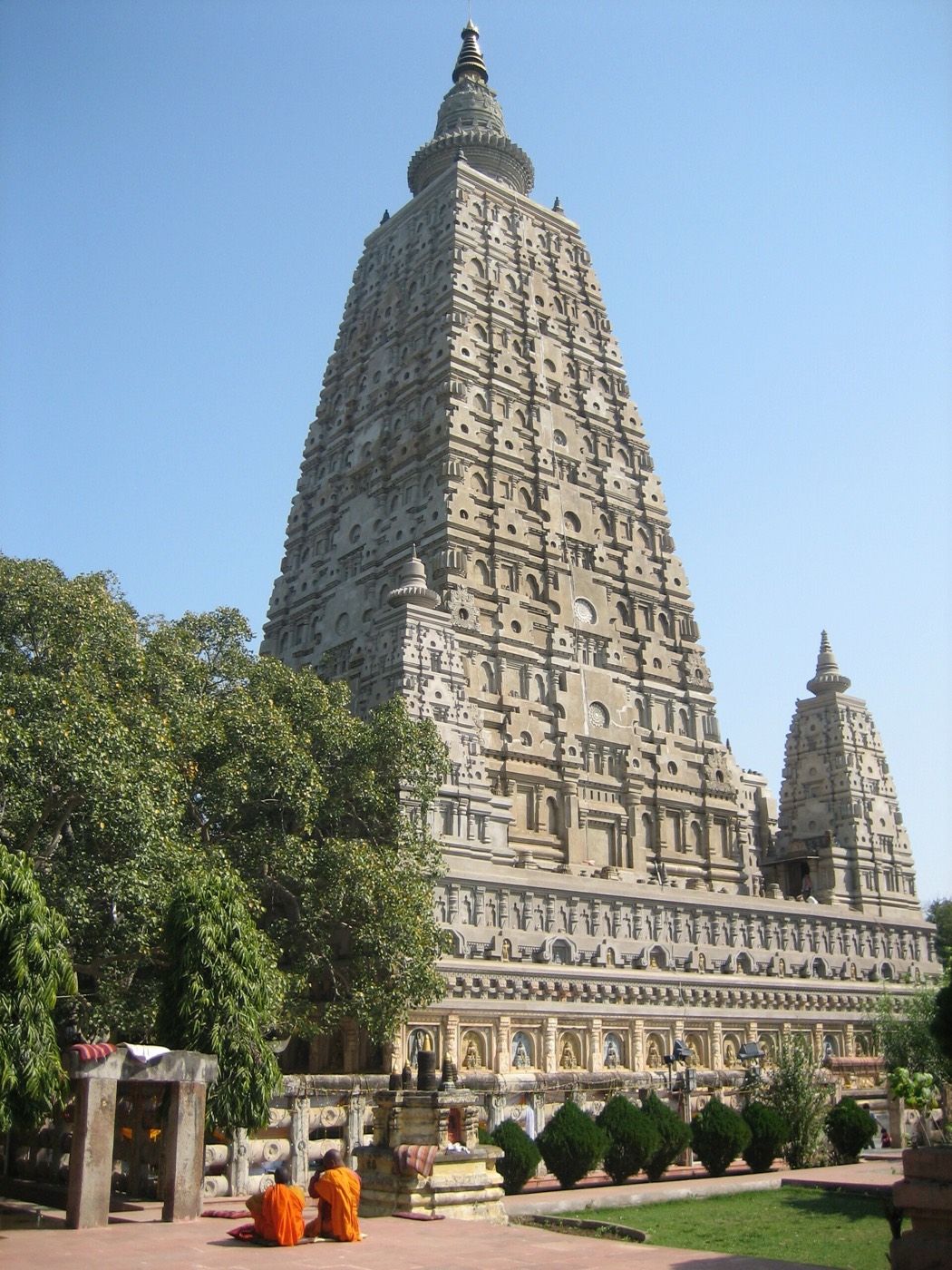
Darshan timings at Mahabodhi
| Season | Opens | Darshan | Closes | Status |
|---|---|---|---|---|
| All year (typical) | 5:00 AM | 5:00 AM to 9:00 PM | 9:00 PM | Open |
| Morning ritual | 5:00 AM | Bhagwan pujan and chanting approx 5:00 to 6:00 AM | 6:00 AM | Open |
| Evening prayer | 6:00 PM | Chanting and butter-lamp offerings approx 6:00 to 9:00 PM | 9:00 PM | Open |
Read the full Timings & Darshan Hours →
How to reach Mahabodhi Temple, Bodh Gaya
Bodh Gaya sits on the south bank of the Niranjana (Phalgu) river, a short drive from the town of Gaya. It is unusually well connected for a small pilgrimage town because it has its own international airport serving Buddhist charter flights.
| Mode | Point | Distance | Notes |
|---|---|---|---|
| Air | Gaya International Airport (GAY) | approx 11 km | Seasonal international charters from Bangkok, Yangon, Colombo, Thimphu; domestic links via Delhi and Kolkata. |
| Air (major) | Patna (Jayaprakash Narayan Intl) | approx 135 km | Full-service airport with frequent flights; road transfer about 3 to 3.5 hours. |
| Train | Gaya Junction | approx 13 km | Major stop on the Grand Chord line; connected to Delhi, Kolkata, Varanasi and Patna. Taxi or auto to the temple in about 30 minutes. |
| Road | From Gaya city | approx 13 km | Autos, cabs and shared jeeps run constantly; the drive takes 25 to 40 minutes depending on traffic. |
| Road | From Patna | approx 100 to 110 km | By national highway via Gaya, roughly 3 hours by car or bus. |
Puja & aarti schedule
- Morning Bhagwan pujan, robing and offering to the main Buddha image, with monastic chantingApprox 5:00 to 6:00 AM
- Continuous meditation and paritta chanting by monks of many traditions around the Vajrasana and Bodhi TreeThrough the day
- Evening prayer, lighting of butter lamps and candles along the shrine and Bodhi Tree railingAround sunset
- Evening chanting sessions before the complex closes for the nightApprox 6:00 to 9:00 PM
Read the full Aarti & Puja Schedule →
Dress code & temple rules
Dress modestly: cover shoulders and knees. Light cotton clothing and a shawl or stole are ideal.
Footwear is removed before entering the inner temple and Bodhi Tree enclosure; carry socks for hot afternoons on the stone.
Mobile phones, cameras and electronic items are not allowed inside and must be deposited at the free counters near the gate; a paid pass is needed to carry a camera.
Maintain silence around the Vajrasana and Bodhi Tree; circumambulate (pradakshina) in a clockwise direction.
Do not pluck leaves from the Bodhi Tree or touch the trunk; fallen leaves are collected and distributed by staff.
Security screening operates at the entrance; large bags are best left at your hotel.
Read the full Dress Code & Temple Rules →
Best time to visit & festivals
The comfortable, dry months of October to March are the classic window for Bodh Gaya, and it is also when the international monastic calendar is busiest. Summers (April to June) are very hot; the monsoon (July to September) is humid but green and quiet.
| Festival | When | Significance |
|---|---|---|
| Buddha Purnima (Vesak / Buddha Jayanti) | Vaishakh full moon, April or May | The single biggest day here, marking the Buddha's birth, enlightenment and passing. Huge processions, chanting and lamp offerings; the town fills with international pilgrims. Peak |
| Kalachakra (when held) | Usually December or January (periodic) | Major Tibetan Buddhist empowerment led at times by the Dalai Lama; draws tens of thousands and transforms the town for days. |
| Winter monastic season and Tipitaka chanting | December to February | Cool weather brings large groups from Thailand, Myanmar and Sri Lanka; international Tipitaka chanting ceremonies are held under the Bodhi Tree. |
| National monastery observances | Various through the year | Country-specific Buddhist ceremonies hosted by the many national monasteries lining Bodh Gaya. |
Read the full Best Time to Visit & Festivals →
Nearby temples & tirths

Baidyanath Dham, Deoghar
One of the twelve Jyotirlingas, a huge Shravan pilgrimage in neighbouring Jharkhand
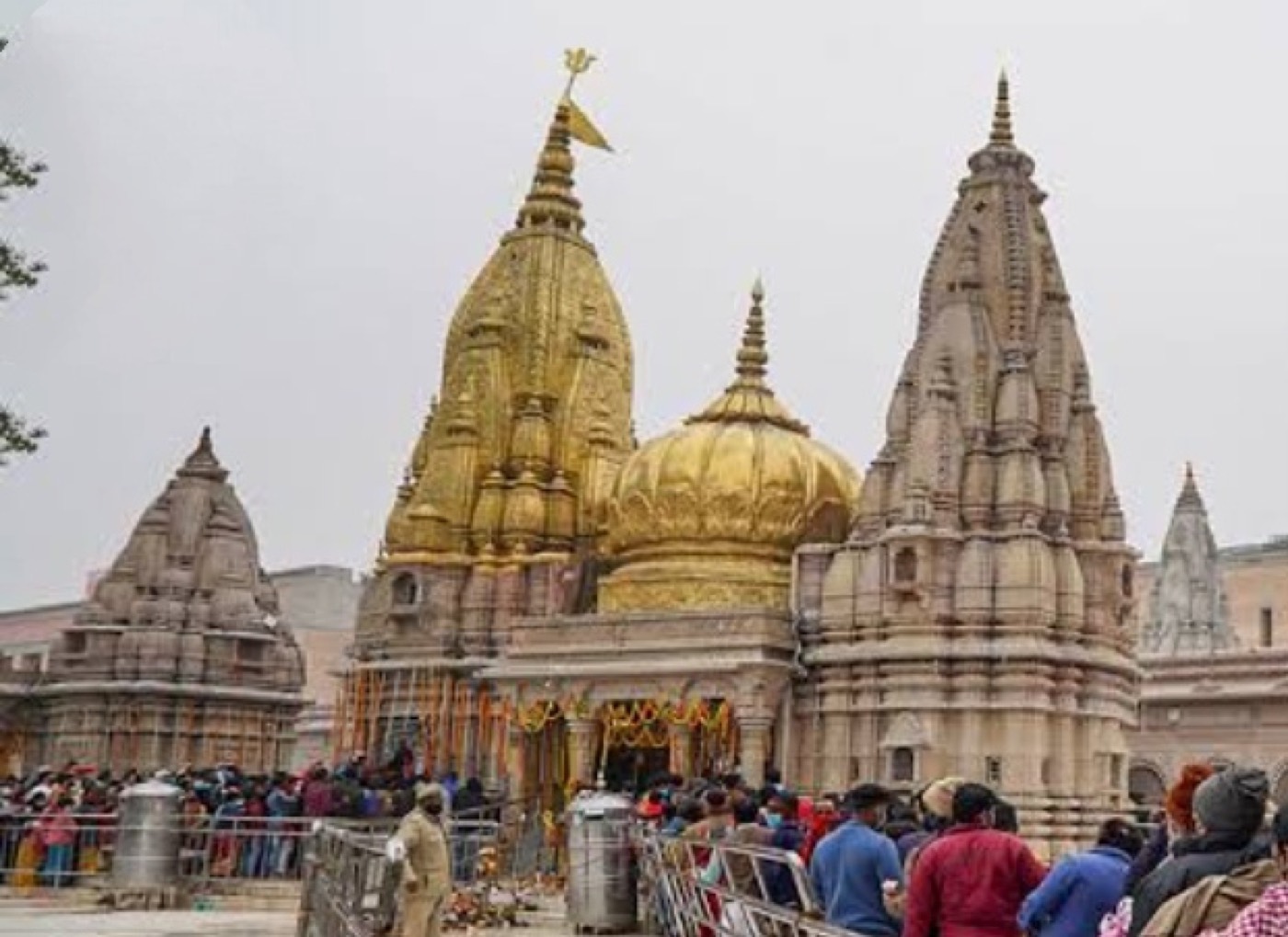
Kashi Vishwanath, Varanasi
The great Shiva shrine on the Ganga, an easy onward train from Gaya
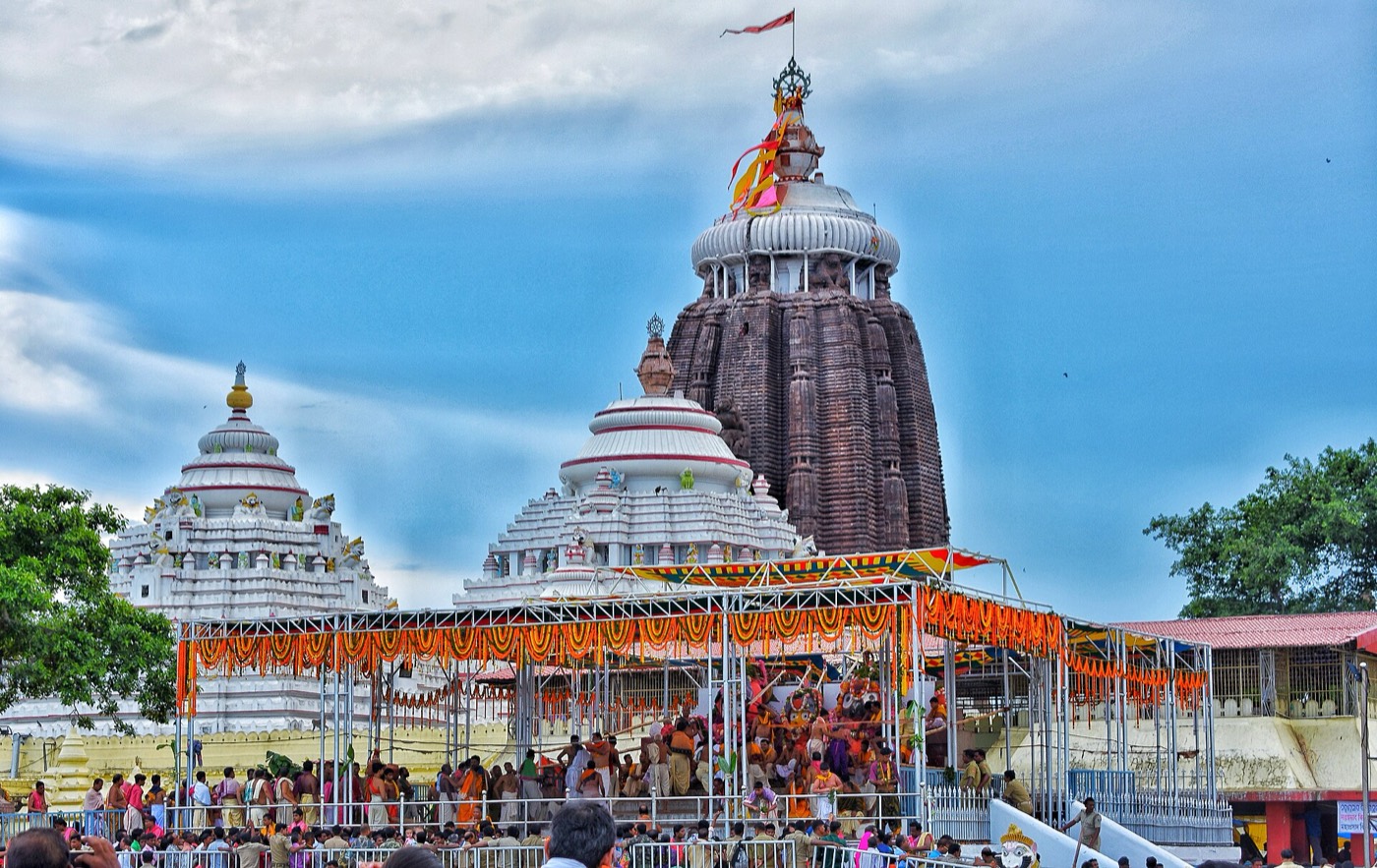
Jagannath Temple, Puri
Char Dham seat of Lord Jagannath, often paired on an eastern-India circuit
Read the full Nearby Temples & Tirths →
Where to stay
Most pilgrims stay within walking distance of the temple. The lanes right around the Mahabodhi complex are packed with guesthouses, budget hotels and stays run by Buddhist organisations. The Burmese Vihara Road and the Tibetan monastery area offer quieter, more residential guesthouses, cafes and meditation centres a short walk away. Many of the national monasteries (Thai, Bhutanese, Japanese, Tibetan, Burmese, Sri Lankan) run their own pilgrim lodgings, and there are mid-range and a few upscale hotels toward the airport road. For meditation retreats, centres such as the local Vipassana meditation centre offer longer residential stays.
Frequently asked questions
Mahabodhi Temple timings today
nearest railway station to Mahabodhi Temple Bodh Gaya
is Mahabodhi Temple open in monsoon
Mahabodhi Temple entry fee and camera charges
what is the dress code for Mahabodhi Temple
Compiled from public sources including Pilgrimage Tour: Mahabodhi Temple timings and rituals · Pilgrimage Tour: How to reach Mahabodhi Temple · Gaya District (Govt of Bihar): Mahabodhi Mandir · Wikipedia: Bodh Gaya. Timings and seasonal closures change; confirm with the temple trust before travelling.