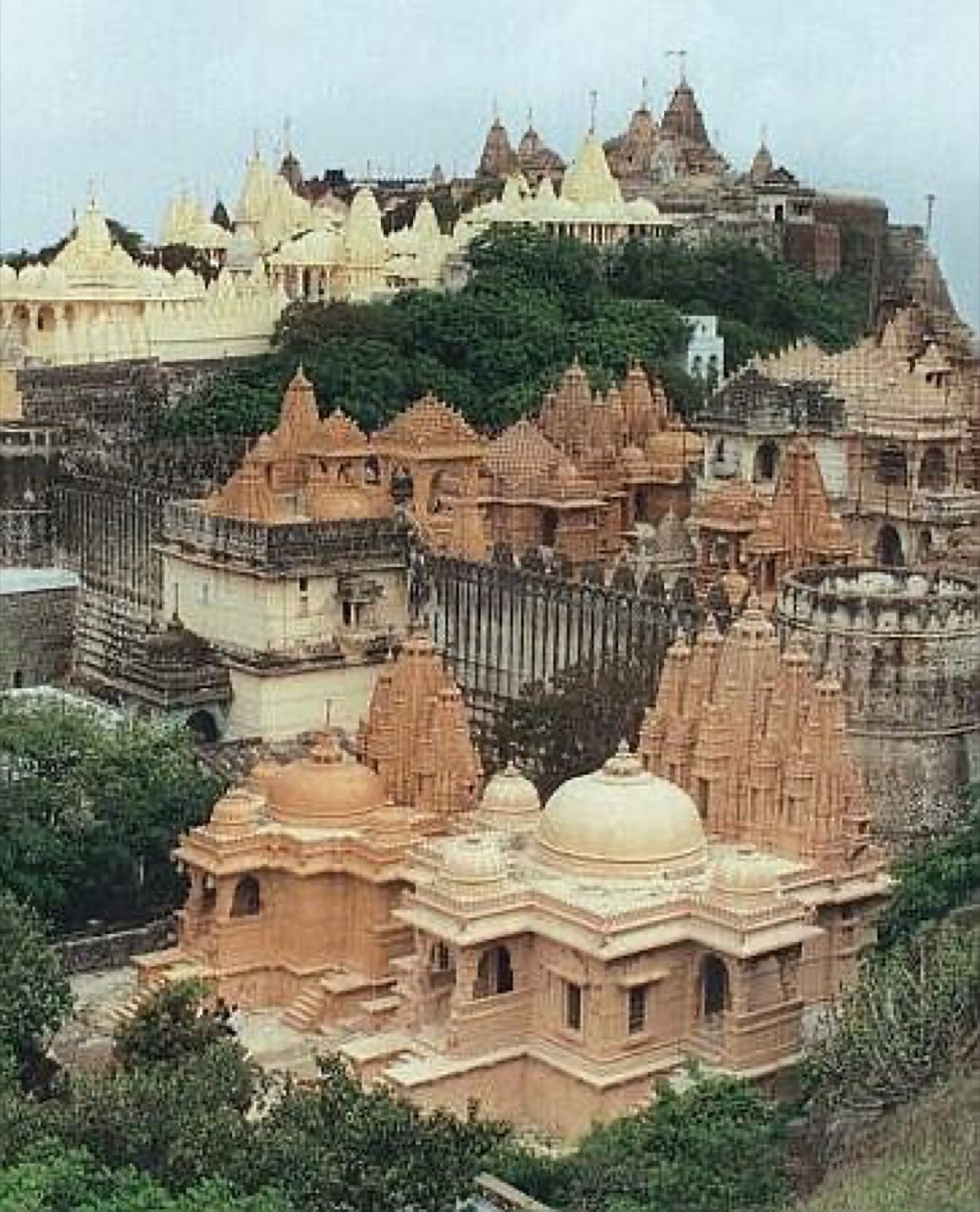
The great Indian pilgrimage climbs are not interchangeable. A long stair climb in Gujarat's winter sun is a different problem from a high-altitude Himalayan trek where the danger is thin air and weather, which is different again from a barefoot forest walk in Kerala with a vow attached.
What they share is a culture of assistance. Almost every route has carried the old, the ill and the very young for centuries: doli and palanquin bearers at Palitana, ponies and palkis at Vaishno Devi and Amarnath, porters and helicopters at Kedarnath. Using them is tradition, not failure.
Every figure below comes from our verified temple guides. Where a source hedges, we hedge; treat the numbers as reliable orders of magnitude rather than survey data.
The eight great climbs, compared
One table, all the numbers that matter. Distances and step counts are approximate as our sources record them.
| Pilgrimage | The climb | Altitude | Aids available | Season |
|---|---|---|---|---|
| Palitana (Shatrunjaya) | Approx 3,750 to 3,800 steps, roughly 3.5 km ascent, 2 to 3 hours up | Hill summit | Doli / palanquin (charged); barefoot climb mandatory | Kartik Purnima (Nov) to monsoon; closed for Chaturmas |
| Girnar | About 9,999 steps past roughly 866 shrines | Hill summit | Ropeway to the Ambaji temple on the hill | Nov to Feb best; discouraged in monsoon, steps turn slippery |
| Kedarnath | Approx 16 km on foot from Gaurikund, 6 to 8 hours | Approx 3,583 m | Ponies, palki, porters; helicopters from Phata, Sersi, Guptkashi | Late Apr or early May to around Bhai Dooj |
| Vaishno Devi | Approx 13 km from Katra to the Bhawan, 5 to 8 hours | Trikuta hills | Ponies, palkis, battery cars; helicopter Katra to Sanjichhat | Open year round; Navratri peaks |
| Amarnath (Baltal) | Approx 14 km one-way, steep | High altitude cave | Pony, palki, part-way helicopter Baltal to Panjtarni | Yatra season, July to August only |
| Amarnath (Pahalgam) | Approx 46 to 48 km over 3 to 5 days | High altitude cave | Pony, palki, helicopter Pahalgam to Panjtarni | Yatra season, July to August only |
| Sabarimala | Approx 5 km climb from Pamba to Sannidhanam; Erumeli penance route roughly 40 km | Forest hill | Barefoot climb; irumudi kettu mandatory | Mandala and Makaravilakku seasons, monthly windows |
| Yamunotri | Approx 6 km trek from Janki Chatti, 2.5 to 3 hours up | Approx 3,235 m | Ponies, dolis and porters at fixed rates | Akshaya Tritiya to Yama Dwitiya |
The honest difficulty tiers
Rated by what actually defeats people, not by romance. Tier one, moderate for a reasonably fit adult: Yamunotri's approx 6 km, and Sabarimala's approx 5 km climb from Pamba, both short enough to complete and return in a day, though Sabarimala adds barefoot walking and a 41-day vratham many pilgrims observe first.
Tier two, demanding but widely done: Vaishno Devi's approx 13 km on a paved path, and the stair marathons of Palitana and Girnar, where the difficulty is cumulative rather than technical. Sun exposure is the enemy on both Gujarat hills, which is why pilgrims start between 3 and 5 AM.
Tier three, serious mountain undertakings: Kedarnath's 16 km at approx 3,583 m, and both Amarnath routes, where altitude, weather and remoteness compound. Amarnath enforces its own limits: only pilgrims aged 13 to 70 are allowed, and women more than six weeks pregnant are not permitted. Our guide's advice there is blunt and worth repeating: acclimatise, walk slow, and do not attempt the trek if you are unwell.
Ponies, dolis, porters and helicopters
Every hard route has an assisted version. Palitana's doli, a chair carried by bearers, is charged separately while the climb itself is free. Yamunotri's ponies, dolis and porters work at fixed rates from Janki Chatti. Vaishno Devi offers the widest menu: ponies and palkis hired at Banganga, battery-operated cars on the permitted stretches, and the Katra to Sanjichhat helicopter that leaves only a short onward climb or battery-car ride.
Kedarnath has ponies, palki and porters on the 16 km path plus seasonal helicopter services from Phata, Sersi and Guptkashi. Amarnath allows pony and palki on both routes, with helicopters running to Panjtarni from either base, though a final stretch remains on foot. Book assisted transport at official counters at the base, agree the rate before you start, and remember that on peak festival days demand outstrips supply by mid-morning.
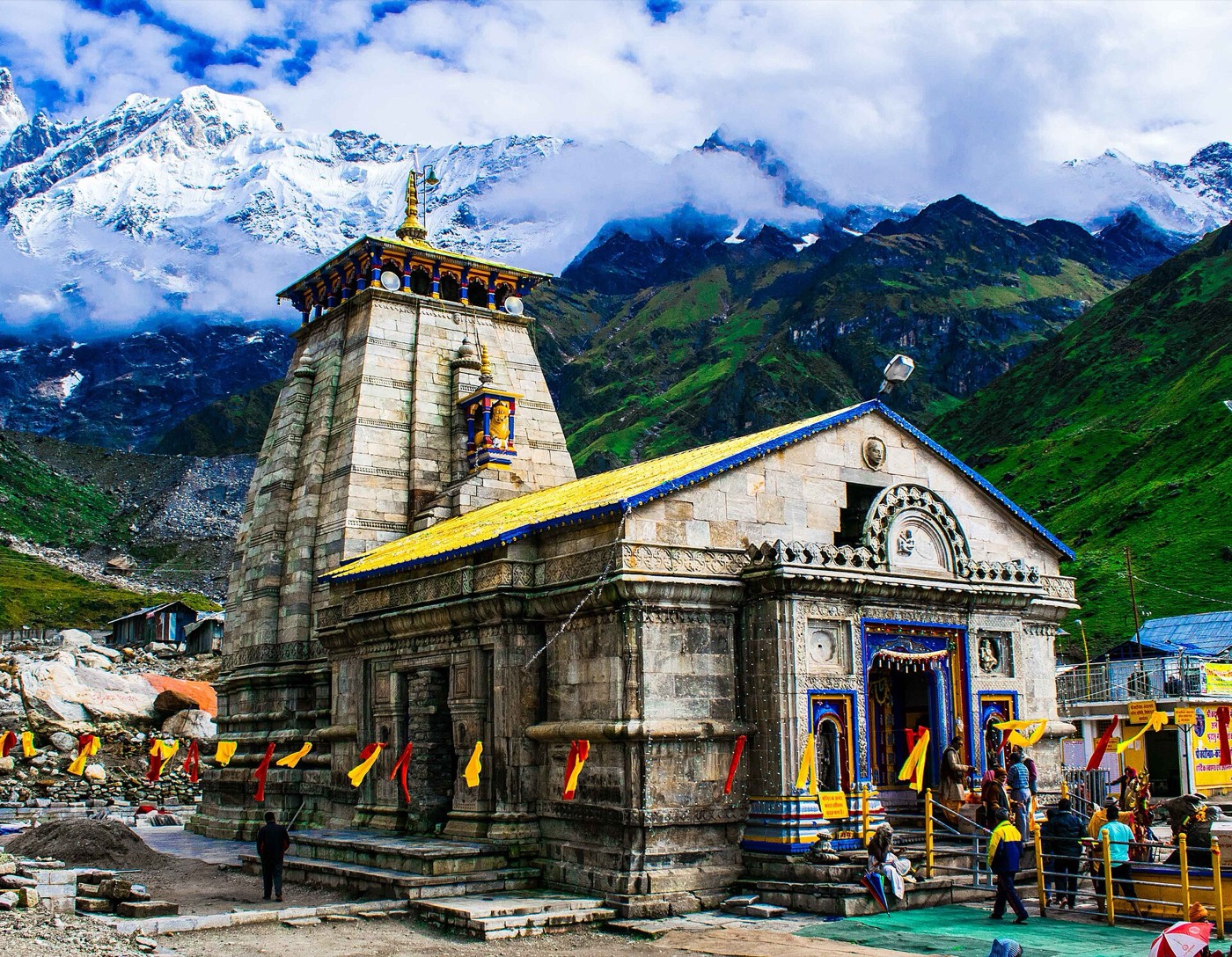
Kedarnath Temple
Rudraprayag, Uttarakhand
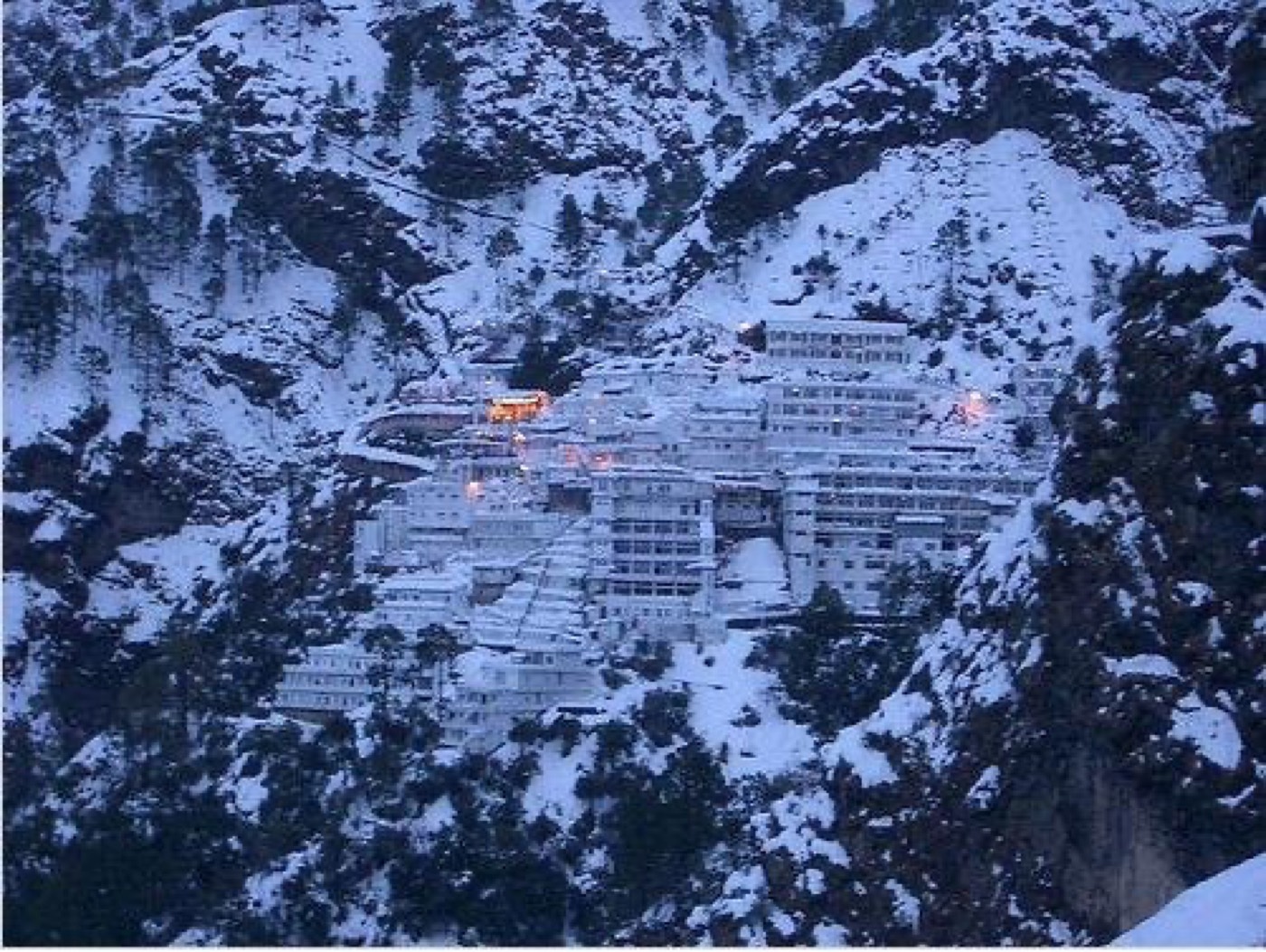
Shri Mata Vaishno Devi
Reasi, Jammu & Kashmir
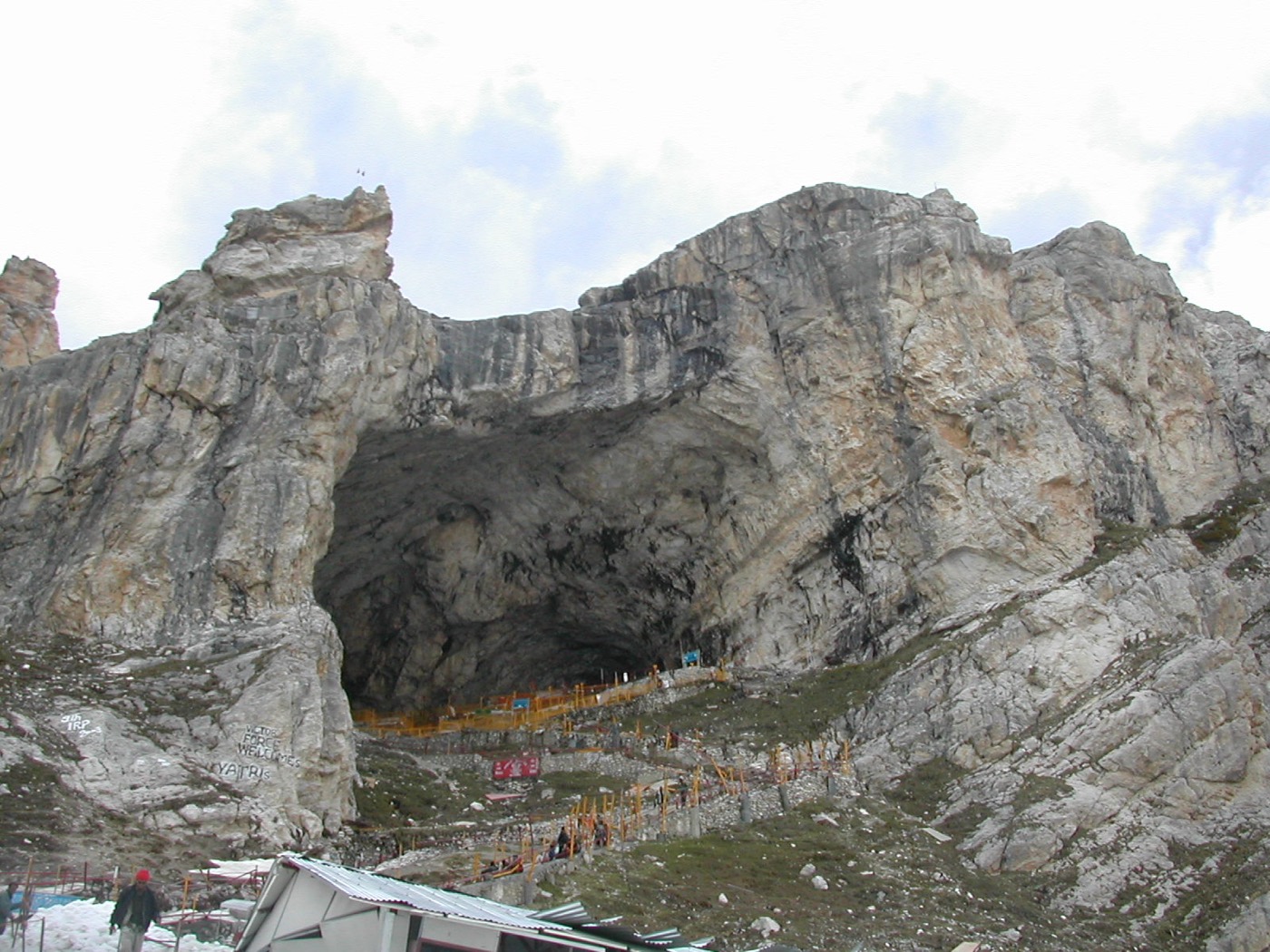
Amarnath Cave (Shri Amarnathji)
Anantnag, Jammu & Kashmir
The rules that bind each climb
These treks come with conditions that are not negotiable, and they surprise the unprepared more than the gradients do. At Palitana, footwear of every kind is left at Taleti and the climb is barefoot; no food is carried up or eaten on the sacred hill, so pilgrims eat before they climb. Nobody may remain on the hill after dusk, which sets a hard turnaround time.
At Sabarimala, carrying the irumudi kettu, the two-part cloth bundle of offerings, is mandatory: only a pilgrim bearing it may climb the Pathinettam Padi, the eighteen holy steps, which are themselves worshipped and must not be trodden casually. The temple traditionally admits girls below 10 and women above 50, and our guide notes that the legal position on women of menstruating age has been contested. Amarnath requires SASB registration at approx Rs 150 and the age limits noted above; the Uttarakhand treks require Char Dham registration.
Who should not attempt what
Say the unpopular part plainly. Kedarnath and Amarnath are altitude pilgrimages, and altitude does not care about devotion or fitness at sea level; anyone with cardiac or respiratory conditions, or who is unwell on the day, should take the helicopter option or postpone. Amarnath's own rules exclude those under 13 and over 70 for exactly this reason.
Palitana and Girnar are safer but punishing in a different way: thousands of steps, full sun and no shade for long stretches. Elderly pilgrims should either take a doli at Palitana or the ropeway at Girnar, and everyone should avoid both hills in the middle of the day and in monsoon, when Girnar's steps turn dangerously slippery.
The Sabarimala forest climb is a protected tiger-reserve landscape walked barefoot in crowds; it favours the disciplined over the merely fit. And Bhimashankar, though it is a road destination rather than a trek, deserves a mention here: the queue corridor is narrow and the steps to the sanctum are steep, so carry minimal belongings on peak days.
Preparing properly
Footwear first, except where you cannot wear any: sturdy waterproof trekking shoes for Kedarnath's 16 km, grippy walking shoes for Girnar's exposed steps, and for Palitana and Sabarimala, feet that have practised walking barefoot before the day itself. Amarnath demands genuine mountain kit: heavy woollens, a windproof and waterproof jacket, thermals, gloves, a cap and non-slip trekking shoes.
Then the unglamorous three: water, sun cover and time. Carry water and a hat on the Gujarat hills, start before first light on any stair climb, and build a spare day into Himalayan itineraries because weather closes routes without consulting your bookings. Finally, walk your own pace. Every one of these routes has bearers, ponies and rest points because the tradition never expected uniform strength, only that you come.
Frequently asked questions
How many steps are there at Palitana?
Which is harder, Kedarnath or Vaishno Devi?
Can elderly pilgrims do the Amarnath yatra?
How long is the Sabarimala trek?
Is there a way to avoid climbing Girnar's steps?
What should you carry on a temple trek?
Compiled from our verified temple guides and public sources including Rudraprayag District: Kedarnath Yatra · Wikipedia: Girnar ropeway · Wikipedia: Chota Char Dham. Timings and festival dates shift with the lunar calendar; confirm before you travel.