The logic of June is simple once you see it. The high Uttarakhand shrines reopened in late April, so by June the trails, ponies, helicopters and tented camps at Kedarnath are all running at full rhythm, and May to June is one of the two sweet spots in the season at Badrinath. The monsoon has not yet reached the ghat roads, which matters, because between July and September landslides and road closures become common on the Badrinath highway.
Elsewhere the picture is more mixed, and worth understanding before you book anything. At Jagannath Temple in Puri, June opens the great festival cycle: the deities are ceremonially bathed at Snana Yatra on Jyeshtha Purnima, then withdraw from view for the Anavasara fortnight before Rath Yatra arrives in the June to July window. Amarnath is still snowbound, since the cave only opens for its annual yatra from around early July, which makes June the registration and preparation month rather than the darshan month. And in Gujarat, Girnar is climbable in early June but the monsoon reaches the hill by mid-month and turns its stone staircase slippery.
A note on how this guide works. Every timing, distance and fee here comes from our temple pages and carries the same hedges: where a figure is approximate we say so, and where a festival follows the lunar calendar we give the window it usually falls in rather than a date, because those dates move every year. Confirm specifics locally before you travel.
June at a glance: how the month treats five major shrines
Five shrines define the June decision more than any others: the two high Uttarakhand seats of the Char Dham, the eastern Char Dham seat at Puri, the Amarnath cave in Kashmir, and the Girnar massif in Gujarat. Two of them reward you for coming this month, one demands careful timing around its rituals, and two ask you to wait.
The table below is the short version. The rest of this guide unpacks each row, and the linked temple pages carry the full timing, route and stay detail so we will not repeat it all here.
| Temple | State | Position in June | The key number |
|---|---|---|---|
| Kedarnath | Uttarakhand | Open season before the monsoon; darshan approx 4:00 AM to 9:00 PM with a midday break | approx 3,583 m altitude; 16 km trek from Gaurikund |
| Badrinath | Uttarakhand | Open season, a named sweet spot; darshan 4:30 AM to 1:00 PM and 4:00 PM to 9:00 PM | approx 3,133 m; Rishikesh approx 295 km by road |
| Jagannath Temple, Puri | Odisha | Open, but Snana Yatra and the Anavasara fortnight reshape darshan | Puri railway station approx 3 km from the temple |
| Amarnath Cave | Jammu & Kashmir | Closed; snowbound September to June; 2026 yatra announced for approx 3 July to 28 August | approx 3,888 m; Baltal trek approx 14 km one way |
| Girnar | Gujarat | Climbable early June; discouraged once the monsoon arrives mid-month | approx 9,999 steps; hill open approx 6 AM to 5 PM |
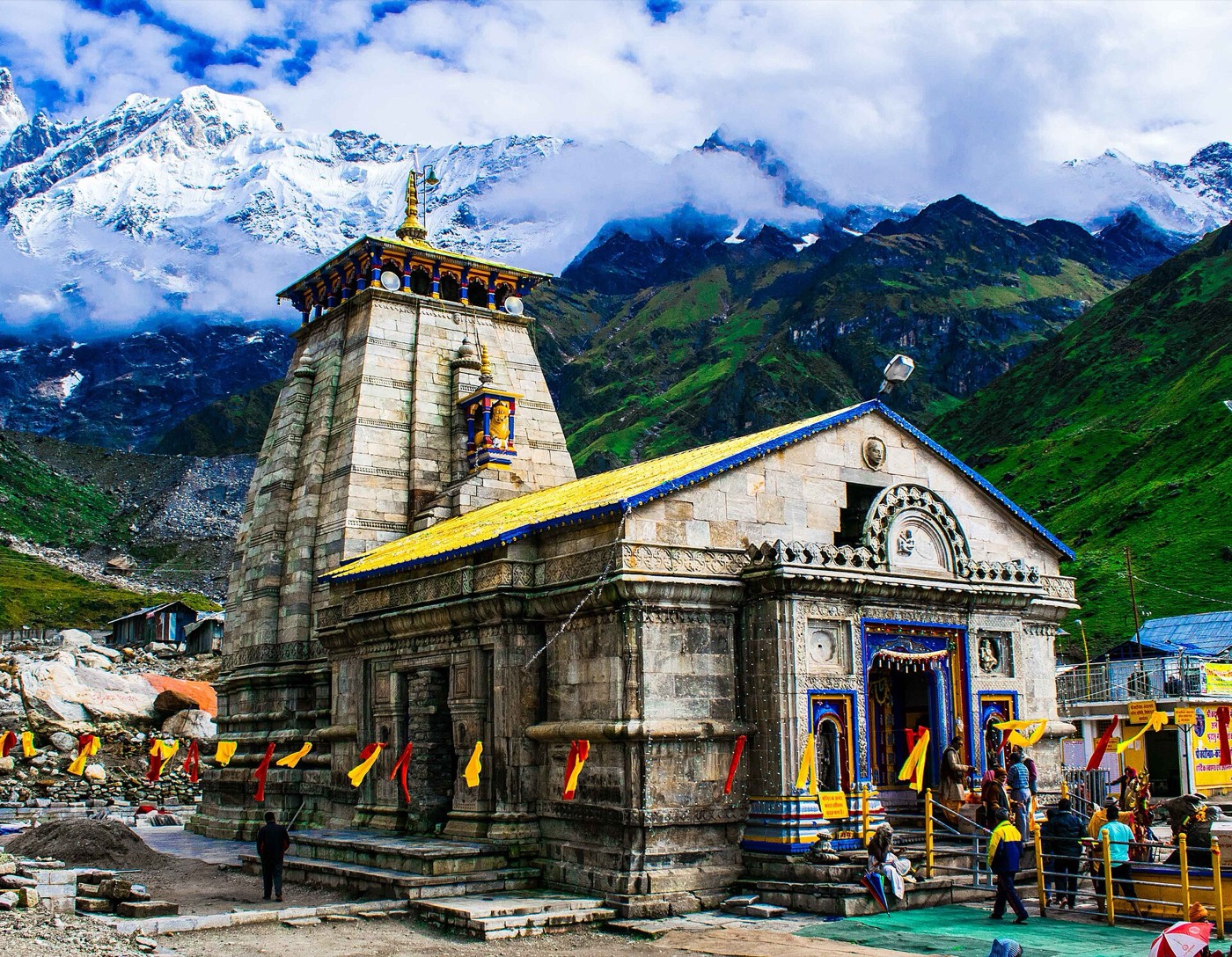
Kedarnath Temple
Rudraprayag, Uttarakhand
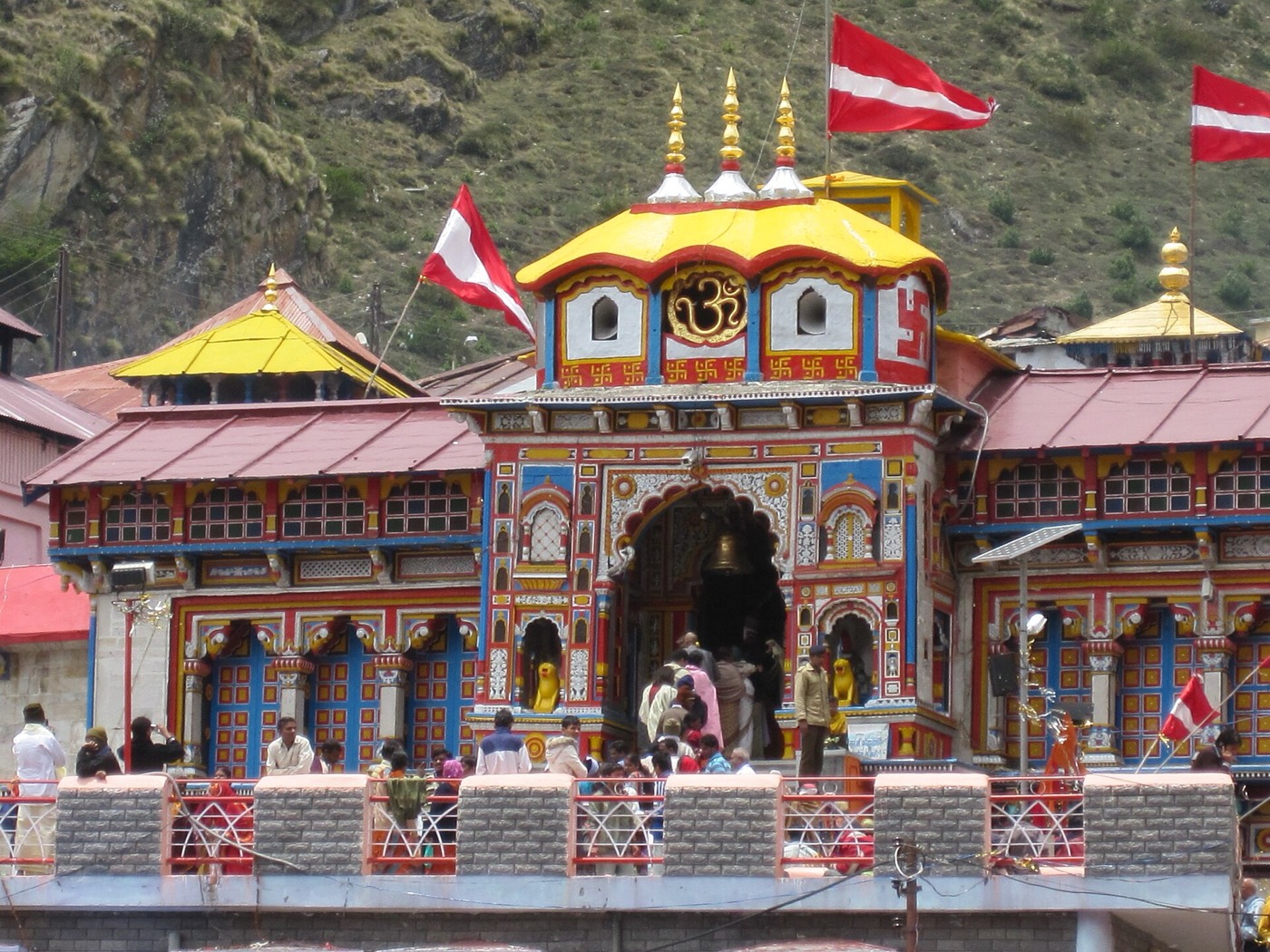
Badrinath Temple (Shri Badrinarayan Dham)
Chamoli, Uttarakhand
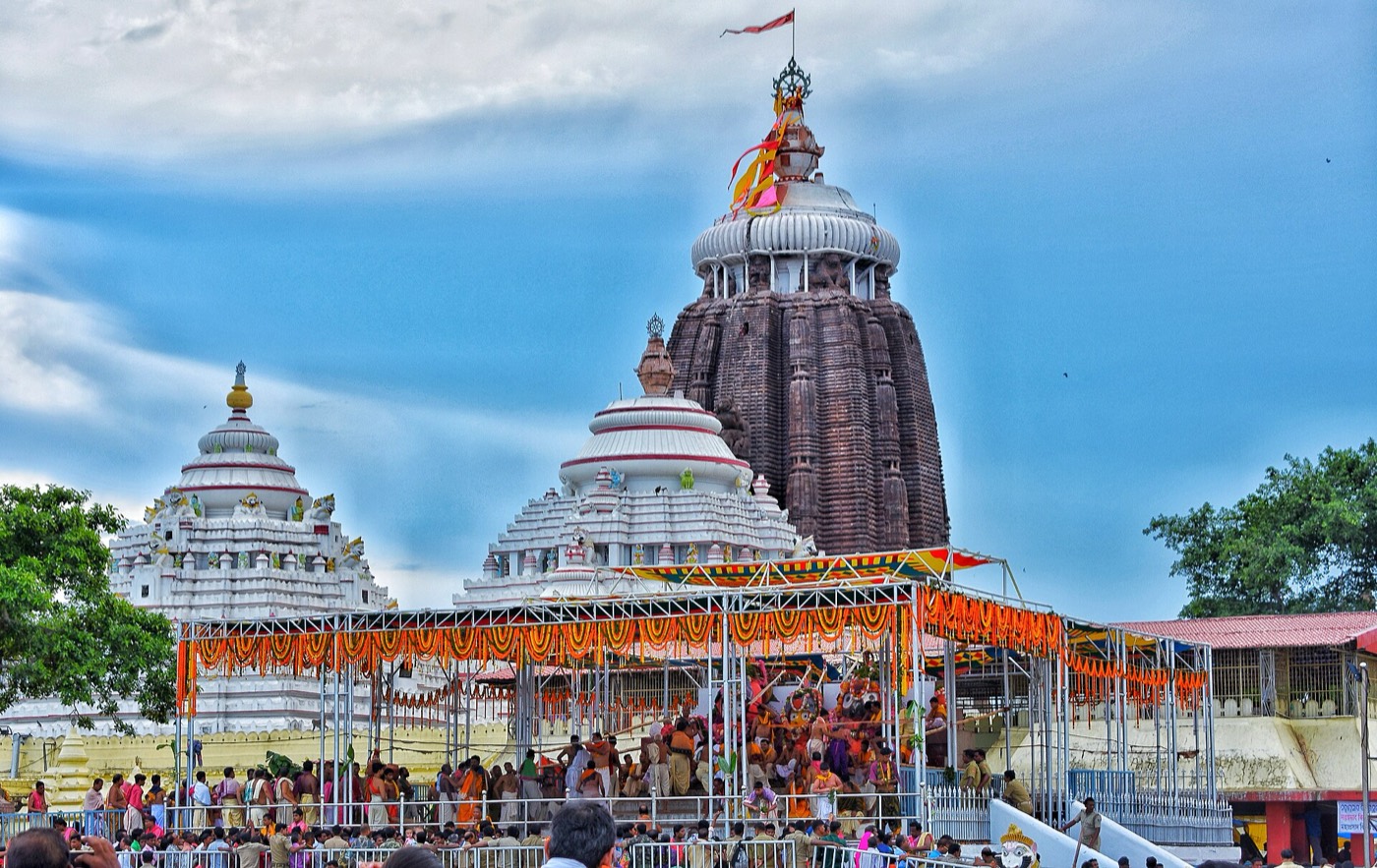
Jagannath Temple, Puri
Puri, Odisha
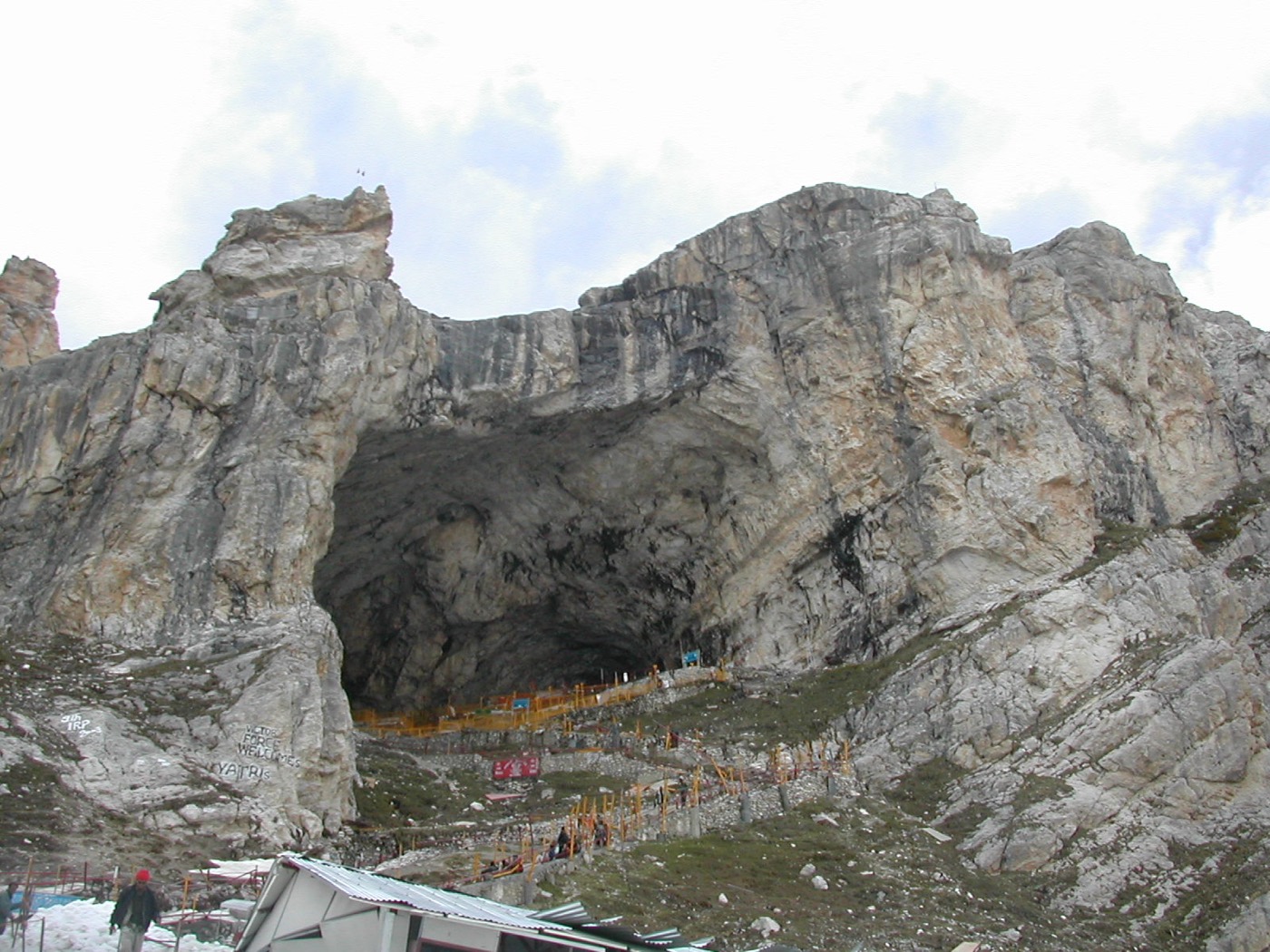
Amarnath Cave (Shri Amarnathji)
Anantnag, Jammu & Kashmir
Girnar Temples (Girnar Parvat)
Junagadh, Gujarat
Kedarnath and Badrinath: the pre-monsoon sweet spot
Kedarnath in June is the strongest single answer this month offers. The kapat reopened in late April, on 22 April in 2026, and by June the whole machinery of the yatra is settled: shared jeeps covering the approx 5 km from the Sonprayag parking to Gaurikund, ponies and palkis on the 16 km path via Jungle Chatti, Bhimbali and Linchauli, and helicopters from Phata, Sersi and Guptkashi for those who want to skip the climb. Allow 6 to 8 hours on foot. Time your darshan with the ritual clock in mind: physical touch of the lingam and ghee abhishek are allowed only before approx 3:00 PM, after which the temple closes and reopens around 5:00 PM for evening darshan and the Shayan Aarti. Even in June, carry serious warm layers, because temperatures near the temple can fall to single digits or below in summer.
Badrinath pairs with it naturally, approx 220 km away by road via Rudraprayag. Its own best-time guidance names May to June as a sweet spot, and the routine is gentler: the road runs right to the temple, most pilgrims bathe in the Tapt Kund hot spring before darshan, and the day splits into two windows, 4:30 AM to 1:00 PM and 4:00 PM to 9:00 PM. The 1:00 PM to 4:00 PM midday break is real, so plan around it. Both shrines require the free Char Dham e-pass from registrationandtouristcare.uk.gov.in, checked en route, and June also brings the Badri-Kedar Utsav, an approx eight-day cultural festival of music and dance celebrated at both temples.
If you have more days, the full Uttarakhand circuit adds Gangotri and Yamunotri, and June carries a specific draw there: Ganga Dussehra, celebrating the descent of the Ganga, falls in the Jyeshtha window of May or June and is one of the most sacred days to bathe in and worship the river at Gangotri. The honest caveat for the whole region is the calendar's edge. The monsoon that closes in from July brings landslide risk to these ghat roads, so earlier in June is safer than later.
Kedarnath Temple
Rudraprayag, Uttarakhand
Badrinath Temple (Shri Badrinarayan Dham)
Chamoli, Uttarakhand
Puri in June: Snana Yatra, the quiet fortnight, and the road to Rath Yatra
June in Puri is not a normal darshan month, and that is exactly why people come. On Jyeshtha Purnima, which usually falls in June, the Snana Yatra sees Jagannath, Balabhadra and Subhadra ceremonially bathed with 108 pots of water on the Snana Bedi. Immediately after, the deities enter the Anavasara seclusion and are not shown at all for a fortnight. If seeing the deities on the ratna vedi is the point of your trip, come before Snana Yatra or after the festival cycle ends; if you arrive mid-June without checking the calendar, you may find the deities withdrawn from view.
The reward for June patience is what follows. Rath Yatra, the chariot festival that gave English the word juggernaut, falls on Ashadha Shukla Dwitiya, in the June to July window depending on the year. Chariot construction begins well before, from Akshaya Tritiya with the 42-day Chandan Yatra, so a June visitor can watch the great chariots taking shape on the Grand Road. The Suna Besha golden attire and the Bahuda return journey complete the cycle. Be warned that rooms sell out and rates spike sharply around Rath Yatra, so book weeks ahead if you travel in June or July.
Practicalities are easy by the standards of this list. Puri railway station is approx 3 km from the temple with direct trains from Kolkata, Delhi and Chennai, and Bhubaneswar airport is approx 60 km away, about 1.5 hours by taxi. The temple itself runs approx 5:00 AM to 11:00 PM in ritual windows rather than continuously, with a midday closure after the approx 1:00 PM offering. The sanctum is open to Hindus only; others traditionally view the complex from the rooftop of the nearby Raghunandan Library. Phones, cameras and leather items are prohibited inside. And if the Anavasara fortnight leaves you with an empty day, the Konark Sun Temple is approx 35 km up the coast.
Amarnath: June is for registration, not darshan
Let us be clear about what June cannot give you. The Amarnath cave, at approx 3,888 m, has no built temple and no year-round darshan; it is snowbound and inaccessible from September to June, and the ice lingam forms only for the yatra window, which typically runs from around early July to late August. For 2026 the announced window is approx 3 July to 28 August. So nobody sees Baba Barfani in June. What June is, for serious pilgrims, is the preparation month that decides whether July goes well.
Registration with the Shri Amarnathji Shrine Board is mandatory, costs approx Rs 150 per person, and for 2026 opened from approx 15 April. Only pilgrims aged 13 to 70 are allowed, women more than six weeks pregnant are not permitted, and a Compulsory Health Certificate is checked along with your registration slip at the access-control gates. Use June to secure your slot, complete the health paperwork, and choose your route: Baltal is the short, steep option at approx 14 km one way, which fit pilgrims do as one long day, while the traditional Pahalgam route runs approx 46 to 48 km over 3 to 5 days via Chandanwari, Sheshnag and Panjtarni. Helicopters shorten both routes to Panjtarni.
June is also when on-mountain logistics get booked out. Camp accommodation and helicopter slots are limited and weather-dependent, so reserve well in advance; for 2026 the board has been replacing tents at base camps like Baltal and Nunwan with all-weather prefabricated units, and 100-bed hospitals with ICU stand at Baltal and Chandanwari. Train for altitude too, since temperatures near the cave can fall close to freezing even in July and August. Reaching the bases is a journey in itself: Srinagar airport is approx 90 km from Pahalgam and approx 100 km from Baltal, and the Jammu Tawi railhead is approx 178 km from Baltal by road.
Where June says no: monsoon closures and cautions
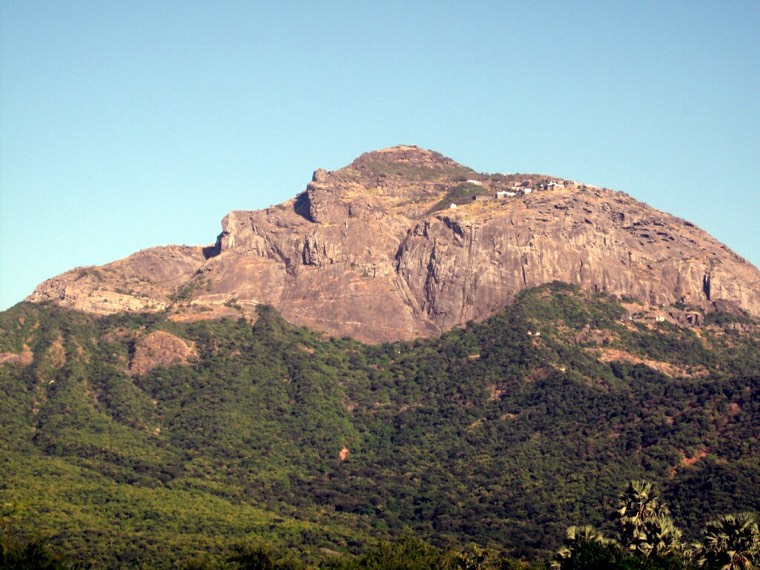
An honest June guide has to name the places the month takes off the table. In Gujarat, Girnar has no formal seasonal shutdown, but the climb of approx 9,999 steps is strongly discouraged once the monsoon reaches the hill from mid-June, because the stone steps turn dangerously slippery. Early June is still within the summer window, though the exposed staircase is punishingly hot then; the hill runs roughly 6 AM to 5 PM, and the ropeway to Ambaji, cited as Asia's longest, offers a way up without the stairs for part of the mountain.
The Jain calendar closes a second great staircase soon after. At Palitana, the pilgrim climb up Shatrunjaya is suspended for the four monsoon months of Chaturmas, roughly late June to Kartik Purnima in November, so a late-June arrival can miss it entirely. In the east, Kamakhya in Guwahati holds its greatest gathering in June: the Ambubachi Mela, approx 22 to 26 June, during which the sanctum itself is closed for about three days and then reopens for prasad. That one is a closure and a reason to come at the same time, depending on what you are travelling for.
The western hill shrines deserve a general caution rather than a table row. Hill treks in the west face the same wet-season logic as Girnar once the monsoon sets in, and Bhimashankar is the obvious example. Our June data for it is thin, so this guide does not attempt specifics; check conditions locally before planning any hill-temple trek in the second half of the month.
| Shrine | What changes | Window |
|---|---|---|
| Amarnath Cave | No darshan; the cave is snowbound until the yatra opens | Closed September to June; 2026 yatra approx 3 July to 28 August |
| Girnar | Climb discouraged as the stone steps turn slippery in rain | Monsoon, mid-June to September |
| Palitana (Shatrunjaya) | Pilgrim climb suspended for the monsoon Chaturmas | Roughly late June to Kartik Purnima in November |
| Kamakhya, Guwahati | Sanctum closed for Ambubachi Mela; huge congregation outside | Approx 22 June (night) to 25 June |
| Jagannath Temple, Puri | Deities may be off the ratna vedi or in Anavasara seclusion | From Snana Yatra on Jyeshtha Purnima, then a fortnight |
The June festival calendar, given as windows
Most of these festivals follow the lunar calendar, so their Gregorian dates move every year, and some swing between late May and June or between June and July. We give the windows, not dates, and you should confirm the current year's calendar before locking travel. The range is wider than most people expect: bathing days on the Ganga, a menstruating goddess in Assam, Murugan's birth star in Tamil Nadu, and in Maharashtra the buildup to Ashadhi Ekadashi, when around a million pilgrims converge on Pandharpur as the palkhi processions complete a roughly 250 km foot march.
| Festival | Shrine | Usual window | What happens |
|---|---|---|---|
| Ganga Dussehra | Gangotri | Jyeshtha, May or June | Celebrates the Ganga's descent; a most sacred day to bathe in and worship the river |
| Snana Yatra | Jagannath Temple, Puri | Jyeshtha Purnima | Deities bathed with 108 pots of water, then enter Anavasara seclusion |
| Ambubachi Mela | Kamakhya, Guwahati | June, approx 22 to 26 | The temple's greatest gathering; sanctum shuts about three days, then reopens for prasad |
| Badri-Kedar Utsav | Badrinath and Kedarnath | June, approx 8 days | Cultural festival with musicians and dancers from across India |
| Shani Jayanti | Shani Shingnapur | Vaishakha Amavasya, May or June | Birthday of Lord Shani; grand abhishek and the year's largest gathering |
| Martyrdom of Guru Arjan Dev | Golden Temple, Amritsar | May or June | Chhabeel, a sweet cold drink, is served to all against the summer heat |
| Vaikasi Visakam | Palani Murugan Temple | Vaikasi, May to June | Marks Murugan's birth star with special abhishekams and alankarams |
| Ashadhi Ekadashi | Vitthal Rukmini, Pandharpur | Ashadha, June to July | Around a million pilgrims arrive with the Dnyaneshwar and Tukaram palkhis |
| Rath Yatra | Jagannath Temple, Puri | Ashadha Shukla Dwitiya, June to July | The deities ride giant chariots down the Grand Road to the Gundicha Temple |
One honest June itinerary: the Kedarnath and Badrinath loop
If June gives you one trip, make it this one. It uses the month's best weather window, links the two Himalayan seats of the Char Dham, and fits in a week from Rishikesh, the nearest convenient railhead for both shrines at approx 216 km from Gaurikund and approx 295 km from Badrinath. Sort the free Char Dham e-pass before you leave home, since registration is checked en route, and remember the two clocks that shape the days: the approx 3:00 PM cutoff for touching the lingam at Kedarnath, and the 1:00 PM to 4:00 PM midday break at Badrinath.
The outline below assumes you are walking rather than flying. Helicopter services from Phata, Sersi and Guptkashi can compress the Kedarnath leg into a single day if the budget allows, and GMVN rooms at both shrines book out fast in season, so reserve ahead.
- Day 1: reach Rishikesh by rail, confirm your Char Dham registration, and rest before the early start
- Day 2: drive to Sonprayag, park there as private vehicles must, take a shared jeep the last approx 5 km to Gaurikund, and stay the night at Gaurikund or Sonprayag
- Day 3: trek the 16 km to Kedarnath via Jungle Chatti, Bhimbali and Linchauli, allowing 6 to 8 hours, and catch the evening darshan and Shayan Aarti
- Day 4: pre-dawn Maha Abhishek from approx 4:00 AM if booked, general darshan approx 6:00 to 7:00 AM, then descend and sleep lower at Guptkashi or Sitapur
- Day 5: drive approx 220 km via Rudraprayag towards Badrinath, breaking at Joshimath, the last major town with fuel and ATMs, approx 45 km before the shrine
- Day 6: bathe in the Tapt Kund hot spring, take darshan in the 4:30 AM to 1:00 PM window, stay for the evening aartis, and overnight at Badrinath or Joshimath
- Day 7: return to Rishikesh, approx 295 km and roughly 10 to 12 hours on the road
Kedarnath Temple
Rudraprayag, Uttarakhand
Badrinath Temple (Shri Badrinarayan Dham)
Chamoli, Uttarakhand
Frequently asked questions
Is June a good month for the Char Dham yatra?
Can I visit Amarnath in June?
Is the Jagannath temple in Puri open in June?
Can you climb Girnar in June?
When is the Puri Rath Yatra, June or July?
What should I pack for Kedarnath and Badrinath in June?
Compiled from our verified temple guides and public sources including euttaranchal.com - Kedarnath opening/closing dates 2026 · StayVista: Badrinath Yatra 2026 complete guide (timings, registration) · Shree Jagannatha Puri - Temple Timing · Amarnath Yatra 2026 dates, registration and routes (StayVista / SOTC guides) · Trawell.in - Girnar Hill, Junagadh. Timings and festival dates shift with the lunar calendar; confirm before you travel.