Most of what makes November special in India's temple calendar flows from one lunar month. Diwali falls in October or November, the Annakut food offering follows the day after, and the mood builds for a fortnight until Kartik Purnima, the full moon that arrives 15 days after Diwali. On that one night Varanasi lights its riverfront, Pushkar's fair reaches its climax, and the Golden Temple marks Guru Nanak's birth anniversary, its biggest day of the year.
The weather cooperates too. November sits inside the October to March window that nearly every temple in this guide names as its most comfortable season, and it is the month when the barefoot hill climbs of Gujarat, closed or inadvisable through the monsoon, come back into play. Palitana reopens after the four monsoon months of Chaturmas, and the stone staircase of Girnar dries out in time for one of the largest walking pilgrimages in the Gujarati year.
One honesty note before the detail. Almost every date here is set by a lunar calendar, which means it shifts against the Gregorian calendar every year. We give windows rather than fixed dates throughout, and we carry the approx hedge on distances, fees and timings wherever our sources do. Confirm the exact days for your travel year on the official portals before you book anything.
How Kartik shapes the whole month
Two dates anchor the month. Dev Uthi Agiyaras, the eleventh day of Kartik's bright fortnight, is when tradition says Vishnu wakes from his cosmic sleep; Pandharpur's Kartiki Ekadashi marks exactly this awakening, and it is the day Shamlaji opens its melo and the Girnar Lili Parikrama sets out from Bhavnath. Kartik Purnima, the full moon that follows, is the crescendo, and almost everything in this guide orbits it.
The Purnima itself gathers an improbable amount of India onto one night: Dev Deepawali on the Varanasi riverfront, the dawn dip at Pushkar Lake, the reopening climb at Palitana, Guru Nanak's Gurpurab at Amritsar, and full-moon fairs from Narayan Sarovar in Kutch to the Narmada island of Omkareshwar. Jyotirlinga shrines such as Bhimashankar, Grishneshwar and Trimbakeshwar all mark the same full moon with lamps and special worship.
The south runs on its own months and adds a second layer. Guruvayur's great Ekadasi falls in Vrischikam, spanning November to December, the lamp-lit Karthika Masam brings Monday crowds to Srisailam and Srikalahasti, Skanda Sashti at Tiruchendur lands in the October to November Aippasi window, and Sabarimala opens its long Mandala season from around mid-November. A November trip can lean north for the full moon or south for the season openings, and either way the month carries you.
Varanasi for Dev Deepawali
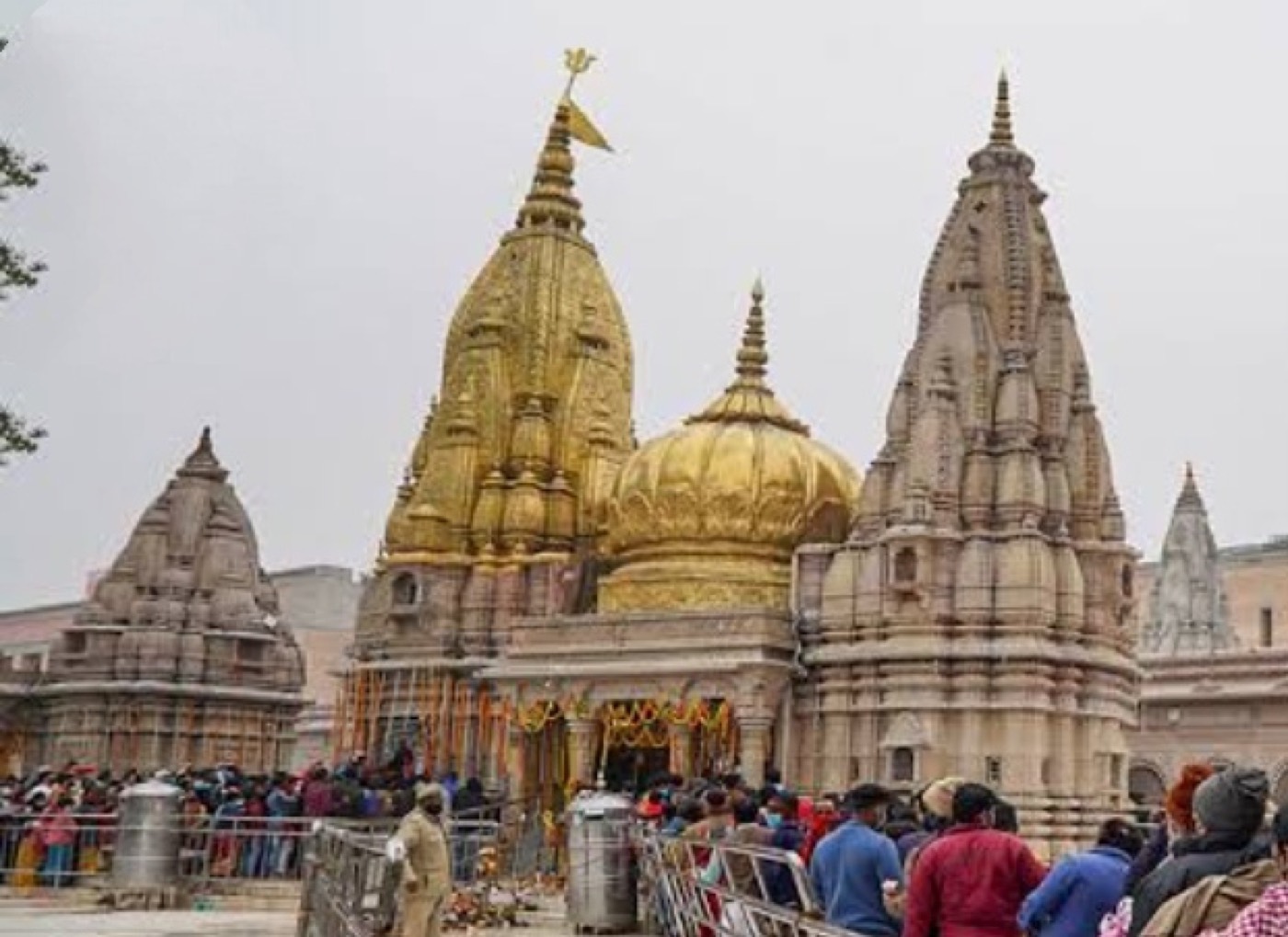
Dev Deepawali falls on Kartik Purnima, 15 days after Diwali, and it is Varanasi's own festival of lights: the ghats are lit with lakhs of lamps, and the night pairs naturally with temple darshan. Since the Kashi Vishwanath Dham corridor opened in December 2021, the sanctum is linked directly to the Ganga, so pilgrims can bathe at the river and walk up to the temple in one unbroken movement.
Kashi Vishwanath keeps long hours, opening at 2:30 AM and closing at 11:00 PM, with five aartis punctuating the day. The pre-dawn Mangala Aarti, from 3:00 to 4:00 AM, is ticketed and booked ahead on the official portal, and Sugam darshan costs approx Rs 250 per person. If you want sparsh darshan, the touch of the lingam itself, traditional dress is expected: dhoti-kurta for men, saree for women. Phones and cameras stay out of the sanctum, with lockers at the corridor gates.
A crowd note for honest planning. The temple's own peak seasons are Shravan and Maha Shivratri, not November; Dev Deepawali's spectacle lives on the riverfront rather than in the sanctum queue. The old-city lanes and stays around Godowlia still fill fast for the festival, so book early, and remember that the evening Ganga Aarti at Dashashwamedh Ghat is a separate riverside ceremony, not one of the temple's five aartis.
Pushkar, the fair and the holiest dip
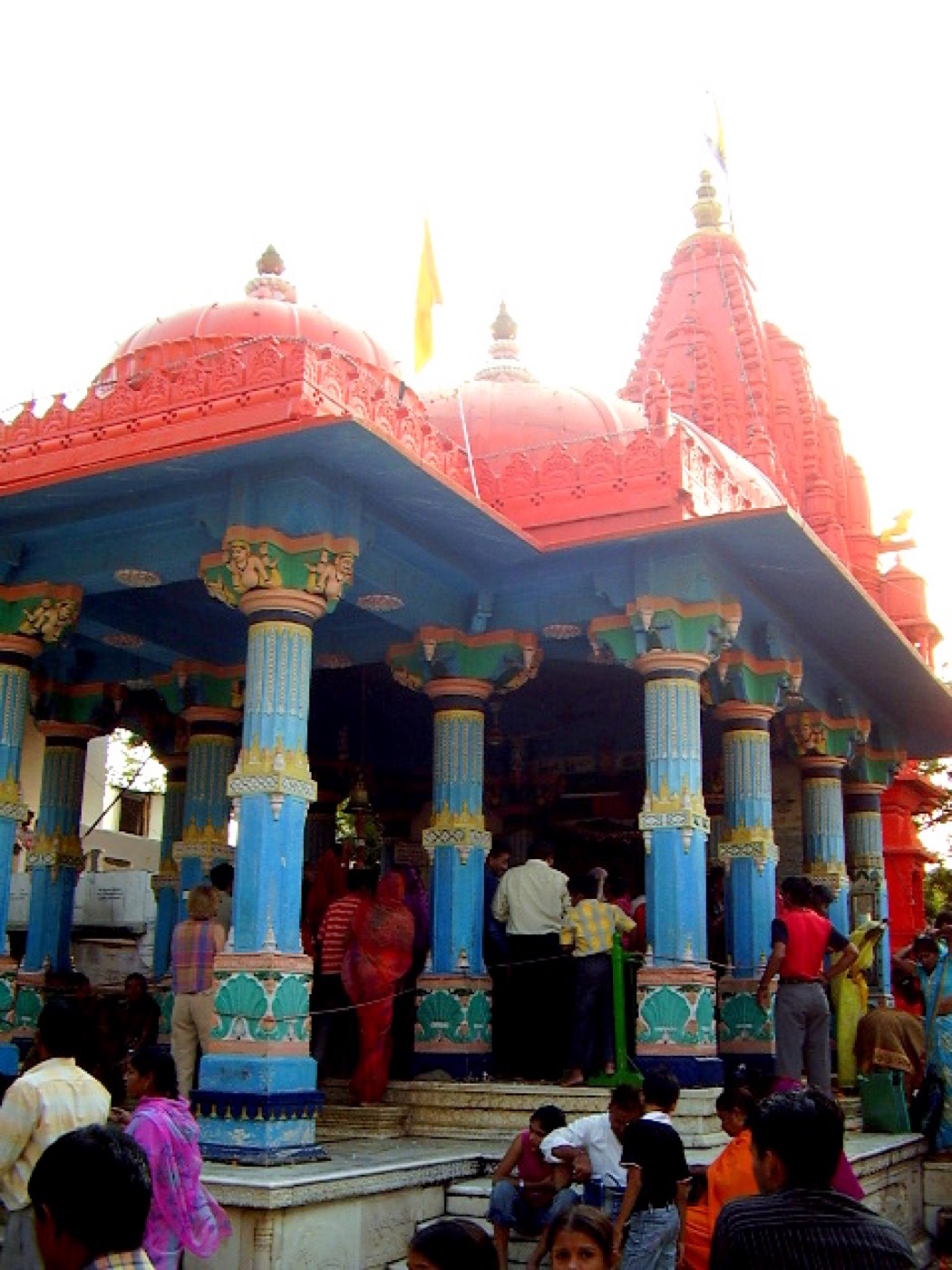
The Brahma Temple at Pushkar is one of the very few temples in India dedicated to Brahma, and Kartik Purnima is its holiest day, believed to be when Brahma performed his yajna at the lake. Pilgrims take the sacred dip at dawn and then throng the temple, a few hundred metres up through the bazaar.
The week leading up to the full moon is the Pushkar Fair, the famous camel and livestock gathering with folk music, competitions and a tent town on the fair grounds. It is the temple's heaviest footfall of the year, and rooms in Pushkar are booked out weeks ahead; Ajmer, approx 14 km away over the Pushkar Ghati, is the overflow base, about 30 to 40 minutes by road.
Practical details for the visit: winter darshan hours run approx 6:30 AM to 8:30 PM with a midday break of roughly 1:30 to 3:00 PM, and the three daily aartis are timed to the sun rather than the clock, so exact minutes drift through the season. One custom worth knowing in advance is that married householders traditionally do not enter the innermost sanctum; offerings go through the priest instead.
Kartik Purnima reopens the great climbs
Palitana is the holiest hill in Jainism, and it spends the four monsoon months of Chaturmas closed to the pilgrim climb. The reopening day is Kartik Purnima, and it is the most auspicious date of the Shatrunjaya year, with tens of thousands making the ascent. The climb is approx 3,800 stone steps, about 2 to 3 hours up, done barefoot with no leather and no food carried onto the hill, and the defining rule is absolute: everyone, priests included, must be off the hill by dusk. November to February brings cool 15 to 30 C weather, the kindest conditions a barefoot climber will get.
Girnar, across Saurashtra at Junagadh, has no formal seasonal shutdown, but the monsoon leaves its steps dangerously slippery, so November is effectively its grand reopening too. The Lili Parikrama, a five-day circumambulation of roughly 36 to 37 km around the forested massif, runs from Kartik Sud Agyaras to Poonam and draws lakhs of walkers; it begins and ends around Bhavnath Mahadev at the Taleti base. The summit pilgrimage itself is a staircase of approx 9,999 steps toward the Dattatreya peak, and winter pilgrims start between 3 and 5 AM to beat the sun; a ropeway, cited as Asia's longest, runs to the Ambaji shrine from approx 8:00 AM for those who want to spare their knees.
The two hills reward different trips. Palitana is a single concentrated ascent to a summit city of temples with strict Jain discipline; Girnar is a sprawling five-peak mountain shared by Jain and Hindu traditions, with the Parikrama as a walking festival around it. The table below puts the verified numbers side by side.
| Palitana (Shatrunjaya) | Girnar | |
|---|---|---|
| Steps | Approx 3,800 | Approx 9,999 to the Dattatreya summit |
| Climb | Roughly 3.5 km ascent, about 2 to 3 hours up | Staircase across five peaks; ropeway to Ambaji as the shortcut |
| Shrines on the hill | Around 865 | Approx 866, Jain and Hindu |
| Base and railhead | Taleti, approx 3 km from Palitana station | Girnar Taleti, approx 6 km from Junagadh Junction |
| November event | Reopens on Kartik Purnima after Chaturmas | Lili Parikrama, Kartik Sud Agyaras to Poonam |
| Rule to know | Hill vacated by dusk; barefoot, no leather, no food | Start 3 to 5 AM; some Jain shrines lock roughly 11 AM to 3 PM |
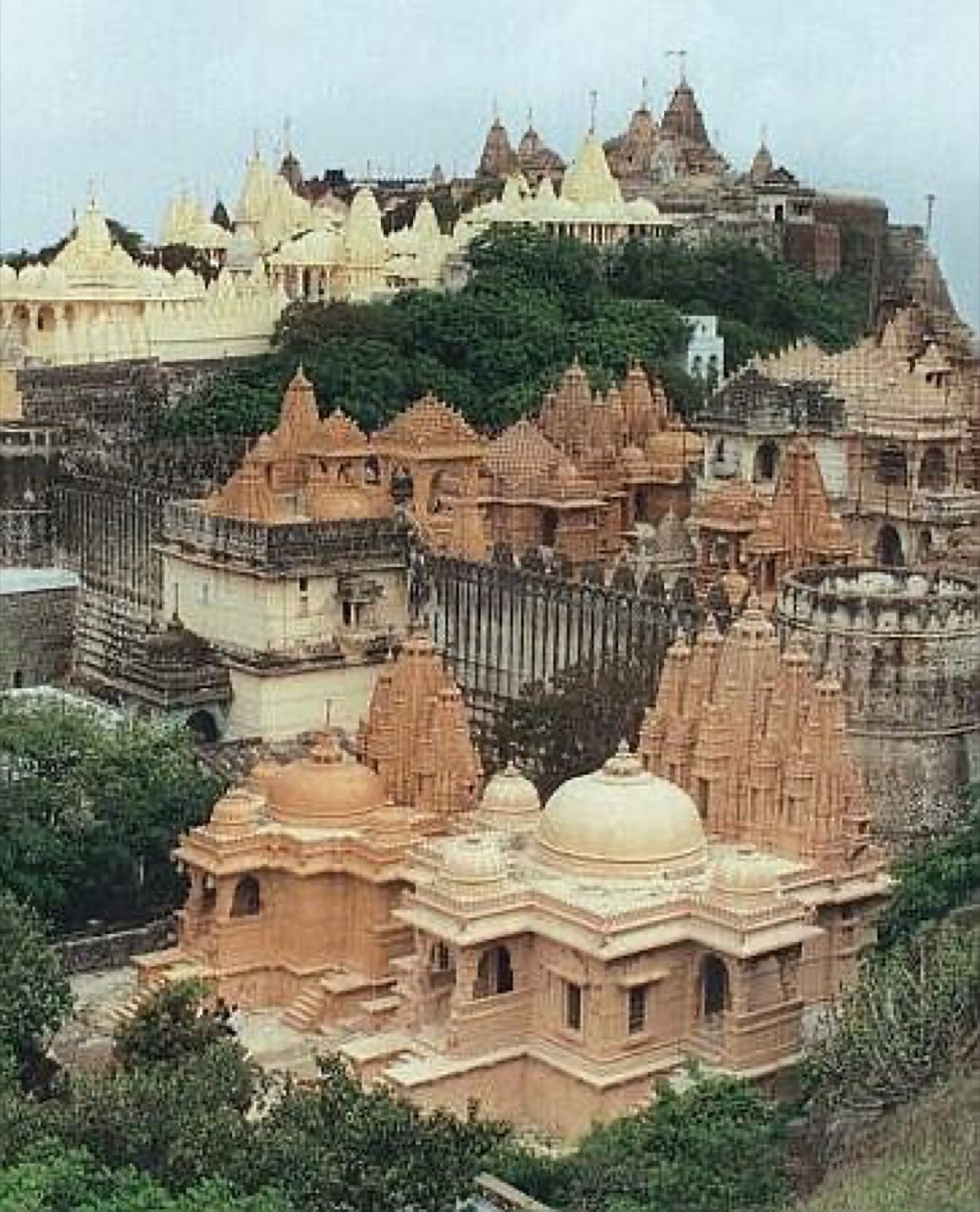
Palitana (Shatrunjaya) Jain Temples
Bhavnagar, Gujarat
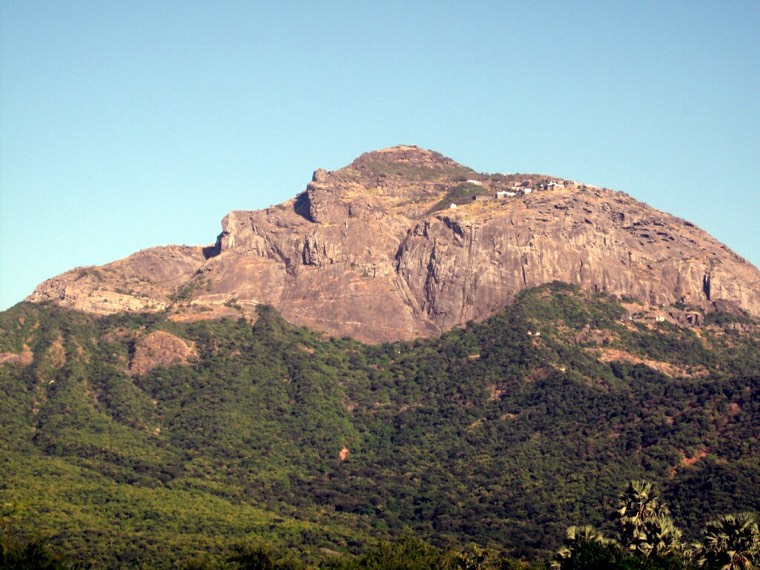
Girnar Temples (Girnar Parvat)
Junagadh, Gujarat
Annakut and the Vaishnav full moon in Gujarat
The day after Diwali, which lands in October or November, is Annakut and the Gujarati New Year, and the state's Vaishnav temples mark it with mountains of food arranged before the deity. Vadtal stages one of the most spectacular Annakut darshans, Salangpur pairs it with the Kali Chaudas night that is powerfully associated with Hanuman worship there, and Tulsishyam settles into its busy new-year pilgrim season.
Dakor is the temple to plan most carefully. Every Poonam is a pilgrimage day here, and the Kartik full moon and Diwali period bring festive darshan and special bhog. The trap that catches first-timers is the midday closure: the sanctum shuts from 12:00 PM to 4:00 PM every single day, so arrive for the morning windows that begin with Mangla Aarti at 6:45 AM, or after the 4:00 PM reopening. Dakor's own railway station is approx 1.4 km from the temple, and Ahmedabad is approx 90 km away, about a two-hour drive.
The full moon itself then belongs to the fairs. Vadtal's Kartik Purnima Samaiya brings lakhs of devotees, continuous chanting, processions and a large fair around the mandir. Shamlaji's melo, Gujarat's longest fair at roughly three weeks, reaches its final days, with Bhil and Garasiya pilgrims arriving in the tens of thousands and estimates putting attendance above two lakh across the period. Earlier in the month, on Kartik Sud 7, Virpur holds Jalaram Jayanti, the saint's birth anniversary, with a huge melo and mass Annadaan.
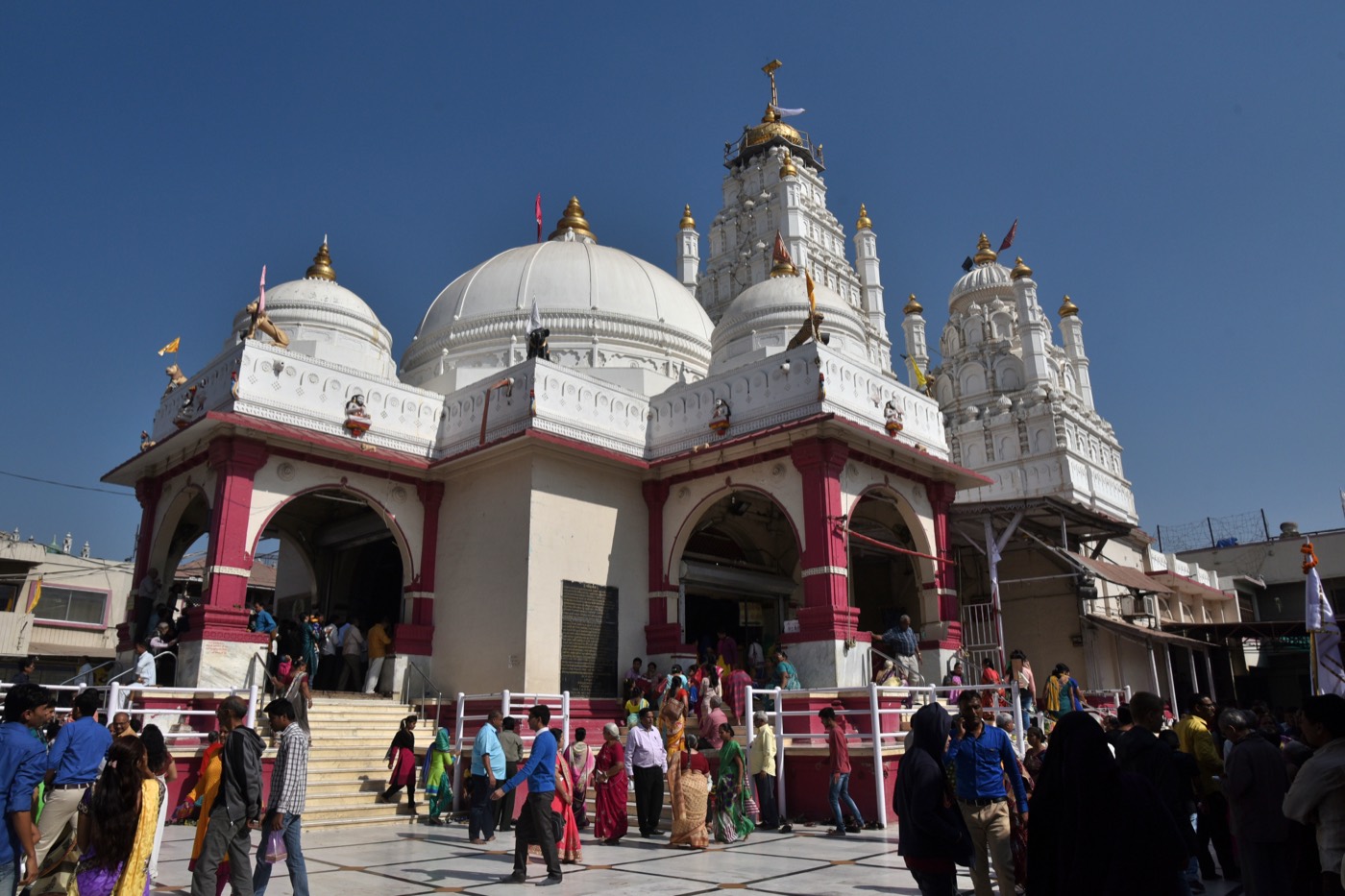
Dakor Ranchhodrai Temple (Shree Ranchhodraiji Maharaj Mandir)
Kheda, Gujarat
Sabarimala opens for the Mandala season
November's other great opening is of a different order entirely. Sabarimala is a seasonal shrine deep in the Periyar Tiger Reserve, shut for most of the year apart from short monthly openings, and its long Mandala-Makaravilakku season runs roughly mid-November to mid-January. This is when the Ayyappa pilgrimage truly begins.
It is not a temple you drop into. Pilgrims observe the 41-day vratham beforehand, a vow of vegetarian food, celibacy and daily prayer, and only a pilgrim carrying the irumudi kettu, the two-part cloth bundle of offerings, may climb the 18 holy steps to the sanctum. Dress is plain black, dark blue or saffron, and in season the virtual-Q online booking is required for darshan.
Logistics are their own discipline. All vehicles stop at Pamba, and in the peak rush private cars are held further back at Nilackal, approx 20 km short, with shuttle buses covering the last leg. From Pamba it is a barefoot forest trek of approx 5 km up to the Sannidhanam. In-season darshan runs 3:00 AM to 1:00 PM and 3:00 PM to 11:00 PM, closing each night with the Harivarasanam lullaby, and Chengannur, approx 90 km away, is the convenient railhead.
Two honest caveats. The temple traditionally admits girls under 10 and women above 50, and the legal position on this has been contested, so verify the current situation before planning. And because the opening dates follow the Malayalam calendar, they shift every year; confirm them on the official portal before travel.

The November festival calendar at a glance
Beyond the six anchors of this guide, November is dense with festivals across the country. The table gathers the verified November windows from our temple pages. Every entry is tied to a lunar or solar calendar, so read the windows as windows: the exact Gregorian date moves each year, and the official temple portals carry the final word.
| Temple | Festival | Window | What happens |
|---|---|---|---|
| Kashi Vishwanath, Varanasi | Dev Deepawali | Kartik Purnima, November | Ghats lit with lakhs of lamps; darshan pairs with the riverfront |
| Brahma Temple, Pushkar | Kartik Purnima and Pushkar Fair | Full moon of Kartik; fair the week before | Dawn dip in the lake; camel fair and tent town |
| Palitana (Shatrunjaya) | Kartik Purnima reopening | Kartik full moon, approx November | Hill reopens after Chaturmas; tens of thousands climb |
| Girnar, Junagadh | Lili Parikrama | Kartik Sud Agyaras to Poonam, November | Five-day walk of roughly 36 to 37 km; lakhs of pilgrims |
| Golden Temple, Amritsar | Guru Nanak Gurpurab | Kartik Purnima, November | Nagar kirtan, night-long kirtan and illumination over the sarovar |
| Vadtal Swaminarayan | Kartik Purnima Samaiya | Kartik Sud Poonam, November | Lakhs of devotees, processions and a large fair |
| Shamlaji | Shamlaji Melo | Kartik Sud, November | Gujarat's longest fair, roughly three weeks; above two lakh attend |
| Virpur | Jalaram Jayanti | Kartik Sud 7, usually November | The saint's birth anniversary; huge melo and mass Annadaan |
| Dharmasthala | Laksha Deepotsava | Around November (Kartika) | A lakh lamps lit across a multi-day festival |
| Guruvayur | Guruvayur Ekadasi | Vrischikam, November to December | Ekadasi Vilakku illumination and elephant procession |
| Tiruchendur | Skanda Sashti | Aippasi, October to November | Six-day Soorasamharam; lakhs of pilgrims, kavadi offerings |
| Mahalakshmi, Kolhapur | Kiranotsav | Early to mid November, approx | The setting sun's rays fall directly on the deity over three days |
What closes in November: the Himalayan shrines
The other side of the ledger is that November is when the high Himalayan shrines shut for winter. Badrinath closes around mid-November, with the exact date announced on Vijayadashami; the final darshan sees the idol wrapped in a ghee blanket before worship shifts down to the Narsingh Temple at Joshimath. Kedarnath closes around Bhai Dooj, in October or November, with the palanquin descending to Ukhimath, while Gangotri closes around Diwali, its deity carried to Mukhba, and Yamunotri follows on Bhai Dooj, two days after Diwali, wintering at Kharsali.
If you want a northern mountain shrine this month, Vaishno Devi stays open through winter, and the October to November shoulder is widely considered the most comfortable time to make the climb, with cool, clear weather once the autumn rush eases. Later in the season, snow can slow the upper stretch of the track.
| Shrine | Closes | Winter seat |
|---|---|---|
| Badrinath | Approx mid-November; date announced on Vijayadashami | Narsingh Temple, Joshimath |
| Kedarnath | Around Bhai Dooj, October or November | Omkareshwar Temple, Ukhimath |
| Gangotri | Around Diwali, approx early November | Mukhba village |
| Yamunotri | Bhai Dooj, two days after Diwali | Kharsali |
One itinerary: a Kartik week in Gujarat
Gujarat is the natural November circuit because a single full moon serves four of its great occasions: Dakor's Poonam crowds, Palitana's reopening climb, the Girnar Parikrama and the Kartik Purnima fair at Somnath, where diyas, stalls and cultural programmes fill the temple grounds by the sea. They overlap on the same night, so you cannot stand at all of them; pick the one that matters most to you for the Purnima itself and let the others fall in the days before or after.
A workable shape for the week looks like this, using only road legs our temple pages carry.
- Day 1: Land in Ahmedabad and drive to Dakor, approx 90 km and about two hours. Arrive before the sanctum's 12:00 PM close or wait for the 4:00 PM reopening, and walk the Gomti lakefront in the evening.
- Day 2: Cross to Palitana; from Ahmedabad the run is approx 215 km, roughly 4 to 5 hours by road. Sleep in a dharamshala on Taleti Road, close to the base of the steps.
- Day 3: Climb Shatrunjaya at first light, approx 3,800 steps and about 2 to 3 hours up. Be back down with daylight to spare, since the hill must be empty by dusk.
- Day 4: Drive to Junagadh; sources put the Palitana to Girnar leg at approx 175 to 200 km. In the evening, catch the aarti at Bhavnath Mahadev near the Taleti base, held at approx 7:00 PM.
- Day 5: Girnar day. Start between 3 and 5 AM for the steps, or ride the ropeway to Ambaji from approx 8:00 AM and walk on to the higher shrines.
- Day 6: Continue to Somnath, approx 90 km, for the seafront Jyotirlinga and, in Kartik Purnima week, the fair on the temple grounds.
Dakor Ranchhodrai Temple (Shree Ranchhodraiji Maharaj Mandir)
Kheda, Gujarat
Palitana (Shatrunjaya) Jain Temples
Bhavnagar, Gujarat
Girnar Temples (Girnar Parvat)
Junagadh, Gujarat
Frequently asked questions
Which are the best temples to visit in November in India?
Is Sabarimala open in November?
When is Kartik Purnima and why does it matter for temple visits?
Is Palitana temple open in November?
What is the Girnar Lili Parikrama and when does it happen?
Can I visit Badrinath or Kedarnath in November?
Compiled from our verified temple guides and public sources including Shri Kashi Vishwanath official portal - Important Parvas · Wikipedia: Palitana temples · DeshGujarat - Girnar Lili Parikrama dates · Kerala Tourism, Sabarimala rituals and how to reach · Official temple site - Purnima and Utsav. Timings and festival dates shift with the lunar calendar; confirm before you travel.