
Darshan timings at Karni Mata
| Season | Opens | Darshan | Closes | Status |
|---|---|---|---|---|
| Winter (Oct-Mar) | approx 4:00 AM | Continuous through the day | approx 10:00 PM | Open |
| Summer (Apr-Sep) | approx 4:00 AM | Continuous through the day | approx 10:00 PM | Open |
Read the full Timings & Darshan Hours →
How to reach Karni Mata Temple (Rat Temple), Deshnoke
Deshnoke sits on the Bikaner-Nagaur highway (NH-89 corridor), roughly 30 km south of Bikaner, so most pilgrims base themselves in Bikaner and make a short half-day trip. All distances below are approx.
| Mode | Point | Distance | Notes |
|---|---|---|---|
| Air | Bikaner (Nal) Airport | approx 35 km | Nearest airport, with limited flights. Jodhpur Airport (approx 250 km) and Jaipur (approx 330 km) are better connected for most travellers. |
| Train | Deshnoke Railway Station | approx 1 km | The town has its own small station on the Bikaner line, though only limited trains halt. Bikaner Junction (approx 30 km) is the reliable major railhead. |
| Road | Bikaner city | approx 30 km | Frequent state buses, shared jeeps and taxis run down the Bikaner-Nagaur road; the drive takes roughly 40-50 minutes. Ample parking near the temple. |
Puja & aarti schedule
- Mangla Aarti (morning) at/after the temple opens, with the first bhog offered to the goddessapprox 5:00 AM
- Rajbhog / bhog offering; the kabas swarm the milk bowls and prasad, a sight pilgrims wait forMidday
- Sandhya (evening) Aarti as lamps are lit across the courtyardapprox 7:00 PM
Read the full Aarti & Puja Schedule →
Dress code & temple rules
Remove footwear before entering; you will walk barefoot across the marble floor and directly among the rats, so socks are commonly worn for comfort and hygiene
Dress modestly and conservatively; cover shoulders and legs, as at any active Hindu shrine
Never step on, kick or harm a kaba (temple rat); by tradition, killing one must be atoned for by replacing it with a rat made of solid gold or silver
If a rat runs across your feet, treat it as good fortune rather than recoiling; it is considered a blessing
Spotting one of the rare white rats is regarded as especially auspicious, a glimpse of the goddess and her sons
Prasad and food nibbled by the kabas is considered sanctified (juthan) and is eaten by devotees as holy
Move slowly and keep noise down out of respect; the rats are unafraid and underfoot everywhere
Photography is generally allowed in the courtyard, but avoid flash near the animals and check current on-site rules
Read the full Dress Code & Temple Rules →
Best time to visit & festivals
Deshnoke bakes in the Thar summer, so the comfortable window is the cool season from October to March. The temple's two great fairs, both during Navratri, are the spiritual high points and draw pilgrims on foot from across Rajasthan, Gujarat, Haryana and Madhya Pradesh.
| Festival | When | Significance |
|---|---|---|
| Chaitra Navratri Karni Mata Fair (Mela) | March-April (Chaitra Shukla Ekam to Dashmi) | The larger of the two annual fairs; thousands walk to Deshnoke and the temple stays alive with worship, music and processions across the nine days. Peak |
| Ashwin Navratri Karni Mata Fair | September-October (Ashwin Shukla to Dashmi) | The second Navratri mela, timed with the autumn Durga festival; equally sacred though slightly smaller than the spring fair. Peak |
| Winter pilgrimage season | October to March | Best general weather for darshan and for combining the trip with Bikaner's forts and havelis. |
Read the full Best Time to Visit & Festivals →
Nearby temples & tirths

Salasar Balaji
Beardless Hanuman shrine and one of Rajasthan's most-visited pilgrim towns
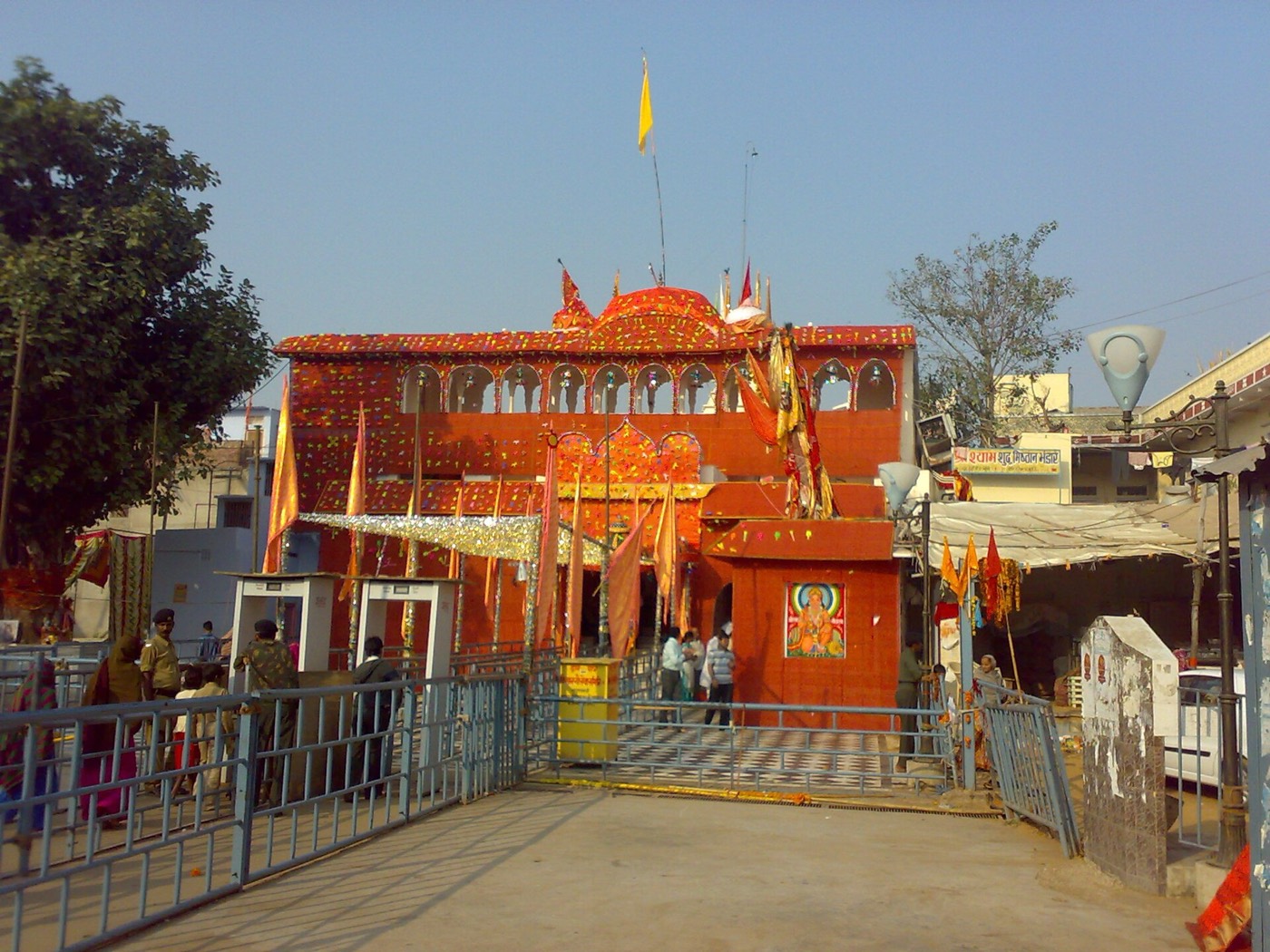
Khatu Shyam Temple
The Kali-yuga Shyam Baba shrine that draws enormous Shekhawati crowds
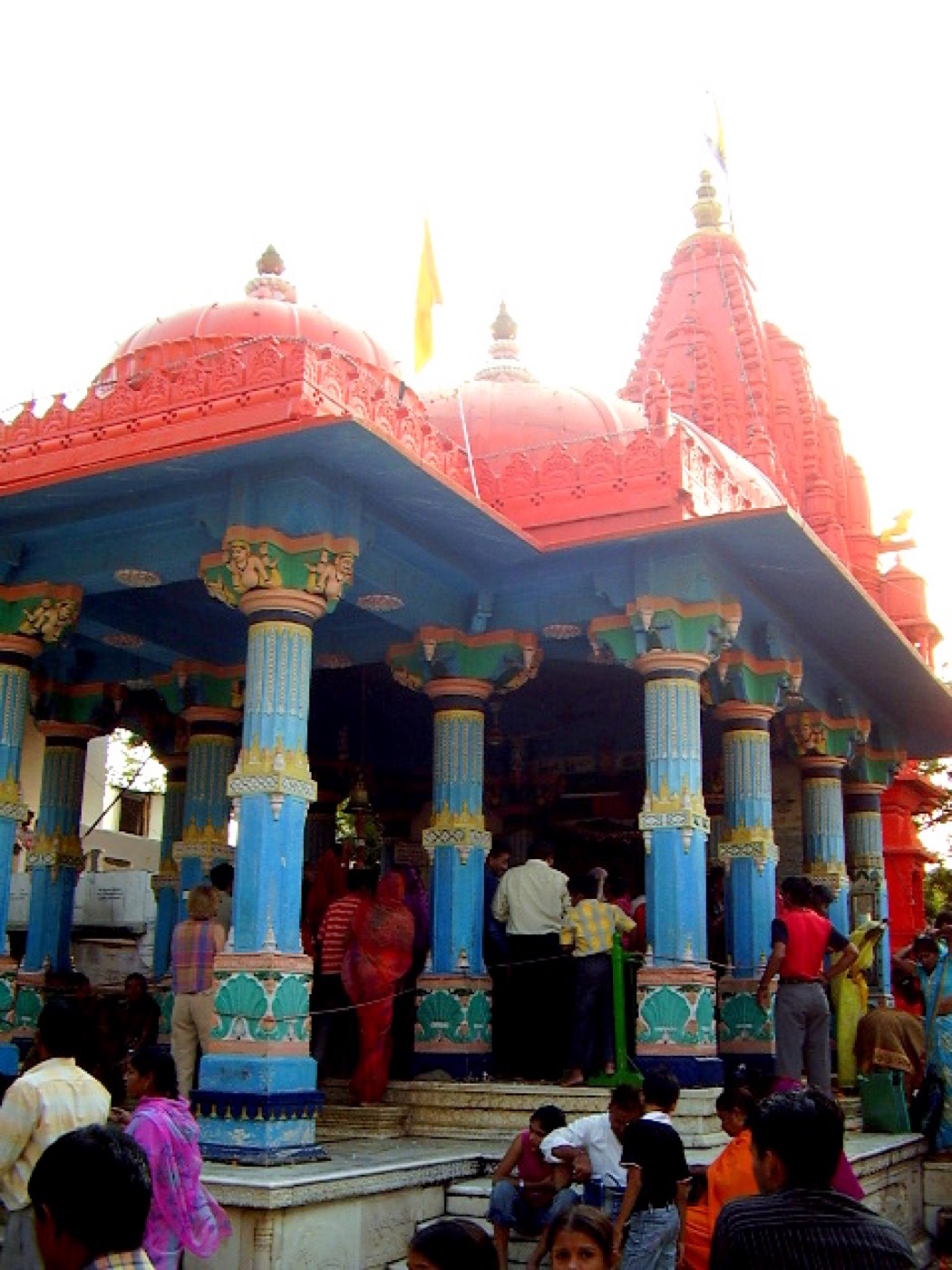
Brahma Temple, Pushkar
One of the very few temples to Lord Brahma, beside the holy Pushkar lake
Read the full Nearby Temples & Tirths →
Where to stay
Deshnoke itself has only basic dharamshalas, trust lodging and a few simple guest houses and dhabas around the temple, enough for a night if you want the early Mangla Aarti. Most pilgrims and tourists stay in Bikaner (approx 30 km), which offers the full range from budget hotels near Bikaner Junction to heritage properties such as Lallgarh Palace and Laxmi Niwas. Basing in Bikaner and driving down for a morning darshan is the common pattern; during the Navratri fairs, book well ahead as both towns fill up.
Frequently asked questions
Karni Mata temple Deshnoke timings today
Why are there rats in Karni Mata temple
Nearest railway station to Karni Mata temple Deshnoke
Is Karni Mata temple open during Navratri
Is there an entry fee for Karni Mata temple
Compiled from public sources including Wikipedia: Karni Mata · Wikipedia: Karni Mata Temple (Deshnoke) · Wikipedia: Deshnoke · Tour My India: Karni Mata Temple. Timings and seasonal closures change; confirm with the temple trust before travelling.