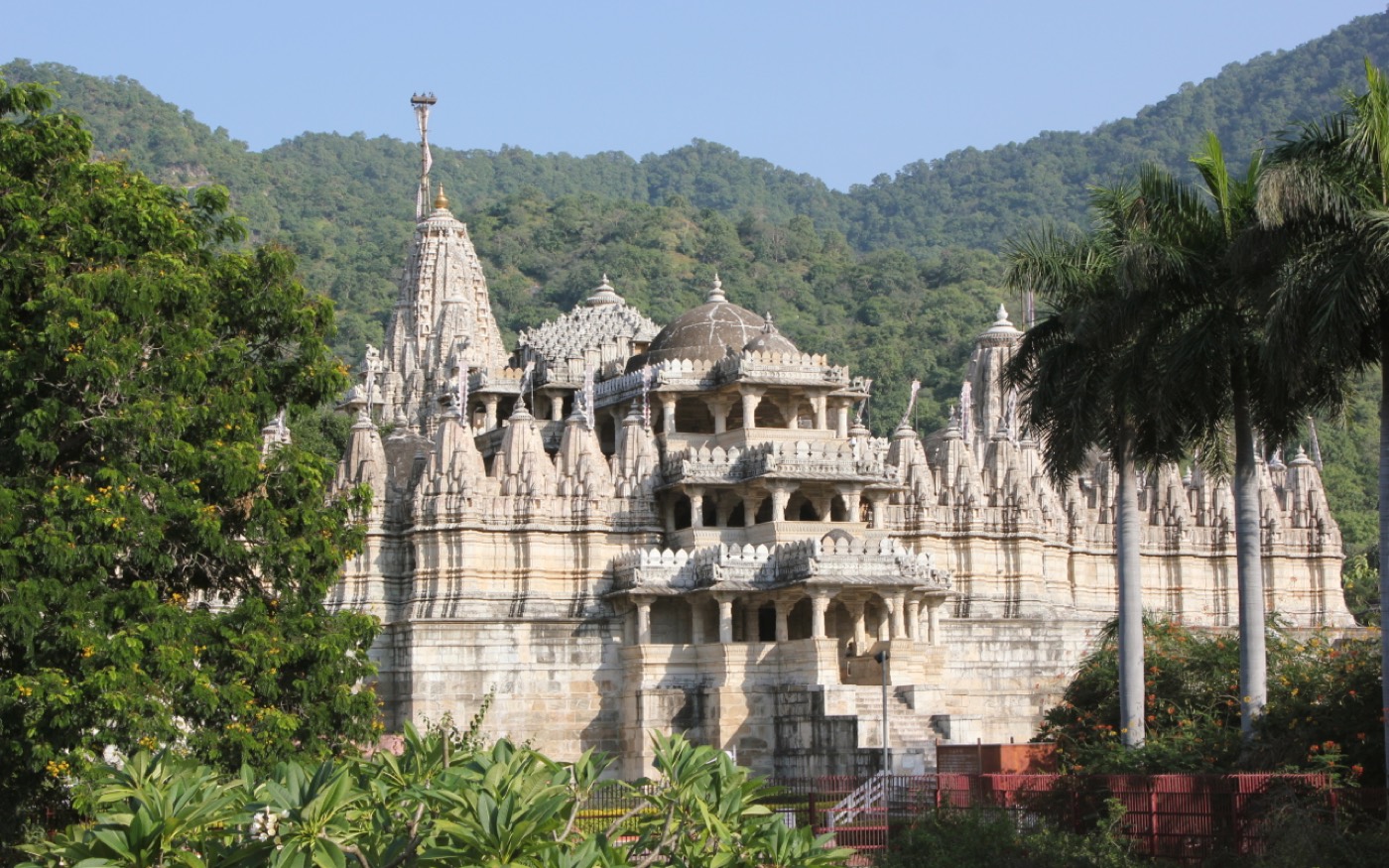
Darshan timings at Ranakpur Jain
| Season | Opens | Darshan | Closes | Status |
|---|---|---|---|---|
| Devotees (Jain puja) | approx 6:30 AM | Morning reserved for worship, abhishek and puja through the forenoon | Puja concludes by late morning | Open |
| Non-Jain visitors / tourists | 12:00 noon | Non-Jains admitted only from midday, after the morning rituals end | 5:00 PM | Open |
| Complex hours (broad) | approx 6:30 AM | Outer complex and grounds accessible across the day | approx 7:00 PM | Open |
Read the full Timings & Darshan Hours →
How to reach Ranakpur Jain Temple
Ranakpur sits in the Aravallis between Udaipur and Jodhpur, off the Sadri road. There is no station in the village itself, so most pilgrims arrive by road from Falna, Udaipur or Jodhpur. The final stretch winds through forested hills, so allow more time than the kilometre figure suggests.
| Mode | Point | Distance | Notes |
|---|---|---|---|
| Nearest railway station | Falna Junction | approx 35 km | The usual railhead, on the Ajmer-Mount Abu line with good connections; taxis and jeeps run to Ranakpur in about an hour. Rani station is a shade further at approx 39 km. |
| Nearest airport | Maharana Pratap Airport, Udaipur (Dabok) | approx 90 km | Nearest airport with regular flights; the Dabok terminal is east of Udaipur, so road time is roughly 2.5 to 3 hours. Distance is approx and route-dependent. |
| Road from Udaipur | Udaipur city | approx 91 km | The most popular base; a scenic 2.5 to 3 hour drive north through the Aravalli passes, often paired with Kumbhalgarh Fort on the same route. |
| Road from Jodhpur | Jodhpur city | approx 162 km | Roughly 3.5 to 4 hours by road; a common day-trip or overnight halt when travelling the Marwar circuit. |
| Nearest town | Sadri | approx 10 km | The closest municipality for basic supplies, ATMs and onward jeeps; also the base for the Gorwad Panch Tirth Jain shrines. |
Puja & aarti schedule
- Temple opens; prakshal / abhishek (ritual bathing of the idols) and morning puja begin, performed by and for Jain devoteesapprox 6:30 AM onwards
- Main puja and seva continue; this window is closed to non-Jain sightseersForenoon
- Doors open to non-Jain visitors and tourists for darshan and viewing12:00 noon
- General visitor entry closes; evening aarti and lamp rituals follow for devotees5:00 PM
Read the full Aarti & Puja Schedule →
Dress code & temple rules
Dress modestly: shoulders and knees covered for both men and women. Shorts, short skirts and sleeveless tops draw objection at the sanctum.
Remove all leather items before entering: shoes, belts, wallets, handbags and camera straps made of leather are not allowed inside, in keeping with Jain ahimsa (non-violence).
Footwear is left at the entrance; the marble can be hot at midday, so socks help.
Menstruating women are traditionally requested not to enter the inner temple, a common Jain custom observed here.
Do not carry or eat food, chewing gum or leather tiffin bags inside; no smoking or tobacco anywhere in the complex.
Maintain silence and calm in the sanctum; photography of the main idols may be restricted even after buying a camera ticket, so check at the gate.
A photography ticket (approx Rs 100 for a still camera) is bought at the counter; darshan itself is free.
Read the full Dress Code & Temple Rules →
Best time to visit & festivals
October to March is the window: the desert-edge climate is mild, winter days sit around 11 to 20 degrees C, and the marble is walkable underfoot. Summers are harsh and the monsoon, while turning the surrounding hills green, brings humidity. Come on a weekday morning-into-noon to catch the light moving through the pillar halls without festival crowds.
| Festival | When | Significance |
|---|---|---|
| Mahavir Janma Kalyanak (Mahavir Jayanti) | March or April (Chaitra Shukla Trayodashi) | The birth of Bhagwan Mahavir, the 24th Tirthankara; the tirth sees its biggest devotee gathering, special puja and processions. Peak |
| Ranakpur Festival | Usually October or February (state tourism dates vary) | A Rajasthan Tourism cultural festival near the temple with folk and classical performances, crafts and rural sport; good for atmosphere, not a religious rite. |
| Paryushan / Das Lakshana | August or September | The most important Jain period of fasting, forgiveness and intense worship; devotees observe austerities and puja intensifies at the tirth. |
| Kartik Purnima | November | An auspicious full-moon day for Jain pilgrimage and temple visits, drawing added devotees to the Gorwad tirths. |
Read the full Best Time to Visit & Festivals →
Nearby temples & tirths
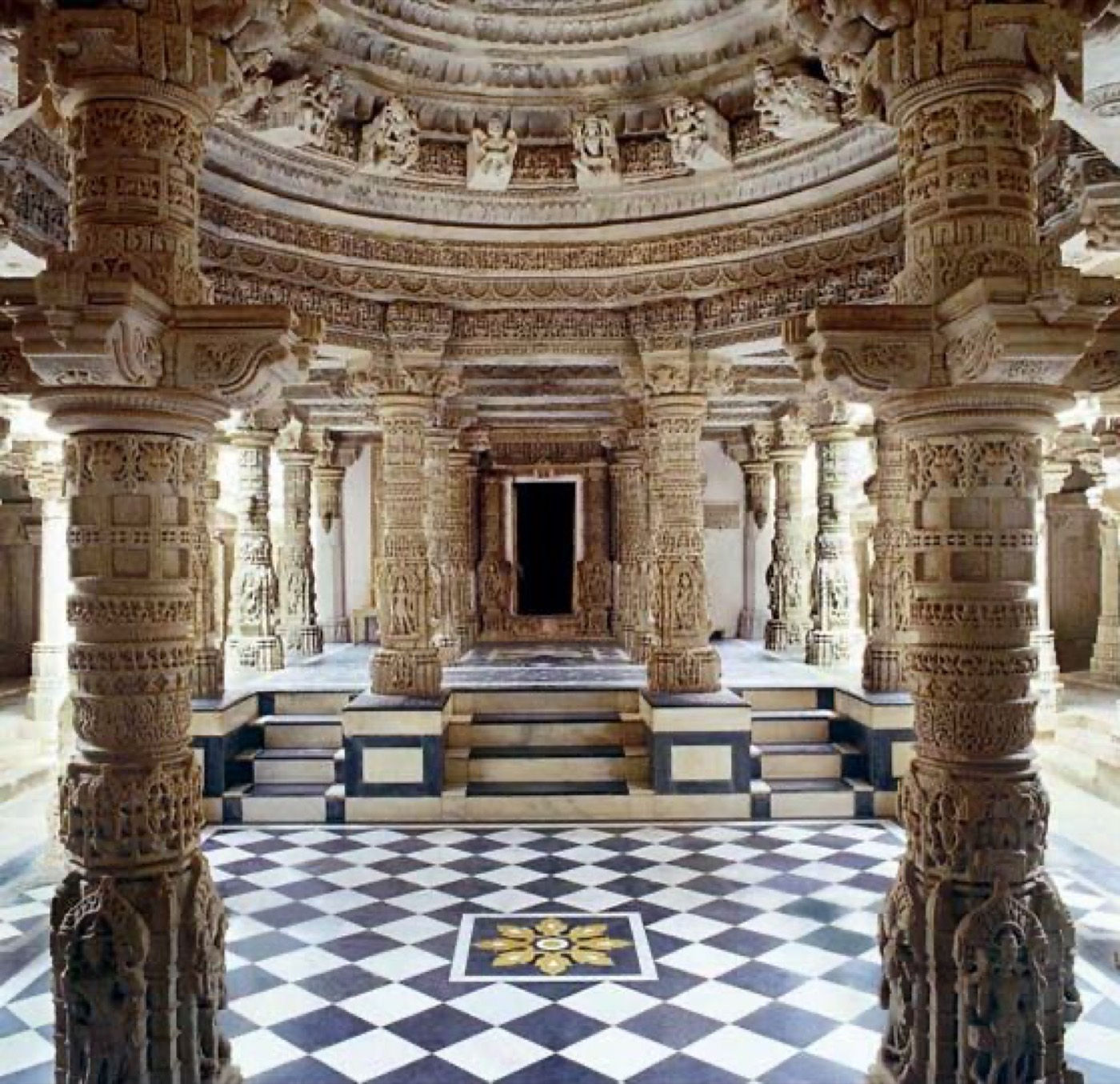
Dilwara Temples, Mount Abu
The other marvel of Svetambara marble carving in Rajasthan; a natural pairing with Ranakpur for Jain pilgrims.
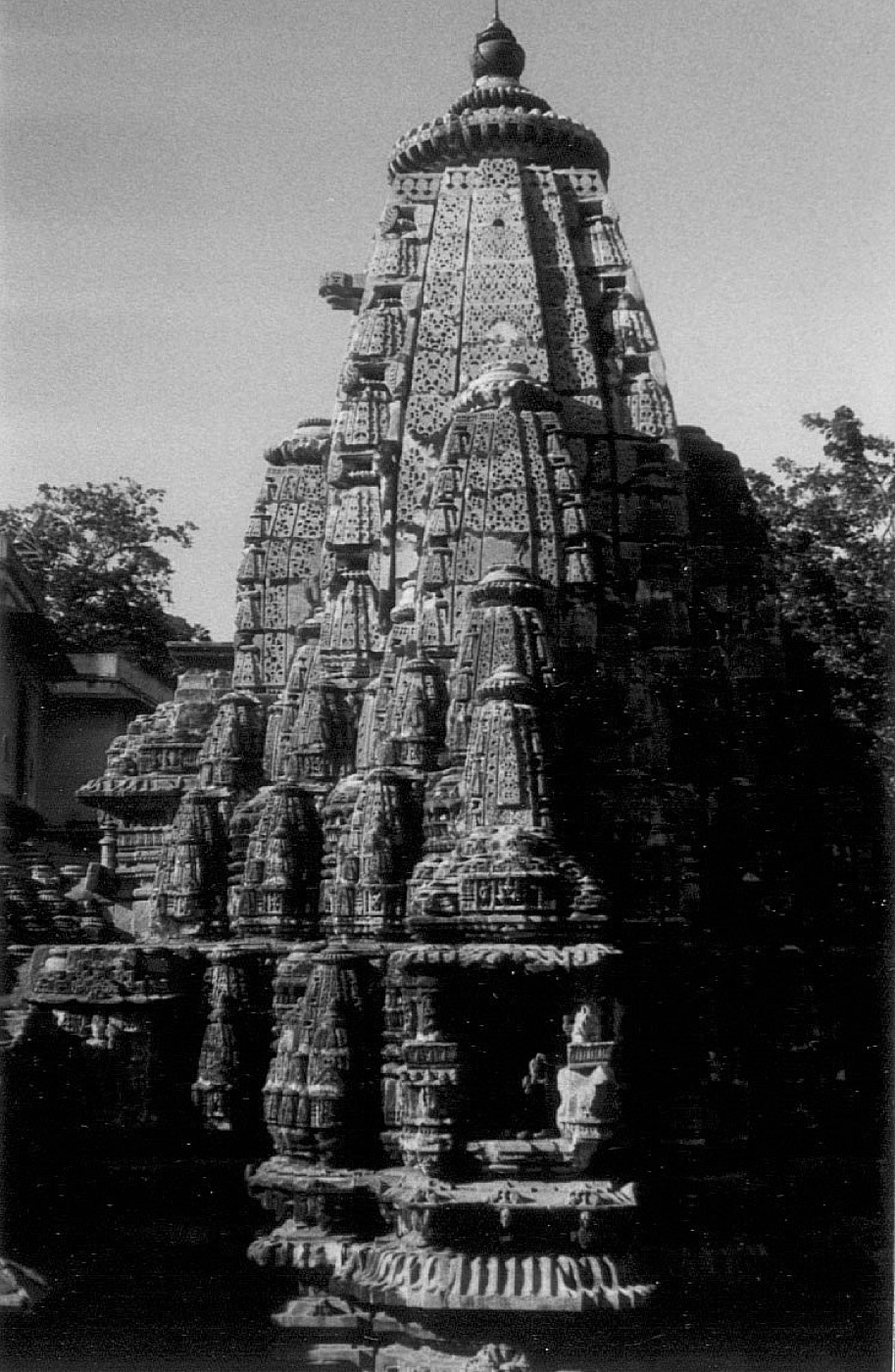
Eklingji Temple
The Shiva tutelary deity of Mewar's rulers, on the Udaipur road; easy to fold into the same trip.
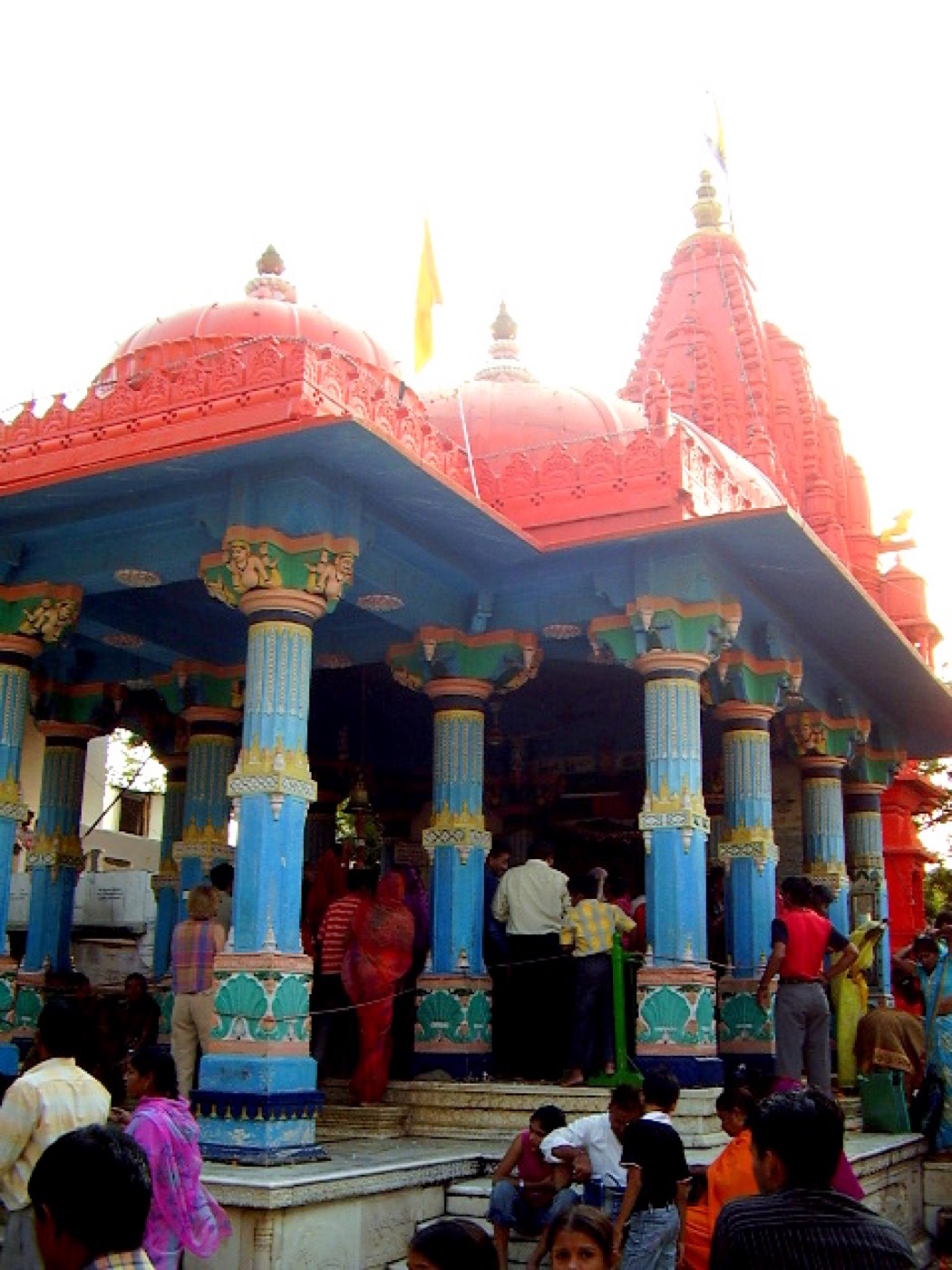
Brahma Temple, Pushkar
The rare temple to Brahma beside the sacred Pushkar lake, further north on the Ajmer route.
Read the full Nearby Temples & Tirths →
Where to stay
Most pilgrims stay in the Ranakpur-Sadri belt or use Udaipur as a base. The Anandji Kalyanji Trust runs a dharamshala and bhojanshala (simple Jain thali dining) beside the temple for devotees, which is the traditional pilgrim option. For hotels and resorts nearby, Ranakpur Nature Retreat, Ranakpur Safari Resort, Maharani Bagh Orchard Retreat and Fateh Bagh sit within a short drive, while heritage stays like Rawla Narlai lie about an hour away. Many visitors simply day-trip from Udaipur (approx 91 km) or halt en route to Kumbhalgarh.
Frequently asked questions
Ranakpur Jain Temple timings today
Nearest railway station to Ranakpur Jain Temple
Is Ranakpur Jain Temple open to non-Jains and tourists?
How far is Ranakpur from Udaipur?
What is the dress code at Ranakpur Jain Temple?
Compiled from public sources including Wikipedia: Ranakpur Jain temple · Wikipedia: Ranakpur (village) · Wikimedia Commons: Chaumukha Jain temple photo (Nagarjun Kandukuru, CC BY 2.0) · Holidify: Ranakpur travel guide. Timings and seasonal closures change; confirm with the temple trust before travelling.