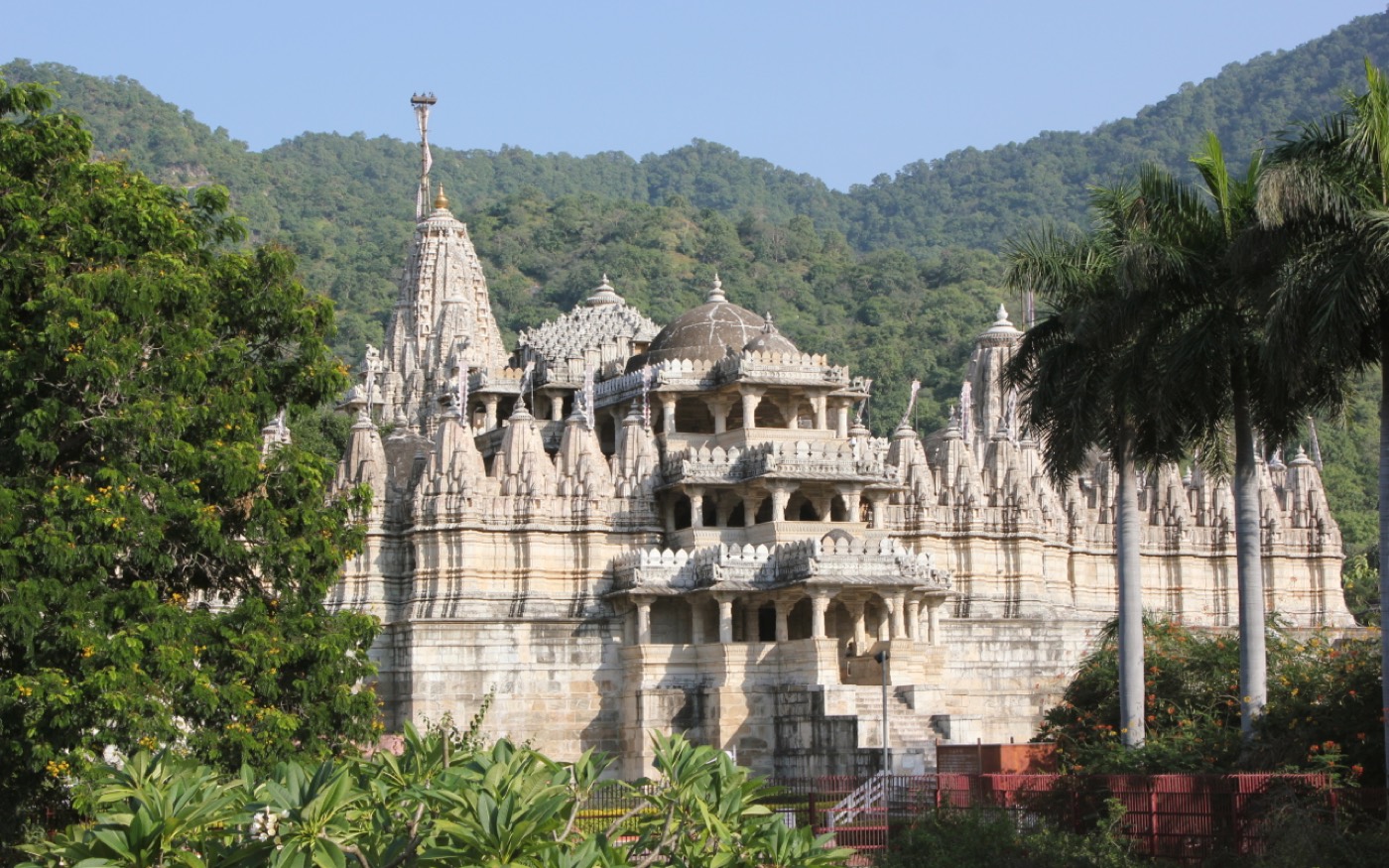
Search for temples near Udaipur and you will get lists of twenty. In practice, three earn the journey and the planning: Eklingji, home of the four-faced Shiva who is formally the sovereign of Mewar, approx 22 km north of the city; Ranakpur, a fifteenth-century Jain temple of 1,444 carved pillars in the Aravalli hills approx 91 km away; and the Dilwara temples at Mount Abu, approx 165 km out, where the marble ceilings are cut thin enough for light to pass through the petals.
The catch is that the three run on entirely different clocks. Eklingji opens in three fixed darshan blocks with long closures between them. Ranakpur and Dilwara both reserve their mornings for Jain worship and admit general visitors only from noon. Turn up at the wrong hour at any of them and you will wait outside, sometimes for hours, which is why this guide is organised around timings before anything else.
Everything below comes from published temple and travel sources, not from a promise. Distances on these hill roads are approximate, temple hours shift on festival days, and the two Jain trusts do not publish minute-by-minute schedules, so treat the figures here as reliable planning numbers and confirm locally on the day.
The three temples at a glance
Geography first. Eklingji sits at Kailashpuri village on NH-48, the Nathdwara road, an easy 35 to 45 minute drive north of Udaipur. Ranakpur lies in a wooded fold of the Aravallis in Pali district, approx 91 km from the city, a scenic drive of 2.5 to 3 hours through the passes. Dilwara stands above the plains at Mount Abu, Rajasthan's only hill station at approx 1,220 m, reached by the ghat road from Abu Road; from Udaipur the drive is approx 165 km.
The table below compresses what matters for planning: how far each temple is, when you can actually get in, and what happens to your camera. The visiting windows differ so sharply that the right order of the trail usually decides itself.
| Temple | From Udaipur by road | Visitor window | Photography | Entry |
|---|---|---|---|---|
| Eklingji | approx 22 km | 4:30 to 6:30 am, 10:30 am to 1:30 pm, 5:30 to 8:00 pm | Prohibited; phones and cameras deposited at the entrance | Free, no ticket |
| Ranakpur | approx 91 km | Non-Jain visitors 12 noon to 5:00 pm; devotee puja from approx 6:30 am | Still-camera ticket approx Rs 100; idol photography may still be restricted | Darshan free |
| Dilwara, Mount Abu | approx 165 km | Non-Jains 12:00 noon to 6:00 pm; Jain worship from approx 6:00 am | Strictly prohibited inside all five shrines | Free |
Eklingji: the half day from Udaipur
Eklingji is the closest of the three and the easiest to misjudge. The temple runs in three fixed blocks, 4:30 to 6:30 am, 10:30 am to 1:30 pm and 5:30 to 8:00 pm, with the sanctum closed through mid-morning and all afternoon. A traveller who arrives at two in the afternoon faces a wait of several hours, so build the visit around a block rather than around your own convenience.
The temple repays the discipline. This is the tutelary deity of Mewar, a four-faced black-stone Shiva behind silver sanctum doors, traced to the eighth-century ruler Bappa Rawal and rebuilt by Rana Kumbha in the 1460s, at the heart of a walled complex of 108 shrines. Entry is free with no ticket. Monday, Shiva's day, carries particular weight here, and the Mewar royal family is traditionally said to visit then.
Of the day's aartis, the ones open to the public are the 5:30 am opening aarti, the 11:30 am aarti inside the daytime block, and the 5:00 pm and 6:30 pm evening aartis; the rest are performed by priests during the closed hours. The evening aarti, with the silver doors open, is the most atmospheric choice. Most visitors fold Eklingji into a loop with Nathdwara, approx 26 km further north, and the old Nagda temples nearby; buses heading toward Nathdwara stop at Kailashpuri if you are travelling without a car.
Ranakpur: the noon rule and the drive
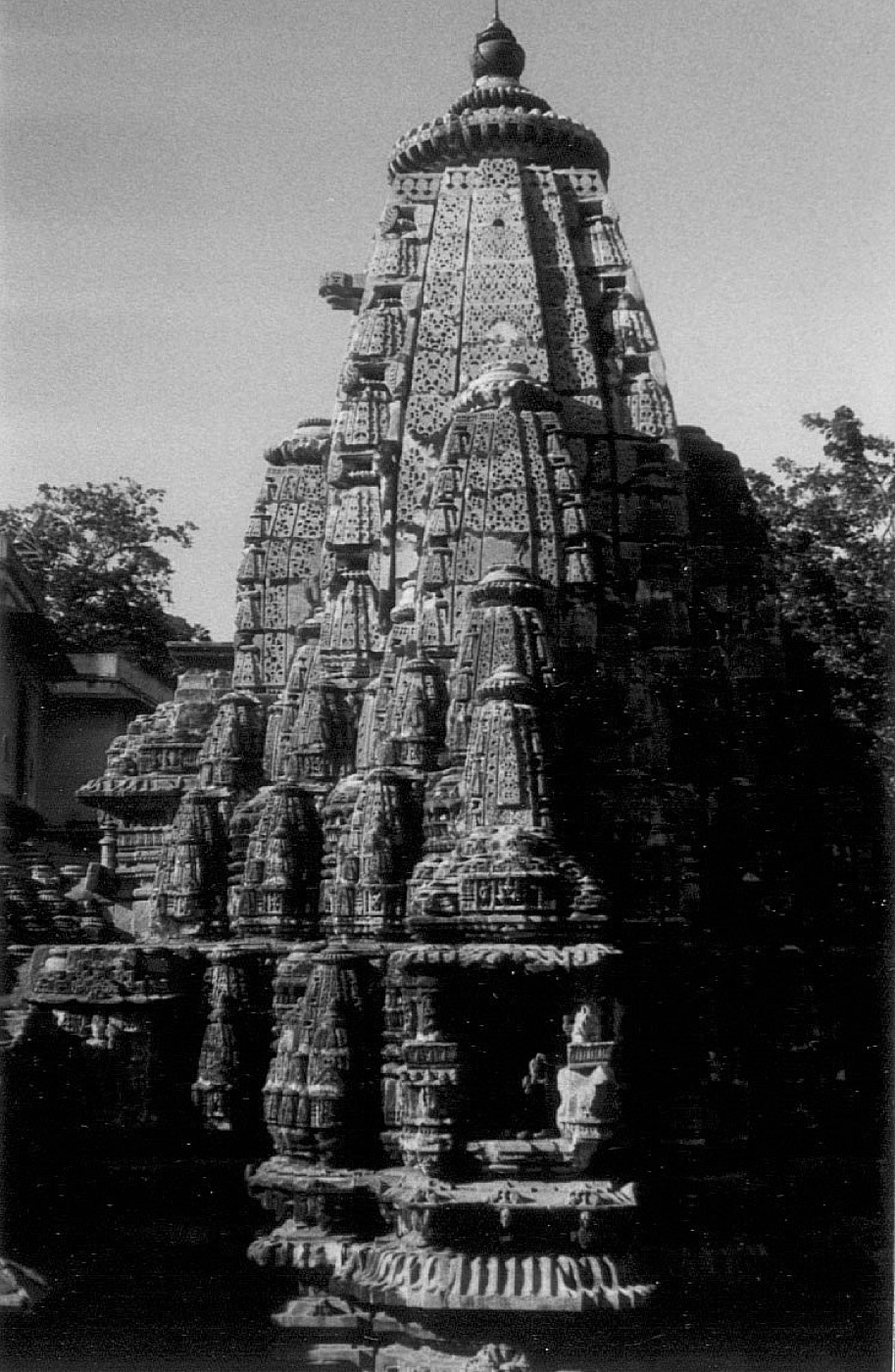
Ranakpur teaches the single most important timing lesson on this trail. The mornings belong to Jain puja and abhishek, and non-Jain visitors are admitted only between roughly 12 noon and 5:00 pm. Do not arrive at nine expecting entry; you will sit outside while worship you cannot attend continues within. Devotee worship begins from approx 6:30 am, and the outer grounds stay accessible until approx 7:00 pm.
What waits inside is the Chaturmukha Dharana Vihara, one of the five great Svetambara tirths, begun in 1389 under Rana Kumbha, funded by the merchant Dharna Shah and designed by the architect Depaka. It spreads over roughly 48,000 square feet, with 29 halls, 80 domes and the count that made it famous, 1,444 carved marble pillars of which no two are identical. The main image is a four-faced Adinath of approx 6 ft facing the four directions. The light through the pillar halls changes hour by hour, which is a genuine reason to linger rather than a guidebook line.
Getting there takes longer than the map suggests. From Udaipur it is approx 91 km but 2.5 to 3 hours, since the final stretch winds through forested hills. The nearest railhead is Falna Junction, approx 35 km away and about an hour by jeep or taxi; Sadri, the closest town for supplies and ATMs, is approx 10 km. Travellers continuing across Marwar often pair the temple with Kumbhalgarh Fort on the same route, and Jodhpur lies roughly 3.5 to 4 hours on at approx 162 km, which is why Ranakpur works so well as the halt on an Udaipur to Jodhpur transfer.
Dilwara: worth the Mount Abu overnight
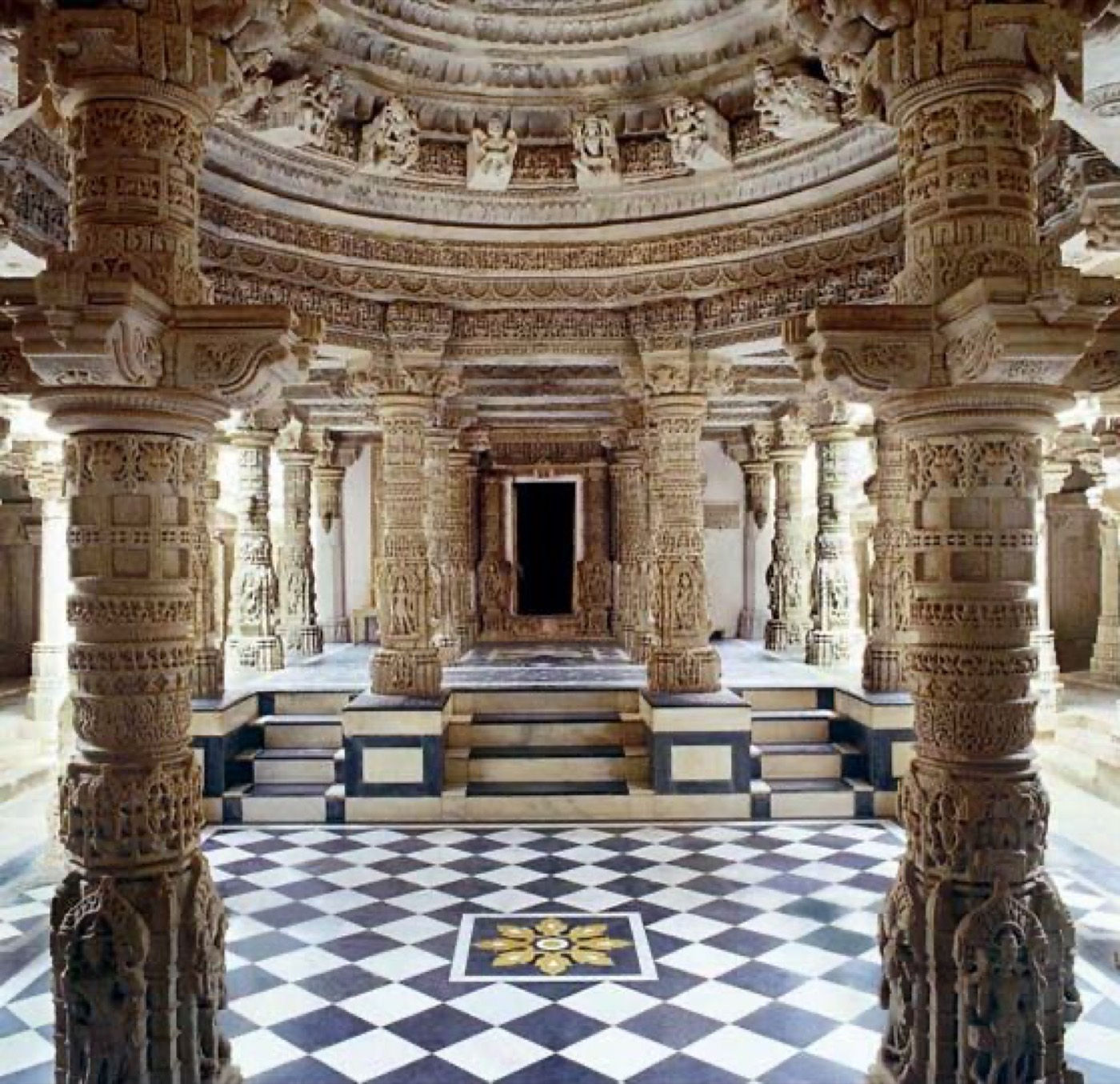
Dilwara is the farthest of the three and the one that should not be rushed. The group is five Shvetambara shrines built between 1031 and 1582 CE. Vimal Vasahi, raised in 1031 by the minister Vimal Shah, and Luna Vasahi of 1230, built by the brothers Vastupal and Tejpal, are the celebrated pair, with ceilings and lotus pendants cut so fine that light passes through the thinner petals. Entry is free.
The same noon rule applies here, slightly extended: non-Jain visitors are admitted from 12:00 noon to 6:00 pm, with the morning reserved for Jain worship from approx 6:00 am. Last entry falls well before closing, so plan to be at the gate by 4:30 to 5:00 pm at the latest. The temples sit approx 2.5 km from Mount Abu town, a short ride by shared taxi or auto.
The practical consequence is an overnight. From Udaipur the road is approx 165 km, and the nearest station, Abu Road on the Delhi to Ahmedabad main line, is still approx 28 km below the town by ghat road. Arriving the previous evening, sleeping in Mount Abu and walking into Dilwara at noon beats a long same-day dash, and the hill station's cool air at approx 1,220 m is its own reward after the plains.
Four honest day plans
Here is how the trail actually breaks into days. None of these plans needs a dawn start except the Eklingji morning block, and each one respects the visiting windows above rather than fighting them.
Trying to combine the two Jain temples in a single day defeats itself. Both admit general visitors only from midday, so their windows overlap rather than chain, and whichever you reach second will be closing as you arrive. Give them a day each, or fold Ranakpur into the Jodhpur transfer and Dilwara into a Mount Abu night.
| Plan | The route | How it works |
|---|---|---|
| Half day: Eklingji | Udaipur to Kailashpuri, approx 22 km each way | 35 to 45 minutes by taxi on NH-48; aim for the 10:30 am to 1:30 pm block or the evening block from 5:30 pm; many continue approx 26 km to Nathdwara |
| Full day: Ranakpur | Udaipur to Ranakpur, approx 91 km each way | 2.5 to 3 hours per leg through the Aravalli passes; time your arrival for the 12 noon opening for non-Jains and leave before the 5:00 pm close |
| En route to Jodhpur | Udaipur to Ranakpur approx 91 km, then on to Jodhpur approx 162 km | Break the journey at the temple inside the noon to 5:00 pm window; Jodhpur is roughly 3.5 to 4 hours from Ranakpur by road |
| Overnight: Mount Abu | Udaipur to Mount Abu, approx 165 km | Stay in town approx 2.5 km from Dilwara and take the 12 noon to 6:00 pm window at ease; aim to be at the gate by 4:30 to 5:00 pm |
Rules, photography and dress
All three are strict, working places of worship, and the rules are enforced at the gate rather than suggested. Photography is the one that catches most visitors out: two of the three ban it outright and the third charges for it, with further limits at the sanctum.
Leather is the rule people forget. At the two Jain temples the ban extends to belts, wallets, handbags and camera straps, in keeping with ahimsa, and Eklingji also requires leather items to be removed before entering. Empty your pockets into the car before you walk up.
- Eklingji: photography and videography strictly banned; phones, cameras and bags are deposited at the entrance counter
- Ranakpur: darshan is free but a still camera needs a ticket of approx Rs 100, and photographing the main idols may be restricted even then, so ask at the gate
- Dilwara: photography strictly prohibited inside all five shrines; cameras and phones may need to be deposited
- Dress at all three: shoulders and knees covered; shorts, short skirts and sleeveless tops draw objection at the sanctum
- Footwear off at every entrance; the marble runs hot at midday, so socks help at Ranakpur
- No food, chewing gum, smoking or tobacco inside the Ranakpur complex
- By tradition at both Jain complexes, menstruating women are requested not to enter the shrines
- Silence in the sanctums; at Dilwara, do not touch the carvings or idols
When to go: seasons and festivals
October to March is the window for the whole trail. Winter days around Ranakpur sit at roughly 11 to 20 degrees C, the plains are at their kindest, and Mount Abu, cool through the year, is at its best. Summer hits the lowland temples hard, though the hill station stays bearable, and the monsoon greens the Aravallis at the price of humidity.
Festival dates on this trail follow the lunar calendar, so they move every year; the table gives windows rather than dates. Expect the biggest crowds at Eklingji on Maha Shivaratri and at both Jain temples through Paryushan, when general access can also tighten.
| Festival | Window | Where it matters |
|---|---|---|
| Maha Shivaratri | February or March | Eklingji; night-long vigil, extended darshan and the year's biggest crowds |
| Shravan Mondays | July to August | Eklingji; every Monday of the holy Shiva month draws heavy footfall |
| Mahavir Janma Kalyanak | March or April | Ranakpur and Dilwara; the largest Jain gathering of the year |
| Paryushan | August or September | Ranakpur and Dilwara; fasting and intense worship, and general access can be restricted |
| Kartik Purnima | November | Eklingji and Ranakpur; an auspicious full-moon darshan date in pleasant weather |
| Mount Abu Winter Festival | Late December | Mount Abu town; a cultural festival, not a temple rite |
Where to stay and how to extend the trail
Udaipur is the natural base, with everything from lakeside heritage hotels near Lake Pichola to budget guesthouses around the City Palace and the bus stand. For a dawn darshan at Eklingji, a few basic lodges exist at Kailashpuri, and temple-town rooms at Nathdwara are plentiful and cheap. At Ranakpur, the Anandji Kalyanji Trust runs a dharamshala and a bhojanshala serving simple Jain thalis beside the temple, and a belt of resorts sits within a short drive. At Mount Abu, stay in town near Nakki Lake or in the trust dharamshalas close to Dilwara, and book ahead for Paryushan and the October to March peak, when the hill station fills on weekends.
Two honest gaps in this guide: Shrinathji at Nathdwara and the carved Nagda temples near Eklingji belong on any Mewar itinerary, but we do not yet have pages for them, so we will not pretend to give you their timings. Kumbhalgarh, often paired with Ranakpur on the same road, is a fort rather than a temple and sits outside our remit.
If the trail leaves you wanting more, two extensions carry real weight. From Mount Abu, Ambaji, one of the major Shakti Peeths, lies approx 45 km across the Gujarat border. From the Udaipur side, the rare Brahma temple at Pushkar is approx 280 km north, a long haul best folded into an onward Ajmer or Jaipur leg rather than attempted as a day trip.
Frequently asked questions
How far is Eklingji temple from Udaipur and how do I get there?
Can non-Jains visit Ranakpur temple in the morning?
Is photography allowed at the Dilwara temples?
Can you visit Eklingji, Ranakpur and Dilwara in one day from Udaipur?
What time is aarti at Eklingji temple?
What is the dress code for Ranakpur and Dilwara temples?
Compiled from our verified temple guides and public sources including Wikipedia: Eklingji · Udaipur Tourism: Eklingji Temple (timings, aarti, distances) · Wikipedia: Ranakpur Jain temple · Wikipedia: Dilwara Temples. Timings and festival dates shift with the lunar calendar; confirm before you travel.