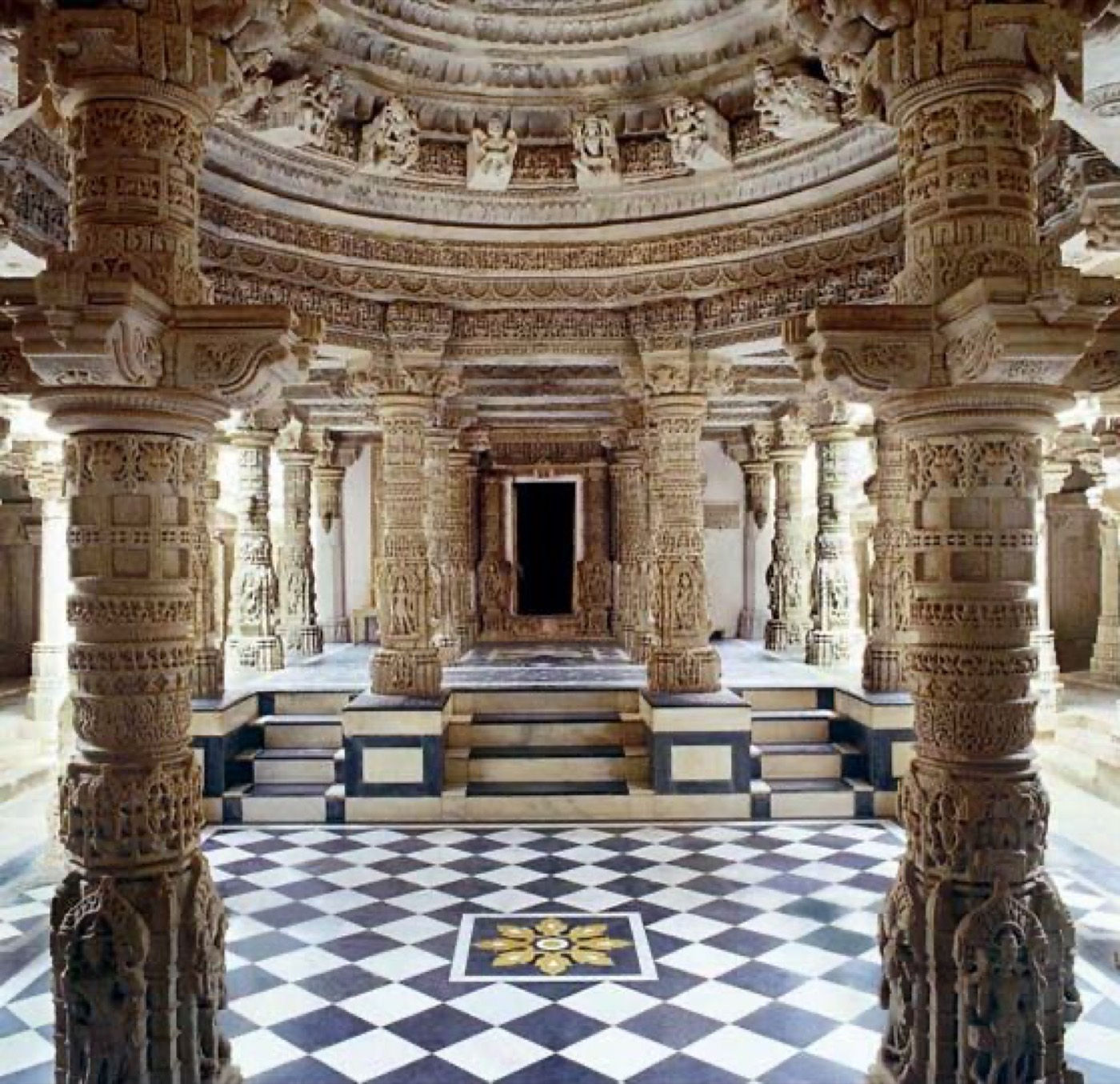
Darshan timings at Dilwara
| Season | Opens | Darshan | Closes | Status |
|---|---|---|---|---|
| Tourists / non-Jains (all year) | 12:00 noon | 12:00 noon to 6:00 PM | 6:00 PM | Open |
| Jain pilgrims / worshippers | approx 6:00 AM | Morning puja and abhishek, then open through the day | approx 6:00 PM | Open |
Read the full Timings & Darshan Hours →
How to reach Dilwara Jain Temples, Mount Abu
Dilwara sits about 2.5 km from Mount Abu town, reachable by shared taxi, auto or a short uphill walk. Reaching Mount Abu itself means a rail-then-road hop, since no train or plane comes up to the plateau.
| Mode | Point | Distance | Notes |
|---|---|---|---|
| Nearest railway station | Abu Road (ABR) | approx 28 km | On the Delhi to Ahmedabad main line, well connected. From Abu Road take a state bus or shared taxi up the ghat road to Mount Abu, then a local ride to Dilwara. |
| Nearest airport | Maharana Pratap Airport, Udaipur | approx 185 km | Roughly a 4 to 4.5 hour drive. Ahmedabad airport (approx 220 km) is the larger international option. |
| Road from Udaipur | Udaipur | approx 165 km | Scenic Aravalli route, common self-drive and taxi approach. |
| Road from Ahmedabad | Ahmedabad | approx 220 km | A popular weekend run for Gujarati pilgrims and families. |
Puja & aarti schedule
- Prakshal / abhishek and snatra puja by Jain worshippers, before tourist hours beginEarly morning (approx 6:00 AM onwards)
- Ashtaprakari puja (the eight-fold offering) and darshan of the mulnayak idolsMorning
- General visitor darshan opens after the ritual period12:00 noon
- Aarti and final darshan before the 6:00 PM closeEvening (before close)
Read the full Aarti & Puja Schedule →
Dress code & temple rules
Dress modestly: cover shoulders and knees. Shorts, short dresses and revealing clothing are not permitted inside.
Remove all footwear before entering the temple platform.
Leather items are banned inside: no leather belts, wallets, purses, bags, shoes or camera straps.
Photography and videography are strictly prohibited inside all five shrines. Cameras and phones may need to be deposited.
Maintain silence and do not touch the carvings or idols.
By Shvetambara Jain custom, menstruating women are traditionally requested not to enter the shrines.
A wash or bath is expected of Jains before performing puja; passive solar-heated bathing facilities are provided.
Read the full Dress Code & Temple Rules →
Best time to visit & festivals
Mount Abu is a cool hill retreat, so the pleasant months of October to March are ideal for both the temples and the town. Summer is bearable here unlike the Rajasthan plains, and the monsoon greens the Aravallis. Jain festival days bring heavy pilgrim footfall and restricted general access.
| Festival | When | Significance |
|---|---|---|
| Mahavir Janma Kalyanak (Mahavir Jayanti) | March to April (Chaitra) | Birth anniversary of Mahavira, the 24th Tirthankara. Major Jain celebration with special pujas at the Mahavir Swami temple. Peak |
| Paryushan Parva | August to September (Bhadrapada) | The most important Shvetambara festival of fasting, reflection and forgiveness; the complex sees intense ritual activity. Peak |
| Mount Abu Winter Festival | Late December | A town-wide cultural festival (not a temple event) that makes the surrounding hill station lively for visitors. |
Read the full Best Time to Visit & Festivals →
Nearby temples & tirths
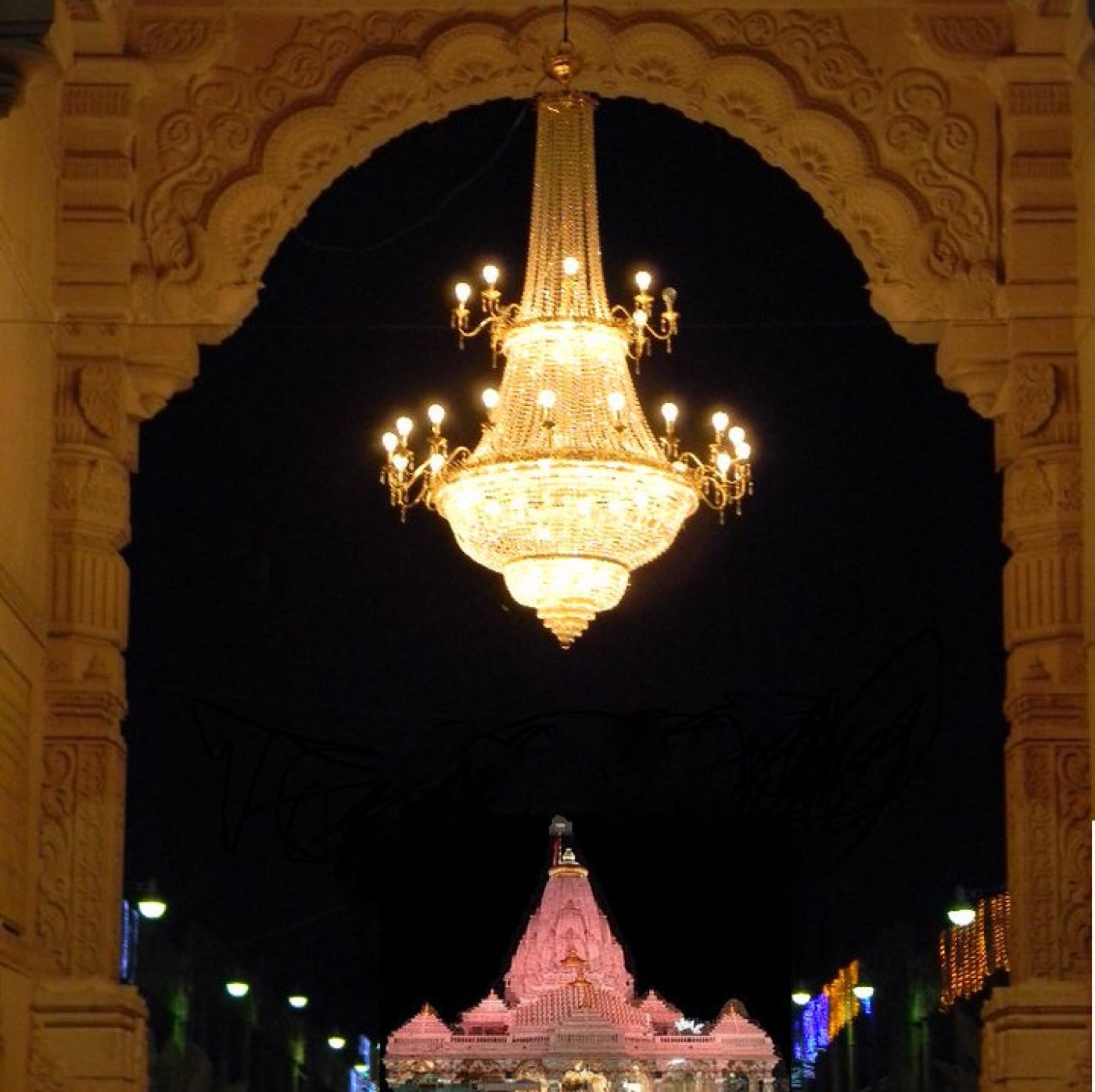
Ambaji Temple
Major Shakti Peeth just across the Gujarat border, the nearest big pilgrimage draw
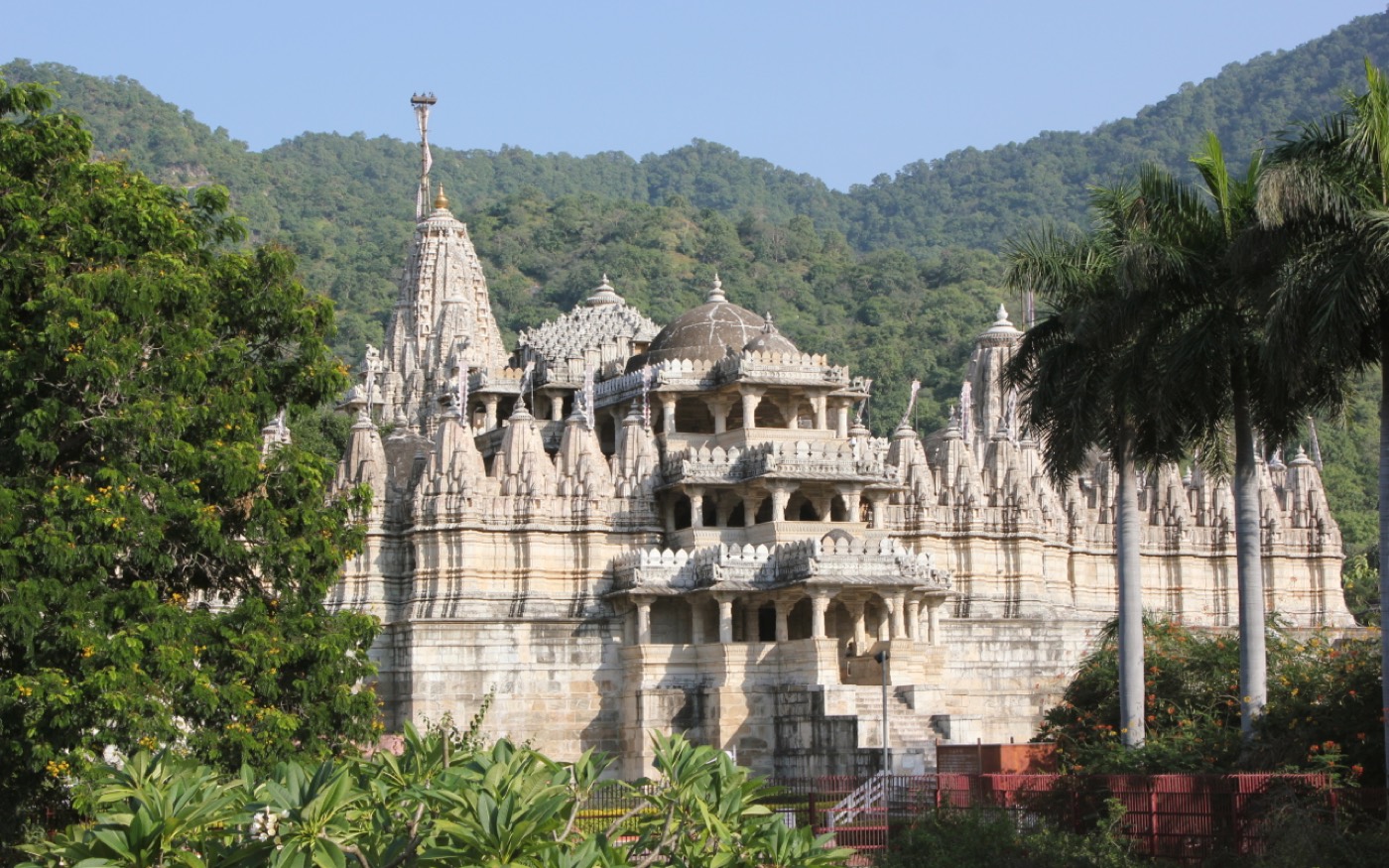
Ranakpur Jain Temple
The other marble marvel of Rajasthan Jainism, a 1444-pillar Adinath temple
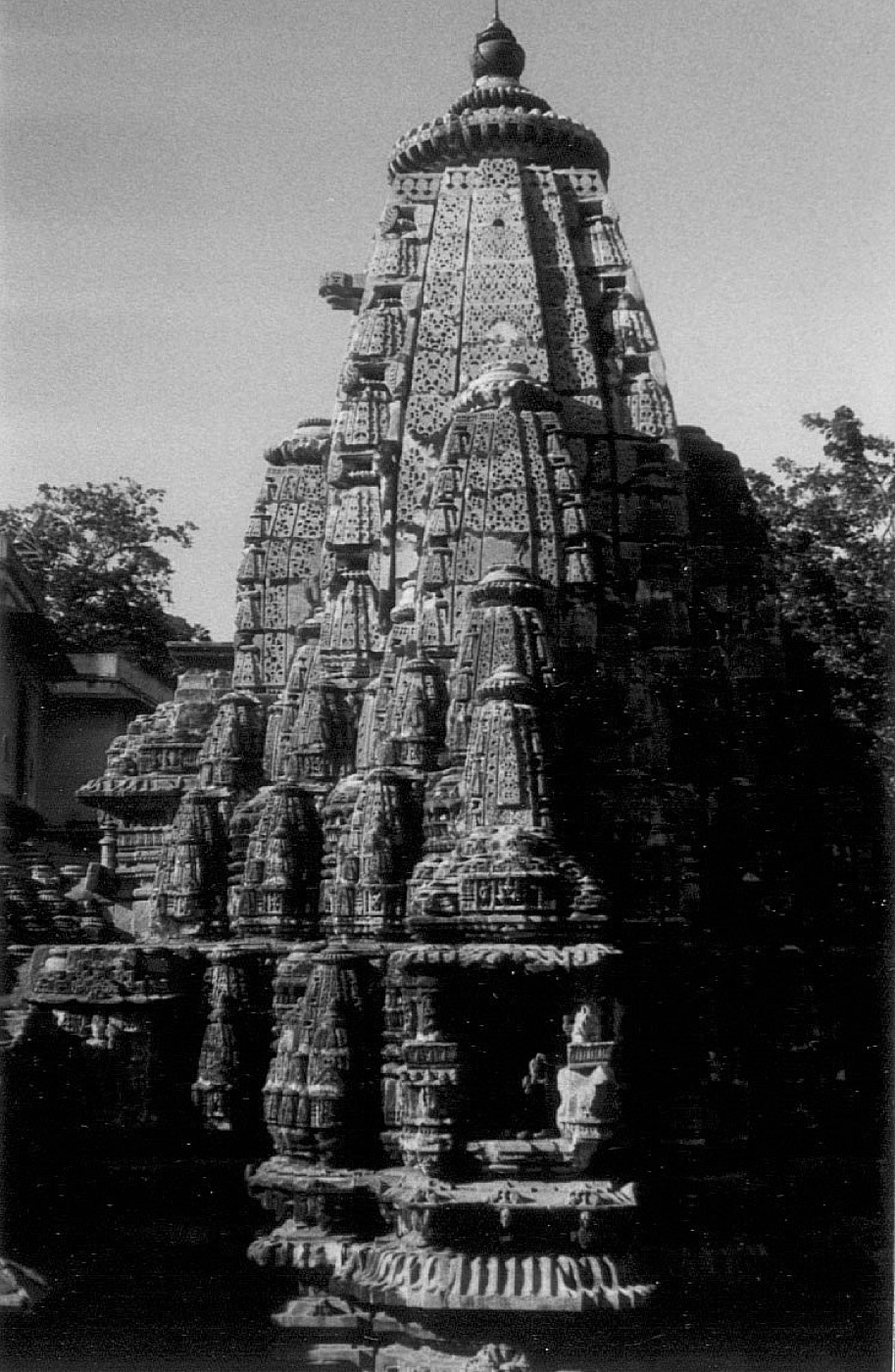
Eklingji Temple
Ancient Shiva temple of the Mewar rulers, en route to or from Udaipur
Read the full Nearby Temples & Tirths →
Where to stay
Most visitors stay in Mount Abu town, about 2.5 km away, which has the full range from budget lodges and mid-range hotels near Nakki Lake to heritage properties. Jain pilgrims often prefer the dharamshalas and bhojanshala run by the managing trust (Seth Kalyanji Paramanandji Pedi) close to the temples, which offer simple, satvik accommodation and meals. Book ahead during Paryushan and the October to March peak, as the hill station fills quickly on weekends and holidays.
Frequently asked questions
Dilwara Temples timings today
Nearest railway station to Dilwara Temples Mount Abu
Is there an entry fee for Dilwara Temples
Can non-Jains and tourists visit Dilwara Temples
Is Dilwara Temple open in winter
Compiled from public sources including Wikipedia: Dilwara Temples · Wikipedia: Mount Abu · Wikimedia Commons: File:Delwada.jpg. Timings and seasonal closures change; confirm with the temple trust before travelling.