The Hindu month of Shravan falls across July and August, and it is the most charged stretch of the year at Shiva's shrines. At Baba Baidyanath Dham in Deoghar the Shravani Mela runs for the whole month, with saffron-clad kanwariyas walking approx 105 km on foot from Sultanganj carrying Ganga water, and millions attending. At Kashi Vishwanath in Varanasi, every Sawan Monday brings lakhs of kanwariyas to pour Ganga water on the lingam. Somnath, the first of the twelve Jyotirlingas, keeps a steadier rhythm through the month, with continuous special poojas and a stream of pilgrims rather than a crush.
August is also Krishna's season of anticipation. Janmashtami is a lunar festival that falls in Bhadrapada, which lands in August or September depending on the year. When it arrives, the Dwarkadhish temple in Dwarka stays open through the night with a grand midnight Abhishek, and Banke Bihari in Vrindavan holds the one Mangala aarti it performs all year. Even if the festival itself slips into September, the weeks before it carry their own monsoon rituals, including Jhulan, the swing festival of Shravana, when Bihariji is dressed in green and seated on a decorated jhoola.
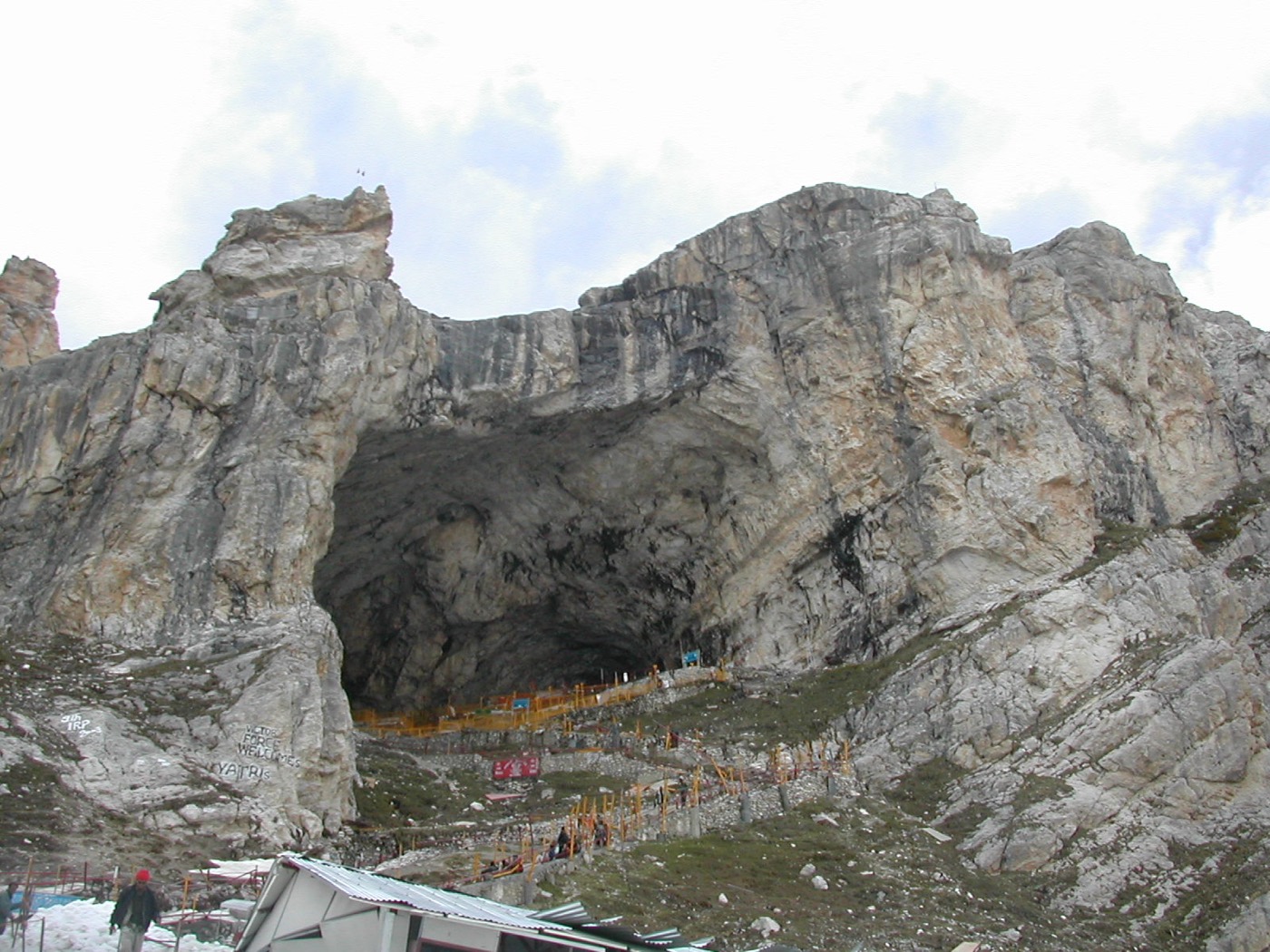
And then there is Amarnath. The cave shrine is reachable for barely two months a year, and August is its closing act: the Chhari Mubarak reaches the cave on Shravan Purnima, the full moon that coincides with Raksha Bandhan, and the yatra formally ends. In 2026 the window runs from 3 July to 28 August. If the ice lingam is on your list, August is not just a good month, it is the last month.
Why August is a serious temple month, not a compromise
The honest frame first. August is monsoon weather almost everywhere on this list. Varanasi is humid, the Saurashtra coast is muggy with a rough sea, and the Himalayan trail to Amarnath carries rain, sleet and slush even at the height of summer. Nothing in this guide pretends otherwise. What August offers in exchange is intensity: the Shiva shrines are at their most alive, the Krishna towns are building towards their biggest night, and several once-a-year events fall only in this window.
The second thing to hold onto is that almost every date here is lunar. Shravan, Bhadrapada, Janmashtami, Raksha Bandhan and the fair calendar all move against the English calendar from year to year. Where this guide says August, read it as a window that can begin in late July or spill into September. The one anchor we can state for a specific year is the Amarnath Yatra, which for 2026 has been set at 3 July to 28 August.
Shravan at the Jyotirlingas: Deoghar, Kashi and Somnath
Three of the twelve Jyotirlingas anchor this guide's August, and they behave very differently under Shravan pressure. Deoghar is the extreme case. The Shravani Mela turns a normally intimate temple town into one of India's largest walking pilgrimages, and the temple shifts to near round-the-clock queue darshan, often opening before 3 AM. The regular timetable, an approx 4 AM start, a midday break from approx 3:30 PM and an evening session from approx 6 PM to approx 9 PM, effectively dissolves, and the administration manages the queue day by day.
Kashi Vishwanath runs long hours all year, opening at 2:30 AM and closing at 11:00 PM, but Shravan is its single busiest stretch. Sawan Mondays are the pressure points, and on peak days the temple often stays open through the night. If you want structure inside the chaos, the ticketed rituals are the lever: Mangala Aarti runs 3:00 AM to 4:00 AM by advance booking, and Sugam darshan costs approx Rs 250 per person. Since December 2021 the corridor links the Ganga ghats directly to the sanctum, so the river bath and the darshan are one continuous walk.
Somnath is the gentle option of the three. The sanctum keeps its 6:00 AM to 10:00 PM day, with three aartis at 7 AM, 12 noon and 7 PM. Shravan brings continuous special poojas and a steady stream of pilgrims rather than a Deoghar-style crush, which makes it the Jyotirlinga to pick if you want the month's atmosphere without its queues. One monsoon caveat: the evening light and sound show, normally 8 PM to 9 PM, usually pauses during the monsoon, so do not build your evening around it in August.
| Temple | Regular darshan day | What Shravan does to it |
|---|---|---|
| Baba Baidyanath Dham, Deoghar | approx 4:00 AM to 3:30 PM, then approx 6:00 PM to 9:00 PM | Near round-the-clock queue darshan; opening often before 3 AM; schedule managed by the administration |
| Kashi Vishwanath, Varanasi | 2:30 AM to 11:00 PM daily | Extended hours and long queues; often open through the night on peak days; Sawan Mondays busiest |
| Somnath | 6:00 AM to 10:00 PM daily | Continuous special poojas and a steady pilgrim stream through the monsoon |

Baba Baidyanath Dham, Deoghar
Deoghar, Jharkhand
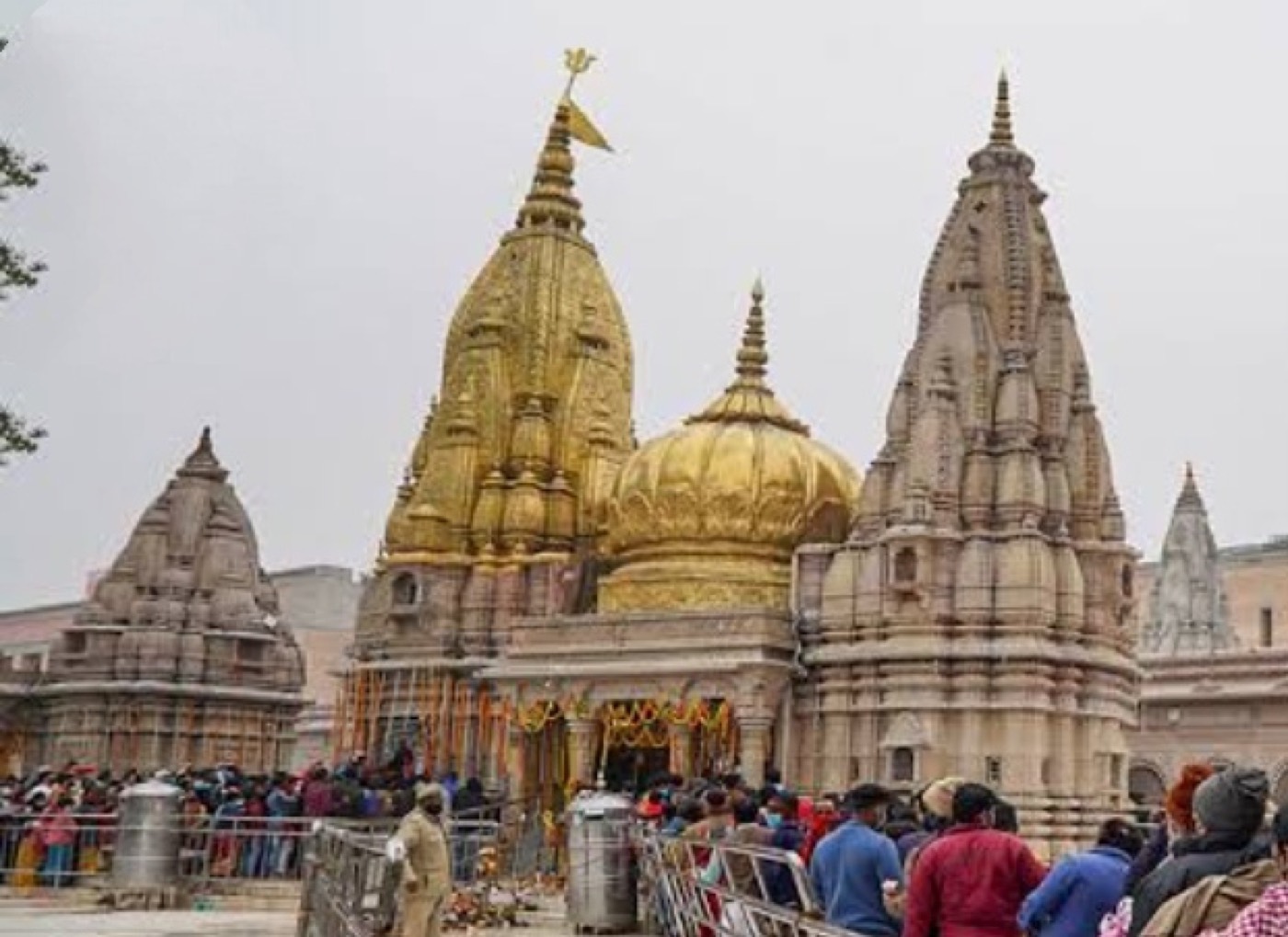
Kashi Vishwanath Temple
Varanasi, Uttar Pradesh
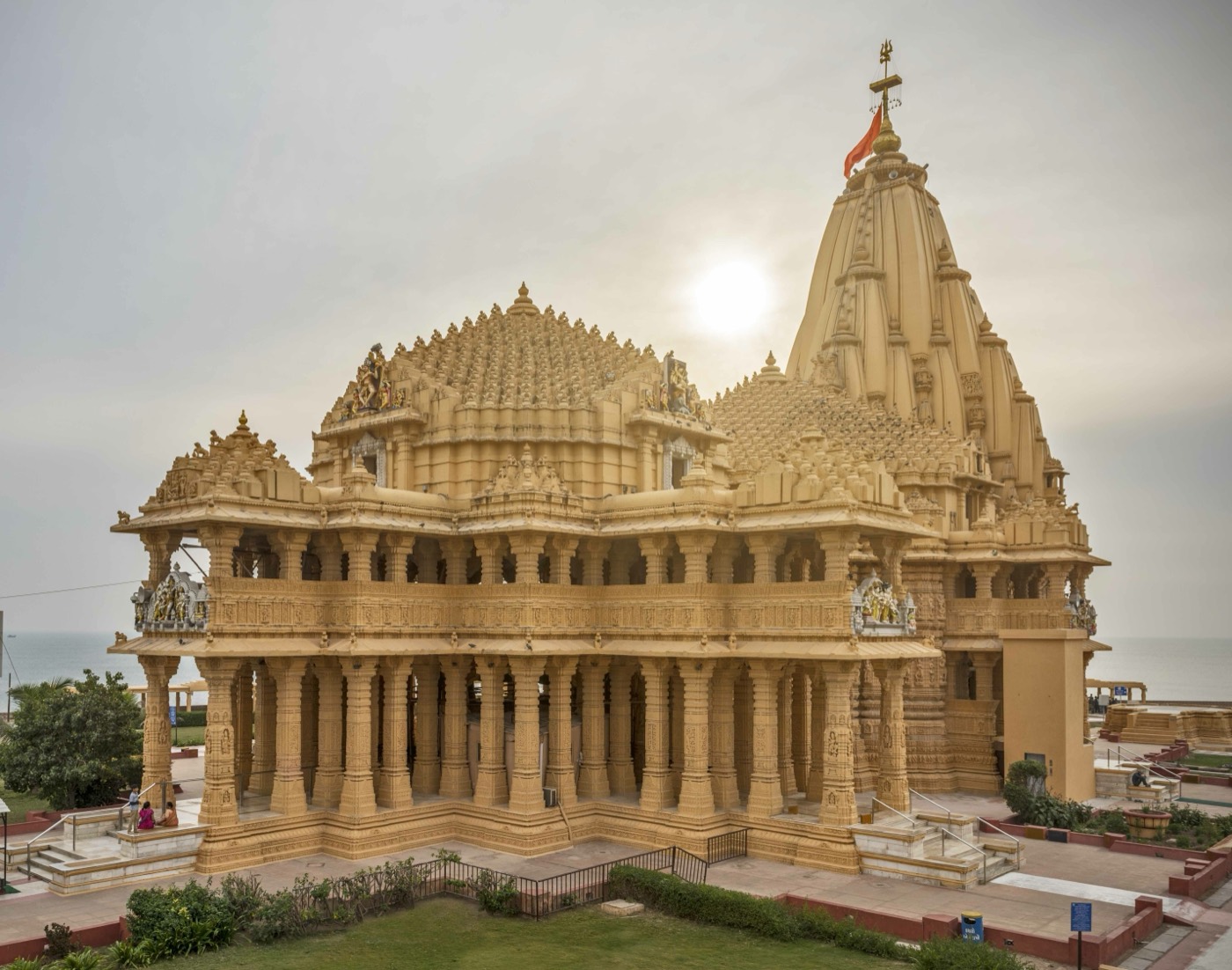
Somnath Temple
Gir Somnath, Gujarat
The Janmashtami question: will it fall in August?
Janmashtami falls on Krishna Ashtami in Bhadrapada, which means August or September, and no honest guide will pin it to a calendar date years ahead. What you can plan around is the shape of the night. At Dwarka, Krishna's legendary capital on the far western tip of Saurashtra, the temple sets aside its usual two-session day, 6:30 AM to 1:00 PM and 5:00 PM to 9:30 PM, and stays open through the night with a grand midnight Abhishek. It is the single biggest festival of the temple's year.
Vrindavan's Banke Bihari treats the night differently, and the difference is the whole point of the temple. Bihariji is worshipped as a living child who is never disturbed at dawn, so the temple holds no daily Mangala aarti at all. Janmashtami is the one exception in the entire year, and darshan runs through the night into the early hours. In the weeks before it, the monsoon brings Jhulan, when the deity is seated on a decorated jhoola for a rare open darshan outside the main shrine.
If Janmashtami lands in September in your year, an August visit to either town still catches this build-up. At Banke Bihari expect the summer timetable, 7:45 AM to 12:00 PM and 5:30 PM to 9:30 PM, an enforced dress code that covers shoulders and knees, and the calmest darshan on a weekday morning right at opening.
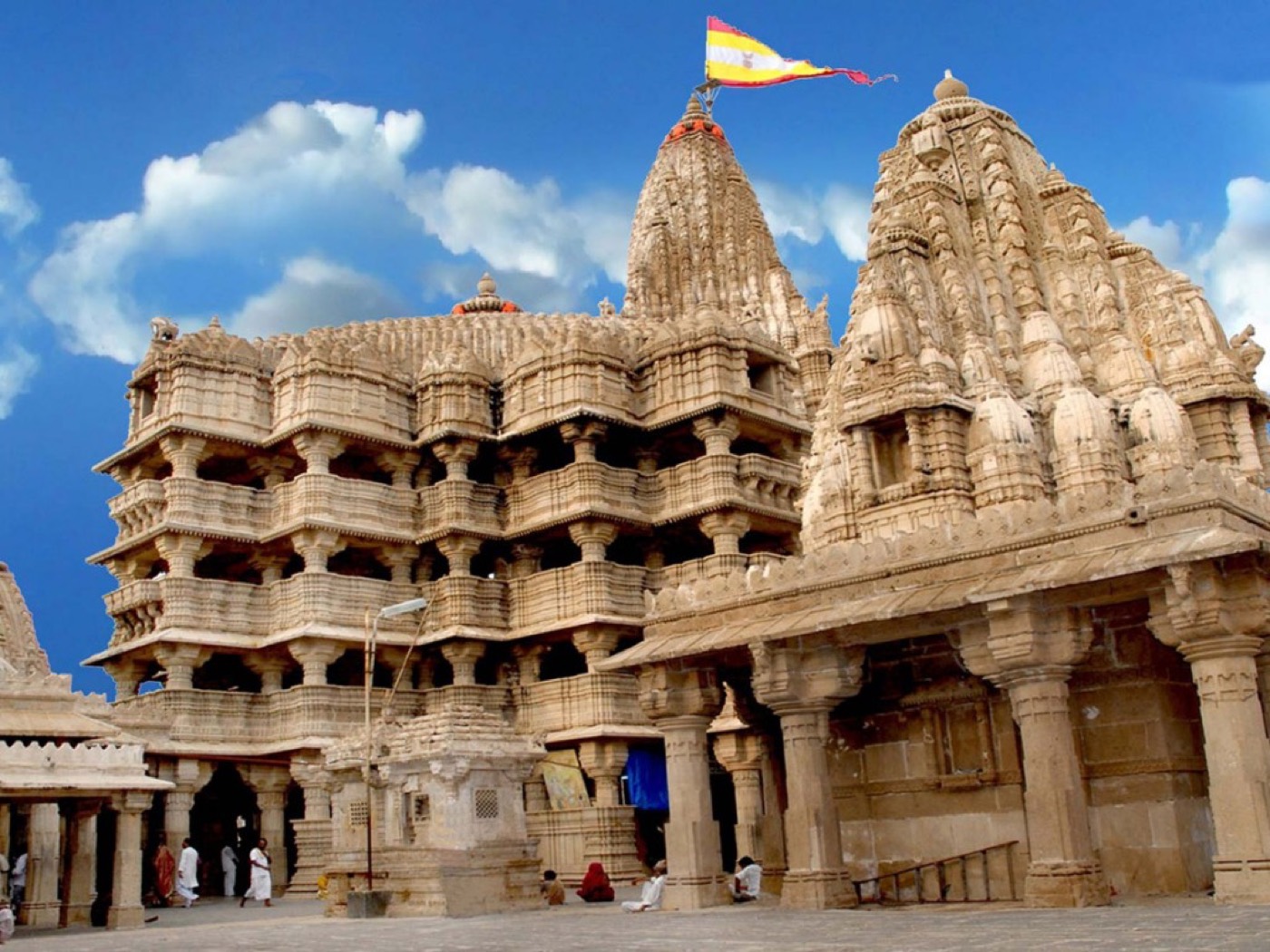
Dwarkadhish Temple (Jagat Mandir), Dwarka
Devbhumi Dwarka, Gujarat
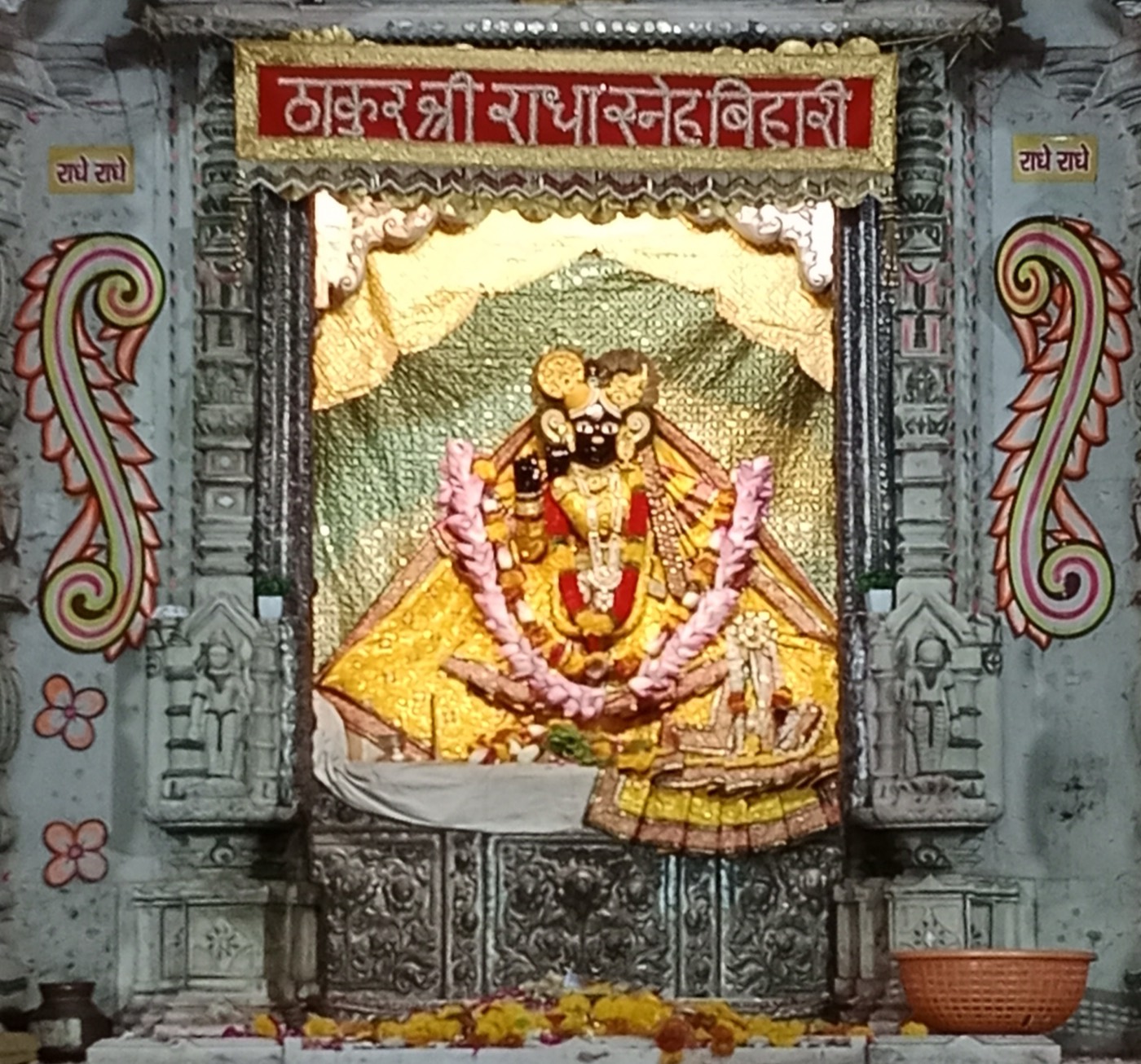
Shri Banke Bihari Temple, Vrindavan
Mathura, Uttar Pradesh
Amarnath: the yatra's closing weeks
Amarnath compresses a year of pilgrimage into roughly 50 to 60 days, and August holds its climax. The ice lingam in the cave at approx 3,888 metres is generally fullest earlier in the season and thins as summer warms, but tradition holds that it attains its greatest height on Shravan Purnima, the full moon of Shravan that coincides with Raksha Bandhan. On that day the Chhari Mubarak, the silver mace of Shiva, reaches the cave for the final rites that formally close the pilgrimage. For 2026 the window is 3 July to 28 August.
August logistics here are unforgiving in a specific, plannable way. Registration with the Shrine Board is mandatory, costs approx Rs 150 per person, and admits only pilgrims aged 13 to 70. The short route from Baltal is approx 14 km one way, which fit pilgrims complete as a single long day; the traditional Pahalgam route is approx 46 to 48 km over 3 to 5 days. Pack for a high-altitude trek, not a plains temple: temperatures near the cave can fall close to freezing even in August, and the path carries rain, sleet and cold streams.
August festival windows across the country
Beyond the six anchors, the wider August calendar is dense, and nearly all of it is lunar. Two windows deserve particular respect when you plan around crowds. At Mahakaleshwar in Ujjain, Nag Panchami opens the Nagchandreshwar shrine above the temple for its one day a year, drawing enormous overnight queues, and every Shravan Monday the Sawari procession carries the deity through the city. Late August can also shade into Ganesh Chaturthi at Siddhivinayak in Mumbai and the Bhadarvi Poonam fair at Ambaji, each a peak event in its own right.
| Festival | Where | Window | What happens |
|---|---|---|---|
| Shravani Mela | Baba Baidyanath Dham, Deoghar | Shravan month (July to August) | Month-long fair; kanwariyas walk approx 105 km from Sultanganj; millions attend |
| Shravan Purnima / Raksha Bandhan | Amarnath Cave | Full moon of Shravan (August) | The Chhari Mubarak reaches the cave; final rites close the yatra |
| Hariyali Teej / Jhulan Yatra | Banke Bihari, Vrindavan | July or August (Shravana) | Monsoon swing festival; the deity, dressed in green, is seated on a decorated jhoola |
| Krishna Janmashtami | Dwarka and Vrindavan | August or September (Bhadrapada) | Night-long darshan; midnight Abhishek at Dwarka; the year's only Mangala aarti at Banke Bihari |
| Nag Panchami | Mahakaleshwar, Ujjain | July to August (Shravan) | The Nagchandreshwar shrine opens for its one day a year; enormous overnight queues |
| Varalakshmi Vratam | Kanaka Durga, Vijayawada | July to August (Shravana), on Fridays | The Devasthanam has reported more than 20,000 devotees on these Fridays |
| Ganesh Chaturthi | Siddhivinayak, Mumbai | August or September (Bhadrapada) | The temple's grandest ten-day festival, with round-the-clock queues |
| Bhadarvi Poonam Fair | Ambaji | Full moon of Bhadrapada (approx August to September) | The largest gathering of the year, drawing over 1.5 million pilgrims |
| Tarnetar Mela | Trinetreshwar Mahadev, Tarnetar | Bhadarva sud 4 to 6 (approx late August to September) | Three-day tribal fair with folk dance, embroidered umbrellas and rural sports |
Monsoon honesty: what the rain actually changes
A few specific things the season changes at these six shrines. On the Saurashtra coast the monsoon is humid and the sea rough at Dwarka, though the temple stays open, and Somnath's light and sound show usually pauses for the season. In Vrindavan the crush inside Banke Bihari's small, low hall is part of the experience in any season, and festival mornings multiply it; the temple's own guidance is to keep children close and hold bags and valuables tight. In Varanasi the corridor means rain interrupts very little between the ghats and the sanctum.
On Amarnath the monsoon is not an inconvenience but a safety variable. Darshan happens in daylight only, the daily schedule bends to weather and the pilgrim quota, and the registration slip and Compulsory Health Certificate are checked at access gates on both routes. Acclimatise, walk slowly, and do not attempt the trek if you are unwell.
- Carry minimal bags at the big Shiva shrines; security checks at Kashi Vishwanath are thorough, and small bags speed up the queue.
- Leather items are barred or discouraged inside Baidyanath, Kashi Vishwanath, Somnath and Dwarka; leave belts and wallets at the lockers.
- Electronics rules are strict: Somnath bars phones, cameras and smartwatches entirely, with a cloakroom near the main gate, and Kashi Vishwanath prohibits them in the sanctum area with free lockers near the corridor gates.
- For sparsh darshan at Kashi Vishwanath, traditional wear is expected: dhoti-kurta for men, saree for women.
- For Amarnath, heavy woollens, waterproofs, sturdy non-slip shoes, a raincoat and a walking stick are essentials, not extras.
One itinerary: three days on the Saurashtra coast
If you want one route that turns August's scattered energy into a single trip, take the Saurashtra coast. It pairs two of this guide's anchors, adds a third Jyotirlinga almost for free, and runs on trains and ordinary roads rather than mountain permits. The spine is simple: Dwarka at the western tip, Somnath approx 230 km down the coast, with Nageshwar approx 17 km from Dwarka and Bhalka Tirth, where Krishna is held to have been struck by the hunter's arrow, approx 5 km from Somnath.
The rhythm of the days is set by the temples' own clocks. Dwarka's morning session runs 6:30 AM to 1:00 PM, and its evening Sandhya aarti at approx 7:00 PM to 7:30 PM is the most attended of the day; the dhwaja, the great triangular flag, is changed several times daily. Somnath's long 6:00 AM to 10:00 PM day is easier to fit around travel, with the evening aarti at 7 PM. Both railheads sit close to their temples, Dwarka approx 2 km out and Somnath approx 0.5 km, so this is a genuinely rail-friendly circuit.
| Day | Base | The plan |
|---|---|---|
| Day 1 | Dwarka | Arrive by rail (station approx 2 km from the temple); evening darshan 5:00 PM to 9:30 PM with Sandhya aarti at approx 7:00 to 7:30 PM |
| Day 2 | Dwarka to Somnath | Mangla darshan from 6:30 AM; Nageshwar Jyotirlinga approx 17 km away; then approx 230 km down the coast to Somnath |
| Day 3 | Somnath | Darshan any time 6:00 AM to 10:00 PM; morning aarti 7:00 AM; Bhalka Tirth approx 5 km; evening aarti 7:00 PM |
Frequently asked questions
Is August a good month to visit temples in India?
Which temples are best to visit during Shravan month?
Is Janmashtami in August or September?
Is the Amarnath Yatra still open in August?
Is it safe to visit these temples during the monsoon?
What should I wear for temple visits in August?
Compiled from our verified temple guides and public sources including Wikipedia: Shravani Mela · Shri Kashi Vishwanath official portal - Rituals · Shree Somnath Trust official FAQ · Shree Dwarkadhish temple timings 2026 · Shri Amarnathji Shrine Board (SASB) and yatra 2026 details via news / travel coverage. Timings and festival dates shift with the lunar calendar; confirm before you travel.