Two lunar months shape July. Ashadha, which usually straddles late June and July, carries the chariot festival cycle at Puri, Ashadhi Ekadashi in Maharashtra and the Guru Purnima full moon. Shravan, the month Hindus hold most sacred to Shiva, typically begins as July runs on, though the start shifts year to year. Because both months are lunar, every festival in this guide is given as a window, not a fixed date.
Five temples anchor the month. Jagannath Temple at Puri is finishing or has just finished its famous chariot journey. Amarnath is in the middle of the only weeks of the year it can be reached at all. Shirdi observes Guru Purnima, one of its three principal festivals. And as Shravan arrives, Kashi Vishwanath in Varanasi and Baba Baidyanath Dham in Deoghar enter the busiest stretch of their year.
A note on honesty before the detail. Most timings below are approximate, because these temples run on ritual cycles and festival-period schedules that shift daily. July is also peak monsoon across most of the country, treated here as a real planning constraint, not a footnote. Where our data does not cover something, we say so instead of guessing.
How July sits on the temple calendar
The simplest way to read July is as a handover. Ashadha closes with Guru Purnima, the full moon on which devotees honour their gurus, observed with particular weight at saint shrines and monastic seats. Shravan then opens the great Shiva season: its Mondays, called Sawan Somwar or Shravan Somvar, draw the heaviest crowds of the year at Shiva temples, and the kanwar tradition sends pilgrims on foot to fetch river water for their chosen lingam.
That handover explains the table below. Nothing about these five choices is subtle. Each one has a specific, verifiable July reason, whether a chariot festival, a mountain window, a guru's full moon or a month-long mela.
| Temple | State | Daily darshan | Nearest railhead | Why July |
|---|---|---|---|---|
| Jagannath Temple, Puri | Odisha | Approx 5:00 AM to 11:00 PM, with ritual breaks | Puri, approx 3 km | Rath Yatra cycle, Suna Besha, Bahuda Yatra |
| Amarnath Cave | Jammu & Kashmir | Daylight hours, yatra season only | Jammu Tawi, approx 178 km to Baltal by road | The annual yatra window is open |
| Shirdi Sai Baba Samadhi Mandir | Maharashtra | Approx 4:00 AM to 11:15 PM | Sainagar Shirdi, approx 3 km | Guru Purnima falls in July |
| Baba Baidyanath Dham | Jharkhand | Approx 4:00 AM to 3:30 PM, again approx 6:00 to 9:00 PM | Baidyanathdham, approx 1 km | Shravani Mela month begins |
| Kashi Vishwanath | Uttar Pradesh | 2:30 AM to 11:00 PM | Varanasi Junction, approx 4.5 km | Sawan Mondays and kanwar crowds |
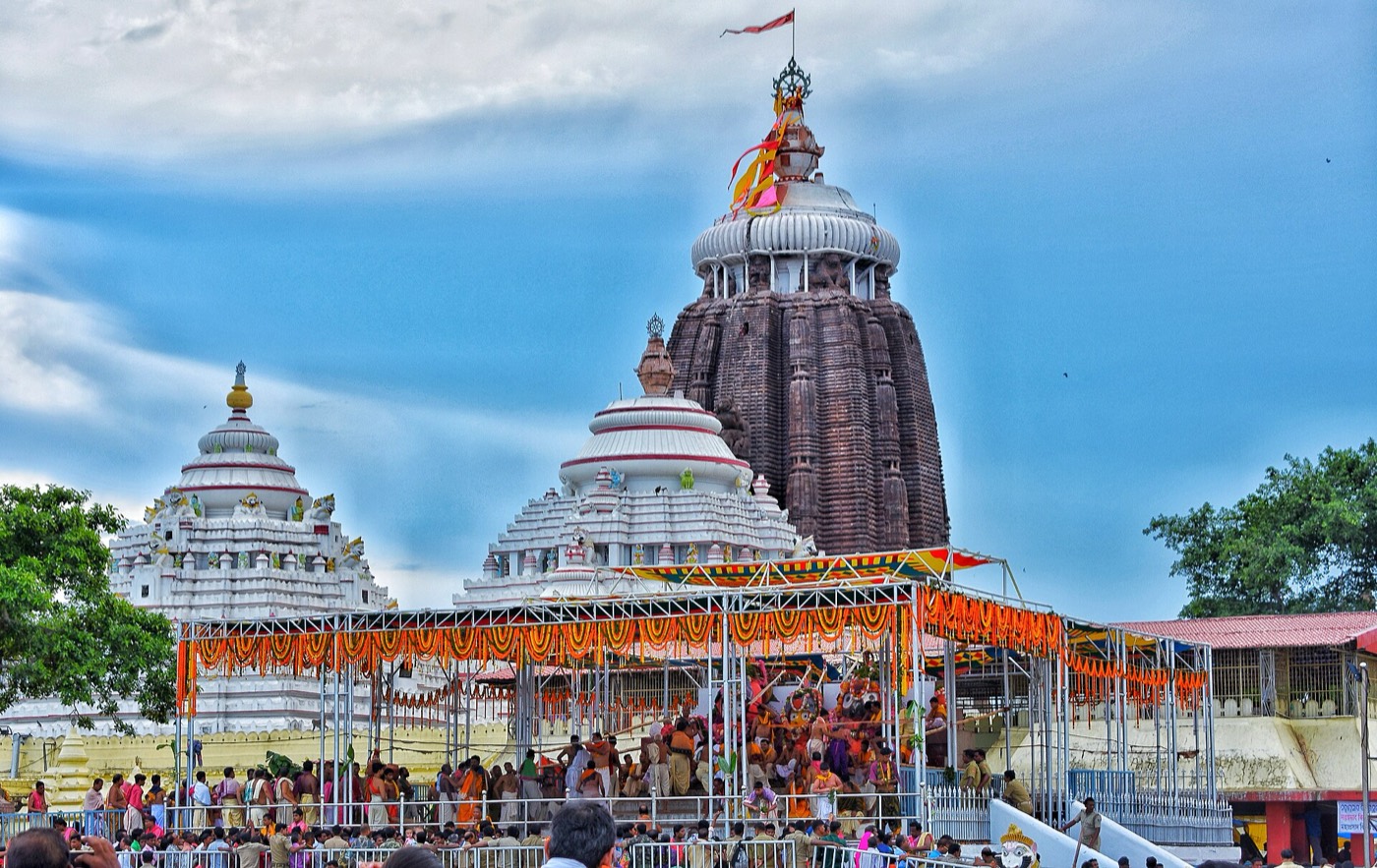
Jagannath Temple, Puri
Puri, Odisha
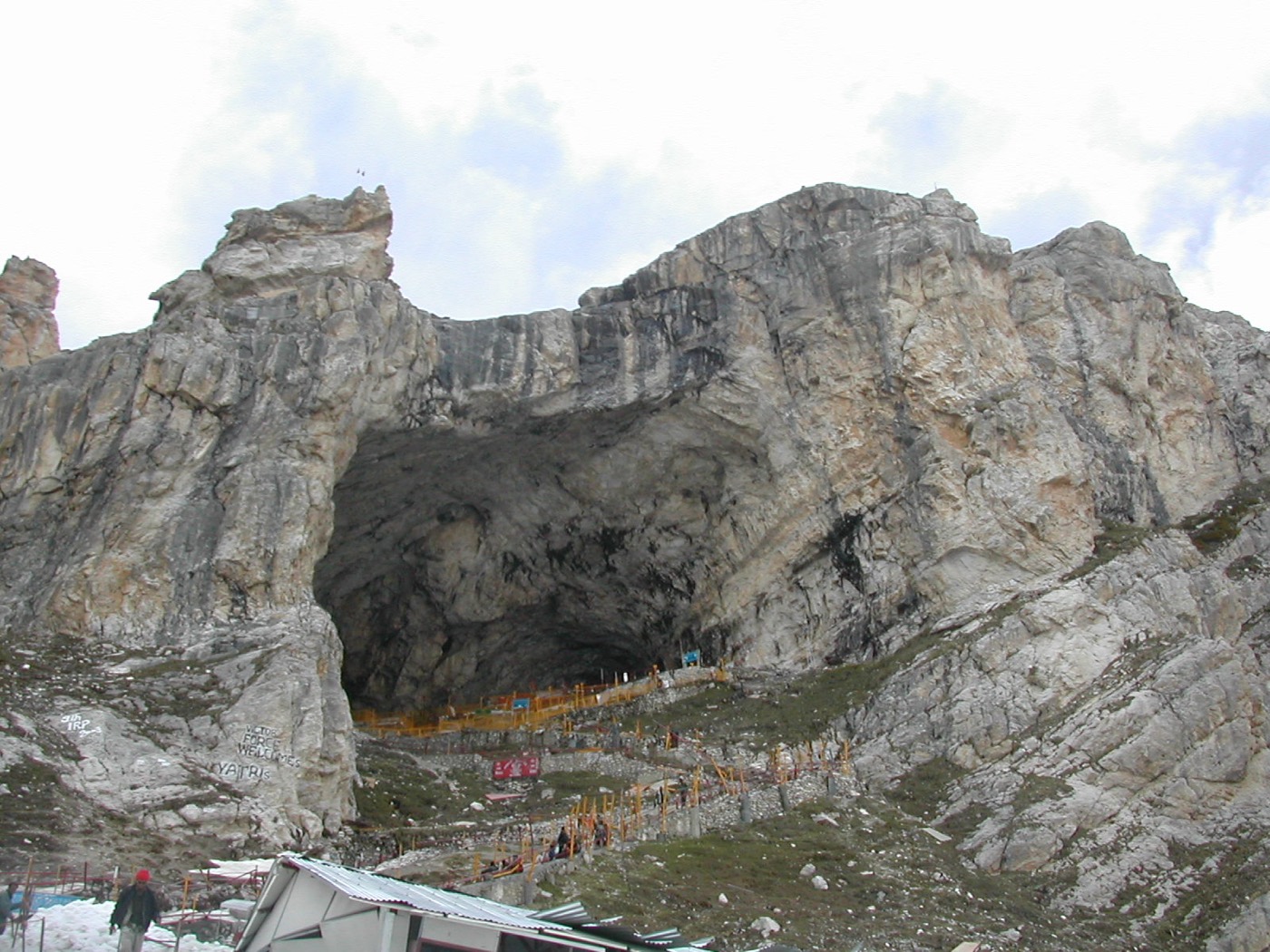
Amarnath Cave (Shri Amarnathji)
Anantnag, Jammu & Kashmir
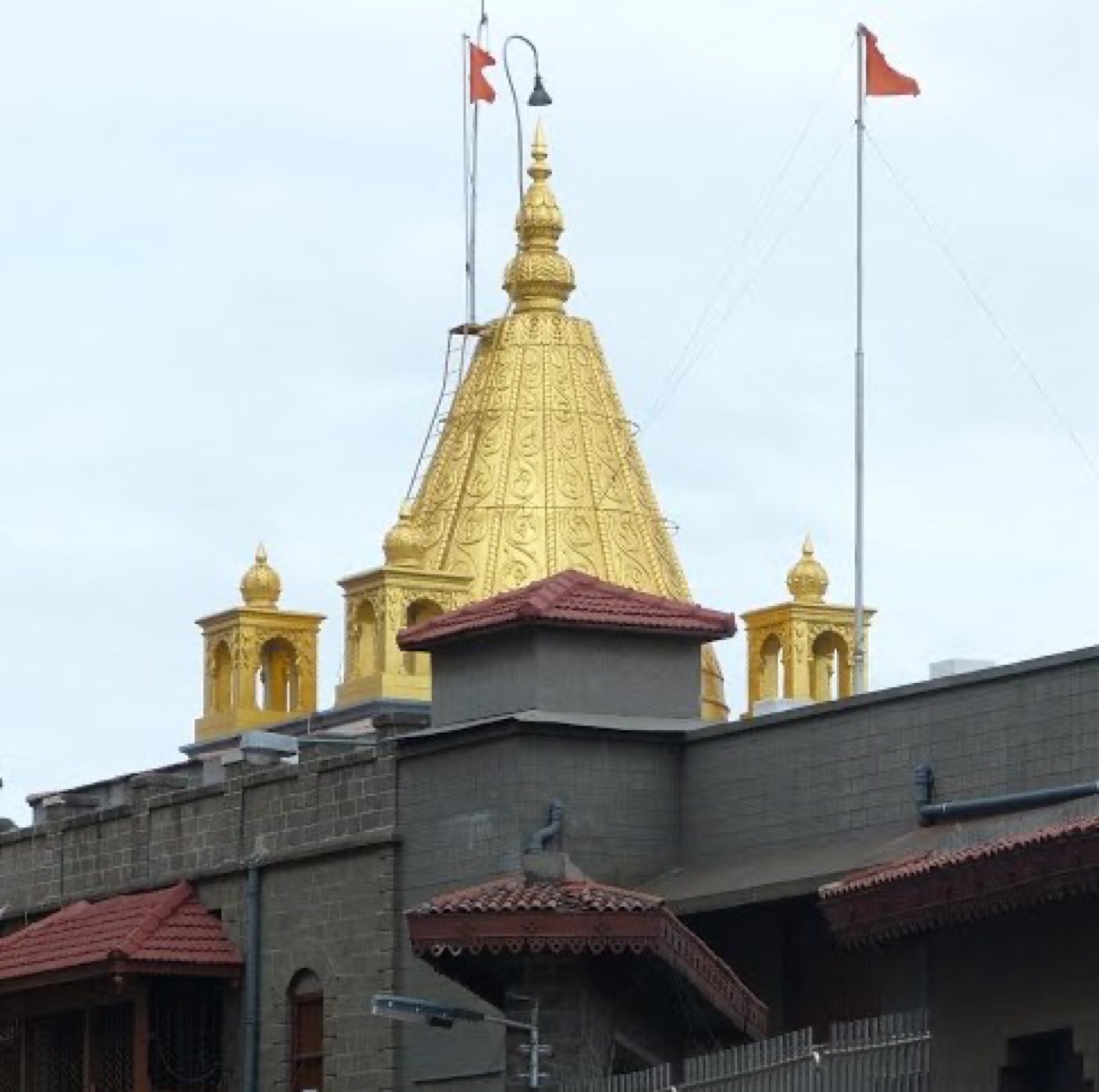
Shirdi Sai Baba Temple (Samadhi Mandir)
Ahmednagar (Ahilyanagar), Maharashtra

Baba Baidyanath Dham, Deoghar
Deoghar, Jharkhand
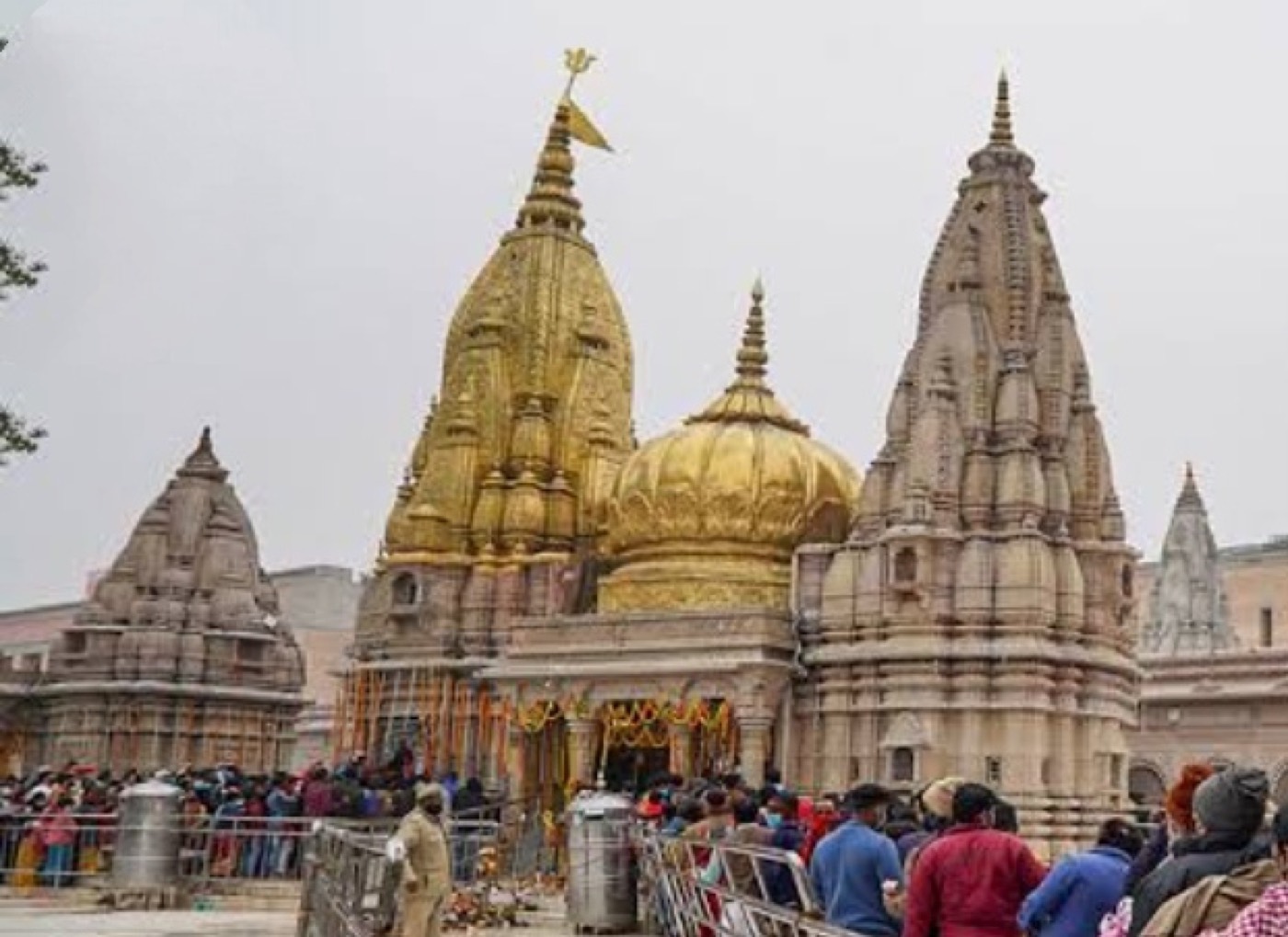
Kashi Vishwanath Temple
Varanasi, Uttar Pradesh
Puri: the tail of the chariot festival season
Rath Yatra falls on Ashadha Shukla Dwitiya, a lunar date that lands in June or July depending on the year. Jagannath, Balabhadra and Subhadra, carved in neem wood, leave the sanctum and ride three towering chariots down the Grand Road to the Gundicha Temple, an event that draws lakhs and gave English the word juggernaut.
The festival is a cycle, not a single day. Suna Besha, when the deities are adorned in gold ornaments while seated on the chariots, comes during the Rath Yatra period, and the Bahuda Yatra return journey on Ashadha Shukla Dashami completes it. Earlier in the cycle, Snana Yatra on Jyeshtha Purnima is followed by the Anavasara fortnight in which the deities are not shown at all, so a visit timed just before the chariots can mean no darshan. Temple timings shift heavily through this whole stretch, so verify the day's schedule locally.
On ordinary days the temple runs approx 5:00 AM to 11:00 PM with several ritual-break closures, entry is free, and the sanctum is open to Hindus only; others view the complex from the rooftop of the nearby Raghunandan Library. Puri Railway Station is approx 3 km away and Bhubaneswar's airport approx 60 km. Rooms sell out and rates spike sharply around Rath Yatra, so book weeks ahead. If you have a spare half day, the Konark Sun Temple is approx 35 km up the coast.
Amarnath: the shrine that only exists in this window
There is no built temple at Amarnath, no permanent idol and no year-round darshan. A natural cave at approx 3,888 metres holds a lingam of ice that forms from freezing snowmelt each season, and it is reachable for barely two months a year. The yatra runs across Shravan, approximately early July to late August, over roughly 50 to 60 days, and the Shri Amarnathji Shrine Board announces the exact dates each year. Within that window the ice lingam is generally fullest earlier in the season, which is a quiet argument for coming in July.
Registration with the Shrine Board is mandatory, at approx Rs 150 per person, and only pilgrims aged 13 to 70 are allowed; women more than six weeks pregnant are not permitted, and a compulsory health certificate is checked at the access gates. Two routes reach the cave. Baltal is approx 14 km one way, steep, and done by fit pilgrims as a single long day. The traditional Pahalgam route is approx 46 to 48 km over 3 to 5 days via Chandanwari, Sheshnag and Panjtarni. Helicopters run to Panjtarni from both sides, and darshan happens in daylight hours only.
Treat this as a high-altitude trek, not a temple visit. Temperatures near the cave can fall close to freezing even in July, and the path carries rain, sleet, slush and cold streams, so pack woollens, waterproofs and proper trekking shoes. Many pilgrims pair the trip with Vaishno Devi, the other great Jammu and Kashmir pilgrimage, approx 290 to 320 km by road to Katra.
Shravan begins: Kashi Vishwanath and Baidyanath Dham
When Shravan opens, two eastern Jyotirlingas absorb most of its force. At Kashi Vishwanath, every Sawan Monday brings lakhs of kanwariyas to pour Ganga water on the lingam, and this is the single busiest stretch of the temple's year. The temple opens at 2:30 AM and closes at 11:00 PM, and on peak days it often stays open through the night for continuous darshan. The corridor opened in December 2021 links the sanctum to the Ganga, so pilgrims can bathe at the ghats and walk up to the temple.
Two practical notes for Varanasi. The pre-dawn Mangala Aarti, from 3:00 AM to 4:00 AM, requires a ticket booked in advance, and Sugam darshan costs approx Rs 250 per person if you want the faster queue. For sparsh darshan, touching the lingam, traditional dress is expected: dhoti-kurta for men, saree for women. Tradition also holds that darshan of Kaal Bhairav, approx 2 km away, completes a Kashi pilgrimage.
Deoghar goes further still. Baba Baidyanath Dham is both a Jyotirlinga and a Shakti Peetha within one complex, and through Shravan it hosts the Shravani Mela, a month-long fair in which saffron-clad Kanwariyas carry Ganga water approx 105 km on foot from Sultanganj to bathe the linga. Millions attend. The temple's normal day, approx 4:00 AM to 3:30 PM and again approx 6:00 PM to 9:00 PM, gives way to extended hours, often opening before 3 AM, with near round-the-clock queue darshan managed by the administration.
Be honest about what you want here. If it is a calm, unhurried darshan, Shravan will disappoint you, and the cooler months serve far better. If it is the full tide of Indian pilgrimage, there is nothing else quite like this stretch of the year.
Kashi Vishwanath Temple
Varanasi, Uttar Pradesh
Baba Baidyanath Dham, Deoghar
Deoghar, Jharkhand
Guru Purnima: Shirdi's biggest July day
Guru Purnima, the Ashadha full moon honouring the guru, falls in July and is one of Shirdi's three principal festivals, among the most heavily attended days of its year. Devotees honour Sai Baba, the saint who died here in 1918, with parayana, bhajan and qawali, and on festival days the Samadhi Mandir stays open overnight for continuous darshan.
On ordinary days the mandir runs approx 4:00 AM to 11:15 PM, punctuated by four aartis: Kakad at dawn, Madhyan at noon, Dhoop at sunset and Shej at night. Attending an aarti inside the sanctum needs a paid pass, approximately Rs 600 for Kakad and Rs 400 for the others, booked on online.sai.org.in, which also handles the Sansthan Trust's inexpensive devotee accommodation; rooms fill fast on festival days. Sainagar Shirdi station is approx 3 km away and Shirdi's own airport approx 13 to 14 km.
Shirdi is not the only Guru Purnima address. The day is observed with weight at Sringeri Sharada Peetham, where devotees seek the Jagadguru's blessing on Vyasa Purnima, and at Salangpur in Gujarat, where it is kept in the sant tradition of the Vadtal Gadi.
The July festival calendar across India
The five anchors are not the whole story. July's windows touch dozens of temples, from the Sawari processions at Mahakaleshwar in Ujjain, where a palanquin carries the deity through the city on each Shravan Monday, to Ashadhi Ekadashi at Pandharpur, when around a million pilgrims converge as the palkhi processions complete a roughly 250 km, three-week foot march. The table keeps to windows our data verifies, and every one of them moves with the lunar calendar.
| Festival | Where | Window | What happens |
|---|---|---|---|
| Rath Yatra | Jagannath Temple, Puri | Ashadha Shukla Dwitiya, June or July | Deities ride three chariots to the Gundicha Temple; lakhs attend |
| Bahuda Yatra and Suna Besha | Jagannath Temple, Puri | During the Rath Yatra cycle, Ashadha | The return journey, and the deities adorned in gold on the chariots |
| Amarnath Yatra | Amarnath Cave, Jammu & Kashmir | Approx early July to late August | The only period the cave is open; roughly 50 to 60 days |
| Guru Purnima | Shirdi Sai Baba Temple | July (Ashadha full moon) | Among the most heavily attended days; overnight darshan |
| Shravani Mela | Baba Baidyanath Dham, Deoghar | Shravan month, July to August | Kanwariyas walk approx 105 km from Sultanganj; millions attend |
| Sawan Somwar | Kashi Vishwanath, Varanasi | Mondays of Shravan, July to August | Lakhs of kanwariyas pour Ganga water on the lingam |
| Ashadhi Ekadashi | Vitthal Temple, Pandharpur | Ashadha, June or July | Around a million pilgrims as the palkhi marches arrive |
| Shravan Mondays and Sawari | Mahakaleshwar, Ujjain | Shravan, July to August | The Mahakal Sawari palanquin procession each Monday |
| Nag Panchami | Mahakaleshwar, Ujjain | Shravan, July to August | The Nagchandreshwar shrine opens for this one day a year |
| Hariyali Teej / Jhulan Yatra | Banke Bihari, Vrindavan | July or August (Shravana) | The deity is seated on a decorated swing for a rare open darshan |
| Guru Purnima | Sringeri Sharada Peetham | July (Ashadha) | Devotees seek the Jagadguru's blessing on Vyasa Purnima |
Where July genuinely travels poorly
The southwest monsoon covers most of India in July, and it is the honest counterweight to everything above. The clearest warnings in our data are in the hills. Shravan at Kedarnath overlaps what the temple record itself calls the risky monsoon, and at Bhavnath Mahadev in Gujarat the surrounding hills are noted as best avoided for trekking in this season. Amarnath is the deliberate exception, a monsoon-season shrine by design, but its route still carries rain, sleet, slush and cold streams, which is why its kit list reads like a trek rather than a temple visit.
In the plains, July mostly means rain-soaked queues rather than closed doors. Our data does not carry rainfall figures for individual towns, so we do not rank cities by wetness. The workable rule is that mountain treks and hill circuits carry the real weather risk, while the festival towns carry a crowd risk instead.
- Book rooms early: Puri sells out around Rath Yatra, and Shirdi fills for Guru Purnima.
- Expect altered hours: Deoghar's Shravan schedule is administration-controlled, and Puri's shifts heavily through the festival period.
- Carry rain gear everywhere, and full trekking kit for Amarnath.
- Verify the day's schedule with each temple office before you travel.
One itinerary: the eastern circuit
If you want a single July route, string three of the five anchors along the east. Fly into Varanasi, whose airport is approx 25 km from the old city, and take darshan at Kashi Vishwanath early; the temple opens at 2:30 AM, and the ticketed Mangala Aarti runs 3:00 AM to 4:00 AM. Move on to Deoghar, approx 480 km away, for the Shravani Mela; Jasidih Junction, approx 7 km from the temple town, has direct trains from Varanasi, and the in-town Baidyanathdham station is approx 1 km from the temple. Finish at Puri, approx 550 km further as a long-distance estimate, for whatever remains of the chariot festival cycle, then fly out through Bhubaneswar, approx 60 km away.
Keep the plan loose. Festival-period hours shift daily at all three stops, queues are managed by each administration, and rooms need booking weeks ahead in this month. The circuit rewards travellers who build in buffer days rather than tight connections.
| Leg | Approx distance | Arrival point | Note |
|---|---|---|---|
| Into Varanasi | Airport approx 25 km from the old city | Lal Bahadur Shastri International Airport, Babatpur | Vehicles stop at Godowlia; the last approx 300 to 600 m is on foot |
| Varanasi to Deoghar | Approx 480 km | Jasidih Junction, approx 7 km from town | Trains link Varanasi and Jasidih; Baidyanathdham station is approx 1 km from the temple |
| Deoghar to Puri | Approx 550 km (long-distance estimate) | Puri Railway Station, approx 3 km from the temple | A major terminus with direct trains from Kolkata, Delhi and Chennai |
| Out via Bhubaneswar | Approx 60 km from Puri | Biju Patnaik International Airport | Taxis reach the airport road in about 1.5 hours via NH316 |
Frequently asked questions
Is July a good time to visit temples in India?
When is the Jagannath Rath Yatra held?
How long is the Amarnath Yatra trek?
What is the Shravani Mela at Deoghar?
Is Kashi Vishwanath very crowded during Sawan?
Is Shirdi open all night on Guru Purnima?
Compiled from our verified temple guides and public sources including Puri District Administration, Odisha Government - Shree Jagannath Temple · Shri Amarnathji Shrine Board (SASB) and yatra 2026 details via news / travel coverage · Shri Saibaba Sansthan Trust - Festivals · Wikipedia: Shravani Mela · Shri Kashi Vishwanath official portal - Rituals. Timings and festival dates shift with the lunar calendar; confirm before you travel.