Every tradition names the dawn ritual differently. In the north it is usually Mangala Aarti, the auspicious waking; in Maharashtra, Kakad Aarti; in the south, Suprabhatam, the song that wakes the Lord, or Nirmalya Darshan, the first sight of the deity still wearing the previous night's flowers. Different names, one idea: the god is woken like a beloved member of the household, and you can be there.
The practical case is just as strong as the devotional one. At Tirupati, Shirdi or Kashi Vishwanath, the difference between arriving at dawn and arriving at ten can be measured in hours of queue. Pilgrims who plan around the first aarti consistently get the calmest darshan these crowded shrines can offer.
Every timing below comes from our verified temple guides, and almost all carry an approx for good reason: dawn rituals drift with sunrise, season and festival. Treat them as planning anchors and confirm on the temple's own page before you set an alarm.
The 3 AM league: India's earliest sanctums
A small elite of temples begins its day while the town is still asleep. The Golden Temple leads them: the Prakash ceremony, when the Guru Granth Sahib is brought in, happens at approx 2:00 to 3:00 AM depending on season, and the complex itself never really closes. Tirupati's Suprabhatam wakes the Lord at approx 2:30 to 3:00 AM, Kashi Vishwanath's Mangala Aarti runs approx 3:00 to 4:00 AM, and in Vijayawada the Suprabhata Seva at Kanaka Durga begins around 3:00 AM.
Kerala matches them: Guruvayur opens at 3:00 AM for Nirmalya darshanam, widely loved as the most powerful moment of its day, and Sree Padmanabhaswamy offers Nirmalya Darshan from 3:30 to 4:45 AM. Sabarimala's sanctum opens at 3:00 AM in its pilgrimage seasons.
| Temple | First ritual | Approx time |
|---|---|---|
| Golden Temple, Amritsar | Prakash of Sri Guru Granth Sahib | 2:00 to 3:00 AM, seasonal |
| Tirupati Balaji | Suprabhatam | 2:30 to 3:00 AM |
| Kashi Vishwanath | Mangala Aarti (ticketed) | 3:00 to 4:00 AM |
| Kanaka Durga, Vijayawada | Suprabhata Seva | 3:00 AM |
| Guruvayur | Nada opens; Nirmalya darshanam | 3:00 AM |
| Sabarimala (in season) | Sanctum opens; Nirmalya darshanam | 3:00 AM |
| Padmanabhaswamy | Nirmalya Darshan | 3:30 to 4:45 AM |
The 4 AM band
An hour later a much larger band stirs. Mahakaleshwar's Bhasma Aarti, the deity bathed in sacred ash, runs approx 4:00 to 6:00 AM and needs advance booking. Kedarnath's kapat opens around 4:00 AM in season for the Maha Abhishek, Baidyanath's Mangal aarti begins approx 4:00 AM, Vindhyavasini's around 4:00 AM, and Karni Mata at Deshnoke opens approx 4:00 AM. At Pandharpur the Kakad Aarti waking Vitthal runs 4:00 to 5:30 AM.
The half-hour that follows is the busiest of India's ritual dawn: Badrinath's Maha Abhishek at 4:30 AM, Shirdi's Kakad aarti at approx 4:30 AM, Shani Shingnapur's first aarti at 4:30 AM, Kolhapur's Kakad at approx 4:30 to 5:00 AM, Naina Devi's Mangla at approx 4:30 to 5:00 AM, Khatu Shyam's Mangala at approx 4:30 AM in summer and 5:30 AM in winter, and Grishneshwar's Mangal Aarti at 4:00 AM. Even Tulsishyam, deep in the Gir forest, rings its Mangla aarti at approx 4:45 AM.
| Temple | First ritual | Approx time |
|---|---|---|
| Mahakaleshwar, Ujjain | Bhasma Aarti (advance booking) | 4:00 to 6:00 AM |
| Kedarnath (in season) | Kapat opens; Maha Abhishek | 4:00 AM |
| Baidyanath, Deoghar | Mangal (Kakad) aarti | 4:00 AM |
| Vindhyavasini, Vindhyachal | Mangala Aarti | 4:00 AM |
| Karni Mata, Deshnoke | Temple opens; Mangla Aarti approx 5:00 AM | 4:00 AM |
| Vitthal Rukmini, Pandharpur | Kakad Aarti and Nitya Pooja | 4:00 to 5:30 AM |
| Badrinath (in season) | Maha Abhishek | 4:30 AM |
| Shirdi Sai Baba | Kakad aarti | 4:30 AM |
| Shani Shingnapur | First aarti; oil abhishek begins | 4:30 AM |
| Grishneshwar | Mangal Aarti | 4:00 AM |
| Khatu Shyam | Mangala Aarti | 4:30 AM summer, 5:30 AM winter |
| Mahalakshmi, Kolhapur | Kakad aarti | 4:30 to 5:00 AM |
The ticketed dawns: book before you wake
Three of India's most famous dawn rituals are controlled-entry, and showing up unannounced does not work. Mahakaleshwar's Bhasma Aarti is the strictest: attendance is by advance booking, and slots vanish days or weeks ahead. Kashi Vishwanath's Mangala Aarti is entered by ticket, unlike the free general darshan that follows it from approx 4:00 AM. At Shirdi, the Kakad aarti is attended through paid aarti passes, separate from the free general darshan that runs from approx 5:40 AM.
Treat these three as appointments rather than visits: book on the official trust websites, arrive well before the stated time, and expect security to be brisk. The reward, in each case, is the temple at its most concentrated and least crowded.
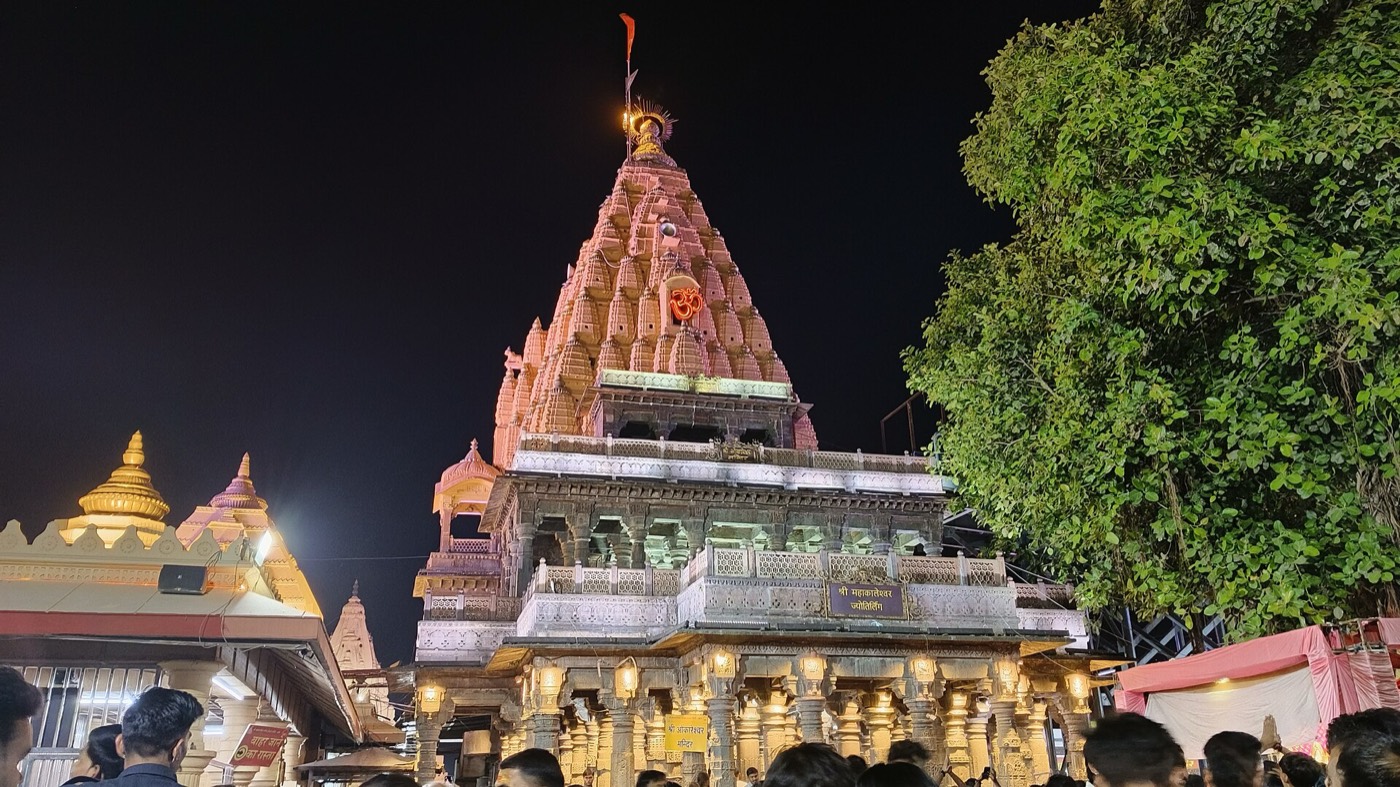
Mahakaleshwar Jyotirlinga, Ujjain
Ujjain, Madhya Pradesh
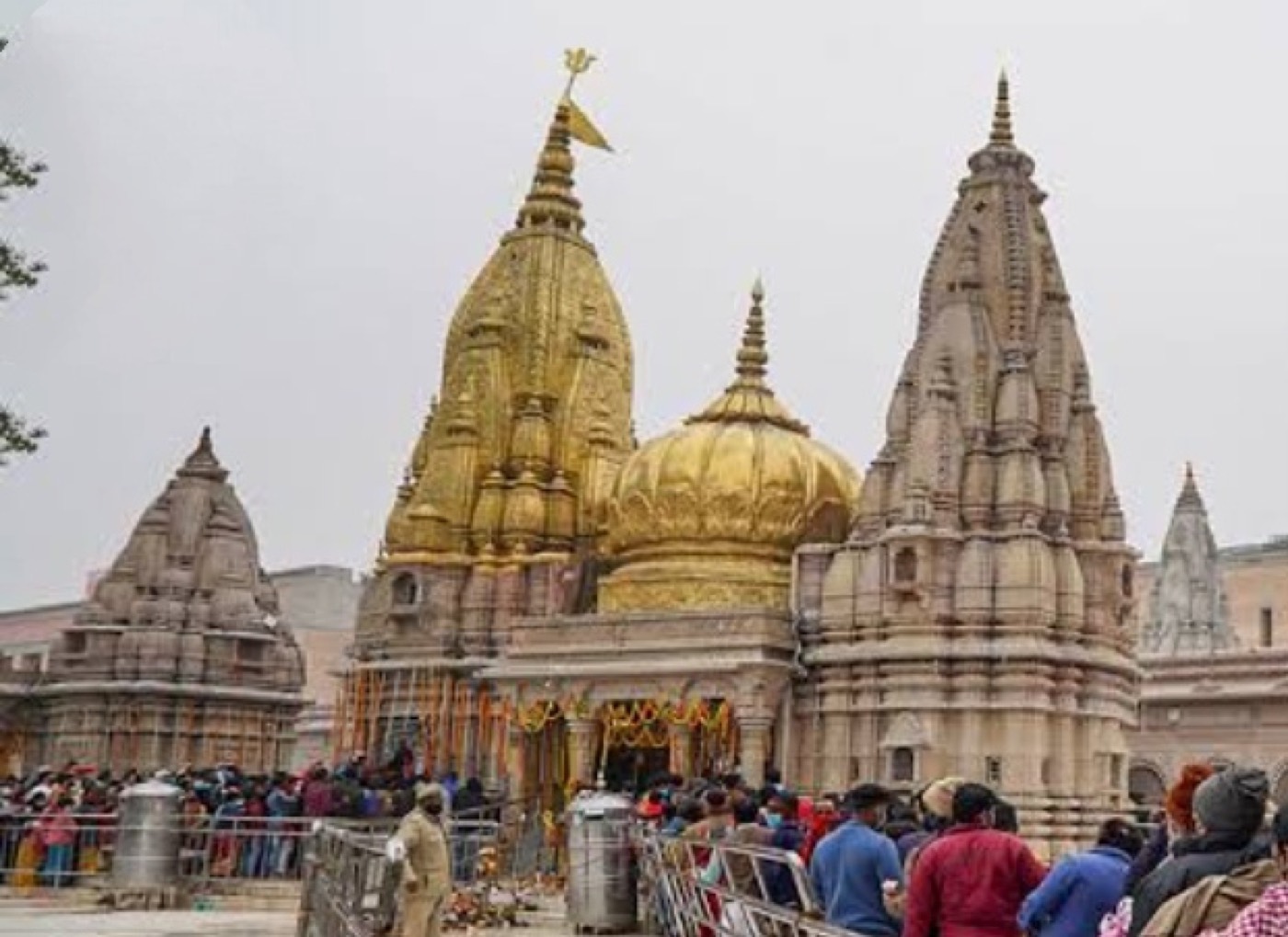
Kashi Vishwanath Temple
Varanasi, Uttar Pradesh
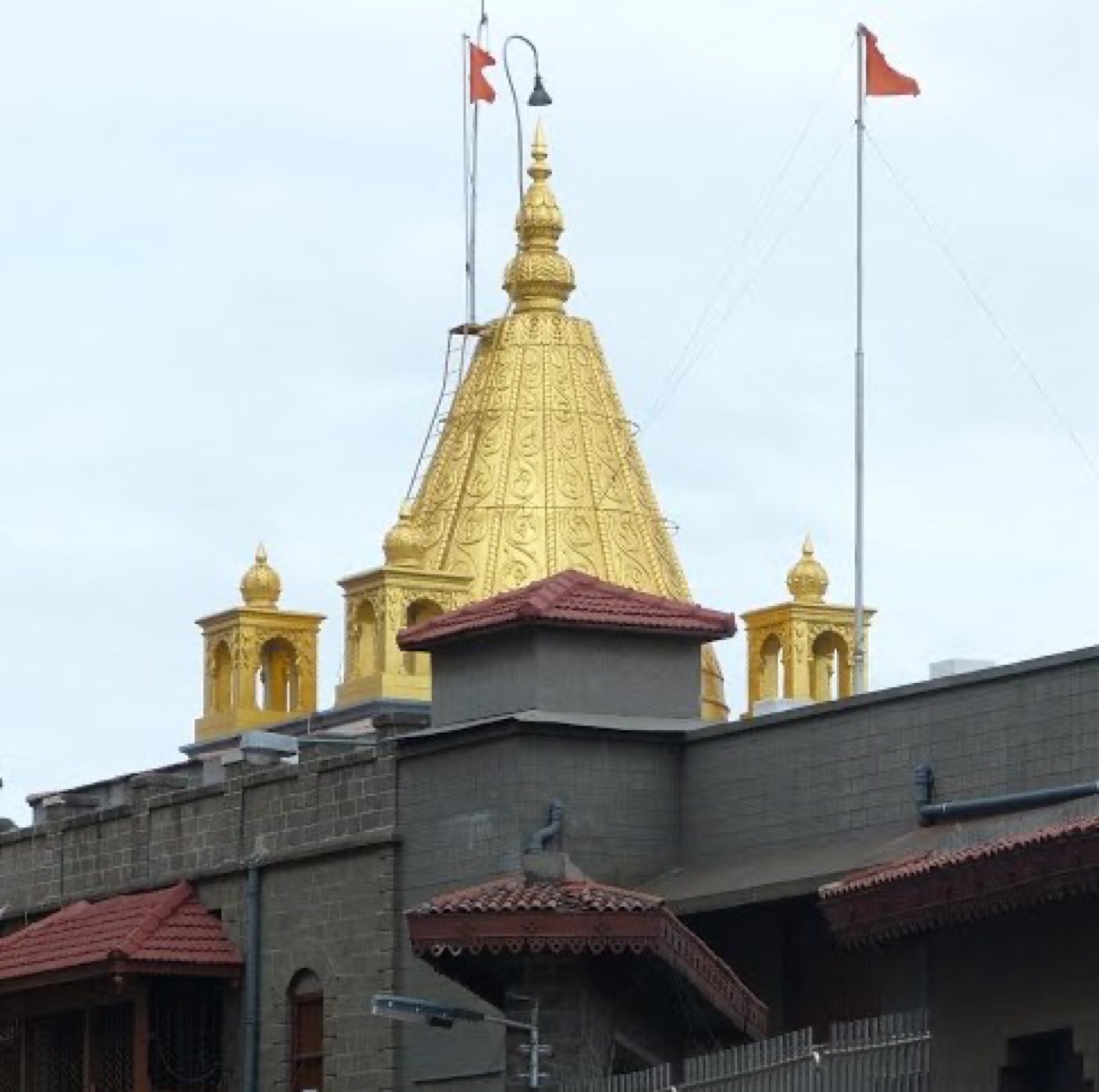
Shirdi Sai Baba Temple (Samadhi Mandir)
Ahmednagar (Ahilyanagar), Maharashtra
Dawn in the south: Viswaroopa and the crystal lingam
South Indian mornings have their own vocabulary. At Srirangam, the day opens with Viswaroopa darshan around 6:00 AM, the first sight of the reclining Lord. Palani offers its Viswaroopa darshan at approx 5:30 AM, Tiruchendur wakes Murugan with Subrapadam at approx 5:10 AM, and Meenakshi's Tiruvanandal puja runs 5:00 to 6:00 AM.
The most distinctive southern dawn belongs to Rameswaram: the Spatika Lingam Abhishekam at 5:00 AM, when the crystal lingam is bathed before the day's crowds arrive. Pilgrims who bathe at the 22 wells and then attend it describe it as the definitive Rameswaram experience. Udupi opens approx 5:30 AM with the removal of the previous day's flowers, the Nirmalya moment, as its first darshan.
The late wakers: where early arrival is wasted
Honesty requires the other list too. Banke Bihari in Vrindavan has no daily Mangala aarti at all: Bihariji is deliberately woken late, by loving convention, so a dawn arrival buys you a locked gate. Prem Mandir opens at 8:30 AM, Shamlaji's morning aarti is at 8:30 AM, Virpur's at approx 7:30 AM, and Somnath's Prabhat Aarti rings at 7:00 AM, with the temple's famous hours running long into the evening instead.
At Ayodhya's Ram Mandir the pre-dawn Mangala Aarti exists but general darshan runs from approx 7:00 AM, and at Akshardham Delhi nothing at all happens before 9:30 AM. The lesson: pre-dawn is a strategy, not a universal rule. Check the temple's own timings page, because arriving three hours early at a late-waking shrine is the one way to make the early-morning strategy fail.
How to actually do a pre-dawn darshan
Sleep next to the temple, not across town: the pattern that works is booking a room within walking distance the night before, because at 3:30 AM there is no traffic to beat, only your own alarm. Confirm the ritual time at the temple office the previous evening, since dawn rituals drift with sunrise and festival calendars. Carry as little as possible: cloakroom counters may not open as early as sanctums, and security moves faster when you are empty-handed.
Finally, respect what the hour is. The first aarti is a working ritual, not a show: stand where the priests direct, keep phones away where required, and let the temple's own rhythm set the pace. Pilgrims who arrive quietly for the waking of the deity see something that the ten o'clock crowd, standing in the same spot six hours later, can no longer imagine.
Frequently asked questions
Which temple in India opens earliest in the morning?
What is mangala aarti?
Can anyone attend the Bhasma Aarti at Ujjain?
Which temples open before 5 AM?
Is early morning darshan really less crowded?
Which famous temples should you NOT visit early?
Compiled from our verified temple guides and public sources including Shri Kashi Vishwanath Temple Trust: rituals · Shree Somnath Trust: FAQ · Tamil Nadu Tourism: Sri Ramanathaswamy Temple. Timings and festival dates shift with the lunar calendar; confirm before you travel.